
Ever look into your dog’s bowl and just… sigh? Brown, lifeless pellets, day in, day out. Makes you wonder if that’s really the best you can do for your furry family member, doesn’t it? Or maybe you’re already seeing those classic signs of a diet that’s just not cutting it: a dull coat, constant itching, low energy, or those endless tummy troubles. Well, I’m Mahiv Amit Chhabra, a certified canine nutritionist and the person behind The Desi Carnivore. And I’m here to tell you something that might sound a little bold, a little radical even: it’s time to ditch the why kibble is bad and unleash the natural potential within your dog.
Basically, switching your dog to a natural, species-appropriate diet means moving them away from those highly processed commercial dry foods. Instead, we’re talking about a diet packed with raw meat, bones, and organs, plus some fresh fruits and veggies on the side. This isn’t just a food swap, na? It’s a game-changer. You’ll see superior nutrition, better digestion, a real boost in immunity, and a huge leap in their overall health and vitality. It’s all about aligning with their evolutionary needs – because deep down, they’re carnivores.
For far too long, we’ve bought into this convenience myth, haven’t we? This idea that a bag of dry pellets is somehow ‘complete and balanced’. But honestly, when you really look at it — at those vibrant, energetic Indie dogs happily scavenging for real food, or the majestic Rajapalayams and Mudhols absolutely thriving on traditional diets — you quickly realise something. Our domesticated companions? They’re no different from their wild ancestors in one super crucial way: they’re carnivores. Built to eat meat, not some highly processed cereal. Simple as that.
So, let’s dive in. Let’s actually transform your dog’s health, the Desi Carnivore way.
Why Kibble is a Kutta’s Worst Enemy (and Yours Too!)
Walk into any pet store in Mumbai, Delhi, or Bangalore, and what do you see? A bombardment of colourful bags, all promising ‘premium nutrition’. But here’s the thing — peel back all that fancy marketing, and you’ll find a stark reality: kibble, most of the time, is just a nutritional wasteland, pretending to be pet food. And that’s exactly why I’m so, so against it:
The Processing Problem: High Heat, Low Nutrients
Kibble, generally, gets made through this process called extrusion. Look, imagine cooking food at ridiculously high temperatures, sometimes even twice over, then sucking out all the moisture, and finally – *finally* – spraying it down with artificial flavours and fats just to make it taste like anything. This whole intense process? It’s not great:
- Denatures proteins: Changes their structure, making them harder to digest and use.
- Destroys enzymes: Vital for digestion and nutrient absorption.
- Reduces vitamin and mineral content: Synthetic vitamins are then added back, but they’re often not as bioavailable as natural ones.
- Creates harmful by-products: Such as advanced glycation end-products (AGEs), linked to inflammation and chronic diseases.
The Meat Myth: Where’s the Real Carnivore Fuel?
So many kibble brands love to boast about their ‘meat protein’, don’t they? But honestly, a lot of the time, this stuff comes straight from rendering plants, using animal by-products — basically, the parts nobody would ever deem fit for human consumption. We’re talking anything from beaks and feathers to even diseased animal bits. Yikes. Even if ‘real meat’ is listed, it’s usually just a tiny percentage *before* processing, and definitely not the high-quality, fresh protein your dog’s body is truly craving. Your dog’s a carnivore, remember? Their diet should show that, not just be some leftover by-product from the human food industry.
The Carb Conundrum: Fueling Disease, Not Life
Grains — corn, wheat, rice — and starchy veggies like potatoes or peas? They’re just cheap fillers, plain and simple. They basically act as the ‘glue’ that holds those kibble pellets together. Here’s the deal: dogs are carnivores. They don’t *need* high levels of carbs, biologically speaking. A diet absolutely loaded with carbs? That’s a recipe for trouble:
- Obesity: Excess carbs are stored as fat.
- Insulin resistance and diabetes: Constant spikes in blood sugar.
- Inflammation: Leading to a host of issues from arthritis to allergies.
- Digestive distress: Bloating, gas, and irregular bowel movements.
Honestly, I get so many DMs about this — and I constantly see dog parents here in India feeding their dogs roti or rice as a staple, genuinely thinking it’s healthy. Look, a tiny bit won’t hurt, but making it the *bulk* of their diet? That’s just a recipe for disaster.
Questionable Additives: A Chemical Cocktail
To keep kibble shelf-stable for months — sometimes even years — and to make it look and smell good to dogs (and us humans who buy it), manufacturers dump in a chemical cocktail. We’re talking artificial preservatives like BHA, BHT, ethoxyquin, artificial colours (which, by the way, are often linked to hyperactivity and cancer), and synthetic flavours. These aren’t just ‘extra ingredients’; these chemicals have absolutely no place in your dog’s bowl and can seriously contribute to long-term health problems. Period.
Kibble vs. Natural Diet: A Nutritional Showdown
Let’s put it simply: the difference is stark. Here’s a quick look:
| Feature | Typical Kibble Diet | Natural (Raw) Diet |
|---|---|---|
| Primary Protein Source | Rendered animal by-products, plant proteins, low-grade meat meals | Fresh, whole muscle meat, organs |
| Carbohydrate Content | High (40-60% or more) from grains, starches | Low (5-10%) from fruits/vegetables, negligible from meat |
| Moisture Content | Low (5-10%) | High (60-80%) |
| Processing | High-heat extrusion, baking | Minimal to none (raw), gentle dehydration for treats |
| Digestibility | Often poor, due to denatured proteins and fillers | Excellent, high nutrient absorption |
| Enzymes & Probiotics | Destroyed by heat, often added synthetically | Naturally present in raw ingredients |
| Additives | Artificial colours, flavours, synthetic preservatives | None (whole foods) |
The Carnivore Blueprint: Understanding Your Dog’s Natural Diet
To really get *why* a natural diet is just miles better, we need to take a step back. We need to look at our dogs through the lens of evolution. Doesn’t matter if it’s a street dog happily thriving on scraps in Chennai or your pampered Golden Retriever chilling in Pune — their internal machinery, deep down, it’s fundamentally the same as their wolf ancestors. They’re built for the same stuff.
Anatomy of a Carnivore: Built for Meat
Let’s break down how they’re perfectly designed for a meat-based diet:
- Teeth: Sharp canines for tearing flesh, molars designed for crushing bones, not grinding plants.
- Jaws: Hinge-like motion for powerful biting, not side-to-side grinding.
- Short Digestive Tract: A dog’s digestive system is relatively short and acidic, designed to quickly process raw meat and bones, which are easily broken down, unlike complex plant matter.
- Stomach pH: Extremely acidic (pH 1-2) – perfect for dissolving bones and killing bacteria found in raw meat, but often compromised by carb-heavy, processed diets.
- Enzyme Production: Primarily produces enzymes for protein and fat digestion, not carbohydrate digestion.
Nutritional Requirements: Protein, Fat, and Minimal Carbs
So, what should a dog’s ideal diet look like, if we’re mirroring their evolutionary needs? It should be:
- High in Animal Protein: The building blocks for muscles, organs, hormones, and enzymes.
- Moderate in Animal Fat: A concentrated energy source, crucial for cell function, hormone production, and nutrient absorption.
- Minimal Carbohydrates: Primarily from nutrient-dense fruits and vegetables, serving as a source of fibre, antioxidants, and phytonutrients, not primary energy.
This, right here, is the very foundation of the ‘Biologically Appropriate Raw Food’ (BARF) diet. It’s all about whole, unprocessed ingredients. Simple.
The Doggos Way: What “Natural Food” Truly Means for Your Indian Doggo
Here at The Doggos, ‘natural food’ isn’t just some trendy buzzword, trust me. For us, it’s a real commitment — a promise to provide exactly what dogs are *meant* to eat. And what does that mean in practice? It means a diet built around raw, whole ingredients, specially tailored for our unique Indian climate and market.
The Core Components: Raw Meat, Bones, and Organs
Okay, this is the absolute cornerstone. We’re big advocates for giving your dog a good variety of:
- Muscle Meat: Think chicken, mutton, fish (our Dehydrated Fish Treats are a hit!), and even local game meats if you can find them safely. Variety is super important for a truly balanced nutrient profile.
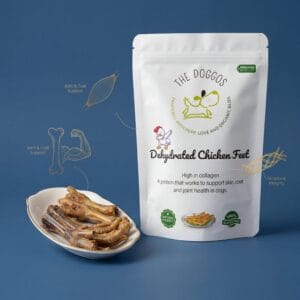
- Raw Edible Bones: These are crucial for calcium, phosphorus, and keeping those teeth sparkly clean. We’re talking chicken necks, wings, or soft mutton bones. But here’s the absolute rule: never, ever feed cooked bones — they splinter and can be incredibly dangerous. For a safe, satisfying crunch, our Dehydrated Chicken Feet are just fantastic for joint health and dental hygiene. (My Lab goes crazy for these, trust me!)
- Organs: Oh, these are nature’s multivitamins, plain and simple! Liver, heart, kidney, spleen — seriously, these are incredibly nutrient-dense superfoods. Our Dehydrated Organ Treats (like liver and heart) make it super easy to sneak these powerhouses into their diet.
Fresh Fruits & Vegetables: The Supporting Cast
Now, while dogs are definitely carnivores, a little bit of certain fruits and vegetables can actually give them some really valuable antioxidants, vitamins, minerals, and fibre. So, think about what’s locally available, like:
- Leafy Greens: Spinach, kale (just a bit, though).
- Seasonal Vegetables: Carrots, pumpkin, green beans, beetroot — whatever’s fresh!
- Fruits: Apples, bananas, mango (when it’s in season, but ditch the pit!), berries.
Just make sure these are puréed or finely chopped for easier digestion. And always, always feed them in small quantities — they shouldn’t be more than 10-15% of the total diet. Remember, supporting cast, not the main star!
Indian Climate Considerations
In our hot Indian climate, hydration is absolutely key. A natural diet, because of all that high moisture content from raw meat, actually adds a lot to your dog’s daily water intake. That’s a massive win compared to dry kibble, which offers almost nothing! We also like to think about cooling foods for summer (like a little curd or buttermilk — can dogs eat curd? Yes, totally, but in moderation!) and warming foods for winter.
Signs Your Dog is Crying Out for a Natural Diet (and You’re Not Listening!)
Honestly, so many common issues we see with Indian dogs? A lot of them can be traced right back to a diet that’s just not quite right. If your dog is showing any of these signs, it’s a huge, clear signal to totally rethink what’s in their food bowl:
- Chronic Itching & Skin Issues: Dry, flaky skin, hot spots, constant scratching, nasty ear infections. These are often set off by allergens in kibble (like grains or artificial ingredients) or simply not enough good fatty acids. If your dog is always itching, their diet is usually the very first place I tell people to look. (I’ve seen this work wonders with Indie dogs especially!)
- Dull Coat & Excessive Shedding: A truly healthy coat really shows what’s going on inside. If it’s looking dull or they’re shedding like crazy, it’s a sure sign they’re not absorbing nutrients properly.
- Digestive Problems: Vomiting, diarrhoea, constipation, way too much gas, foul-smelling stools. Kibble is tough to digest and often messes up their gut microbiome.
- Low Energy & Lethargy: If your dog seems sluggish or just… off, it could easily be because they’re not getting enough bioavailable energy from their food.
- Obesity: This is a huge problem, and it’s often made worse by all those high-carb kibbles.
- Dental Disease: Kibble doesn’t clean teeth, period. It actually tends to stick to them. Raw meaty bones, on the other hand, give them that natural dental abrasion they need.
- Allergies & Intolerances: Food sensitivities are absolutely rampant, and often they’re to super common kibble ingredients like chicken, corn, or soy. You should definitely check out The Chicken Trap for more on this.
The Ayurvedic Angle: Balancing Doshas with Species-Appropriate Food
Now, Ayurveda, of course, is mainly for humans. But its core principles — all about balancing the body’s ‘doshas’ (Vata, Pitta, Kapha) through natural, wholesome food — they really resonate with this whole idea of a species-appropriate diet for dogs. See, a natural diet, packed with fresh, unprocessed ingredients, actually helps support a super strong ‘Agni’ (that’s digestive fire, by the way). And a strong Agni? That’s vital for soaking up nutrients and stopping ‘Ama’ (toxins) from building up. Processed kibble, on the flip side, is often thought of as ‘heavy’ and ‘tamasic’ (kind of dulling), and it just piles on the imbalance and disease. So, by feeding fresh, vibrant foods, we’re naturally boosting their inherent vitality and balance. Pretty neat, right?
Making the Switch: Your Step-by-Step Desi Guide to Natural Feeding
Okay, I know the thought of switching can feel a bit daunting, maybe even overwhelming. But honestly? It’s way simpler than you probably think. Here’s how to get it done, the Desi Carnivore way:
1. Gradual Transition (Recommended for most dogs)
This method is great for keeping tummy upsets to a minimum. Over about 7-10 days, you’ll slowly ramp up the natural food while easing off the kibble. So, for example:
- Days 1-2: 75% old food, 25% new natural food.
- Days 3-4: 50% old food, 50% new natural food.
- Days 5-6: 25% old food, 75% new natural food.
- Day 7 onwards: 100% natural food.
Super Important: Whatever you do, don’t mix kibble and raw food in the same meal. Seriously. Especially if your dog has a sensitive stomach. Their digestion times are totally different, and that can really cause some issues. So, during the transition, try feeding raw in the morning and kibble in the evening, or flip it around.
2. Cold Turkey (For robust stomachs)
Some dogs, particularly the younger, healthier ones, can just switch immediately. You can fast them for 12-24 hours after their last kibble meal, then boom, introduce the new natural food. This gives their digestive system a chance to totally clear out and reset. Honestly, this is my preferred method for a lot of dogs, because it totally avoids that awkward digestive clash you get when mixing kibble and raw.
What to Feed: Building a Balanced Bowl
For an adult dog, a good place to start with a natural diet is feeding them roughly 2-3% of their ideal body weight each day, split into two meals. Of course, this can change based on their age, how active they are, and their metabolism.
General Ratio Guideline:
Here’s a simple breakdown to aim for:
- 80% Muscle Meat: Think chicken thighs, mutton chunks, fish (sardines, mackerel), goat meat. Seriously, rotate those sources!
- 10% Raw Edible Bone: Chicken necks, wings, feet. These are absolutely essential! If you’re a bit nervous about fresh bones, our Dehydrated Chicken Feet are a fantastic, super safe option.
- 5% Liver: Chicken liver, mutton liver. Just feed this 2-3 times a week, not every day.
- 5% Other Secreting Organs: Kidney, spleen – little powerhouses.
- Optional (up to 10-15%): Small amounts of puréed or finely chopped fruits and vegetables (carrots, pumpkin, spinach, apple).
Example Desi Meal Plan (for a 20kg adult dog, ~500g food/day):
Just to give you an idea, here’s what a day could look like for a 20kg adult dog, eating about 500g of food total:
Morning:
- 300g Chicken Thighs (boneless)
- 50g Chicken Neck (raw edible bone)
- 25g Liver (chicken or mutton)
Evening:
- 100g Mutton Chunks
- 25g Kidney or Spleen
- Small handful of puréed pumpkin/carrots
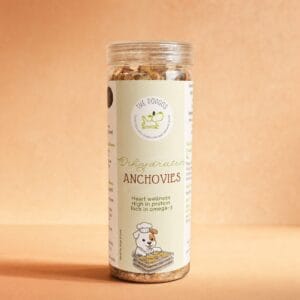
- A few Dehydrated Anchovies for Omega-3 boost.
Sourcing Ingredients in India
Okay, this is where our Desi roots really get to shine! Just head to your local butcher shop — your ‘kasaai’ — whether it’s in a bustling Crawford Market, Russell Market, or even your friendly neighbourhood ‘mandi’. Ask them for fresh cuts, bones, and organs. Seriously, build a good relationship with these guys! A lot of them are super happy to provide fresh, human-grade meat. For fish, hit up your local fish markets bright and early for the freshest catch. And don’t forget those seasonal fruits and vegetables from your usual vendor!
Common Mistakes Indian Dog Parents Make When Switching
Even with the best intentions, I constantly see dog parents here in India tripping up on a few common things. Don’t worry, though! Avoid these pitfalls, and you’ll have a much smoother transition and much better health for your dog:
- Feeding Only Chicken: Look, chicken is great, absolutely. But an exclusive chicken diet? That can totally lead to nutritional imbalances and, over time, even spark allergies. Variety is the spice of life, and nutrition, for dogs too! You can read more about The Chicken Trap here.
- Cooking the Meat: This totally misses the entire point of a raw diet, yaar! All those uncooked enzymes, proteins, and fats? Cooking just destroys vital nutrients and can make bones brittle and super dangerous.
- Fear of Raw Bones, Feeding Cooked Bones: This is a HUGE one, seriously. Raw edible bones are actually soft and pliable, super digestible, and absolutely crucial for dental health. Cooked bones, though? They get hard, brittle, and splinter like crazy, posing a severe choking and internal injury risk. If you’re feeling nervous, start with our Dehydrated Chicken Feet or Dehydrated Mutton Trotters — they’re safe and absolutely fantastic.
- Adding Too Many Carbs (Roti, Rice, Bread): This completely defeats the whole purpose of a species-appropriate diet. While a tiny bit as a treat might be okay, making it a staple will just keep fueling inflammation and obesity. Remember, dogs are carnivores, not omnivores with a carb addiction!
- Not Balancing Over Time: A raw diet doesn’t have to be perfectly balanced at *every single* meal. Nope. But it absolutely needs to be balanced over a week or two. Don’t stress if one meal is just meat; just make sure you’re rotating proteins, organs, and bones over the long run.
- Ignoring Supplements for Specific Needs: While a natural diet is super wholesome, some dogs really benefit from targeted supplements, especially during transition or for specific health worries. For joint health, check out the natural glucosamine in our Dehydrated Chicken Feet. And for skin, coat, and inflammation, our Hemp Seed Oil is a total game-changer.
- Expecting Instant Miracles: Look, while a lot of dogs show really rapid improvement, it does take some time for their body to detoxify and truly heal from years of processed food. Be patient and just stick with it.
Unleash Their Best Self with The Doggos
Seriously, making the switch to natural food? It’s one of the most profound acts of love you can ever show your dog. You’re not just changing what’s in their bowl; you’re literally changing their life. You’ll start seeing improvements everywhere — in their energy, the shine of their coat, their breath, and even how they behave. It’s amazing to witness.
And here at The Doggos, we’re totally here to support you every step of the way on this journey. While we absolutely champion fresh, raw feeding, we also totally get that sometimes you need convenience and some awesome complementary nutrition. That’s why our range of dehydrated raw treats — things like Dehydrated Anchovies (which are absolutely packed with Omega-3s for brain and coat health), Dehydrated Mutton Trotters (excellent for recovery and super rich in iron), and our Dehydrated Organ Treats (those nutrient-dense superfoods) — are just perfect for boosting their diet or as really healthy, guilt-free snacks. And for external health? You should totally explore our Natural Grooming Range and Ba