![Best Grooming & Skin Care for Cocker Spaniel in India [2026]](https://thedoggos.in/wp-content/uploads/2026/03/best-grooming-skin-care-cocker-spaniel-india-featured.jpg "Best Grooming & Skin Care for Cocker Spaniel in India [2026] 1")
Your Cocker Spaniel, with those soulful eyes and flowing locks, is truly a sight to behold. But let’s be honest, that beautiful coat and those adorable floppy ears are also a magnet for trouble, especially in India’s humid climate. From persistent itching to mysterious hot spots and chronic ear infections, many Indian pet parents feel like they’re fighting a losing battle. But what if I told you that the secret to their glorious coat and healthy skin isn’t just about what you put *on* them, but primarily what you put *in* them?
The best grooming and skin care for a Cocker Spaniel in India involves a multi-pronged approach, really. We’re talking about a consistent grooming routine tailored to their specific coat and ear type, using natural, moisture-balancing products, and most critically, a species-appropriate, fresh food diet that tackles the Omega-6 inflammation so common in commercial Indian chicken. And don’t forget those targeted nutrients like Hemp Seed Oil and Baobab Oil.
Why Your Cocker Spaniel Needs a Special Touch in India
Cocker Spaniels are magnificent dogs, no doubt. But their breed characteristics make them particularly prone to certain skin and coat challenges, especially here in India. It’s not just about looking good; it’s about their comfort and long-term health.
Their Signature Coat: A Double-Edged Sword
Cocker Spaniels boast a luxurious double coat, right? A soft, dense undercoat and silky, feathered outer guard hairs. While stunning, this combination is a perfect storm for matting. Think behind the ears, under the legs, and on their belly. In India’s dust and humidity, these mats don’t just look bad; they trap moisture, dirt, and parasites. What happens then? Skin irritation and infections, basically.
Those Adorable Floppy Ears: A Hotbed for Trouble
Oh, those long, pendulous ears! They give Cockers their signature look, sure. But they also create a warm, moist, dark environment that’s an open invitation for yeast and bacteria to thrive. This leads to chronic ear infections, a constant headache for many Cocker parents. Trust me, I get so many DMs about this.
Sensitive Skin & Allergies: More Common Than You Think
Many Cocker Spaniels just have a genetic predisposition to sensitive skin, atopic dermatitis, and various allergies. This can show up as persistent itching, redness, hot spots, and even secondary skin infections. And in our Indian environment, with its myriad allergens, it’s a battle that really needs a holistic approach.
The Desi Carnivore’s Grooming Routine for Cocker Spaniels
A consistent, mindful grooming routine is non-negotiable for a Cocker Spaniel, especially one living in India. This isn’t just about vanity; it’s preventative medicine.
Daily Brushing: Your First Line of Defence
- Tools: A slicker brush and a metal comb are your best friends. Seriously.
- Technique: Start at the skin and work your way out, brushing in the direction of hair growth. Pay extra attention to the “feathers” (legs, belly, ears) and armpits, where mats love to hide.
- Why it matters: Daily brushing prevents matting, distributes natural oils, removes loose hair and dirt, and stimulates blood circulation. That’s vital for skin health. It’s also a great bonding exercise! (My Lab goes crazy for this, turns into a big cuddle session.)
Bathing: The Right Way, Not Too Often
- Frequency: Generally, once every 2-4 weeks, or when visibly dirty. Over-bathing strips natural oils, leading to dry, irritated skin. Do we want that? No.
- Shampoo Choice: Use a gentle, pH-balanced dog shampoo. Avoid human shampoos, which are just too harsh. For Cockers prone to skin issues, look for shampoos with natural soothing ingredients like oatmeal or aloe vera.
- Drying: Thorough drying is crucial, especially for their thick coat and ears. Use a towel and a cool-setting blow dryer. Any lingering moisture is an invitation for fungal growth. Big no-no.
Ear Care: A Non-Negotiable Daily Ritual
- Cleaning: Gently wipe the outer ear flap with a vet-approved ear cleaner and cotton ball. Never use cotton swabs inside the ear canal. That’s just asking for trouble.
- Hair Plucking (if necessary): Some Cockers grow excessive hair inside their ear canal. This traps moisture and debris. Consult your groomer or vet if plucking is needed, as improper technique can cause pain or damage.
- Airflow: Regularly lift their ears to allow air circulation. You can even tie them back gently for short periods, especially after baths or swims.
- Why it matters: Proactive ear care is the single most effective way to prevent those dreaded, painful ear infections. It’s simple, but it works.
Paw & Nail Care: Often Overlooked, Hugely Important
- Nail Trimming: Trim nails every 2-4 weeks. Overgrown nails can cause pain, affect gait, and even lead to splayed feet or joint issues. If you hear their nails clicking on the floor, they’re too long. Period.
- Paw Pad Health: Inspect paw pads regularly for cracks, cuts, or foreign objects. In India’s hot climate, pavements can burn their pads. Consider using our Baobab Paw & Nose Balm to keep them moisturised and protected. Its deep-absorbing properties heal from within, unlike heavy oils that just sit on the surface.
- Trimming Hair Between Pads: This prevents debris accumulation and matting, which can be a source of discomfort and infection.
The Desi Carnivore Diet: The Foundation of a Healthy Coat
Here’s the thing many Indian pet parents miss: you can’t groom away a bad diet. Skin and coat health are direct reflections of internal health. If your Cocker Spaniel is constantly itching, has dull fur, or suffers from chronic skin conditions, it’s highly likely their diet is the root cause.
The “Heat” Myth & Omega-6 Inflammation: A Crucial Understanding
Let’s bust the biggest myth in Indian pet parenting: the idea that chicken or eggs cause “heat” and subsequent rashes, itching, or hair loss. What you’re actually seeing is Omega-6 inflammation. Commercial Indian chicken, primarily fed corn and soy, has an abysmal Omega 6:3 ratio. Often as high as 20:1 or even 30:1! This floods your dog’s system with inflammatory markers, leading to the very symptoms you attribute to “heat.”
**The fix?** Balance those fats! You don’t need to stop feeding chicken; you need to add potent Omega-3s.
The Doggos Method for a Thriving Cocker Spaniel
We stand by the “Cook the Meal, Dehydrate the Bone” method, especially for our Indian context.
- Cook the Meat (Gently): I advocate gently home-cooking (pressure cooker) your dog’s meat. Why? Because Indian wet markets, combined with our humidity, are a breeding ground for Salmonella and E.coli. While a dog’s stomach acid (pH 1-2) *can* handle pathogens, bringing raw, wet-market meat into your home is an unnecessary cross-contamination risk for your family. Safety first, always.
- Debone After Cooking (Non-Negotiable!): This is a life-or-death rule. NEVER feed cooked bones. High heat makes bones brittle, turning them into sharp, jagged splinters that can perforate intestines and cause fatal peritonitis. This is a common, dangerous mistake I see many well-meaning Indian parents make.
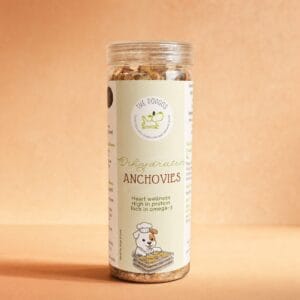
- Balance Omega-6 with Omega-3: Every chicken meal *must* be balanced. Our Hemp Seed Oil is a powerhouse of Omega-3s and a rare anti-inflammatory Omega-6 called GLA. It’s direct medicine for dry, cracking paws, dandruff, and those ‘unexplained’ hot spots. Alternatively, our Dehydrated Anchovies are a fantastic source of DHA for brain health and skin/coat. They’re not “toppers”; they are “balancers.”
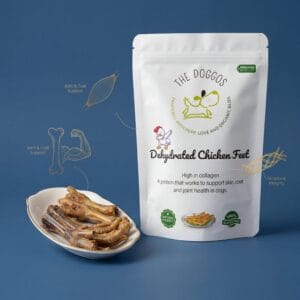
- Ensure Proper Calcium:Phosphorus Ratio (1.2:1): A boneless home diet (just chicken + rice) will leach calcium from your dog’s own bones over time, leading to serious skeletal issues like Osteopenia and “Rubber Jaw” syndrome. You *must* add calcium. Safe options include our Dehydrated Chicken Feet or Dehydrated Whole Quail, which provide absorbable calcium safely (they crumble, not splinter). Eggshell powder or calcium citrate are also options.
Recipe Idea: The “Shiny Coat Cocker Bowl”
This recipe is designed to nourish your Cocker Spaniel’s skin and coat from within, tackling those common Indian dietary pitfalls.
Ingredients:
- 500g chicken thighs (bone-in, skin-on for taurine – crucial for heart health)
- 50g chicken liver (Vitamin A, essential for skin cell turnover)
- 100g red pumpkin (fibre, Beta-carotene for coat lustre)
- 1 tsp turmeric paste (natural anti-inflammatory)
- 1-2 tbsp Hemp Seed Oil (dosage depends on dog’s weight, check product label)
- 1-2 Dehydrated Chicken Feet (for calcium + glucosamine)
Method:
- Wash chicken and liver thoroughly, optionally with turmeric water for extra antiseptic benefits. (Just a little extra care, you know?)
- Combine chicken, liver, pumpkin, and turmeric paste in a pressure cooker. Add enough water to just cover the ingredients.
- Pressure cook for 2-3 whistles.
- Once cooled, DEBONE the chicken meticulously. Mash the pumpkin into the broth.
- Mix in the Hemp Seed Oil.
- Serve with the Dehydrated Chicken Feet on the side as a crunchy, calcium-rich chew.
Why this works: This meal provides high-quality protein, essential vitamins, balanced fats, and crucial calcium. All in a safe, digestible format that really promotes a healthy, shiny coat and robust skin barrier.
Tackling Common Cocker Spaniel Skin Issues with a Desi Carnivore Approach
Despite your best efforts, Cocker Spaniels can still face specific skin challenges. Here’s how to approach them holistically.
Hot Spots (Acute Moist Dermatitis)
These red, angry, often oozing lesions appear suddenly and can spread rapidly.
- Immediate Action: Clip the hair around the hot spot to allow it to breathe. Gently clean with an antiseptic solution (like diluted povidone-iodine).
- Dietary Intervention: Hot spots are often triggered by allergies or inflammation. Revisit your Omega-6:3 balance. Increase Hemp Seed Oil intake.
- Topical Solution: Our Baobab Oil is a game-changer here. Unlike heavy oils that sit on the surface, Baobab Oil absorbs deep into the epidermis, healing from within. I’ve seen hot spots dry up within 24 hours with consistent application. It’s quite amazing.
Chronic Ear Infections
Often caused by yeast or bacteria thriving in the warm, moist environment of their floppy ears.
- Grooming: Meticulous ear cleaning and ensuring airflow (as discussed above) are paramount.
- Dietary Link: Yeast overgrowth can be exacerbated by high-carb diets (kibble, excessive rice/roti) which feed yeast. A fresh, protein-rich diet helps starve yeast.
- Omega-3s: The anti-inflammatory properties of Hemp Seed Oil can reduce the underlying inflammation that makes ears more susceptible to infection.
Dry, Flaky Skin & Dandruff
- Hydration: Ensure your dog is well-hydrated. Fresh food, being 70% water, contributes significantly.
- Essential Fatty Acids: This is almost always an EFA deficiency or imbalance. Regular supplementation with Hemp Seed Oil will make a visible difference. Its GLA content directly nourishes the skin barrier.
- Topical: A light application of Baobab Oil can moisturise and soothe dry patches.
Allergies & Persistent Itching
- Elimination Diet: If food allergies are suspected, try an elimination diet with a novel protein. Our Dehydrated Whole Quail is an excellent hypoallergenic option. Its feathers also act as a natural “colon sweep” to help with anal gland expression, often linked to scooting and itching.
- Baobab Powder: A pinch of Baobab Powder (available via our grooming range) is packed with Vitamin C (5-6x more than oranges!) which fuels collagen synthesis for stronger skin and a massive immune shield. It’s also a prebiotic, helping to balance gut flora.
- Avoid Common Allergens: Beyond diet, think about environmental allergens. Regular cleaning of bedding, avoiding harsh chemical cleaners, and ensuring good air quality in your home can help.
Supplements & Functional Treats: Your Cocker Spaniel’s Allies
Beyond the daily meal, certain additions can supercharge your Cocker Spaniel’s skin and coat health. These aren’t just “toppers”; they are targeted functional medicine.
| Product | Key Benefit for Skin & Coat | Why it Matters for Cocker Spaniels |
|---|---|---|
| Hemp Seed Oil | Anti-inflammatory Omega-3s & GLA, skin barrier support | Directly combats Omega-6 inflammation, reduces itching, treats dry skin/dandruff. Essential for sensitive skin. |
| Baobab Oil | Deeply absorbing, healing fatty acids (Palmitic, Oleic) | Topical healing for hot spots, fungal infections, hyperkeratosis (crusty nose), and dry patches. Mimics skin’s natural lipids. |
| Dehydrated Anchovies | Rich in DHA & EPA Omega-3s | Balances Omega-6s, supports healthy skin, shiny coat, and cognitive function. Great for vegetarian households where cooking fish is a challenge. |
| Dehydrated Chicken Feet | Natural Glucosamine & Chondroitin, Calcium | Joint support (important for active Cockers), dental health, and safe calcium source for strong bones and overall vitality. |
| Dehydrated Whole Quail | Novel protein, Manganese, Keratin (feathers) | Excellent for elimination diets for allergic dogs. Manganese protects ligaments. Feathers act as a “colon sweep” for anal gland health, reducing scooting-related skin irritation. |
| Baobab Paw & Nose Balm | Deeply moisturising & healing | Specifically targets cracked paws, hyperkeratosis of the nose, and provides a protective barrier against Indian weather conditions. |
Common Mistakes Indian Dog Parents Make with Cocker Spaniels
- Feeding a Boneless Diet: Just chicken and rice without a calcium source is a recipe for disaster. It leads to calcium leaching from their bones, which impacts overall health, including skin and coat quality. Remember, meat gives phosphorus, bone gives calcium. Get that 1.2:1 ratio right with safe dehydrated bones.
- Ignoring the Omega-6:3 Imbalance: Mistaking Omega-6 inflammation for “heat” from chicken. This leads to parents stopping chicken altogether, depriving their dog of essential protein, instead of simply balancing the fats with Hemp Seed Oil or anchovies.
- Over-Bathing or Using Wrong Products: Stripping natural oils with harsh shampoos or bathing too frequently, leading to dry, irritated skin.
- Neglecting Ear Care: Those floppy ears *will* get infected if not cleaned and aired regularly. It’s not a “maybe,” it’s a “when.”
- Relying Solely on Topical Solutions: Trying to fix skin issues with endless creams and sprays without addressing the underlying dietary causes. Skin issues are often a window into internal health.
- Feeding Kibble as a Primary Diet: Kibble is highly processed, low in moisture (only 10% water vs fresh food’s 70%), and often loaded with inflammatory grains and poor-quality fats. It’s a key contributor to many chronic skin issues. Fresh food means 90-94% digestibility versus kibble’s ~80%, meaning more nutrients absorbed for a healthier coat.
Frequently Asked Questions About Cocker Spaniel Grooming & Skin Care in India
Q1: How often should I groom my Cocker Spaniel in India?
A1: Look, a Cocker Spaniel in India needs daily brushing to prevent matting. Ear cleaning should be every other day, nail trimming every 2-4 weeks, and bathing every 2-4 weeks or when they’re visibly dirty, using a gentle shampoo, of course. Consistent care is absolutely key because of their specific coat type and our humid climate.
Q2: My Cocker Spaniel has constant ear infections. What can I do?
A2: Chronic ear infections in Cocker Spaniels often happen because of poor airflow and moisture in their floppy ears. This gets worse with underlying inflammation or yeast overgrowth, often from a high-carb diet. Beyond just cleaning diligently and making sure their ears are dry, think about adding Hemp Seed Oil to their diet to cut down on inflammation. And transition them to a fresh, species-appropriate diet (like our “Shiny Coat Cocker Bowl” recipe) to basically starve that yeast.
Q3: Is it safe to feed chicken to my Cocker Spaniel if they have skin issues?
A3: Yes, chicken is a super digestible protein! That “heat” you see (rashes, itching) is almost always because of the Omega-6:3 imbalance in commercial Indian chicken, not the protein itself. So, keep feeding gently cooked chicken, but you *must* add a good source of Omega-3s like Hemp Seed Oil or Dehydrated Anchovies to every chicken meal. It’s non-negotiable for balancing those fats and reducing inflammation.
Q4: What’s the best way to deal with dry, flaky skin on my Cocker Spaniel?
A4: Dry, flaky skin usually points to a lack of essential fatty acids. Make sure their diet is balanced with Omega-3s from sources like Hemp Seed Oil. You’ll see a big difference. For topical relief, our Baobab Oil or Baobab Paw & Nose Balm can give deep, lasting hydration that really mimics the skin’s natural lipid barrier.
Q5: Can diet really impact my Cocker Spaniel’s coat lustre?
A5: Absolutely! A dull, dry coat is a classic sign of nutritional deficiencies or imbalances. A diet rich in high-quality protein, balanced fats (especially Omega-3s), and essential vitamins (like Vitamin A from liver) will directly translate to a shiny, healthy, and resilient coat. Fresh food just offers superior digestibility, meaning more nutrients get absorbed for that enviable lustre.
For more breed-specific tips, check out our guide to Best Dehydrated Treats for Cocker Spaniels in India and Best Supplements for Cocker Spaniels in India.
Disclaimer: I am a certified canine nutritionist. The information provided here is for educational purposes and reflects the Desi Carnivore method. While I have seen incredible results with this approach, always monitor your dog closely and consult your vet for any acute medical conditions or emergencies.