
Every Indian dog parent knows the monsoon brings not just chai and pakoras, but also a surge in those unwelcome, creepy-crawly guests: ticks and fleas. You’ve probably tried everything from chemical spot-ons to expensive collars, only to find them back, sometimes worse than before. It’s frustrating, disheartening, and frankly, a sign that we’re looking in the wrong direction for solutions.
The most effective way to naturally keep ticks and fleas at bay for your dog in India involves a holistic approach: strengthening your dog’s internal immunity through a species-appropriate raw diet, maintaining a clean home environment, regular natural grooming, and strategic use of safe, plant-based repellents like neem, certain essential oils, and apple cider vinegar, steering clear of harsh chemicals.
The Real Enemy: Understanding Ticks, Fleas, and Why Chemicals Fail
Let’s get one thing straight: ticks and fleas are not just a nuisance. They are formidable foes that can wreak havoc on your dog’s health, causing everything from mild irritation to life-threatening diseases. In a country like India, with its tropical and subtropical climates, these parasites thrive year-round, making prevention an absolute non-negotiable.
The Silent Threat: More Than Just an Itch
Fleas, those tiny, jumping terrors, can lay up to 50 eggs a day, leading to a rapid infestation that can overwhelm your home and your dog in no time. Their bites cause intense itching, leading to skin irritation, hair loss, and secondary bacterial infections. Some dogs even develop Flea Allergy Dermatitis (FAD), where a single bite can trigger severe allergic reactions.
Ticks, on the other hand, are slow-moving but far more sinister. They latch onto your dog, engorging themselves with blood, and in the process, transmit a host of dangerous diseases prevalent in India. Think of canine tick-borne diseases like:
- Babesiosis: Affects red blood cells, leading to anaemia, fever, and lethargy.
- Ehrlichiosis: Targets white blood cells, causing fever, joint pain, nosebleeds, and chronic inflammation.
- Anaplasmosis: Similar to Ehrlichiosis, with symptoms like lameness, fever, and loss of appetite.
- Lyme Disease: Though less common in India compared to Western countries, it can still occur, causing lameness, joint swelling, and fever.
These diseases aren’t just scary; they can be fatal if not diagnosed and treated promptly. And let’s not forget that ticks can also transmit diseases to humans, making them a public health concern, especially for families with children.
The Chemical Conundrum: Why We Need a Natural Shift
For decades, the standard approach to tick and flea control has been a cocktail of synthetic chemicals: spot-ons, oral medications, dips, and collars. While these might offer a quick kill, I’m here to tell you that they come at a steep price for your dog’s long-term health and, frankly, are often just a band-aid solution.
Many conventional treatments contain neurotoxins designed to kill parasites. The problem? These toxins don’t just affect ticks and fleas; they are absorbed into your dog’s bloodstream and can have detrimental effects on their nervous system, liver, and kidneys. I’ve seen countless dogs come in with unexplained lethargy, skin sensitivities, gastrointestinal issues, and even behavioural changes, all linked to chronic exposure to these chemical treatments.
Moreover, parasites are incredibly resilient. They develop resistance to these chemicals over time, rendering your expensive treatments ineffective. It’s a never-ending cycle of stronger chemicals, more side effects, and less overall protection. It’s time to ditch this outdated approach and embrace the wisdom of nature.
Comparison: Chemical vs. Natural Tick & Flea Control
Let’s look at why a natural approach isn’t just an alternative, but a superior choice for your dog.
| Feature | Chemical Control (Spot-ons, Oral Meds) | Natural Control (Holistic Approach) |
|---|---|---|
| Mechanism | Neurotoxins, systemic poisons, growth inhibitors | Repellent action, immunity boost, environmental disruption |
| Safety for Pet | Potential for side effects (neurological, liver, kidney damage), allergic reactions, skin irritation. | Generally safe when used correctly, minimal to no systemic side effects. |
| Safety for Humans/Environment | Residues can be harmful to children and other pets. Environmental contamination. | Non-toxic, safe for family and home environment. Biodegradable. |
| Efficacy | Initially high, but resistance develops over time, leading to reduced effectiveness. | Consistent and sustainable, focuses on prevention and building resilience. Requires diligence. |
| Cost | High recurring cost for monthly/quarterly treatments. | Lower long-term cost, uses readily available and affordable ingredients. |
| Long-term Health Impact | Can compromise liver/kidney function, weaken immune system over time. | Enhances overall health, strengthens immunity, promotes natural balance. |
| Philosophy | Treat the symptom (kill parasites). | Address the root cause (build a healthy, pest-resilient host and environment). |
The Foundation: Building Immunity from Within with a Carnivore Diet
Here’s the truth: a healthy dog, one whose immune system is robust, is far less attractive to parasites. Just like a strong human body can ward off colds, a dog fed a species-appropriate diet can naturally resist infestations and recover faster from bites. This is where ditching the kibble and unleashing the natural truly comes into play.
Why a Species-Appropriate Diet Matters
Dogs are carnivores. Their digestive systems are designed for raw meat, bones, and organs – not grains, fillers, and synthetic vitamins found in processed kibble. A diet rich in biologically appropriate nutrients strengthens their skin barrier, balances their gut microbiome, and supercharges their immune response. When your dog is thriving on raw, their natural scent profile changes, making them less appealing to pests.
Kibble, on the other hand, often contains inflammatory ingredients, lacks vital enzymes, and puts a constant strain on your dog’s system, weakening their natural defences. A dog with compromised immunity is essentially a buffet for ticks and fleas.
The Power of Omega-3s and Nutrient-Dense Organs
To truly build that internal fortress, focus on these dietary heroes:
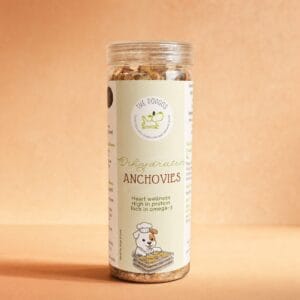
- Omega-3 Fatty Acids: These are anti-inflammatory powerhouses. They support a healthy skin barrier, reduce itching from bites, and promote a lustrous coat. Sources like small fatty fish (sardines, anchovies) are excellent. Our Dehydrated Anchovies are a fantastic, natural source of these essential fats.
- Nutrient-Dense Organs: Liver, heart, and kidney are superfoods for dogs. They are packed with vitamins (A, B, D, E, K), minerals (iron, zinc, selenium), and amino acids that are crucial for immune function, skin health, and overall vitality. Incorporating our Dehydrated Organ Treats into their diet is an easy way to provide this nutrient boost.
- Fresh, Raw Meat & Bones: The cornerstone of a carnivore diet. Provides complete protein, natural calcium, and phosphorus, essential for strong bones and a healthy metabolism.
Environmental Warfare: Making Your Home a No-Pest Zone
Even the healthiest dog can pick up ticks and fleas from their environment. In India, where outdoor spaces are often teeming with life, creating a pest-free zone at home is critical. This isn’t just about your dog; it’s about your family’s health too.
Regular Cleaning: Your First Line of Defence
Fleas spend most of their life cycle off the host. Eggs, larvae, and pupae hide in carpets, cracks, bedding, and garden soil. Ticks often drop off after feeding to moult or lay eggs. Your cleaning routine needs to be meticulous.
- Vacuuming: This is your best friend. Vacuum carpets, rugs, upholstery, and especially your dog’s favourite sleeping spots daily or every other day. Pay attention to crevices and under furniture. Immediately dispose of the vacuum bag contents outside your home in a sealed bin.
- Washing Bedding: Wash your dog’s bedding, blankets, and any fabrics they frequently lie on in hot water (at least 60°C) weekly.
- Floor Cleaning: Sweep and mop hard floors regularly. Consider adding natural repellents to your cleaning water.
- Outdoor Areas: Keep your garden tidy. Mow lawns short, trim bushes, and remove leaf litter where ticks and fleas love to hide. Consider treating outdoor areas with natural deterrents like diatomaceous earth (food grade) or neem cake.
Tackling Indian Climate Challenges
The Indian climate presents unique challenges. The humidity and warmth, especially during monsoon, create ideal breeding grounds. This means your environmental control efforts need to be consistent and strategic.
- Monsoon Vigilance: Be extra diligent during the rainy season. Ticks and fleas flourish in damp conditions. After walks, always inspect your dog thoroughly, especially if you’ve been to parks or bushy areas.
- Outdoor Drainage: Ensure proper drainage in your garden to reduce damp spots.
- Sunlight: Where possible, allow sunlight into your dog’s sleeping areas and outdoor spaces. Sunlight is a natural deterrent to many pests.
Natural Home Sprays and Diffusers
Instead of chemical bombs, use natural deterrents to make your home less inviting to pests.
- Neem-based Floor Cleaners: Incorporate neem oil into your floor cleaning routine. It’s a powerful natural insecticide and repellent.
- Essential Oil Diffusers: Certain essential oils, when diffused safely, can deter pests. Good options include lemongrass, cedarwood, and peppermint. Always ensure good ventilation and keep diffusers out of your dog’s direct vicinity. Remember, dogs have a much stronger sense of smell than humans, so less is more.
- Indoor Plant Power: Certain plants like lemongrass, citronella, and marigolds can help deter pests around your home and garden.
For more on keeping your home clean naturally, check out our blog on How important is using Toxic free & Natural ingredients in floor cleaners.
Topical Tactics: Safe & Effective Natural Repellents
While internal health and environmental control are paramount, topical applications provide an extra layer of defence, acting as natural repellents that make your dog less appealing to pests.
The Power of Neem: India’s Ancient Remedy
Neem (Azadirachta indica) is a powerhouse from Ayurveda, revered for its medicinal properties for centuries. For pest control, it’s a game-changer. Neem oil contains azadirachtin, a potent natural insecticide and repellent that disrupts the life cycle of ticks and fleas without harming your dog.
- Neem Oil Spray: Mix 5-10 ml of pure, cold-pressed neem oil with 1 litre of water and a few drops of mild, natural soap (as an emulsifier). Shake well and spray lightly on your dog’s coat, avoiding eyes and mouth. You can also spray this mixture on bedding and outdoor areas.
- Neem Powder: Dust a small amount of neem powder directly onto your dog’s coat and rub it in, especially around the neck, tail base, and ears. Repeat a few times a week.
- Neem Shampoo: Look for natural dog shampoos that contain neem extract, or add a few drops of neem oil to your regular natural dog shampoo.
Essential Oils: Handle with Care
Some essential oils are known for their repellent properties. However, they are highly concentrated and must be used with extreme caution and proper dilution, especially with dogs. Never apply undiluted essential oils directly to your dog’s skin.
- Lavender Oil: Known for its calming properties, it also has mild repellent effects.
- Peppermint Oil: A strong scent that many insects dislike.
- Eucalyptus Oil (Eucalyptus Globulus or Radiata): Can be effective, but use with extreme caution and in very low dilutions due to potential toxicity.
- Geranium Oil (Pelargonium graveolens): Often used in commercial natural repellents.
- Cedarwood Oil: A good option for deterring fleas and ticks.
- Lemongrass Oil: Similar to citronella, has strong repellent properties.
⚠️ Important Essential Oil Safety Warnings:
- Dilution is KEY: Always dilute essential oils significantly in a carrier oil like Baobab Oil, coconut oil, or almond oil. A general guideline is 1-2 drops of essential oil per 30ml of carrier oil for topical application on dogs.
- Avoid Eyes, Nose, Mouth, Genitals: Never apply near these sensitive areas.
- Patch Test: Always do a small patch test on a less sensitive area (like the back of the neck) to check for any reaction before full application.
- Observe Your Dog: Watch for any signs of discomfort, skin irritation, excessive licking, drooling, or lethargy. If observed, wash off immediately and discontinue use.
- No Ingestion: Do not let your dog ingest essential oils.
- Consult a Professional: If unsure, consult a holistic vet or certified aromatherapist experienced with animals.
- Avoid Tea Tree Oil: This oil is highly toxic to dogs.
Apple Cider Vinegar (ACV): The Versatile Household Hero
ACV is another natural marvel. Its slightly acidic nature creates an environment that ticks and fleas dislike, making your dog’s skin less hospitable. It also helps balance skin pH and can soothe irritated skin.
- ACV Topical Spray: Mix equal parts organic, unfiltered ACV with water in a spray bottle. Spritz your dog’s coat lightly, especially before walks, avoiding eyes and open wounds. Allow to air dry.
- ACV in Drinking Water (Minimal): A very small amount (e.g., 1 teaspoon per litre) can be added to your dog’s drinking water to slightly alter their skin pH and scent, making them less appealing to pests. However, always introduce gradually and ensure your dog is still drinking enough water. If they refuse, don’t force it.
Lemon & Citrus Sprays
Citrus, particularly lemon, contains d-limonene, a natural insect repellent. This is a gentler option than some essential oils.
- Lemon Peel Infusion: Slice 2-3 lemons and place them in a pot with 500ml of water. Bring to a boil, then simmer for 10 minutes. Let it steep overnight. Strain the liquid, transfer to a spray bottle, and use as a repellent spray on your dog’s coat (avoiding eyes) and bedding. Store in the fridge for up to a week.
Grooming for Guardianship: Your Dog’s Outer Shield
Regular grooming isn’t just about making your dog look good; it’s a critical component of natural tick and flea prevention. It allows for early detection and removal, and helps maintain a healthy skin and coat that acts as a natural barrier.
Regular Brushing and Inspection
This is your daily ritual, especially after outdoor excursions. Use a fine-toothed flea comb to check your dog’s coat thoroughly. Pay close attention to warm, hidden areas:
- Behind the ears
- Under the collar
- Armpits and groin area
- Between paw pads
- Around the tail base
If you find a tick, remove it carefully with fine-tipped tweezers, grasping it as close to the skin as possible and pulling straight upwards with steady pressure. Dispose of it safely (e.g., in rubbing alcohol). If you find fleas or “flea dirt” (black specks that turn reddish-brown when wet), it’s time for a bath.
Regular brushing also stimulates blood flow, distributes natural oils, and removes loose hair, making it harder for pests to cling on. For dogs prone to itching or skin issues post-bites, consider supplementing with Hemp Seed Oil, which is excellent for inflammation and coat health.
Natural Baths: Choosing the Right Cleanser
Bathing helps wash away fleas, flea eggs, and any lingering debris. But don’t reach for chemical-laden shampoos that strip natural oils and irritate your dog’s skin. Opt for natural, chemical-free options.
- Sulphate-Free Shampoos: Harsh sulphates can dry out the skin and compromise the skin barrier.
- Ingredients to Look For: Neem, oatmeal, aloe vera, and mild essential oils (like lavender) are great additions to a natural dog shampoo.
- The Doggos Natural Grooming Range: Our Natural Grooming Range is specifically formulated with chemical-free ingredients to cleanse gently, soothe the skin, and support a healthy coat without introducing toxins.
After bathing, always ensure your dog is thoroughly dry, especially in humid Indian weather, to prevent fungal infections, which can exacerbate skin irritation from bites. For more insights on natural grooming, read Why Dog Grooming Needs to Go Natural (and Why Baobab Oil Rocks!).
Practical Action Plan: Your Desi Carnivore’s Monthly Tick & Flea Protocol
Consistency is key when it comes to natural pest control. Here’s a practical, month-by-month protocol for Indian dog parents:
Weekly Checklist
- Daily Inspection: After every walk, especially if you’ve been to a park or garden, do a quick visual check and run your hands over your dog’s coat. Pay attention to hotspots.
- Flea Comb Session: 2-3 times a week, use a fine-toothed flea comb, especially around the neck, tail, and belly. Have a bowl of soapy water ready to dunk any fleas you find.
- Bedding Wash: Wash all dog bedding, blankets, and fabric toys in hot water.
- Vacuum & Mop: Thoroughly vacuum carpets, rugs, and upholstery. Mop hard floors, ideally with neem-infused water.
- Repellent Refresh: Reapply your chosen natural repellent spray (neem, ACV, lemon) 2-3 times a week, or before going to high-risk areas.
Monthly Deep Clean & Health Boost
- Full Grooming Session: Give your dog a bath with a natural, chemical-free shampoo. Follow up with a thorough inspection. Consider using Baobab Oil as a post-bath massage to soothe skin and condition the coat.
- Garden Tidy: Trim overgrown bushes, mow the lawn, and clear leaf litter in your garden.
- Dietary Check: Ensure your dog’s raw diet is consistent and includes nutrient-dense additions like Dehydrated Organ Treats and Dehydrated Anchovies for optimal immunity.
- Home Pest Survey: Check dark corners, cracks, and under furniture for any signs of flea activity.
DIY Neem & Essential Oil Repellent Spray Recipe
Here’s my favourite recipe for a potent yet safe natural repellent:
Ingredients:
- 1 cup distilled water
- 1/2 cup organic Apple Cider Vinegar
- 1 teaspoon pure, cold-pressed Neem Oil
- 5 drops Lavender essential oil (optional, for scent and mild repellent)
- 3 drops Cedarwood essential oil (optional, good repellent)
- 1/2 teaspoon natural, unscented liquid soap or castile soap (as an emulsifier)
- Empty spray bottle
Instructions:
- Combine water and ACV in the spray bottle.
- In a separate small bowl, mix the neem oil, essential oils (if using), and liquid soap. The soap helps the oils disperse evenly in the water.
- Add the oil-soap mixture to the spray bottle.
- Shake well before each use to ensure ingredients are properly mixed.
- To Use: Lightly mist your dog’s coat, focusing on their back, legs, and belly, avoiding their face and genitals. You can also spray it on their bedding. Reapply every 2-3 days or before outdoor activities.
- Storage: Store in a cool, dark place. Best used within 2-3 weeks.
Common Mistakes Indian Dog Parents Make in Tick & Flea Control
Even with the best intentions, many Indian dog parents fall into common traps when trying to keep their furry friends pest-free. As a canine nutritionist, I’ve seen these mistakes lead to chronic issues and frustration.
- Ignoring the Diet-Immunity Connection: This is my biggest pet peeve. Many rely solely on external treatments while feeding a diet of processed kibble and roti. A dog on a nutrient-deficient diet will always be more susceptible to parasites, skin issues, and prolonged recovery from bites. You cannot spray away a weak immune system.
- Over-relying on Chemical Quick Fixes: The allure of a “one-and-done” chemical spot-on or tablet is strong, especially in a busy household in Mumbai or Bangalore. But these chemicals are not harmless. They burden your dog’s liver, kidneys, and nervous system, leading to long-term health problems and often, resistant pests.
- Improper Use of Natural Remedies: Just because it’s natural doesn’t mean it’s foolproof. Using undiluted essential oils, applying too much, or using oils toxic to dogs (like tea tree) can cause severe reactions. Similarly, not diluting ACV or neem oil sufficiently can irritate sensitive skin.
- Neglecting Environmental Control: Many focus only on the dog, forgetting that the majority of the flea life cycle happens in your home and garden. If you’re not regularly vacuuming, washing bedding, and tidying outdoor spaces, you’re fighting a losing battle, especially in India’s humid climate.
- Skipping Regular Inspection & Grooming: “My Indie dog’s coat is short, so I don’t need to brush much.” This is a common misconception. All dogs need regular inspection and grooming. Ticks can hide anywhere, and early detection is crucial for preventing disease transmission. Neglecting this simple step allows infestations to take hold.
- Using Human Products or Unsafe Remedies: “My grandmother used this oil for my hair, it must be good for the dog too.” While traditional remedies are valuable, not everything is safe for dogs. Always verify ingredients and dilution, and remember that a dog’s physiology is different from a human’s.
Frequently Asked Questions About Natural Tick & Flea Prevention
As Mahiv Amit Chhabra, I get asked these questions all the time:
Q1: Can a raw diet alone prevent ticks and fleas?
A1: While a species-appropriate raw diet significantly boosts your dog’s immune system and makes them less attractive to parasites, it is not a standalone solution. A robust immune system is the foundation, but it must be combined with environmental control, regular grooming, and safe topical repellents for comprehensive protection, especially in India’s high-risk areas.
Q2: Are essential oils safe for dogs for tick and flea prevention?
A2: Some essential oils can be safe and effective as repellents when used with extreme caution and proper dilution. Oils like lavender, cedarwood, and lemongrass are often used. However, they must always be heavily diluted in a carrier oil like Baobab Oil and never applied undiluted. Certain oils, like tea tree oil, are highly toxic to dogs and must be avoided. Always perform a patch test and observe your dog for any adverse reactions.
Q3: How often should I apply natural tick and flea repellents to my dog in India?
A3: The frequency depends on your dog’s exposure level, the specific repellent used, and the season. In high-risk seasons like monsoon or if your dog spends a lot of time outdoors, you might need to apply a natural spray (like neem or ACV) every 2-3 days. For general maintenance, 1-2 times a week might suffice. Always monitor your dog and adjust as needed.
Q4: What if my dog already has a heavy tick or flea infestation? Can natural methods still help?
A4: For a heavy infestation, natural methods can definitely help in the long run, but you might need a more immediate intervention to get the situation under control quickly. Start with a thorough natural bath to remove as many parasites as possible. Immediately implement the comprehensive natural protocol (diet, environment, topical). In very severe cases, especially if your dog is showing signs of illness, consult a holistic vet for guidance on safe initial clean-up, then transition fully to natural prevention.
Q5: Is it possible to completely eliminate ticks and fleas from my home and dog naturally?
A5: While complete elimination can be challenging in a tropical climate like India, a consistent and holistic natural approach can drastically reduce and maintain a very low pest population. The goal is not just to kill, but to create an environment where ticks and fleas cannot thrive on your dog or in your home. With diligence, you can achieve a virtually pest-free existence for your dog naturally.
It’s time to stop the chemical cycle and empower your dog’s natural defences. At The Doggos, we believe in providing everything your Desi Carnivore needs to thrive, naturally. From strengthening their immunity with nutrient-dense Dehydrated Organ Treats and Dehydrated Anchovies, to protecting their skin with our healing Baobab Oil and soothing Natural Grooming Range, we’re here to support your journey to a healthier, happier, pest-free dog. Choose natural, choose health, choose The Doggos.