
The sleek, intelligent Indian Billi cat, a common sight in homes across our country, brings immense joy. But are we truly understanding their ancient, carnivorous needs? Many Indian cat parents inadvertently fall into the trap of feeding a diet more suited for humans, or worse, relying solely on commercial dry foods that miss the mark entirely.
Quick Answer: Essential Indian Billi Cat Care
Optimal Indian Billi cat care requires a species-appropriate diet of gently cooked meat, rich in taurine and balanced nutrients. Due to Indian market hygiene, cooking meat is safer than raw. Always debone after cooking. Supplementing with organ boosts provides essential vitamins and minerals for your desi feline’s strong health.
Understanding Your Indian Billi Cat: Biological Needs
Our Indian Billi cats, like all felines, are obligate carnivores. This isn’t just a preference; it’s a biological imperative. Their bodies are designed to derive all essential nutrients from animal tissue.
The Obligate Carnivore’s Digestive System
Unlike dogs, who are carnivores but can adapt to some plant matter, cats have an even more specialised digestive system. Their short intestinal tract is built for rapid processing of animal proteins and fats, not for breaking down complex carbohydrates or plant fibres. This means they cannot efficiently digest grains, fruits, or vegetables.
A cat’s stomach pH is highly acidic (around pH 1-2), perfect for dissolving meat and bone, and for killing bacteria found in their natural prey. However, a diet high in carbohydrates can raise this pH, making them more susceptible to digestive upset and bacterial overgrowth.
Why Taurine is Non-Negotiable for Felines
Taurine is an amino acid absolutely vital for cats, and their bodies cannot synthesise enough of it from other amino acids. This makes it an ‘essential’ amino acid for them. A taurine deficiency can lead to severe health issues:
- Dilated Cardiomyopathy (DCM): A life-threatening heart condition where the heart muscle weakens and enlarges.
- Feline Central Retinal Degeneration: Leads to irreversible blindness.
- Reproductive Failure: Poor litter sizes and kitten development.
- Poor Immune Function: Increased susceptibility to infections.
Taurine is found almost exclusively in animal proteins, especially muscle meat, hearts, and livers. This is why a vegetarian diet for cats is not just unhealthy; it’s dangerous and inhumane.
Feeding Your Indian Billi Cat: The Desi Carnivore Way
At The Doggos, my philosophy, “Cook the Meal, Dehydrate the Bone,” applies just as strongly to our feline friends. While the concept of raw feeding sounds biologically ideal, the practical realities of Indian wet markets and household hygiene make it a significant risk.
Cook the Meat, Never Cooked Bones (for cats too!)
For your Indian Billi cat, gently cooking the meat is the safest approach. This eliminates common pathogens like Salmonella and E.coli, which are prevalent in our humid Indian climate and local meat markets. I recommend:
- Wash meat thoroughly, perhaps with a turmeric water rinse for natural antiseptic properties.
- Pressure cook boneless chicken, goat, or fish for 2-3 whistles until well-cooked.
- Always ensure the meat is completely deboned after cooking. Cooked bones become brittle and can splinter, causing fatal internal injuries.
The Hygiene Gap: Why Raw Doesn’t Work in India
I cannot stress this enough: The romantic ideal of raw feeding does not translate safely to most Indian households. The bacterial load on meat from our local wet markets, combined with high humidity, creates a perfect breeding ground for pathogens. Even if your cat’s stomach acid can handle it, the risk of cross-contamination in your home is too high. Your cat might drag a raw piece onto your rug, then rub against your leg or lick your face. For me, as a canine nutritionist, this is an ethical line I will not cross for our pets’ safety and yours.
Balancing the Bowl: More Than Just Meat
While meat is paramount, a complete diet needs balance. Just feeding cooked chicken breast isn’t enough. Cats need a precise balance of calcium to phosphorus (1.2:1) and essential vitamins and minerals, many of which are concentrated in organs.
- Organ Meat: Liver (Vitamin A), heart (taurine), kidney (B vitamins) are nutrient powerhouses.
- Omega-3 Fatty Acids: Crucial for skin, coat, and brain health. Commercial chicken, often corn and soy-fed, has a poor Omega-6:3 ratio, which can lead to inflammation.
The Doggos’ Solution: Essential Supplements for Indian Billi Cats
Ensuring your Billi cat gets all the necessary nutrients, especially taurine and organ-specific vitamins, can be challenging with home-cooked meals alone. This is where targeted supplementation becomes invaluable.
The Power of Dehydrated Bone and Organ Boost
For full Indian Billi cat care, I strongly recommend our Dehydrated Bone and Organ Boost. This blend is specifically formulated to fill the nutritional gaps in a home-cooked diet.
- Taurine Rich: Packed with heart and other organs, it provides the vital taurine your cat needs to prevent heart disease and blindness.
- Balanced Minerals: Contains natural bone meal, ensuring the correct calcium-to-phosphorus ratio crucial for strong bones and teeth.
- Vitamin Powerhouse: Organs like liver are rich in Vitamin A, B vitamins, and iron, boosting immunity and overall vitality.
- Convenient & Safe: Simply sprinkle over your cat’s cooked meal. No cooking, no mess, just pure nutrition. It’s especially useful for cat parents who prefer not to handle raw organs.
Adding this boost daily changes a simple meat meal into a complete, species-appropriate diet for your Billi cat.
Practical Feeding Guide: A Week with Your Billi
Here’s a simple template for feeding your Indian Billi cat a balanced home-cooked diet, incorporating the principles of The Desi Carnivore Method:
Daily Meal (twice a day):
- Protein Base: 70-80% gently cooked (deboned) chicken, goat, or fish.
- Organ Boost: Sprinkle 1/2 to 1 teaspoon of Dehydrated Bone and Organ Boost per meal, depending on your cat’s weight and activity level.
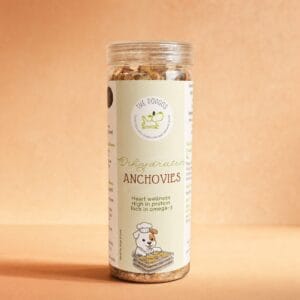
- Omega-3 Source: A pinch of crushed Dehydrated Anchovies or a few drops of salmon oil for healthy fats.
- Water: Always ensure fresh, clean water is available. Cats on fresh food often drink less because their food is naturally hydrating (around 70% water vs. 10% in kibble).
Sample Week:
- Monday, Wednesday, Friday: Cooked Chicken (deboned) + Organ Boost + Anchovies
- Tuesday, Thursday: Cooked Goat (deboned) + Organ Boost + Anchovies
- Saturday, Sunday: Cooked Fish (like Bombay Duck or Sardines) + Organ Boost
Remember to introduce any new food slowly over 7 days to avoid digestive upset. Start with a small amount and gradually increase while reducing the old food.
Common Mistakes Indian Cat Parents Make
It’s easy to make mistakes with the best intentions. Here are some common pitfalls I see in Indian cat households:
- Feeding Cooked Bones: This is the most dangerous mistake. As discussed, cooked bones splinter. Always debone after cooking.
- Excessive Grains/Carbs: Roti, rice, bread, or kibble as the primary diet. Cats cannot digest these efficiently, leading to strain on their pancreas, poor nutrient absorption, and potential diabetes. Just like dogs, a cat’s saliva has no amylase, making grain digestion difficult. If you’re feeding rice, keep it to a bare minimum, not more than 5-10% of the bowl.
- Milk/Dairy Overload: While a little curd can offer probiotics, many cats are lactose intolerant. Too much milk can cause diarrhoea.
- Ignoring Taurine: Assuming a meat-based diet is enough. Without organ meats or specific supplementation, taurine deficiency is a real risk.
- Treating Cats Like Small Dogs: Their nutritional needs are different. For example, cats metabolise certain compounds differently (e.g., some essential oils are toxic to cats).
- Not Rotating Proteins: Sticking to only chicken can lead to nutrient deficiencies and potential allergies over time. Offer variety with goat, fish, or quail.
In my years as a canine nutritionist, I’ve seen countless cases where a Billi cat with chronic lethargy or dull fur completely transformed after just a few weeks on a species-appropriate diet. One client in Chennai had a female Billi with recurring eye infections. After switching her from a kibble-heavy diet to home-cooked chicken and regular Bone and Organ Boost, her energy levels soared, and the eye issues cleared up within a month. It’s a testament to the power of real food for our felines.
FAQ: Indian Billi Cat Care
Q1: Can Indian Billi cats eat vegetarian food?
No, Indian Billi cats, like all cats, are obligate carnivores. This means they must consume animal protein to get all their essential nutrients, especially taurine, which is vital for their heart and eye health. A vegetarian diet is severely detrimental to their health.
Q2: How much should I feed my Indian Billi cat?
A general guideline is 2-4% of your cat’s ideal body weight daily, split into two meals. However, this varies based on age, activity level, and metabolism. Monitor your cat’s body condition and adjust portions accordingly. Always consult your vet for precise guidance.
Q3: Is milk safe for Indian Billi cats?
Most adult cats are lactose intolerant, meaning they lack the enzyme to digest milk sugar. While a tiny amount of curd might be tolerated by some for its probiotics, giving milk can lead to digestive upset, diarrhoea, and vomiting. Stick to water as their primary hydration.
Q4: What treats are safe for Indian Billi cats?
Safe and species-appropriate treats for Indian Billi cats include small pieces of cooked chicken, fish, or specific cat treats like our Dehydrated Anchovies or Dehydrated Sardines. Avoid human snacks, processed treats, and anything with sugar, artificial flavours, or excessive carbohydrates.
Q5: How can I ensure my Billi cat gets enough taurine?
The best way to ensure adequate taurine for your Billi cat is to feed a diet rich in muscle meat and organ meats, particularly heart. Supplementing with a dedicated product like The Doggos’ Dehydrated Bone and Organ Boost is an excellent way to guarantee they receive this vital amino acid daily.
The Desi Difference in Feline Health
Caring for an Indian Billi cat is a rewarding experience, and providing them with a diet that honours their ancient biology is the greatest gift you can give. It’s about combining scientific understanding with practical, safe solutions for the Indian home.
My journey as a canine nutritionist, detailed on my About Mahiv Amit Chhabra page, has taught me that real food is real medicine, for both dogs and cats. By choosing gently cooked meats and supplementing with essential nutrients, we can protect our felines from the common ailments caused by inappropriate diets.
Ready to upgrade your Indian Billi cat’s nutrition? Explore our Dehydrated Bone and Organ Boost today and witness the vibrant health a species-appropriate diet can bring.