Few things scare a pet parent more than that dreaded runny stool. One minute your dog’s zooming around, full of beans. The next? You’re scrubbing a messy puddle. If you’re an Indian dog parent, you know this feeling all too well, don’t you? Our unique environment, from the street food culture to that crazy humid climate, often plays a big role in upset tummies.
Look, your dog’s diarrhea can come from a lot of places. Things like them getting into street food (classic!), sudden diet changes, sneaky parasites, or even bacterial infections. For mild cases, a quick fast, then a bland diet of gently cooked, deboned chicken and pumpkin, can often sort things out. But here’s the thing: if it’s really bad or just won’t go away, especially with other symptoms like your dog being super tired or throwing up? You absolutely need to see a vet right away. Seriously, don’t wait. We need to rule out anything serious lurking underneath.
Why is My Dog Having Diarrhea? Understanding the Root Causes for Indian Dogs
Diarrhea isn’t actually a disease, you know? It’s more of a symptom. Basically, your dog’s digestive system is trying to shout that something’s not quite right. And trust me, as Mahiv Amit Chhabra, I’ve seen countless cases. In India, some causes just pop up way more often than others.
1. Dietary Indiscretion: The Street Food & Trash Bandit
This one? Probably the biggest culprit in India, no doubt. Your dog, being that natural scavenger they are, might’ve gotten into something like:
- Street food: A dropped samosa (seen it a million times), a rogue chicken bone, or even some leftover biryani. These things are often super rich, spicy, or worse, have stuff that’s toxic to dogs (onions, for instance).
- Garbage: Ah, the irresistible pull of the dustbin. At home, on the street, doesn’t matter. Spoiled food, chemical bits, or just indigestible junk can really mess things up.
- Sudden diet changes: Like switching kibble brands overnight. Or throwing in a new protein without a slow, proper transition. Or even just giving way too many new treats all at once. Their tummies just can’t handle it, yaar.
2. Food Sensitivities & Allergies: The Kibble & Roti Trap
A lot of Indian dogs, bless their hearts, are on diets heavy with grains like rice and wheat (hello, roti and chapati!). Or they’re getting commercial kibble crammed with corn, soy, and all sorts of fillers. But here’s the lowdown: dogs are carnivores. They don’t have amylase in their saliva, and their digestive tracts are short. They’re built for meat, not for slowly fermenting grains. And what happens then? Well, this leads to:
- Chronic inflammation: If they’re on high-carb diets, it can actually raise their stomach pH. That makes it less acidic, which means digestion struggles and their body can’t kill off bad pathogens as easily.
- Inflammatory bowel disease (IBD): Let’s be real, long-term exposure to ingredients that just aren’t right for them can absolutely cause chronic gut problems. It’s tough on their system.
- Omega-6 imbalance: You know how commercial chicken is everywhere in India? Well, it’s often corn or soy-fed. That leads to an inflammatory Omega-6:3 ratio. People often call this ‘heat’ in Ayurveda, but really, it’s inflammation. And that can show up as gut upset, skin issues, and yep, even diarrhea.
3. Parasites: The Unseen Invaders
Given our tropical climate and, let’s be honest, all the stray animals around, parasites are just a constant worry here. They really are.
- Worms: Roundworms, hookworms, whipworms, tapeworms… they’re super common. They basically irritate the gut lining, causing diarrhea that often has mucus or even blood in it. Not a pretty sight.
- Giardia: This is a tiny, microscopic parasite that gives them really foul-smelling, watery diarrhea, sometimes with mucus. And it’s super easy for dogs to pick up from contaminated water or soil. Like from a puddle after a monsoon shower.
- Coccidia: Another microscopic nastie, this one. It’s especially common in puppies and can cause really severe, watery diarrhea. Little pups are so vulnerable.
Honestly, regular deworming and faecal checks? Non-negotiable for our Indian dogs. Just do it.
4. Bacterial & Viral Infections: The Hygiene Gap
Here’s where The Doggos Method really comes into its own. We absolutely love the *idea* of raw feeding, biologically speaking. But in Indian households, cooking the meat? That’s just non-negotiable, and for a very good reason:
- Bacterial contamination: Indian wet markets, with all that humidity and open air, are practically breeding grounds for nasty bacteria like Salmonella and E.coli. Now, sure, a dog’s stomach pH of 1-2 *can* kill a lot of those pathogens. But bringing raw, wet-market meat into your home? That’s a cross-contamination risk we just can’t ethically ignore. Your kitchen, your fridge, your kids… not worth it.
- Viral infections: Things like Parvovirus, canine distemper, and rotavirus can cause really severe, often bloody, diarrhea. This is especially true for unvaccinated puppies. So, please, vaccinate your pups!
5. Stress and Anxiety: The Emotional Tummy
Dogs are just like us, aren’t they? They can totally get an upset stomach from stress. And in India, some common triggers are:
- Loud noises (think Diwali fireworks, those booming wedding bands, constant construction… it’s a lot).
- Changes in routine or environment (moving house is huge, a new pet can shake things up, or even just you traveling).
- Separation anxiety. It’s a real thing, and it can hit their gut hard.
6. Underlying Health Issues (Vet Check Essential)
While it’s often nothing too serious, diarrhea can also be a red flag for some more concerning health issues. We’re talking things like:
- Pancreatitis
- Kidney or liver disease
- Inflammatory Bowel Disease (IBD)
- Certain cancers (a scary thought, I know)
- Reactions to medication
The Role of Your Dog’s Unique Digestive System in Diarrhea
Really getting how your dog’s body works? That’s absolutely key to stopping and dealing with diarrhea. Just remember, deep down, they’re 99.9% wolf. Internally, anyway:
- Stomach pH 1-2: This super acidic environment? It’s literally built to dissolve bone and kill off bacteria. But when dogs eat a lot of high-carb kibble or too many grains, that pH can actually go up. And that makes them way more vulnerable to bacterial overgrowth and just plain bad digestion.
- No amylase in saliva: Unlike us humans, dogs don’t even start digesting carbs in their mouth. So, when they swallow roti or kibble, it basically hits their stomach ‘whole.’ That puts a strain on their pancreas and just ferments away in their gut. Not ideal.
- Short intestinal transit (12-30 hours): Their system is designed for quick protein processing, not for slow grain fermentation. So those grains just sit there, fermenting, and irritating everything.
A fresh, species-appropriate diet, with a huge 90-94% digestibility, means smaller, firmer stools. That’s what we want! Kibble, on the other hand, is only about 80% digestible. So, more undigested waste, bigger, smellier poops, and honestly, way more gut upset. Makes sense, right?
Natural Remedies for Dog Diarrhea in India: What You Can Do at Home
For those mild, uncomplicated bouts of diarrhea (meaning no throwing up, fever, lethargy, or blood involved), these steps can really help. But always, always, always call your vet if things get worse or just don’t clear up, okay?
1. The Short Fast: Resting the Gut
For adult dogs, a 12-24 hour fast (just water, no food) can give their digestive system a really good, much-needed break. This lets that inflamed gut lining just rest and start healing up. But for puppies or those super tiny or really old dogs, please talk to your vet first before fasting them. They can get hypoglycemic super fast, and we don’t want that.
2. Hydration is Key: Replenishing Lost Fluids
Diarrhea means they’re losing a lot of fluids and electrolytes. So, make sure they always, always have fresh water handy. You can also try giving them:
- ORS (Oral Rehydration Solution): Just a little bit mixed in their water can really help get those electrolytes back up.
- Coconut Water: It’s a natural source of electrolytes, and a lot of dogs actually find it pretty tasty. (My Indie dog loves it.)
- Bone Broth: Homemade bone broth (and make sure there are absolutely no onions or garlic in it!) is super soothing, hydrating, and just packed with gut-healing gelatin. The good stuff.
3. Bland Diet: Gently Nurturing Recovery
Once the fast is over, slowly, gradually, bring food back in. Think bland, super easy-to-digest stuff. And always remember The Doggos Method: Cook the Meal, Dehydrate the Bone. It’s simple, but it works.
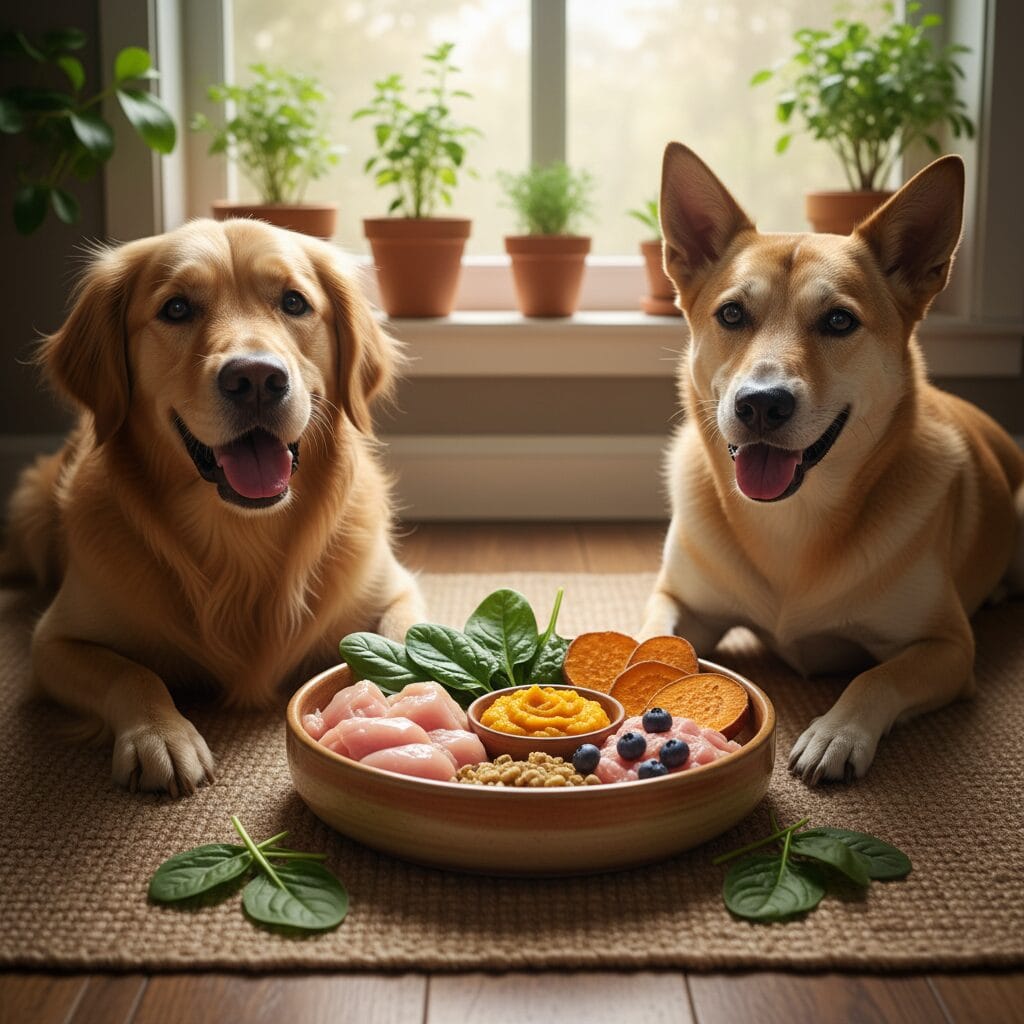
- Gently Cooked Chicken: Pressure cook boneless, skinless chicken breast or thighs until it’s really tender. And this is critical: DEBONE AFTER COOKING. Seriously, never, ever feed cooked bones, because they splinter dangerously. Trust me on this.
- Pumpkin: Plain, cooked, mashed pumpkin (and no, not that pumpkin pie filling, okay?) is a total miracle worker. It’s loaded with soluble fibre, which soaks up extra water, firms up their poop, and feeds those good gut bacteria. Start small: 1-2 tablespoons for little dogs, a quarter cup for medium, half a cup for big ones.
- Sweet Potato: Another decent option for digestible carbs and fibre, especially if you can’t find pumpkin. Just make sure it’s cooked well.
4. Probiotics: Restoring Gut Flora
Diarrhea totally messes up that delicate balance of gut bacteria. So, getting those good bacteria back in there can really speed up recovery:
- Curd (Dahi): A little bit of plain, unsweetened curd (we’re talking 1 tsp to 1 tbsp, depending on your dog’s size) can give them some good probiotics. Just start super small, okay? You want to make sure your dog isn’t lactose intolerant first.
- Probiotic Supplements: Specific canine probiotic supplements are super effective. Honestly, most vets won’t tell you how important these are.
5. Herbal Support: Nature’s Soothers
- Ginger: Just a tiny pinch of grated fresh ginger or ginger powder can really help settle an upset tummy and cut down on nausea. Works wonders, sometimes!
- Turmeric: We all know turmeric for its amazing anti-inflammatory properties in Ayurveda, right? A small amount of turmeric paste (mixed with a good fat like coconut oil) can totally help support gut healing. It’s a powerhouse.
- Baobab Powder: This African superfood? It’s jam-packed with prebiotic fibre and Vitamin C. Just a pinch (The Doggos Baobab Powder) can work wonders to settle the gut when you’re changing diets and gives a nice immune boost too.
Dietary Support for Recovery and Prevention
True healing, and really, true prevention, comes down to one thing: a consistent, species-appropriate diet. That’s the absolute core of The Desi Carnivore philosophy. Period.
The Doggos’ Soothing Chicken & Pumpkin Bowl (for Diarrhea Recovery)
This is basically a tweaked version of our everyday staple, but totally focused on getting that gut healed up.
- 500g Chicken: Boneless, skinless chicken breast or thigh. Pressure cook it with enough water to make a lovely, soothing broth.
- 200g Red Pumpkin: Peeled, deseeded, and cooked either with the chicken or steamed on its own until it’s super soft.
- 1 tsp Turmeric Paste: (Totally optional, but great for anti-inflammatory support).
- 1/2 tsp Baobab Powder: Mix this in once everything’s cooled down. Hello, prebiotic fibre and Vitamin C!
Method: Pressure cook the chicken and pumpkin together until they’re really, really tender (like, 2-3 whistles). Let it cool down. Then, this is crucial: DEBONE THE CHICKEN COMPLETELY. Mash that pumpkin right into the broth and shredded chicken. Mix in the turmeric paste and Baobab powder once it’s cool enough. Serve it up in small, frequent meals all through the day.
Long-Term Prevention: The Golden Rules of Every Bowl
To really stop those future bouts of diarrhea and keep your dog super healthy, always, always remember these golden rules:
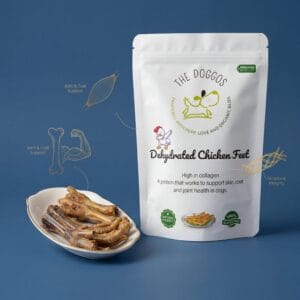
- Calcium:Phosphorus Ratio (1.2:1): You know, boneless diets can actually cause calcium to leach from their own bones. So, you absolutely need to add safe, dehydrated bones or even just eggshell powder. Our Dehydrated Chicken Feet are fantastic for this, giving them natural calcium and glucosamine. (My Lab goes crazy for these!)
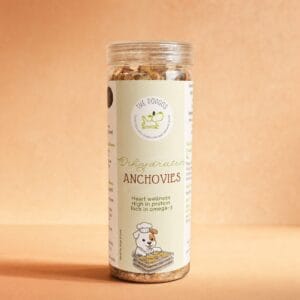
- Omega-6:3 Balance: That commercial Indian chicken? It’s usually super high in inflammatory Omega-6. So, you’ve got to balance it out with Omega-3s. Add Hemp Seed Oil (it’s rich in anti-inflammatory GLA) or Dehydrated Anchovies (packed with DHA!) to every single chicken meal. These aren’t just little toppings; they’re essential balancers, trust me.
- Fresh Food Digestibility: A fresh diet is about 70% water, which is just vital for healthy kidneys. And it’s way more digestible, too. That means more nutrients actually get absorbed, and there’s less waste putting a strain on their gut. Everyone wins.
Common Mistakes Indian Dog Parents Make During Diarrhea
When your dog’s got diarrhea, it’s totally natural to freak out a bit. But seriously, try to avoid these really common mistakes:
- Feeding Cooked Bones: Okay, this is, hands down, the most dangerous mistake you can make. Pressure-cooked chicken bones turn brittle and will absolutely shatter into sharp splinters, causing fatal internal injuries. I can’t stress this enough: NEVER, EVER FEED COOKED BONES. If you’re keen on giving bones, go for safe, dehydrated chews that crumble safely instead. Seriously, your dog’s life depends on it.
- Continuing the Regular Diet: Your dog’s gut is already inflamed, right? So, continuing with their usual kibble or rich human food is just going to make that irritation way, way worse. Give them a break.
- Giving Human Medications: Never, ever give human anti-diarrhea meds without your vet telling you to. A lot of them are actually toxic to dogs. Please, don’t play doctor.
- Ignoring Other Symptoms: If the diarrhea comes with vomiting, your dog is super tired, has a fever, is in pain, or there’s blood? That’s an emergency. Don’t, for a second, delay that vet visit. Get them there.
- Assuming ‘Heat’ is the Cause: What a lot of people call ‘heat’ from chicken or eggs? That’s actually often just inflammation caused by too much Omega-6. Balancing those fats with something like cooling Hemp Seed Oil or fish oil usually fixes it, meaning your dog can still enjoy excellent protein without the ‘heat’ drama.
Just remember, I’m a certified canine nutritionist, sure. But this info? It’s all for learning. Always, always talk to your trusted vet for a real diagnosis and treatment plan, especially if things are severe or just won’t go away. Think of me as your go-to for awesome nutrition that totally backs up what your vet’s doing!
Frequently Asked Questions About Dog Diarrhea in India
We get these questions all the time from worried Indian pet parents, trust me:
Related Reading
- Read the complete Indian dog feeding guide.
- About the author: Mahiv Chhabra, certified canine nutritionist.