
Picture this: The Mumbai humidity is soaring, or maybe the Chennai sun is really beating down. Your furry best friend is panting, and you instantly think, “No eggs for them, it’s too much ‘heat’!” Sound familiar, yaar? This is one of the most persistent myths I come across as a canine nutritionist in India. It leads countless pet parents to deny their dogs one of the most potent, affordable superfoods out there. Honestly, it’s a real shame.
Let me be super clear: Yes, dogs can absolutely eat eggs, and they should! Eggs are a complete protein powerhouse, packed with essential nutrients. But, like with anything in a dog’s diet, how you get them ready and balance them is super important. Especially when you’re dealing with the unique challenges and traditional beliefs we have in Indian households.
The Truth About Eggs and “Heat”: It’s Not What You Think
This is where we really need to bust a major myth. It’s a belief that runs deep in Indian pet parenting. What folks often see as “heat” from chicken or eggs? Well, it’s almost always an inflammatory response. It gets triggered by an imbalance in Omega-6 and Omega-3 fatty acids. It’s NOT some magical thermal property of the food itself. Not at all.
Yes, every single food has a Thermic Effect of Food (TEF). This means the body uses up some energy (and makes a little heat) to digest it. Protein, especially, has a higher TEF than carbs or fats. But this is just a normal thing your metabolism does. It rarely causes the kind of severe itching, paw licking, or hot spots that owners link to “heat.”
Why this matters so much: Commercial chicken and eggs here in India typically come from birds fed a corn and soy-heavy diet. This diet leads to a dangerously skewed Omega-6:3 ratio, often as high as 20:1 or even 30:1. Our dogs really need a ratio closer to 5:1 or 7:1. When their bodies get flooded with too much Omega-6 (which is pro-inflammatory, by the way), it kicks off systemic inflammation. This shows up as:
- Chronic paw licking
- Ear infections that just won’t go away
- “Unexplained” itching and rashes (I get so many DMs about this!)
- Dull coat and dry skin
So, the “heat” you’re seeing? It’s not a temperature thing, it’s an inflammation problem. The solution isn’t to stop feeding excellent protein like eggs. It’s to balance the fats. Adding a good source of anti-inflammatory Omega-3s to your dog’s diet can completely fix these “heat” symptoms. Trust me on this.
Why Eggs Are a Canine Superfood (When Done Right)
Forget all those myths. Let’s talk about how incredibly nutritious eggs actually are. They’re a nearly perfect food for dogs, offering a whole lot of good stuff:
- Complete Protein: Eggs have all ten essential amino acids dogs need for building muscles, fixing tissues, and just generally keeping their body running well. They’re one of the most easily absorbed protein sources, meaning your dog can get and use almost all of it.
- Vitamins Galore: Rich in Vitamin A (great for vision and the immune system), Vitamin D (bone health, crucial!), Vitamin E (an antioxidant), and a whole bunch of B vitamins (for energy and a healthy nervous system).
- Essential Minerals: Eggs give them iron (helps prevent anaemia), selenium (another antioxidant, good for thyroid too), and zinc (immune health, plus a shiny skin and coat).
- Choline: So important for brain development in puppies and for keeping older dogs’ minds sharp. It also helps support liver health.
- Healthy Fats: The fats in egg yolks provide concentrated energy and help absorb those fat-soluble vitamins. However, like we talked about, this is where that Omega-6 balance comes into play for your everyday commercial eggs.
Why this matters: Giving your dog eggs regularly means you’re feeding them high-quality building blocks. We’re talking about a strong body, a sharp mind, and a robust immune system. It’s a simple, budget-friendly way to seriously boost their nutrition way beyond what any processed kibble can offer. Period.
Cooked vs. Raw Eggs: The Desi Carnivore Stance
Here’s the thing, this is a really important point where my philosophy, “The Desi Carnivore” method, differs from some Western raw-feeding trends. Biologically, sure, a dog’s super acidic stomach (pH 1-2) is designed to handle some nasty stuff. But the practical reality of our Indian environment? It makes raw feeding, even raw eggs, a big hygiene risk. One I just can’t ethically support for most Indian households.
The Indian Hygiene Gap:
Indian wet markets are nothing like European supermarkets, right? High humidity, open-air conditions, inconsistent cold chains… it all means that bacteria like Salmonella and E.coli can just explode on raw meat and eggs in minutes. Bringing these into your home? It creates a cross-contamination risk for your family. Especially if you have little kids, elders, or anyone with a weaker immune system.
- Dogs drag food onto rugs, hold it between their paws, then wanna lick your face.
- Bacteria from raw ingredients can easily spread to your kitchen counters, utensils, and other food. It happens fast.
My non-negotiable advice: Cook the Meal, Dehydrate the Bone. This goes for eggs too. Gently cooking eggs (boiling them, scrambling them, or just making a plain omelette) takes away the risk of bacterial contamination while keeping almost all of their amazing nutrition intact.
What about that Biotin Deficiency Myth?
You might have heard that raw egg whites can cause biotin deficiency because of a protein called avidin. Avidin basically grabs onto biotin, stopping it from being absorbed. But for a biotin deficiency to actually happen, your dog would need to be eating *huge* amounts of raw egg whites for a really long time, and have no other biotin sources in their diet. This is incredibly, incredibly rare. And cooking the egg white? It totally zaps the avidin, so that worry is gone.
The verdict: For safety and simply for your peace of mind in our Indian context, always feed your dog cooked eggs.
Balancing the Bowl: Calcium & Omega-3 with Eggs
Feeding eggs isn’t just about tossing a boiled egg into the bowl, na? To really get all their benefits and avoid long-term health problems, you’ve gotta think about two really important balancing acts:
The Calcium:Phosphorus Dilemma
Eggs are an awesome source of protein and phosphorus, but they’re pretty low in calcium. An average egg has a Calcium:Phosphorus (Ca:P) ratio of about 1:7 (that’s 1 part calcium to 7 parts phosphorus). For dogs to be super healthy, especially their bones, the ideal Ca:P ratio in their *whole* diet should be around 1.2:1. See the difference?
Why this matters: If you feed a diet high in phosphorus (like eggs, boneless chicken, or meat) without enough calcium, your dog’s body will try to fix the ratio by pulling calcium straight from its own bones. Over months and years, this leads to some serious conditions like:
- Osteopenia: This means reduced bone mineral density. Basically, bones get weak and brittle.
- Secondary Hyperparathyroidism: The parathyroid glands go into overdrive trying to raise blood calcium, which just drains bone reserves even more.
- “Rubber Jaw” Syndrome: In really bad cases, the jawbone loses so much mineral that it actually feels soft and rubbery. Can you imagine?
This is the exact same trap a lot of well-meaning Indian parents fall into when they feed only boneless chicken and rice. Eggs are no different. You absolutely MUST give them a calcium source their body can actually use. My favourite method? “Cook the Meal, Dehydrate the Bone.”
Solutions for Calcium Balance:
- Eggshell Powder: This is the easiest way to balance a meal that’s heavy on eggs. Just grind up the eggshells from the eggs you’re feeding! Wash and dry the shells really well, then grind them into a fine powder. About half a teaspoon of eggshell powder gives roughly 1000mg of calcium.
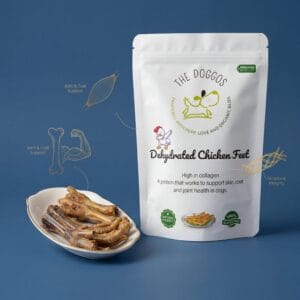
- Dehydrated Bones: Okay, this is my absolute favourite. It’s the most natural, species-appropriate solution. Dehydrated bones like our Dehydrated Chicken Feet or Dehydrated Whole Quail are nature’s perfect calcium source. They’re dehydrated at low temperatures for over 20 hours, so they keep their porous structure. Unlike those brittle, cooked bones that can splinter, dehydrated bones crumble into a safe, chalky powder. Your dog’s super acidic stomach (pH 1-2) can easily digest and absorb it. Plus, they’re great for mental enrichment and dental health! (My Lab goes crazy for these, by the way.)
- Calcium Citrate: A supplement option, but always make sure it’s pure and that a canine nutritionist gives you the right dose.
Omega-6:3 Balance for Commercial Eggs
Like we talked about, that “heat” myth is really an Omega-6 inflammation problem. Commercial eggs, just like commercial chicken, often have a lot of inflammatory Omega-6s because of the birds’ corn/soy-based diets. To fight this and stop those dreaded hot spots and itching, you’ve got to add Omega-3s. No way around it.
Solutions for Omega-3 Balance:
- Hemp Seed Oil: My absolute favourite! Our Hemp Seed Oil is a powerful anti-inflammatory. It contains GLA (Gamma-Linolenic Acid), a rare Omega-6 that actually acts like an Omega-3, directly cutting down inflammation. It’s plant-based, so it’s perfect for vegetarian households (I’ve seen this work with Indie dogs especially) and doesn’t have that fishy smell. It’s not just a “topper”; it’s a “balancer” for every chicken or egg meal.
- Dehydrated Anchovies/Sardines: If you’re okay with fish, our Dehydrated Anchovies or Dehydrated Sardines are tiny powerhouses of DHA and EPA. These are the most easily absorbed forms of Omega-3. They’re low on the food chain, so you don’t have to worry about heavy metal contamination.
Why this matters: Balancing these fats isn’t optional for dogs on a meat-based diet in India. It’s truly non-negotiable. It’s the key to fixing chronic itching, those pesky ear infections, and keeping a healthy skin barrier. Think of it more like essential medicine, not just some optional extra thing you add.
How Many Eggs Can My Dog Eat?
Moderation is key, always. Just like with any food that’s packed with nutrients. The general guide for dogs usually goes like this:
- Small dogs (up to 10 kg): Half to one egg, two or three times a week.
- Medium dogs (10-25 kg): One to two eggs, three or four times a week.
- Large dogs (25+ kg): Two to three eggs, four or five times a week.
Always introduce new foods slowly, gradually. And watch your dog for any signs of an upset stomach (though eggs are usually super easy to digest). Remember, these are just guidelines. Adjust based on how active your dog is, what else they’re eating, and their own specific needs. For example, a lactating mom or a dog getting over an illness might actually benefit from more eggs. Simple.
The Desi Carnivore’s Golden Egg Bowl Recipe
Okay, here’s a super simple, balanced, and yummy way to get eggs into your dog’s diet, keeping our whole philosophy in mind:
Ingredients:
- 2-3 large eggs (good for a medium dog)
- 1/4 cup cooked red pumpkin or sweet potato (for fibre and vitamins)
- 1/2 teaspoon eggshell powder (from the eggs you just cooked, or pre-made) OR 1 Dehydrated Chicken Foot
- 1/2 – 1 teaspoon The Doggos Hemp Seed Oil (adjust based on your dog’s weight)
- Pinch of turmeric (totally optional, but good for its anti-inflammatory properties)
- Warm water or a little low-sodium bone broth to moisten it up
Instructions:
- Cook the Eggs: Hard boil them (about 10-12 minutes) or scramble them plain in a non-stick pan. No oil, no salt, no spices!
- Prepare Eggshell Powder (if using): If you’re not using a dehydrated bone, rinse those eggshells, let them dry, then grind them into a super fine powder in your mixer.
- Mash and Mix: Once the eggs are cool, peel and chop them up. Mash them lightly with the cooked pumpkin/sweet potato.
- Add Balancers: Stir in the eggshell powder (if you’re using it) or crush the Dehydrated Chicken Foot right into the bowl. Add the Hemp Seed Oil and turmeric.
- Serve: A splash of warm water or bone broth will make it a nice, moist, palatable meal.
Creative Ways to Serve Eggs
- Hard-boiled: Simple, easy, and you can take them anywhere. Peel and chop, or just offer a whole one as a quick, nutritious snack.
- Scrambled: Cook it plain, no oil, salt, or spices. Great for mixing with other things like veggies or a little bit of cooked meat.
- Plain Omelette: Kinda like scrambled, but flatter. Just make sure there’s no onion, garlic, or too much oil.
- As a Topper: Chop a boiled egg and sprinkle it over their regular meal. Easy protein boost.
Common Mistakes Indian Pet Parents Make with Eggs
Even with the best intentions, a lot of pet parents fall into these traps when they’re feeding eggs:
- Feeding Raw Eggs: As I’ve really, really stressed, the hygiene risks here in India just outweigh the tiny theoretical benefits. Always cook eggs for your dog. Seriously.
- Feeding Eggs with Unsafe Additives: Never, ever add salt, pepper, chilli powder, onion, garlic, or too much oil to your dog’s eggs. These can be toxic or cause a nasty upset stomach. Keep it plain.
- Feeding Only Eggs (or Eggs + Rice/Roti): Eggs are awesome, but they’re not a complete diet all by themselves. Feeding them as the only protein source, especially without balancing that Ca:P ratio, will lead to nutrient deficiencies over time. (You can read more about the problems with roti for dogs here).
- Believing the “Heat” Myth: Cutting out eggs during summer because of this “heat” myth actually takes away essential protein and nutrients right when your dog needs them most. Focus on balancing fats instead of cutting out good protein.
- Not Balancing Omega-6:3: Feeding commercial eggs without adding a source of Omega-3s (like Hemp Seed Oil or Dehydrated Anchovies) will just add to those inflammatory issues.
Avoid these common mistakes, and you’ll make sure eggs are a truly beneficial part of your dog’s diet. It’s that simple.
FAQ: Your Egg Queries Answered
Q: Can puppies eat eggs?
A: Absolutely! Eggs are fantastic for puppies, no doubt. They give them super digestible protein for growth and development, choline for brain health, and all those essential vitamins. Start with a tiny bit of cooked, plain egg (like, say, a quarter of an egg) and slowly give them more. Just make sure the calcium to phosphorus ratio is balanced in their whole diet. That’s key.
Q: Can dogs eat eggshells?
A: Yes, dogs can totally eat eggshells! And honestly, they’re an excellent, natural source of calcium. But, they’ve got to be prepared properly. Wash them really, really well, bake them at a low temperature for about 10-15 minutes to sterilise them and make them brittle, then grind them into a fine powder. This powder can then be added to your dog’s food to balance the Ca:P ratio. Never, ever feed big, sharp pieces of shell. That’s a no-go.
Q: Are eggs good for a dog’s coat?
A: Oh, absolutely yes! The high-quality protein, biotin, and healthy fats in eggs are just amazing for getting that shiny, healthy coat and strong skin. They provide all the building blocks for keratin, which is the main protein in hair and skin. Just remember to balance that Omega-6:3 ratio with Hemp Seed Oil for the best benefits and to keep those inflammatory skin conditions away.
Q: What about egg allergies?
A: While they’re less common than allergies to proteins like chicken or beef, some dogs can definitely develop allergies to eggs. Symptoms might include itching, ear infections, paw licking, throwing up, or diarrhoea. If you think your dog has an egg allergy, stop feeding eggs and talk to a canine nutritionist or vet to look into an elimination diet. For most dogs, though, eggs are a really well-tolerated and beneficial food. So don’t worry too much.
Q: Can eggs help a dog with an upset stomach?
A: Cooked, plain eggs can actually be part of a bland diet for a dog with a mild upset stomach. They’re a highly digestible protein. Scrambled eggs (plain, no oil) mixed with plain boiled rice or pumpkin are often what people recommend. However, if your dog is really throwing up a lot, has bad diarrhoea, or looks like they’re in pain, it’s super important to get them to a vet right away. For ongoing digestive issues, you might want to consider adding The Doggos Hemp Meal Balancer for its prebiotic fibre and full amino acid profile.
The Desi Carnivore Way: Healthy Dogs, Happy Homes
Eggs are a cornerstone, a really important part, of a healthy, species-appropriate diet for your dog right here in India. By really understanding that “heat” myth, making sure you prioritise cooked preparation for hygiene, and crucially, balancing the Calcium:Phosphorus and Omega-6:3 ratios? You can totally unlock their full potential. Seriously.
At The Doggos, we really believe in giving Indian pet parents the right knowledge and the right tools. Whether it’s our Hemp Seed Oil to balance those essential fats, or our Dehydrated Chicken Feet to give them natural, safe calcium and boost joint health, we’re here to help you feed your dog the way nature intended. But, you know, adapted for our unique Indian reality. Explore our full range of dehydrated treats and hemp supplements to go along with your homemade meals.
Ready to totally transform your dog’s health? Dive deeper into our full guide on what to feed your dog or discover even more homemade dog food recipes that truly nourish. Go on, your dog will thank you.