Tired of feeding your dog the same old kibble, wondering if it’s really giving them everything they need? As Indian pet parents, we often juggle traditional home food, expensive imported kibble, and that constant urge to do better for our furry family members. But honestly, with so much mixed advice out there, trying to make nutritious homemade dog food can feel like navigating a Mumbai wet market blindfolded. It’s a lot, right?
So, can you really make healthy homemade dog food in India that’s easy, safe, and truly nourishing? Yes, absolutely! But here’s the thing, it’s only if you follow the “Desi Carnivore” method: Cook the Meal, Dehydrate the Bone. Forget all those myths. Understand the biology. And get yourself equipped with simple, scientifically-backed recipes for a thriving dog.
Why Homemade Dog Food is the Gold Standard (The Desi Carnivore Way)
For years, commercial kibble has been sold as this complete, convenient solution. But let’s be honest, would you eat the same dry, processed biscuit every single day for your entire life? Your dog, believe it or not, is 99.9% wolf internally. A carnivore. Their biology just screams for real, fresh meat. And that’s why homemade, when you do it right, is hands down better:
- Superior Digestibility: Fresh food has 90-94% digestibility. That means your dog absorbs more nutrients and produces smaller, firmer, less smelly stools. Now, compare that to kibble’s about 80% digestibility, which often means large, foul-smelling waste. More nutrients in, less waste out. Simple biology, really.
- Natural Hydration: Fresh food is naturally 70% water. Just like the prey your dog’s ancestors ate. Kibble, on the other hand, is only about 10% water. This big difference means dogs on fresh diets often drink less water, which is perfectly normal and great for kidney health. Don’t worry about it.
- Species-Appropriate pH: A dog’s stomach acid is super strong, pH 1-2. It’s designed to dissolve bone and kill bacteria. But high-carb kibble and too many grains (like roti or rice as a main diet, which is super common here, right?) raise this pH. That messes up their digestive system, making it less efficient and more open to bad bacteria.
- No Amylase in Saliva: Unlike us humans, dogs don’t have any amylase enzyme in their saliva. This means they can’t pre-digest starches. So, when you feed them roti or a lot of rice, it hits their stomach basically “whole,” really straining their pancreas. Not ideal.
The “Cook the Meal, Dehydrate the Bone” Method: The Indian Middle Path
At The Doggos, we believe in feeding dogs what their biology truly needs. But hey, we also live in India. And the rules are just different here, aren’t they? That’s why we really push for our unique “Cook the Meal, Dehydrate the Bone” method:
- COOK the Meat: Look, in India, our wet markets and high humidity are a perfect spot for bacteria like Salmonella and E.coli to thrive. While your dog’s strong stomach acid *can* handle some pathogens, the cross-contamination risk in an Indian household is just too high. Think about it: dogs drag food onto rugs, hold it between their paws, and then what? They lick your face. Bringing raw, wet-market meat into your home is a hygiene risk we can’t ignore. Gentle home-cooking (a pressure cooker, by the way, is brilliant for this) kills these dangerous bacteria, making the meat safe for everyone – your family and your dog.
- DEBONE After Cooking: This is an absolute, life-saving rule. Seriously. NEVER feed your dog cooked bones. High heat makes bones brittle, causing them to shatter into sharp, jagged splinters that can easily tear up intestines, leading to fatal peritonitis. This is a trap so many well-meaning Indian pet parents fall into, pressure-cooking chicken with bones and feeding it all. It’s super dangerous.
- DEHYDRATED Bones for Calcium & Dental Health: So, if raw is risky and cooked bones are dangerous, how do you give your dog that crucial calcium and dental goodness? The answer is dehydration. Our dehydrated bones and chews are air-dried at low temperatures for 20+ hours. This process keeps the bone’s porous, flexible structure, so it crumbles into a safe, chalky powder when chewed, not nasty, sharp splinters. It’s truly the “Goldilocks” solution for Indian homes. And it just works.
The Two Golden Rules of Every Homemade Bowl
Making homemade food isn’t just about throwing some chicken and rice together, you know? It really means understanding two critical nutritional balances that people often miss:
1. The Calcium:Phosphorus Ratio (Must be 1.2:1)
Your dog needs calcium for strong bones, teeth, nerve and muscle function. Meat, see, is rich in phosphorus, but pretty low in calcium. If you’re just feeding a boneless home diet (think chicken and rice, for example) over years, your dog’s body will actually start to pull calcium from its own skeleton to keep things balanced. This leads to serious issues like osteopenia and that heartbreaking “Rubber Jaw” syndrome, where the jaw bone gets so weak it can literally be bent. This isn’t a quick fix, mind you. It takes years to show up, making it even more sneaky and dangerous.
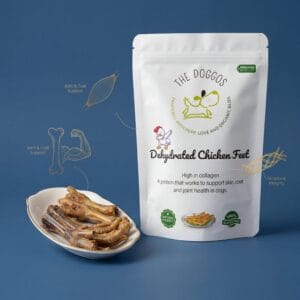
The Fix: You MUST add a source of calcium to every boneless meat meal. Period. The easiest and best way their body can use it is through safe, dehydrated bones like Dehydrated Chicken Feet (they’re like a natural joint pill, too!) or Dehydrated Whole Quail. Or, you could use calcium citrate or finely ground eggshell powder (just make sure they’re from organic eggs, yaar).
2. The Omega-6:3 Balance (The “Heat” Myth Debunked)
You hear a lot of Indian pet parents talk about “chicken causing heat” or “eggs causing heat” in their dogs, and that causes rashes, itching, and hair loss. But trust me, this isn’t thermal heat. It’s inflammation. Commercial chicken in India, for example (and I get so many DMs about this!), is typically fed corn and soy. This creates an Omega-6 to Omega-3 ratio that can be as high as 20:1 or even 30:1. For their best health, dogs really need a ratio closer to 5:1 or 7:1. See the problem?
Too many Omega-6 fatty acids, without enough Omega-3 to balance them out, basically floods the body with inflammatory markers. This then shows up as chronic paw licking, hot spots, ongoing ear infections, and that frustrating “unexplained” itching. Your dog isn’t “hot,” my friend. They’re inflamed! Simple as that.
The Fix: You MUST add a high-quality source of Omega-3 to every chicken-based meal. This isn’t just a “topper”; it’s a “balancer.” And honestly, most vets won’t tell you this. Our top recommendations are:
- Hemp Seed Oil: This is the absolute king of GLA (Gamma-Linolenic Acid), a rare Omega-6 that actually acts as an anti-inflammatory. GLA gets around the enzyme often missing in dogs with Atopic Dermatitis, directly reducing inflammation and keeping that skin barrier moist. It’s plant-based, too, so it’s perfect for vegetarian homes, and it even has a mild calming effect. Pretty cool, right?
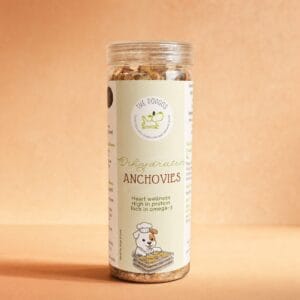
- Dehydrated Anchovies: These are small, short-lived fish that “eat low on the food chain.” That means they don’t build up heavy metals like larger fish do. They’re packed with DHA, which is super important for brain development in puppies and for preventing Cognitive Dysfunction Syndrome in senior dogs. Oh, and our dehydrated anchovies are odour-controlled, so don’t worry about any fishy smell in your kitchen!
By balancing these fats, you fix the inflammation without ever needing to stop feeding excellent proteins like chicken or eggs. Want to know more? Check out Why Is My Dog Always Itching?
Our Top Homemade Dog Food Recipes for Indian Homes
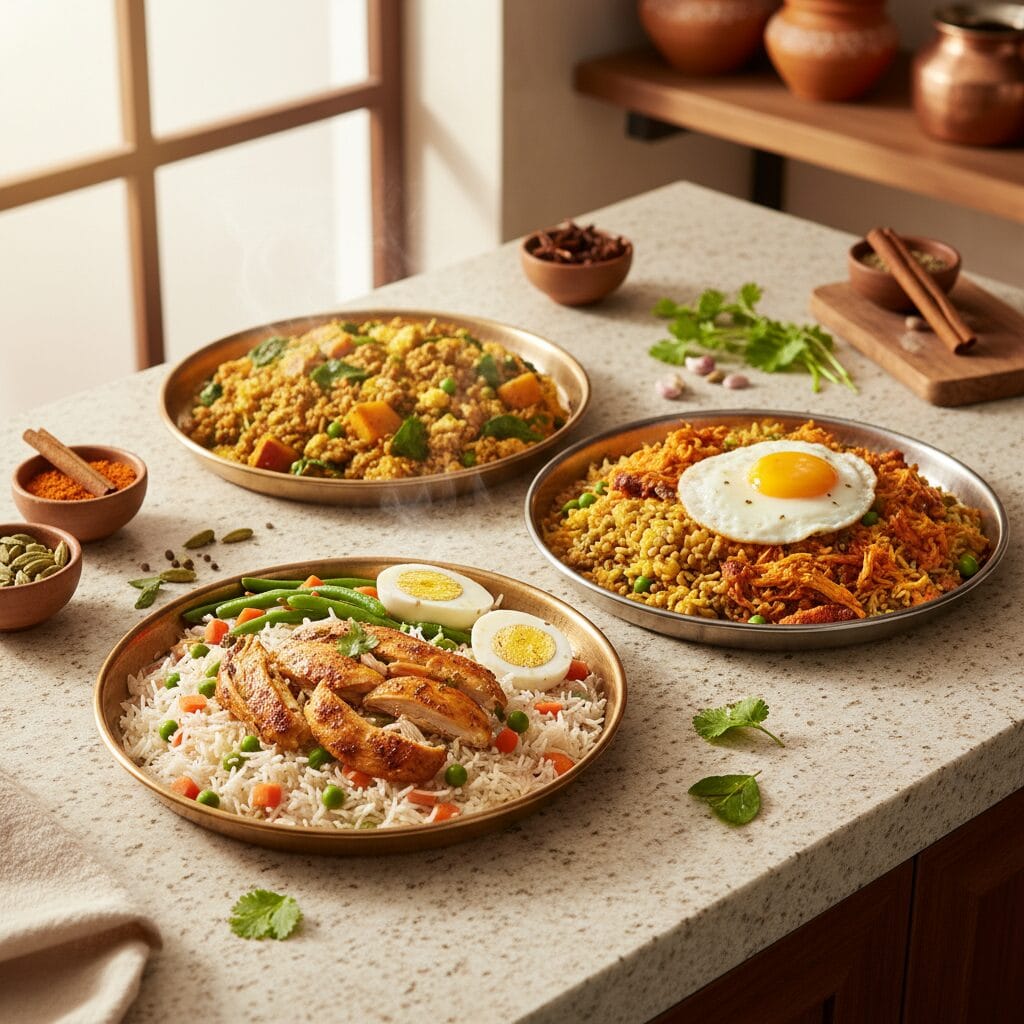
Okay, here are three simple, Desi Carnivore-approved recipes to help you get started. Remember, these are just guidelines. You can totally adjust vegetables based on what’s fresh and seasonal, but always, always stick to the core principles. That’s key.
1. The Golden Chicken Bowl (Daily Staple)
This is your everyday hero, really. It’s super digestible, packed with protein, and perfectly balanced for our Indian conditions. Oh, and always remember to DEBONE after cooking! We can’t stress that enough.
Ingredients:
- 500g chicken thighs (bone-in, skin-on for taurine, which is crucial for heart health)
- 50g chicken liver (a tiny superfood, rich in Vitamin A and B vitamins)
- 100g red pumpkin (or sweet potato, for fibre and gentle carbohydrates)
- 1/2 teaspoon turmeric paste (it’s a natural antiseptic and anti-inflammatory)
- 1 tablespoon The Doggos Hemp Meal Balancer (this ensures a complete amino acid and fat profile)
- Water for pressure cooking
Method:
- Wash chicken thighs and liver really well, maybe even with some turmeric water for extra antiseptic power. Good practice!
- Place chicken thighs, liver, pumpkin chunks, and turmeric paste in a pressure cooker. Add just enough water to barely cover everything.
- Pressure cook for 2-3 whistles (about 10-15 minutes).
- Once cooled, carefully remove all bones from the chicken thighs. Seriously, this is NON-NEGOTIABLE. Mash the pumpkin into the broth and shredded chicken.
- Once the mixture has totally cooled down, stir in the Hemp Meal Balancer.
- Serve. Store leftovers in the fridge for up to 2-3 days.
Why it matters: Chicken is a great daily protein, but the Hemp Meal Balancer makes sure you’re not missing any essential amino acids or healthy fats. It turns a basic meal into something truly thriving. Plus, the bone-in chicken gives you taurine, which is crucial for heart health, and often missing in boneless meat diets. So important.
2. Mutton Strength Stew (Recovery & Winter Warmer)
Goat meat is what we call an Ayurvedic “warming” protein. It’s great for recovery, winter, or your senior dogs. It’s leaner than commercial chicken, too, and packed with really important nutrients.
Ingredients:
- 500g goat curry cut (bone-in, but remove bones after cooking!)
- 100g sweet potato (cubed)
- 50g spinach (wilt in residual heat)
- 1-2 tablespoons The Doggos Dehydrated Anchovies (crumbled, for that crucial Omega-3)
- Water for pressure cooking
Method:
- Wash goat curry cut really well.
- Place goat meat and sweet potato in a pressure cooker. Add water to just cover it all.
- Pressure cook for 4-5 whistles (about 20-25 minutes), until the meat is super tender.
- Once cooled, remove all bones from the goat meat. Again, don’t skip this step. Mash the sweet potato and shred the meat.
- Add fresh spinach to the warm stew and just let it wilt.
- Once it’s cooled down, crumble in the Dehydrated Anchovies.
- Serve. Store in the fridge for up to 2-3 days.
Why it matters: Mutton (goat) is totally a “recovery meat.” It gives 3x the iron and 4x the zinc compared to chicken. It’s brilliant for dogs recovering from tick fever (really helps rebuild platelets and red blood cells), senior dogs with stiff joints, or those just needing an energy boost. A lot of chicken-allergic dogs also thrive on goat because its protein structure is different. And the anchovies? They give that crucial Omega-3 to balance the fats and support brain health.
3. Itchy Dog Reset (Hypoallergenic & Gut Cleanse)
If your dog is struggling with chronic itching or allergies, an elimination diet with a novel protein can be a total game-changer. And guess what? This recipe requires no cooking!
Ingredients:
- 1 The Doggos Dehydrated Whole Quail
- 50g steamed green beans (low-calorie, fibrous)
- 1 teaspoon The Doggos Baobab Powder (for Vitamin C and that good prebiotic fibre)
Method:
- Just offer the Dehydrated Whole Quail to your dog. It’s that simple.
- Serve steamed green beans right alongside it.
- Sprinkle Baobab Powder over the meal, and you’re good to go.
Why it matters: Quail is a properly hypoallergenic “super-prey” protein. Your dog’s immune system has probably never seen it before, so it’s perfect for elimination diets. Whole Quail gives them manganese (which helps protect ligaments from CCL tears) and the feathers actually act as a “colon sweep,” scrubbing intestinal walls and bulking up stool to naturally help express anal glands. Great for those scooting dogs! Chewing also releases endorphins, a natural calming agent for stressed, itchy dogs. And Baobab powder? It provides a big immune shield and prebiotic fibre to settle the gut. Pretty powerful stuff.
The 7-Day Transition Protocol
Switching diets too quickly can really upset your dog’s stomach. So, follow this gradual transition:
- Days 1-2: 75% old food, 25% new homemade food.
- Days 3-4: 50% old food, 50% new homemade food.
- Days 5-6: 25% old food, 75% new homemade food.
- Day 7 onwards: 100% new homemade food.
Expect: You might notice some mucus in your dog’s stool around Day 3-4. This is completely normal! It just means the gut is shedding its old, inflamed lining and rebuilding a healthier one. So don’t panic. You can add extra pumpkin or a pinch of Baobab powder to help settle their stomach during this period. My Lab goes crazy for pumpkin, by the way!
Common Mistakes Indian Pet Parents Make with Homemade Dog Food
Even with the best intentions, it’s easy to make some common mistakes. Avoid these for your dog’s long-term health, trust me:
- Feeding Cooked Bones: As we’ve talked about, this is a deadly mistake. Cooked bones splinter. Always DEBONE after cooking. Instead, go for raw recreational bones or our safe, dehydrated options. No compromises here.
- Boneless Chicken & Rice Alone: This creates a really bad calcium deficiency over time, leading to serious bone problems. Remember that crucial 1.2:1 Ca:P ratio! Add dehydrated bones or a calcium supplement. It’s vital.
- Ignoring Omega-6:3 Balance: Believing chicken or eggs cause “heat” and then cutting out important protein. It’s actually the inflammation from an imbalanced Omega-6:3 ratio, remember? Add Hemp Seed Oil or Dehydrated Anchovies to every chicken meal. It makes all the difference.
- Excessive Roti/Grains: Feeding roti or a lot of rice as a staple. Remember, dogs lack salivary amylase. That means grains are hard to digest, they really strain their pancreas, and they raise stomach pH. While a small amount of rice or sweet potato can give them some fibre, it should never, ever be the main part of their meal. Want to know more? Read up on Roti for Dogs.
- Treats like Parle-G/Marie Biscuits: Look, these are full of sugar and maida (refined flour). They just rot their teeth and offer zero nutrition. Instead, offer proper, functional dehydrated treats like Dehydrated Chicken Feet (great for glucosamine and dental cleaning, by the way) or Dehydrated Mutton Trotters (for collagen, dental health, and mental enrichment). Your dog will thank you.
Frequently Asked Questions About Homemade Dog Food in India
Got more questions? I’ve got answers, Desi Carnivore style.
Is a purely vegetarian homemade diet good for dogs?
A big fat NO. Dogs are biologically, they’re carnivores. While they can survive on a vegetarian diet, they just can’t thrive. Their bodies are designed for meat protein, and plant-based proteins just aren’t as bioavailable or complete for them. A vegetarian diet will definitely lead to deficiencies over time. We truly believe in feeding dogs what they’re designed to eat: meat. Period.
Can I feed my dog raw meat from the local Indian wet market?
No, I really, really advise against it. While biologically, dogs can handle raw meat, the reality of Indian wet markets (think high bacterial load, humidity, no proper cold chain) creates a big cross-contamination risk in your home. Your dog’s health and your family’s hygiene? They’re super important. Stick to our “Cook the Meal, Dehydrate the Bone” method for safety. It’s just not worth the risk.
How much homemade food should I feed my dog?
As a rough guideline, aim for 2-3% of your dog’s ideal body weight per day, split into two meals. But this varies, of course, based on their age, activity level, and metabolism. Keep an eye on your dog’s body condition: you should be able to feel their ribs easily but not see them prominently. If they’re gaining weight, cut back a bit; if losing, then increase it. A growing puppy, for instance, will need a lot more per kg of body weight than an adult. It’s all about observation.
My dog drinks less water on homemade food. Is this normal?
Yes, this is totally normal and actually a sign of a healthy diet! Fresh homemade food is about 70% water, so it gives them great hydration directly through the food. Kibble, being only 10% water, forces dogs to drink much more to compensate. Less water drinking on a fresh diet is really good for kidney health. Nothing to worry about!
What about supplements for homemade dog food?
Even with well-balanced homemade meals, certain supplements can really boost their health. Beyond ensuring that correct Ca:P ratio with dehydrated bones and balancing Omega-6:3 with Hemp Seed Oil or Anchovies, you might want to consider these:
- Organ Support: Our Bone and Organ Boost gives them key nutrients, taurine, and iron often found in organs, which might be tougher to find fresh every day. A good backup!
- Joint Health: Dehydrated Chicken Feet are natural glucosamine and chondroitin powerhouses. Your dog’s joints will thank you.
- Skin & Coat: The Doggos Baobab Oil is a fantastic skin healer. Great for hot spots, hyperkeratosis, and fungal infections, especially useful for our Indian climate.
Embark on Your Desi Carnivore Journey!
Switching to homemade dog food might feel a bit scary at first. But with The Desi Carnivore method, it’s a super rewarding experience. You’ll see changes you can actually see: a shinier coat, more energy, better digestion, and a truly satisfied, calm dog. It’s not just about food, you know? It’s about giving your dog the best possible life, rooted in their true carnivorous nature, but totally adapted for the realities of an Indian home.
So go on, explore our range of functional dehydrated treats and superfood supplements. They’ll go perfectly with your homemade meals and help unlock your dog’s full potential. You’ve totally got this, and we’re here to guide you every step of the way. Promise.
Disclaimer: While I’m a certified canine nutritionist, this information is for educational purposes only and isn’t a substitute for professional veterinary advice. Always consult your veterinarian for any health concerns or before making big dietary changes, especially if your dog has pre-existing medical conditions.