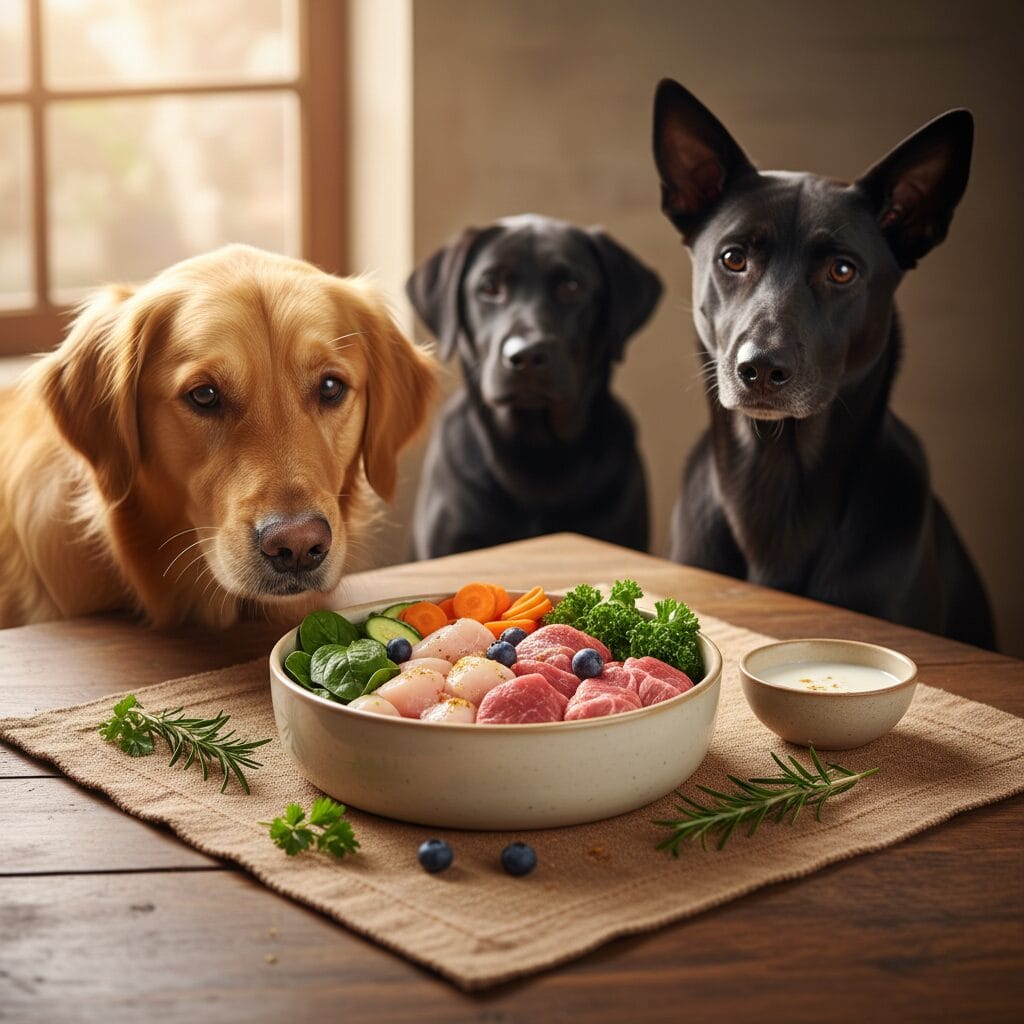
Walk into almost any Indian home with a dog, and you’ll probably see it: a bowl of milk, offered with so much love to the furry family member. It’s an age-old tradition, right? Passed down through generations, convinced milk is super important for strong bones and a healthy pup. But honestly, is this old wisdom really helping our dogs, or are we accidentally doing more harm than good?
As Mahiv Amit Chhabra, a certified canine nutritionist and the voice behind The Desi Carnivore, I’m here to tell you this: while your intentions are pure, the answer is a resounding no. Adult dogs don’t need milk. In fact, for most of them, it can actually be bad for their health.
The Milk Myth: Why Most Dogs and Dairy Don’t Mix
Let’s get straight to the biology. Dogs, like us, are mammals. They drink their mother’s milk as puppies. Nature designed this beautifully, didn’t it? Puppies produce an enzyme called lactase, which breaks down the lactose (milk sugar) in their mother’s milk into simpler sugars. This helps them absorb all that goodness for their rapid growth.
Here’s the thing, though: after weaning, as puppies start eating solid foods, their bodies naturally make less and less lactase. By the time they’re adults, most dogs are lactase-deficient. This basically means they’re lactose intolerant.
What Happens When a Lactose Intolerant Dog Drinks Milk?
When a dog that can’t handle lactose drinks milk, that undigested lactose just travels right into the large intestine. Once there, it ferments, attracting water and causing a whole bunch of tummy troubles. This isn’t just a small inconvenience; it can be genuinely uncomfortable and unhealthy for your dog. Common symptoms include:
- Diarrhoea (often loose, watery, or mucousy. Gross, I know.)
- Vomiting
- Abdominal pain and discomfort
- Excessive gas (farting a lot, basically)
- Bloating
- Loss of appetite
Many Indian pet parents blame these symptoms on other stuff, or just figure their dog has a “sensitive stomach.” But a lot of the time, the daily bowl of milk is the real problem.
Why it Matters: Beyond the Upset Tummy
Chronic inflammation and a constantly upset stomach from lactose intolerance can lead to bigger issues over time. It can mess with the delicate balance of gut bacteria, possibly contributing to problems like Inflammatory Bowel Disease (IBD) or making existing sensitivities much worse. Remember, a healthy gut is the absolute foundation for a healthy immune system.
The Calcium Conundrum: Don’t Rely on Milk for Strong Bones
One of the biggest reasons Indian pet parents offer milk is for calcium, believing it’s the key to strong bones. While milk *does* have calcium, lactose-intolerant dogs often absorb it poorly because of all the digestive upset. More importantly, relying only on milk for calcium is a dangerous gamble. It completely ignores the basic science of how dogs get their nutrition.
The Golden Rule: Calcium:Phosphorus Ratio 1.2:1
This is a non-negotiable principle in canine nutrition. Dogs need a precise balance of calcium and phosphorus, ideally 1.2 parts calcium to 1 part phosphorus. Think about it: meat is packed with phosphorus but low on calcium. Bones, on the other hand, are loaded with calcium. So, if you’re feeding a boneless home diet (like just chicken and rice), you’re basically flooding their system with phosphorus without enough calcium to balance it out.
Over years, this imbalance forces your dog’s body to literally pull calcium from its own skeleton to keep vital functions going. This leads to conditions like Osteopenia (reduced bone density) and, in really severe cases, “Rubber Jaw” syndrome, where bones get so soft they can actually bend. This is a life-threatening problem, and I see it far too often in Indian homes feeding unbalanced diets.
Why Dehydrated Bones Are the “Goldilocks” Solution for Calcium
So, if milk isn’t the answer and boneless diets are dangerous, what’s the calcium solution? This is where “The Desi Carnivore” method really shines: Cook the Meal, Dehydrate the Bone.
I cannot stress this enough: NEVER feed cooked bones from your kitchen. High heat (like pressure cooking) makes bones brittle. They shatter into sharp, jagged splinters that can perforate your dog’s intestines, leading to fatal peritonitis. This is a common and tragic mistake made by well-meaning Indian pet parents who pressure-cook chicken with bones and feed it all. (I’ve seen too many heartbreaking cases because of this).
Our solution? Dehydrated bones. Dehydration uses low temperatures over 20+ hours, keeping the bone’s porous, natural structure. When chewed, these bones crumble into a safe, chalky powder, giving your dog highly bioavailable calcium and phosphorus without the splintering risk of cooked bones, or the bacterial risk of raw bones (a big worry with Indian wet market conditions and household hygiene, yaar).
Here are some excellent, functional calcium sources from The Doggos:
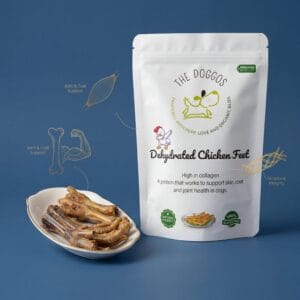
- Dehydrated Chicken Feet (/product/dehydrated-chicken-feet/): Not just rich in calcium, but also packed with glucosamine (~450mg per foot) and chondroitin, making them a natural joint supplement and a fantastic dental chew.
- Dehydrated Whole Quail (/product/dehydrated-whole-quail/): A whole-prey option that provides balanced calcium and phosphorus, plus manganese for ligament health. Great for elimination diets too!
- Dehydrated Pig Bone (/product/dehydrated-pig-bone/): A long-lasting chew that delivers a good amount of calcium and mental enrichment.
- Bone and Organ Boost (/product/dehydrated-bone-and-organ-boost/): A convenient powder of mixed dehydrated bone and organs to sprinkle over meals for a balanced Ca:P ratio and essential nutrients.
Other Safe Calcium Alternatives
If dehydrated bones aren’t an option, you can consider:
- Eggshell Powder: Wash and dry eggshells really well, then grind them into a fine powder. About 1/2 teaspoon of eggshell powder gives you about 1000 mg of calcium.
- Calcium Citrate: A readily available supplement, but always talk to a canine nutritionist for the right dose based on your dog’s specific diet.
These are far better and safer ways to make sure your dog gets the calcium it needs compared to milk. Period.
The “Heat” Myth: Is Milk Really “Cooling”?
In Indian traditional beliefs (like Ayurveda), certain foods are called “warming” or “cooling.” Milk is often seen as a “cooling” food, especially for our hot Indian summers. So, when people notice their dog itching or getting rashes after eating chicken, they might switch to milk, thinking it will “cool” the body down.
However, as I explain in my book, “The Desi Carnivore,” what pet parents see as “heat” from chicken or eggs is almost always an Omega-6 inflammation spike, not actual thermal heat. Commercial Indian chicken is typically fed corn and soy, which leads to a terrible Omega 6:3 ratio, often 20:1 to 30:1. This imbalance floods the body with inflammatory markers, showing up as paw licking, hot spots, chronic ear infections, and that “unexplained” itching. (My Indie dogs used to suffer from this before I figured it out!)
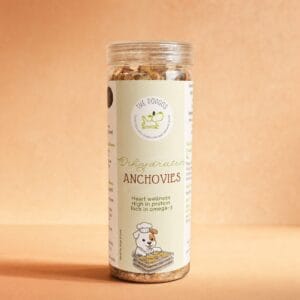
Adding milk in this situation doesn’t “cool” anything. If the dog is lactose intolerant, you’re just adding digestive stress to an already inflamed system. The real fix for “heat” is to balance the Omega-6 with Omega-3. That’s why I always recommend adding Hemp Seed Oil or Dehydrated Anchovies to every chicken meal. They aren’t just “toppers,” they are “balancers.”
- Hemp Seed Oil (/product/hemp-seed-oil-for-dogs/): The king of GLA (Gamma-Linolenic Acid), an anti-inflammatory Omega-6 that directly reduces inflammation and keeps the skin barrier healthy.
- Dehydrated Anchovies (/product/dehydrated-anchovies/): A fantastic source of DHA for brain health and powerful Omega-3s to fight inflammation.
Practical Steps: What Dairy Can You Safely Offer?
While cow’s or buffalo’s milk is generally a no-go for adult dogs, not all dairy is off-limits. Some dairy products go through fermentation processes that really cut down their lactose content, potentially making them safer options in moderation.
Curd (Dahi): A Probiotic Powerhouse
Curd is a fantastic addition to a dog’s diet, assuming they can handle it. The fermentation process used to make curd converts a lot of the lactose into lactic acid, making it much easier for dogs to digest. It’s rich in probiotics, which are good bacteria that help gut health, digestion, and even immune function.
- How to Feed: Start with a tiny bit, say 1 teaspoon for a medium-sized dog, and watch for any tummy upset. If they’re fine, you can slowly increase it to 1-2 tablespoons a few times a week.
- Important: Always choose plain, unsweetened curd. Seriously, avoid flavoured yoghurts or anything with artificial sweeteners (especially xylitol, which is super toxic to dogs).
- Further Reading: For a deeper dive into feeding curd, check out my blog post: Can Dogs Eat Curd?
Paneer: A Lean Protein Treat
Paneer (Indian cottage cheese) is another dairy product with very low lactose content, making it generally safe for dogs in small amounts. It’s a good source of protein and calcium. It can be a nice, occasional treat or a way to tempt a picky eater.
- How to Feed: Offer small, plain, unsalted pieces. Cooked or raw works. Again, start small to make sure they tolerate it.
- Important: Don’t give them paneer that’s been fried in too much oil or spiced for us humans.
Never Offer These Dairy Products:
- Flavoured Yoghurts: Often loaded with sugar, artificial sweeteners (like xylitol), and artificial colours/flavours. Nope.
- Ice Cream: High in sugar, fat, and often has ingredients harmful to dogs. Just don’t.
- Cheese Spreads/Processed Cheese: Way too much sodium, unhealthy fats, and preservatives.
- Ghee: While ghee has some benefits, it’s pure fat and should only be given very sparingly. For more on ghee, read: Can Dogs Eat Ghee?
Common Mistakes Indian Pet Parents Make with Milk & Dairy
Based on my experience across Mumbai, Delhi, Bengaluru, and Chennai, these are the most common dairy-related mistakes I see:
- Assuming Milk is a Complete Food: Milk is not a balanced meal for an adult dog. It just doesn’t have the right nutrients in the right proportions for their carnivorous needs.
- Daily Large Quantities of Milk: Even if a dog *seems* to “tolerate” milk, big daily doses can lead to chronic low-grade inflammation and nutrient imbalances over time.
- Ignoring Digestive Symptoms: So many pet parents just dismiss loose stools or gas as normal. But these are clear signals of digestive distress, guys!
- Relying on Milk for Calcium: This is a massive error. As we’ve discussed, milk is an inefficient and potentially harmful source of calcium compared to bioavailable bone.
- Feeding Cooked Bones (A General Safety Reminder): While not directly dairy-related, this is such a common and dangerous practice in India that I have to say it again: NEVER feed cooked bones from your kitchen. They splinter and can kill your dog. Seriously.
FAQs About Dogs and Milk in India
Q1: Can puppies drink cow’s milk?
A: While puppies *do* have the lactase enzyme, cow’s or buffalo’s milk is still not ideal. It’s got a different nutritional makeup than their mother’s milk and can easily cause tummy upset. If a puppy needs milk replacement, always, always use a species-appropriate puppy milk replacer that’s formulated by vets, not just regular dairy milk.
Q2: What are the signs of lactose intolerance in dogs?
A: Common signs include diarrhoea (loose, watery, or mucousy stools), vomiting, lots of gas, bloating, abdominal pain, and just generally looking uncomfortable after eating dairy. Symptoms usually pop up within a few hours of them having it.
Q3: What can I give my dog for calcium instead of milk?
A: For optimal calcium, I highly recommend dehydrated bones like our Dehydrated Chicken Feet or Dehydrated Whole Quail. These give them biologically appropriate, safe, and super absorbable calcium. Alternatively, you can use finely ground eggshell powder or a vet-approved calcium citrate supplement. Just make sure you’re keeping that crucial 1.2:1 Calcium:Phosphorus ratio balanced in their overall diet.
Q4: Is curd (dahi) or paneer safe for dogs?
A: Yes, in moderation, plain unsweetened curd and paneer are generally safe for most dogs. They have way less lactose than milk because of the fermentation process. Start with small amounts to make sure your dog tolerates them well. Curd offers beneficial probiotics for gut health, which is a bonus. Always avoid any flavoured or sweetened varieties, okay?
Q5: My dog loves milk and has never shown any symptoms. Is it still bad?
A: While some dogs might *seem* to tolerate milk without immediate, obvious symptoms, it’s really not an ideal food for them. The long-term effects of chronic low-grade inflammation or nutritional imbalances can be subtle and build up over time. There are far more nutritious and species-appropriate ways to provide hydration and calcium. I always recommend going for healthier alternatives like fresh water and dehydrated bones for their overall well-being. Trust me on this one.
Embrace The Desi Carnivore Way for a Truly Healthy Dog
Moving away from traditional, often misguided, feeding practices can feel daunting, but it’s genuinely the best thing you can do for your dog’s health. At The Doggos, we believe in feeding dogs what they are biologically designed to eat: real meat, whole prey, and ancient superfoods, all prepared safely for the Indian home.
Instead of milk, nourish your dog with a balanced, species-appropriate diet. Make sure their calcium needs are met safely with our range of dehydrated functional treats. Balance their Omega fats with Hemp Seed Oil or Dehydrated Anchovies. These aren’t just snacks; they are functional medicine, designed to heal, protect, and provide optimal nutrition.
Ready to improve your dog’s health with real, wholesome food? Explore our range of products and resources at The Doggos. Your dog will thank you with a healthier gut, stronger bones, and a shinier coat!
Disclaimer: The information provided here is for educational purposes only and is based on my expertise as a certified canine nutritionist. While I take a strong stance on species-appropriate nutrition, always consult your veterinarian for any medical conditions or before making big changes to your dog’s diet, especially if they have pre-existing health issues.
Related Reading
- Read the complete Indian dog feeding guide.
- About the author: Mahiv Chhabra, certified canine nutritionist.