
Every Indian home has that one secret ingredient, right? The one for everything from digestion to glowing skin: ghee. So, it’s totally natural that as desi pet parents, we start wondering if this golden elixir can work its magic on our beloved dogs too. You’ve probably seen your grandmom sneak a spoonful to the stray, or maybe your neighbour adds it to their dog’s roti. But here’s the thing: is ghee truly safe, or are we making another well-intentioned mistake?
Okay, quick answer? Yes, dogs can eat ghee. In moderation, of course. And it actually offers a bunch of health benefits when you add it correctly to a diet that’s right for their species. But, like with all good things, too much can be bad. It’s definitely not some magic cure-all, and it absolutely doesn’t replace the essential Omega-3s your dog needs. No way, na?
The Golden Truth About Ghee for Dogs
Ghee, you know, clarified butter. It’s a total staple in Indian kitchens. We make it by simmering butter, which separates out the milk solids and water, leaving us with this pure, rich fat. This whole process actually gets rid of most of the lactose and casein – those are often the main culprits behind dairy intolerances in dogs. And that’s a pretty big win for a lot of desi dogs, because full-fat milk or raw butter can sometimes really upset their tummies, yaar.
What Makes Ghee Good (and Not So Good) for Your Dog?
Nutrition-wise, ghee is mostly saturated fat, though it’s got some monounsaturated fats too. It’s also where you’ll find fat-soluble vitamins like A, D, E, and K. And get this: butyric acid, a short-chain fatty acid in ghee, is pretty well-known for its anti-inflammatory properties and how it helps out with gut health. Pretty cool, right?
Why it Matters: The Good
- Digestibility: Since the milk solids are gone, ghee’s usually easier for dogs to digest than butter. Big plus for those with mild lactose sensitivity, you know?
- Nutrient Absorption: The fat in ghee actually helps your dog soak up other fat-soluble vitamins from their food. Handy, right?
- Gut Health: Butyric acid? It really helps support your colon lining and can even help calm down inflammation in the gut.
- Energy Boost: Ghee’s a super concentrated energy source. That’s awesome for active dogs, working dogs, or pups who need to put on a bit of weight. My Indie dog, Rani, always gets a little extra when she’s been running wild! (She’s a lean machine, that one.)
- Palatability: Let’s be honest, dogs *adore* the taste of ghee. It can be a brilliant way to get a picky eater to finish their meal, especially during diet changes or when they’re recovering from something. I’ve seen it work wonders.
- “Cooling” Properties (Ayurvedic Perspective): In Ayurveda, ghee often gets called ‘cooling’ or ‘balancing’ for the body. It’s a pretty common remedy for all sorts of ailments, actually. And while we tackle the whole ‘heat’ myth in dogs differently (we’ll get to that below), this perception does tie in with its potential anti-inflammatory perks. Makes sense, doesn’t it?
Why it Matters: The Not-So-Good (If Overdone)
- High Fat Content: Ghee is, like, almost 100% fat. Feed too much, and you’re looking at quick weight gain or, way more seriously, pancreatitis. This is a painful, potentially life-threatening inflammation of the pancreas, often set off by suddenly eating too much fat. It’s no joke.
- Not a Balanced Fat Source: Look, while it’s good, ghee isn’t a big source of essential fatty acids like Omega-3 or even the good Omega-6 (GLA). Just relying on ghee for fats means your dog will totally miss out on critical anti-inflammatory benefits. And we don’t want that.
The “Heat” Myth and Ghee: A Desi Carnivore Perspective
We’ve all heard it, haven’t we? “Chicken gives dogs heat,” or “Eggs cause heat.” Here in India, this often makes pet parents restrict protein or even switch to vegetarian diets, genuinely believing they’re doing the right thing. But as The Desi Carnivore, I’m just gonna tell you straight up: what you’re actually seeing is probably Omega-6 inflammation, not some kind of thermal heat.
And commercial Indian chicken? The stuff fed on corn and soy? It has an absolutely abysmal Omega 6:3 ratio, sometimes hitting a crazy 30:1. This just floods your dog’s system with pro-inflammatory markers. We’re talking paw licking, hot spots, chronic ear infections, and unexplained itching. It’s not the chicken itself, see, but the *imbalance* of fats in that chicken that’s causing all the trouble.
So, where does ghee even fit into all this? Well, ghee is mostly saturated and monounsaturated fat. It’s super low in polyunsaturated fats (PUFAs), which are where Omega-6 and Omega-3 live. What that means is it doesn’t contribute to that Omega-6 inflammatory overload that gives us all those “heat” symptoms. Actually, thanks to its butyric acid, it can even have a mild anti-inflammatory effect on the gut. Pretty neat, huh?
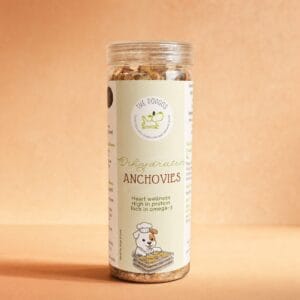
But here’s the kicker: ghee also doesn’t *fix* that Omega-6 imbalance. For that, you absolutely MUST add a dedicated Omega-3 source like Hemp Seed Oil or Dehydrated Anchovies to every single chicken meal. These aren’t just “toppers,” guys; they’re “balancers” that actually restore that crucial Omega-6:3 equilibrium. Think of ghee as a supportive fat, not your main essential fatty acid source.
Seriously, this is a game-changer for so many dogs.
Ghee vs. Other Popular Oils: A Comparison for Indian Pet Parents
| Fat Source | Primary Benefits | The Desi Carnivore Takeaway |
|---|---|---|
| Ghee | Butyric acid (gut health), fat-soluble vitamins (A, D, E, K), energy, palatability, low in PUFAs. | Great for picky eaters, awesome for gut support, and it’s generally safe for dogs with moderate lactose sensitivity. Doesn’t add to that Omega-6 inflammation. Just remember to use it sparingly! |
| Coconut Oil | Medium-chain triglycerides (MCTs) for energy, lauric acid (antimicrobial). | Honestly? Often way overhyped. A lot of dogs really struggle to digest it, and it can cause quite a bit of digestive upset. Plus, it can feel heavy and just sit on the skin, potentially clogging pores if you use it on their fur. And it’s not a source of essential fatty acids, either. |
| Olive Oil | Monounsaturated fats, antioxidants. | Okay for us humans, but honestly, not really ideal for dogs as a primary fat source. Dogs just don’t process plant-based oils as efficiently as they do animal fats or certain specific plant oils like hemp. Give them too much, and you might see some loose stools, na? |
| Hemp Seed Oil | Ideal 3:1 Omega-6:3 ratio, rich in GLA (anti-inflammatory Omega-6), skin barrier support, mild anxiolytic. | Hands down, our #1 choice for balancing Omega-6 inflammation. This is direct medicine for itchy skin, dandruff, and dry paws. A real essential fatty acid balancer. It’s plant-based and totally odourless. What’s not to love? |
| Anchovies / Sardines | Rich in DHA and EPA (Omega-3s) for brain, heart, joint health. “Eat low on the food chain” ensures no heavy metals. | Another fantastic Omega-3 balancer. It’s absolutely crucial for puppies’ brain development and senior dog cognitive function. And hey, it also gives them calcium from the bone! A functional treat and a truly vital supplement. My Beagle, Buddy, goes nuts for them! |
So yeah, as you can see, ghee definitely has its place. But it absolutely doesn’t replace the need for a dedicated Omega-3 source like Hemp Seed Oil or Anchovies. Just think of it as a helpful addition, not a complete solution for getting that fat balance just right.
How to Safely Incorporate Ghee into Your Dog’s Diet
The biggest secret to feeding ghee? Moderation. Always start small, okay? And just watch your dog closely for any signs of a tummy upset. Remember, dogs are totally carnivores by nature. Their digestive system is built for meat and fat, but even then, too much of a good thing can still cause issues. Even for them.
Recommended Dosage (General Guideline):
- Small Dogs (under 10 kg): ¼ to ½ teaspoon per day.
- Medium Dogs (10-25 kg): ½ to 1 teaspoon per day.
- Large Dogs (over 25 kg): 1 to 2 teaspoons per day.
Always, always introduce new foods slowly. If your dog’s got a sensitive stomach or a history of pancreatitis, seriously, talk to your vet before you even think about adding ghee.
A “Desi Carnivore” Ghee Boost for Picky Eaters
- Prepare a Golden Chicken Bowl: Let’s prep a Golden Chicken Bowl: Grab 500g chicken thighs (bone-in, skin-on, super important for taurine!), 50g liver (that’s your Vitamin A), and 100g red pumpkin (for fibre). Then, pressure cook it for 2-3 whistles. Easy peasy.
- Debone Safely: Once it’s cooked, DEBONE that chicken completely. No, really. This is absolutely non-negotiable. Cooked bones? They’re brittle, they shatter into sharp splinters, and they pose a fatal risk of internal perforation. Don’t mess with it.
- Mash and Mix: Mash the pumpkin right into the chicken and broth. Get it all mixed up.
- Cool Down: Let the meal cool down to warm or room temperature. Patience, my friend.
- Add Balancers: Now, mix in your essential balancers: a scoop of Hemp Meal Balancer (for amino acids and fibre) and a drizzle of Hemp Seed Oil or a sprinkle of Dehydrated Anchovies (for those all-important Omega-3s). Don’t skip these!
- The Ghee Touch: *Now* for the ghee touch! Add a small, appropriate amount (say, ½ tsp for a medium dog) and mix it right in. This gives it that extra flavour and an energy boost, all without messing up the Omega-3 balance. Genius, right?
This method? It makes sure your dog gets all the good stuff from ghee without missing out on those crucial essential fatty acids or, even worse, risking harm from cooked bones. Seriously, we advocate for “Cook the Meal, Dehydrate the Bone” for a very good reason. For calcium, please, rely on safe, dehydrated bones that crumble safely. They’ll give you that vital 1.2:1 Calcium:Phosphorus ratio without the danger. Honestly, most vets won’t tell you this, but it’s a huge difference for bone safety.
Common Mistakes Indian Pet Parents Make with Ghee
- Overfeeding: This is, hands down, the most common mistake. Thinking ‘more is better’ with ghee? That can quickly lead to weight gain, diarrhoea, or even pancreatitis. Just stick to those small, recommended dosages, okay?
- Using it as a Primary Fat Source: Ghee’s wonderful, don’t get me wrong. But it absolutely does NOT give you the essential Omega-3 fatty acids that are critical for cutting down inflammation and helping with overall health. Just relying on ghee means your dog’s missing out on super vital nutrients. A big no-no.
- Ignoring the Omega-6:3 Imbalance: A lot of Indian pet parents blame skin issues or “heat” on specific proteins, like chicken. But like I’ve explained, the real problem is often that inflammatory Omega-6 overload in commercial chicken. Just adding ghee without also adding Omega-3s? That won’t fix the underlying issue, trust me.
- Expecting Miracles: Look, ghee is a beneficial supplement, not some magic bullet. It helps with overall health, sure, but it won’t fix a fundamentally imbalanced diet or tackle severe underlying health conditions all by itself. Be realistic, yaar.
- Adding to Unsuitable Base Diets: Yes, ghee can make food tastier. But it really shouldn’t be added to a diet that’s mostly high-carb, low-nutrient foods like roti or kibble. Think about it: a carnivore’s digestive system isn’t made for processing a lot of starch. Adding rich fat to that kind of diet can actually strain their system even more. It’s just not a good combo.
For a truly holistic approach to your dog’s diet, I super highly recommend checking out our full guide on What Should I Feed My Dog? It’ll really help you understand how all the different pieces fit together for optimal health. You won’t regret it.
Frequently Asked Questions About Ghee for Dogs
Q1: Can puppies eat ghee?
A1: Yep, puppies can totally have a tiny bit of ghee (like, say, ¼ teaspoon for a small puppy) once they’re fully weaned and on solid food. It can actually give them some extra energy and those crucial fat-soluble vitamins they need for growth. But remember, always introduce it super slowly and watch out for any tummy troubles. And please, prioritise DHA-rich Omega-3s like Dehydrated Anchovies for amazing brain development in puppies. That’s key!
Q2: Is ghee good for a dog’s skin and coat?
A2: So, the fat-soluble vitamins (especially Vitamin E) in ghee *can* indirectly help with skin and coat health. But honestly, it’s not the main go-to solution for stuff like dry skin or dull fur. For direct, really powerful skin and coat benefits, especially for inflammatory conditions like “hot spots” or dry paws, Hemp Seed Oil (with its GLA) and Baobab Oil (which you’d use topically) are way, way more effective. Ghee helps from the inside, sure, but it doesn’t target specific problems the way Omega-3s or Baobab Oil can. Think of it as a good team player, not the MVP for skin and coat, you know?
Q3: Can ghee help with dog constipation?
A3: Yeah, a tiny bit of ghee can sometimes help lubricate the digestive tract and maybe ease mild constipation. But if your dog’s constipation is a chronic thing, that’s often a big sign of not enough fibre, dehydration, or just a diet that isn’t quite right. So, make sure your dog’s getting enough moisture (fresh food is, like, 70% water, compared to kibble’s measly 10%) and fibre from things like pumpkin or green beans. And hey, adding a pinch of Baobab Powder can also give them some prebiotic fibre to help regulate that gut health. It’s all about balance, right?
Q4: What about the lactose in ghee? My dog is lactose intolerant.
A4: Okay, so when you make ghee, that whole process strips out almost all the lactose and casein (those are the milk solids) from the butter. This actually makes ghee generally safe for most lactose-intolerant dogs. See, unlike milk or even curd (which, by the way, is usually fine in small amounts, check out our guide on Can Dogs Eat Curd?), ghee is basically pure fat. Not dairy protein or sugar. If your dog’s super sensitive though, just introduce a tiny, tiny amount and watch them like a hawk. Better safe than sorry, always.
Q5: Can ghee cause pancreatitis in dogs?
A5: Yes, absolutely it can. Ghee is almost 100% fat, after all. And while it’s beneficial in small amounts, overfeeding ghee – especially to dogs who are prone to pancreatitis or just aren’t used to rich foods – can totally trigger this painful and serious condition. So, always stick to those tiny, appropriate dosages, and introduce it super gradually. If your dog’s ever had pancreatitis, honestly, it’s probably best to just skip the ghee or have a really good chat with your vet first. Don’t take chances.
So, ghee can totally be a beneficial addition to your dog’s diet. It offers good fats, those crucial fat-soluble vitamins, and great gut support. But here’s the deal: like everything else in a species-appropriate diet, you really need to understand it and use it correctly. Balance is absolutely key, and true balance for a desi carnivore comes from nutrient-dense, cooked meats, safe dehydrated bones for calcium, and essential Omega-3s to fight off inflammation. That’s just the Desi Carnivore way, pure and simple.
Disclaimer: While I am a certified canine nutritionist, this information is for educational purposes only and not a substitute for professional veterinary advice. Always consult your veterinarian for any health concerns or before making significant changes to your dog’s diet, especially if they have pre-existing health conditions.