
Cats are true obligate carnivores, designed by nature to thrive on meat. Yet, in many Indian homes, feline diets often fall short, leading to dull coats, lethargy, and even serious health issues. The missing link? Essential fatty acids and vital amino acids like taurine.
Quick Answer: The ideal omega-3 & fish oil for Indian cats, providing essential taurine and DHA, comes from small, short-lived fish like dehydrated anchovies and sardines. These sources offer high concentrations of beneficial omega-3s (EPA and DHA) with minimal risk of heavy metal contamination, crucial for your cat’s brain, heart, and vision health.
Why Omega-3s and Fish Oil Are Non-Negotiable for Your Indian Cat
Your cat isn’t just a small dog; their nutritional needs are distinct and absolute. As obligate carnivores, they must get their nutrients from animal sources. Two crucial components often overlooked are Omega-3 fatty acids (specifically EPA and DHA) and the amino acid taurine.
The Power of EPA and DHA
- DHA (Docosahexaenoic Acid): This is a powerhouse for brain and vision development. For kittens, it’s critical for optimal learning and sharp eyesight. For senior cats, DHA helps prevent Cognitive Dysfunction Syndrome, keeping their minds agile.
- EPA (Eicosapentaenoic Acid): The anti-inflammatory hero. EPA helps reduce inflammation throughout the body, which can manifest as itchy skin, dull coats, stiff joints, and even chronic conditions. In India’s often humid and dusty environment, reducing inflammation is key to comfortable living for your cat.
Taurine: The Feline Lifeline
Unlike dogs, cats cannot synthesise enough taurine in their own bodies. They must get it from their diet, and it must be present in every meal. Taurine deficiency can lead to severe health problems, including:
- Dilated Cardiomyopathy (DCM): A life-threatening heart condition where the heart muscle becomes thin and weak.
- Feline Central Retinal Degeneration: Leading to irreversible blindness.
- Reproductive failure and stunted growth in kittens.
Many homemade cat diets, especially those relying heavily on cooked meat without organs or proper supplementation, are dangerously low in taurine. This is where a targeted supplement becomes vital. You can learn more about best natural taurine sources for cats in India.
The “Heat” Myth vs. Omega-6 Inflammation: An Indian Perspective
In India, it’s common to hear cat parents express concerns about certain foods, like fish or chicken, causing “heat” in their pets, leading to skin issues or discomfort. As a certified canine nutritionist, I’ve seen this misunderstanding countless times. What’s often perceived as “heat” is, in fact, an inflammatory response.
Commercial chicken, the staple protein for many Indian cats, is typically fed a corn and soy-heavy diet. This results in chicken meat with an Omega-6:3 ratio often as high as 20:1 or even 30:1. While Omega-6s are essential, such an imbalance floods your cat’s body with inflammatory markers. This can manifest as:
- Excessive shedding
- Dull, greasy coat
- Paw licking (though less common in cats, can be a sign)
- General skin irritation
Adding high-quality Omega-3s from fish oil directly counteracts this. It rebalances the Omega-6:3 ratio, effectively calming the inflammatory “fire” that’s often mistaken for “heat.” So, instead of avoiding essential proteins, we need to balance the fats.
I remember a Persian cat in Chennai, a regular client, who suffered from chronic dullness in her luxurious coat and occasional skin flakes. Her owner was convinced fish caused ‘heat’ and avoided it. After explaining the Omega-6 imbalance and introducing small, daily portions of Dehydrated Anchovies, within four weeks, her coat regained its lustre and the flaking disappeared. It wasn’t ‘heat’; it was inflammation, and the anchovies were the perfect anti-inflammatory.
Anchovies and Sardines: The Ideal Omega-3 & Fish Oil for Indian Cats
When selecting a fish oil or fish source for your cat, not all options are created equal. The key is to “eat low on the food chain.” This means choosing small, short-lived fish that primarily feed on plankton.
Why Small Fish Are Superior
- No Heavy Metal Bioaccumulation: Larger, longer-lived fish like tuna, mackerel, and shark accumulate heavy metals (like mercury) over their lifespan. Feeding these regularly can lead to toxic levels in your cat. Anchovies and sardines, living only a few years, have negligible heavy metal content.
- Rich in Omega-3s: Despite their size, these tiny fish are packed with EPA and DHA, making them incredibly potent sources of these essential fatty acids.
- Natural Taurine Source: As whole prey (or nearly whole, in the case of dehydrated fish), anchovies and sardines naturally contain significant amounts of taurine, directly supporting your cat’s heart and eye health.
For Indian households, especially given the challenges of sourcing fresh, safe fish from wet markets and the general humidity, dehydrated fish offers an unparalleled solution. It eliminates the hygiene risks of raw fish and the hassle of cooking.
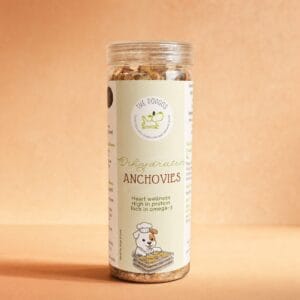
Dehydrated Anchovies: A Powerhouse for Feline Health
Our Dehydrated Anchovies are an excellent choice for several reasons:
- Concentrated Nutrition: Dehydration removes water, concentrating the Omega-3s, protein, and taurine.
- Odour-Controlled: Unlike cooking fresh fish, dehydrated anchovies are significantly less odorous, making them palatable for both cats and their human companions. This is a huge plus for vegetarian households.
- Easy to Serve: Simply sprinkle a few over your cat’s meal or offer them as a healthy treat. No cooking, no mess.
- Brain & Vision Boost: High DHA content supports cognitive function and sharp eyesight, vital for playful kittens and graceful seniors.
- Heart Health: The natural taurine content contributes directly to a strong, healthy heart.
Dehydrated Sardines: Another Excellent Choice
Much like anchovies, Dehydrated Sardines offer similar benefits. They are also small, plankton-eating fish rich in Omega-3s and taurine. Offering both can provide variety and ensure a broad spectrum of nutrients. They are particularly good for skin and coat health due to their high fatty acid content.
How Much Omega-3 Does Your Cat Need? Dosage & Feeding Guide
The exact dosage of Omega-3s depends on your cat’s weight, age, and health status. However, as a general guideline for healthy adult cats, you can start with the following:
- For Dehydrated Anchovies: 1-2 small anchovies per day for an average 3-5 kg cat. You can sprinkle them whole or crumbled over their wet food.
- For Dehydrated Sardines: 1 small sardine, broken into pieces, every 2-3 days for an average 3-5 kg cat. Sardines are slightly larger and richer, so a bit less is often sufficient.
Introduction: Always introduce new foods slowly. Start with half the recommended amount for the first few days to allow your cat’s digestive system to adjust. Monitor for any signs of upset stomach, though fish is generally well-tolerated by cats.
For cats with specific health conditions (e.g., severe arthritis, kidney issues), it’s always best to discuss with a feline nutritionist or your vet to tailor the exact dosage.
Common Mistakes Indian Cat Parents Make with Fish Oil
While the intention is good, several common pitfalls can turn a beneficial supplement into a harmful one:
- Using Human Fish Oil Supplements: Many human fish oil products contain additives, flavourings, or concentrations of vitamins (like Vitamin D or A) that can be toxic to cats. They are also not formulated with a cat’s specific taurine needs in mind.
- Feeding Large Predatory Fish: As discussed, tuna, kingfish, and mackerel, while rich in Omega-3s, carry a higher risk of heavy metal contamination. These should be avoided as regular dietary components for cats.
- Not Ensuring Taurine in Every Meal: Relying solely on a fish oil capsule without ensuring other taurine sources (like organ meat or whole prey) in the diet can still lead to deficiency. Dehydrated whole fish, on the other hand, provides both.
- Believing Fish Causes “Heat”: This myth often leads to cats being deprived of crucial Omega-3s. Understanding that the issue is Omega-6 imbalance, not inherent “heat,” allows for proper dietary adjustments.
- Over-Supplementation: While rare with natural sources like dehydrated fish, excessive amounts of any supplement can cause imbalances. Stick to recommended dosages.
Frequently Asked Questions about Fish Oil for Cats