
Cats are not just small dogs. They are obligate carnivores. Their bodies are built to process and thrive on meat. One of the most critical nutrients they require, and one many Indian cat parents overlook, is taurine. A deficiency here can lead to serious, irreversible health issues.
The best natural taurine sources for cats in India are fresh organ meats like heart and liver, and dark muscle meats. Small, oily fish such as anchovies and sardines also provide crucial taurine and vital Omega-3s for brain and coat health. For consistent intake, The Doggos Dehydrated Bone and Organ Boost offers a concentrated, safe supplement for your feline friend.
Why Taurine is Non-Negotiable for Your Cat’s Health
Unlike dogs and humans, cats cannot make enough taurine from other amino acids to meet their needs. It must come directly from their diet. Without enough taurine, a cat’s health can fall apart fast, leading to devastating conditions. A cat’s daily taurine requirement is approximately 35-50 mg per kg of body weight, but can be higher depending on diet and life stage.
The Dangers of Taurine Deficiency:
- Dilated Cardiomyopathy (DCM): This severe heart condition weakens the heart muscle. It impairs its ability to pump blood. It can be fatal if not caught and treated early.
- Feline Central Retinal Degeneration: Taurine is vital for eye health. A deficiency can lead to irreversible blindness as the retina breaks down.
- Reproductive Issues: Pregnant queens might experience reproductive failure. Kittens born to taurine-deficient mothers can have developmental problems or poor growth.
- Immune System Compromise: Taurine helps support immune function. Deficient cats are more prone to infections.
Commercial kibble diets are common in India. These often have insufficient or degraded taurine levels from processing. The high-heat extrusion process used to make kibble significantly reduces the bioavailability of taurine, making it more important than ever for Indian cat parents to focus on natural, fresh sources. Kibble, often high in carbohydrates, can also raise stomach pH, making it less acidic and hindering nutrient absorption for obligate carnivores.
Top Natural Taurine Sources for Indian Cats
When it comes to giving your cat essential taurine, fresh, species-appropriate foods are always the best choice. Here’s a look at the most effective natural sources:
Organ Meats: The Taurine Powerhouse
Organ meats are by far the richest natural sources of taurine. They should be a cornerstone of any feline diet.
- Heart: Chicken heart, goat heart, or lamb heart are incredibly rich in taurine. Heart muscle is concentrated with this amino acid because of its constant activity.
- Liver: While not as high in taurine as heart, liver is still a good source and packed with other vital nutrients like Vitamin A.
- Kidney: Another excellent organ meat that contributes to overall nutrient intake, including taurine.
When sourcing organ meats from your local Indian wet market, ensure they are fresh and handled hygienically. Always gently cook them to kill pathogens. This is a crucial step given India’s climate and market conditions. Remember, cats are obligate carnivores, so these meats are exactly what their bodies are designed to consume.
Muscle Meats: Essential, But Not Enough
All muscle meats contain taurine, but usually in lower concentrations than organ meats. They form the bulk of a cat’s diet and are essential for overall protein intake.
- Dark Meat Poultry: Chicken thighs and drumsticks contain more taurine than breast meat. The darker the meat, the higher the taurine content.
- Goat/Mutton: A good source of muscle meat, offering variety and different nutrient profiles.
- Whole Prey: If available and ethically sourced, whole prey like dehydrated whole quail can provide a balanced intake of muscle, organ, and bone, mimicking a cat’s natural diet.
Cooking can reduce taurine levels, especially with high-heat methods or prolonged cooking. Gentle cooking methods like steaming or light simmering are preferred. The key is to never feed cooked bones, as they splinter dangerously.
Fish: A Smart Addition for Taurine and Omega-3s
Certain fish species are not only excellent sources of Omega-3 fatty acids but also contribute significantly to taurine intake. This dual benefit makes them invaluable for feline health, addressing the need for both taurine and DHA.
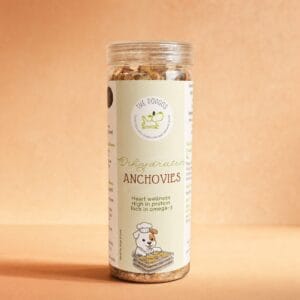
- Anchovies and Sardines: These small, oily fish are low on the food chain, meaning they have minimal heavy metal contamination, unlike larger fish like tuna or mackerel. They are fantastic sources of both taurine and DHA, vital for brain development in kittens and preventing Cognitive Dysfunction Syndrome in senior cats. DHA and EPA also act as powerful anti-inflammatory agents, supporting skin, coat, and joint health. Think of them not just as treats, but as essential balancers for a meat-heavy diet. The Doggos Dehydrated Anchovies and Dehydrated Sardines are convenient, odour-controlled ways to add this to your cat’s diet.
- Bombay Duck: Another popular small fish in India, dehydrated Bombay Duck offers a novel protein source that cats can enjoy, contributing to their overall nutrient intake.
Always choose small fish to avoid mercury concerns. Dehydrated options are excellent as they retain nutrients and eliminate the need for cooking, reducing mess and effort.
Taurine and Omega-3 Content Comparison (Approximate per 100g raw)
| Source | Primary Nutrient | Taurine (mg) | Omega-3 (DHA/EPA) (mg) | Notes |
|---|---|---|---|---|
| Chicken Heart | Taurine, Iron | 120-150 | Low (5-10) | Taurine powerhouse, essential for feline diet. |
| Goat Heart | Taurine, Iron | 100-130 | Low (5-10) | Excellent alternative, rich in iron and B vitamins. |
| Chicken Thigh | Protein, Taurine | 30-50 | Low (5-10) | Good daily muscle meat, higher taurine than breast. |
| Beef Liver | Vit A, Iron | 40-70 | Low (5-10) | Rich in Vitamin A, iron, and other vital minerals. |
| Anchovies (fresh) | Omega-3, Taurine | 60-90 | 1400-1700 | Brain, eye, and anti-inflammatory support. |
| Sardines (fresh) | Omega-3, Taurine | 70-100 | 1000-1300 | Similar benefits to anchovies, great for coat health. |
| The Doggos Dehydrated Bone and Organ Boost | Taurine, Iron | Concentrated | N/A | Guaranteed intake, convenient powdered supplement. |
The Doggos Solution: Dehydrated Bone and Organ Boost for Cats
Ensuring your cat consistently receives enough taurine can be a challenge, especially if you’re preparing homemade meals. That’s where The Doggos Dehydrated Bone and Organ Boost becomes an invaluable addition to your cat’s diet.
This unique blend is specifically formulated with a concentrated mix of organ meats, including heart and liver, making it a potent natural source of taurine. Here’s why The Doggos Dehydrated Bone and Organ Boost is a big change for Indian cat parents:
- Guaranteed Taurine Intake: The Dehydrated Bone and Organ Boost provides a consistent, high dose of taurine, ensuring your cat meets their daily requirements without guesswork.
- Convenience and Safety: Made from human-grade ingredients and gently dehydrated, it’s a safe and easy-to-use powder. Simply sprinkle it over your cat’s cooked meals. This bypasses the hygiene risks associated with raw organ meats from local markets, aligning with our “Cook the Meal, Dehydrate the Bone” philosophy.
- Rich in Essential Nutrients: Beyond taurine, the Dehydrated Bone and Organ Boost is packed with iron, B vitamins, and other vital minerals found in organs, supporting overall feline vitality, energy, and blood health. This is particularly beneficial for cats recovering from illness or those needing an extra nutritional push.
- Perfect for Homemade Diets: If you’re cooking chicken or other muscle meats at home, adding a scoop of Dehydrated Bone and Organ Boost balances the meal, transforming a basic protein source into a complete, taurine-rich meal.
As Mahiv Amit Chhabra, I developed this boost specifically to address common nutritional gaps in Indian pet diets. It’s a simple, effective way to ensure your cat gets the critical taurine they need to thrive.
How to Ensure Your Cat Gets Enough Taurine Daily
Here are practical steps to incorporate taurine-rich foods into your cat’s diet:
- Prioritise Organ Meats: Aim to include heart, liver, or kidney in at least 2-3 meals per week. Gently cook them until done, then chop finely or mash for easy consumption.
- Balance Muscle Meats: Use dark meat poultry (like chicken thighs) more often than lean breast meat. Always cook and debone thoroughly.
- Add Fish Regularly: Sprinkle dehydrated anchovies or dehydrated sardines over meals a few times a week, or offer small, cooked pieces of sardine. Remember these are crucial for Omega-3 balance, not just taurine.
- Supplement Smartly: For guaranteed intake, especially with homemade diets, use The Doggos Dehydrated Bone and Organ Boost daily. Follow the recommended dosage for your cat’s weight.
- Avoid Vegan/Vegetarian Diets: Cats are obligate carnivores. A vegetarian diet is biologically inappropriate and dangerous for them, leading to severe taurine deficiency and other nutrient imbalances.
Remember, fresh food contains significant water content (around 70%), which is excellent for your cat’s kidney health. This is a stark contrast to kibble, which is only about 10% water.
Common Mistakes Indian Cat Parents Make with Taurine
Many well-meaning cat parents in India inadvertently put their felines at risk of taurine deficiency. Here are the most common pitfalls:
- Over-reliance on Kibble: While some premium kibbles claim to be taurine-fortified, the processing often degrades the amino acid. Kibble is typically high in carbohydrates, which can raise stomach pH and make nutrient absorption less efficient for carnivores.
- Feeding Only Lean Muscle Meat: A diet solely of chicken breast, while high in protein, is insufficient in taurine and other vital nutrients found in organs and bone.
- Boiling Meat Excessively: Prolonged boiling or high-heat cooking can leach or destroy taurine. Gentle cooking is key.
- Ignoring the “Raw is Risky” Rule in India: While raw diets are theoretically species-appropriate, the hygiene gap in Indian wet markets means raw meat often carries pathogens like Salmonella and E.coli. Cooking is a non-negotiable step for home-prepared meals to ensure safety, followed by proper taurine supplementation if needed. You can read more about this in our guide on raw food diets for dogs in India, principles which largely apply to cats.
- Feeding Human Food Scraps: While a small piece of cooked chicken is fine, relying on diverse human food scraps (especially those with spices, onions, garlic, or excessive carbs) for a cat’s primary diet is nutritionally inadequate and potentially toxic.
For more insights into feeding your feline friend, you can explore our guide on the best cat treats in India, many of which can also contribute to their overall health.
Expert Insights from Mahiv Amit Chhabra
As a certified canine nutritionist and the author of “The Desi Carnivore,” I, Mahiv Amit Chhabra, advocate for species-appropriate, whole-food diets for all carnivores, including cats. My methodology, “Cook the Meal, Dehydrate the Bone,” applies equally to felines when preparing their meals at home.
From Mahiv’s Practice: A Success Story
In my practice, I’ve seen many Indian street cats and pedigree breeds like the Persian cat struggling with early signs of heart weakness and dull coats, often due to years of kibble and insufficient fresh organ meat. For a 4kg adult Persian cat, introducing 1/4 teaspoon of The Doggos Dehydrated Bone and Organ Boost daily, alongside gently cooked chicken heart 2-3 times a week, can show remarkable improvements in energy, coat lustre, and overall vitality within 60-90 days. It’s about consistency and providing what their biology truly craves.
My experience with countless Indian pet parents has shown me that taurine deficiency is a silent epidemic among cats. It’s often misdiagnosed or attributed to other causes until it’s too late. By understanding the critical role of taurine and actively incorporating natural sources into their diet, you can prevent immense suffering and ensure your cat lives a long, healthy life.
Don’t wait for symptoms to appear. Be proactive about your cat’s taurine intake. It’s one of the simplest yet most impactful changes you can make to their diet.
Ensuring your cat gets adequate taurine is not just about avoiding illness, it’s about helping them thrive. By prioritising natural, wholesome sources like organ meats and Omega-3 rich fish, and supplementing with a reliable product like The Doggos Dehydrated Bone and Organ Boost, you’re providing the foundation for a healthy heart, sharp eyesight, and robust overall health. Make the smart choice for your feline companion today.