
Walk into any pet store in India, from a bustling market in Mumbai to a quiet boutique in Bengaluru, and you’ll be bombarded with colourful bags of kibble, promising ‘complete and balanced’ nutrition. But here’s the hard truth: kibble is a highly processed, carbohydrate-heavy convenience food that goes against everything your dog’s ancestral biology screams for. It’s time we, as responsible Indian dog parents, look beyond the marketing hype and truly understand what our furry carnivores deserve.
So, why should you ditch the kibble and embrace a natural, species-appropriate diet? Because a raw, whole-food diet provides superior nutrition, supports optimal digestion, boosts immunity, and promotes overall vitality that highly processed kibble simply cannot match, aligning perfectly with your dog’s inherent carnivorous nature.
Kibble vs. Natural Dog Food: The Fundamental Divide
As Mahiv Amit Chhabra, a certified canine nutritionist and the voice behind The Desi Carnivore, I’ve seen countless dogs transform once their parents make the switch. The difference isn’t just visible; it’s fundamental, rooted in biology.
What is Kibble, Really?
Let’s strip away the fancy packaging and buzzwords. Kibble, at its core, is a dry, shelf-stable product created through a process called extrusion. Think of it like a giant pressure cooker where ingredients are mixed, cooked at extremely high temperatures, and then pressed into those uniform shapes.
- High Carbohydrate Content: To hold those shapes, kibble relies heavily on grains like corn, wheat, rice (yes, even the ‘grain-free’ ones often use potatoes, peas, or lentils – still carbs!), and other starchy vegetables. This is a massive red flag for a carnivore.
- Processed Ingredients: The ‘meat’ in kibble is often rendered animal by-products, meat meals, or highly processed forms that have lost much of their nutritional value during cooking.
- Synthetic Vitamins and Minerals: Due to the extreme processing, most natural nutrients are destroyed. Manufacturers then ‘fortify’ kibble with synthetic vitamins and minerals, which are often poorly absorbed by your dog’s body.
- Preservatives and Additives: To ensure a long shelf life, kibble is packed with artificial preservatives, colours, and flavour enhancers. These can be detrimental to long-term health.
The Carnivore Blueprint: What Dogs Should Eat
Your dog, whether a proud Indie street dog, a majestic Rajapalayam, or a spirited Mudhol Hound, shares the same digestive system as their wolf ancestors. They are facultative carnivores, meaning their bodies are designed to thrive on a diet primarily consisting of animal proteins, fats, and a small amount of plant matter (often from the gut contents of prey).
- Raw Meat: The foundation of a natural diet. Provides highly digestible protein, essential amino acids, and natural enzymes.
- Organs: Nutrient powerhouses like liver, heart, and kidney are packed with vitamins (A, B, D, E, K), minerals, and amino acids.
- Bones: Crucial for calcium, phosphorus, and other minerals, as well as for dental health. Raw, meaty bones are very different from cooked bones. Want to know more? Check out our post: Can Dogs Eat Bones?
- Minimal Plant Matter: A small amount of fibrous vegetables and fruits can provide antioxidants and fibre, but they should never form the bulk of the diet.
Why does this matter? Because a dog’s short, acidic digestive tract is perfectly engineered to break down raw meat and bone, not complex carbohydrates. Feeding kibble is like asking a lion to thrive on a diet of biscuits.
Kibble vs. Natural Diet: A Quick Comparison
Let’s put it simply, so you can see the stark contrast:
| Feature | Kibble (Processed Dry Food) | Natural, Species-Appropriate Diet (Raw) |
|---|---|---|
| Primary Energy Source | Carbohydrates (grains, potatoes, peas) | Animal protein & fat |
| Ingredients | Rendered meats, fillers, synthetic vitamins, preservatives | Fresh muscle meat, organs, raw meaty bones, minimal veggies |
| Processing | Extreme heat extrusion, high pressure | Minimal to no processing (frozen, dehydrated) |
| Nutrient Retention | Poor; synthetic supplementation required | Excellent; naturally occurring, bioavailable nutrients |
| Digestibility | Often poor; can cause inflammation, bloat | Excellent; enzymes intact, easy for carnivore digestive system |
| Moisture Content | Low (approx. 5-10%) | High (approx. 65-75%) |
| Dental Health | Can contribute to plaque build-up | Promotes clean teeth, healthy gums (with raw bones) |
The Hidden Dangers of a Kibble-Only Diet
I often hear Indian dog parents say, "My dog has been on kibble for years and seems fine." But ‘seeming fine’ is not ‘thriving’. Many chronic health issues we attribute to ‘old age’ or ‘genetics’ are, in fact, diet-related.
Chronic Inflammation and Disease
The high carbohydrate content in kibble can lead to systemic inflammation. Just like in humans, chronic inflammation in dogs is the root cause of many health problems:
- Allergies and Skin Issues: Itchy skin, hot spots, constant paw licking, and dull coats are rampant among kibble-fed dogs.
- Joint Problems: Inflammation can exacerbate conditions like arthritis, making movement painful, especially in larger breeds or older dogs.
- Gut Dysbiosis: The lack of natural enzymes and probiotics, combined with indigestible ingredients, disrupts the delicate balance of gut flora, leading to IBS, loose stools, and malabsorption.
Nutritional Deficiencies and Bioavailability
While kibble labels boast ‘complete and balanced,’ this often refers to meeting minimum requirements with synthetic nutrients. The bioavailability – how well the body can absorb and utilise these nutrients – is often poor. Natural, whole foods offer nutrients in their most bioavailable form, complete with synergistic co-factors that synthetic versions lack.
The Sugar Spike: Carbs and Canine Health
Imagine eating a diet primarily of instant noodles or rice every day. That’s essentially what kibble does to your dog. High carbohydrates lead to:
- Obesity: Excess carbs are stored as fat. India sees a rising number of overweight dogs, contributing to joint issues, heart disease, and reduced lifespan.
- Diabetes: Constant blood sugar spikes can lead to insulin resistance and type 2 diabetes, a condition increasingly seen in dogs.
- Low Energy: The initial sugar rush is often followed by a crash, leaving dogs lethargic, rather than truly energised.
Preservatives, Additives, and Toxins
The chemicals used to preserve kibble and make it ‘appealing’ are not benign. Long-term exposure to artificial colours, flavours, and preservatives can strain the liver and kidneys, contribute to behavioural issues, and may even be carcinogenic. My philosophy is simple: if you wouldn’t eat it, why would you feed it to your most cherished companion?
Unleashing the Natural: Benefits of a Species-Appropriate Diet
Switching to a natural, species-appropriate diet isn’t just about avoiding harm; it’s about unlocking your dog’s full potential for health and happiness. Here’s what you can expect:
Radiant Skin and Lustrous Coat
This is often one of the first and most dramatic changes people notice. A diet rich in natural fats (like those from animal sources) and omega-3 fatty acids translates to a soft, shiny coat, reduced shedding, and healthier skin. No more dry, flaky patches or incessant itching!
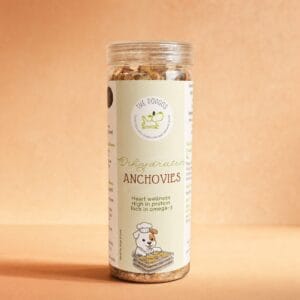
- The Doggos Tip: Our Dehydrated Fish Treats like anchovies are packed with natural Omega-3 for unparalleled skin and coat health. For an extra boost, consider our Hemp Seed Oil, a fantastic anti-inflammatory and coat enhancer. And for topical healing, Baobab Oil is a miracle worker.
Optimal Digestion and Gut Health
When you feed food your dog is designed to eat, their digestive system functions optimally. You’ll see:
- Smaller, Firmer, Less Odorous Stools: A sign that their body is efficiently absorbing nutrients, leaving less waste.
- Reduced Bloat and Gas: Proper digestion means less fermentation in the gut.
- Stronger Gut Microbiome: Natural enzymes and beneficial bacteria thrive, leading to better nutrient absorption and overall health.
Stronger Immunity and Disease Resistance
A nourished body is a resilient body. The rich array of bioavailable vitamins, minerals, and antioxidants in a natural diet fortifies the immune system. This means your dog is better equipped to fight off infections, allergies, and even more serious diseases.
- The Doggos Tip: Dehydrated Organ Treats like liver and heart are nutrient-dense superfoods that provide a concentrated dose of immune-boosting vitamins and minerals. Think of them as nature’s multivitamin.
Sustained Energy and Healthy Weight
Protein and healthy fats provide a steady release of energy, unlike the quick spikes and crashes from carbohydrates. Dogs on a natural diet typically have:
- More Consistent Energy Levels: Ready for zoomies and walks without the afternoon slump.
- Easier Weight Management: Their bodies are better at regulating weight when fed appropriate macros, leading to lean muscle mass rather than fat.
Dental Health
This is a big one! Raw meaty bones act as nature’s toothbrush, scraping away plaque and tartar. The act of chewing also strengthens jaw muscles. Forget dental chews full of starches; give them a real bone!
Mental Clarity and Behaviour
It might sound surprising, but diet impacts behaviour. Stable blood sugar, proper brain nutrition (especially from omega-3s and B vitamins), and reduced inflammation can lead to calmer, more focused, and less anxious dogs.
People Also Ask: Is a Vegetarian Diet Suitable for Dogs in India?
This is a question I get asked *a lot* in India, given our cultural context. Let me be unequivocally clear: No, a vegetarian diet is NOT suitable for dogs. Dogs are carnivores. While they *can* survive on plant-based diets, they will not thrive. Their bodies are not designed to process and extract nutrients efficiently from plant matter alone.
Many Indian households, out of cultural beliefs or convenience, feed their dogs rotis, rice, or paneer. While these might be ‘food,’ they are not ‘nutrition’ for a carnivore. This leads to long-term deficiencies, digestive issues, and a host of health problems that could be avoided. If you’re still wrestling with this concept, I urge you to read my detailed breakdown: Can Dogs Be Vegetarian?
Making the Switch: A Practical Guide for Indian Dog Parents
Transitioning from kibble to a natural diet can seem daunting, but it’s simpler than you think. Here’s how to approach it, especially in the Indian context:
Understanding the Transition
Don’t switch cold turkey! Your dog’s digestive system needs time to adjust to a new type of food, especially if they’ve been on kibble for years. Start by gradually replacing a small portion of their kibble with raw food over 7-10 days, slowly increasing the raw amount while decreasing the kibble.
Sourcing Quality Ingredients in India
This is key! You need fresh, human-grade meat. Don’t be shy to visit your local butcher shop. Many now understand the need for pet-friendly cuts. Look for:
- Chicken: Thighs, drumsticks, necks (with bone), hearts, livers. Be mindful of potential sensitivities; some dogs do better on other proteins. Read my insights on The Chicken Trap.
- Mutton/Goat: Organ meat, boneless chunks, trotters.
- Fish: Small whole fish like sardines or anchovies (fresh or dehydrated), or boneless chunks of larger fish.
- Eggs: A fantastic complete protein source.
- Vegetables (in moderation): Grated carrots, pumpkin, spinach, bottle gourd (lauki).
- Never feed cooked bones! They splinter and are dangerous.
Balanced Meal Components (The Prey Model)
A general guideline for a balanced raw diet, based on the prey model, is:
- 80% Muscle Meat: Includes boneless meat, sinew, fat.
- 10% Raw Edible Bone: Soft, chewable bones like chicken necks, wings, or frames.
- 5% Liver: Essential, but potent; don’t overdo it.
- 5% Other Secreting Organs: Kidney, spleen, pancreas.
- *Optional:* A small amount of pureed vegetables/fruit (e.g., 5-10% of the total meal).
DIY Raw Meals vs. Commercial Raw
- DIY Raw: Gives you full control over ingredients and sourcing. Requires research and careful balancing to ensure complete nutrition.
- Commercial Raw: Convenient, often pre-portioned and nutritionally balanced. Ensure you choose reputable brands that follow proper safety and nutritional guidelines.
The Doggos’ Approach: Dehydrated Raw Treats as Supplements and Rewards
Even if a full raw diet seems too much right now, you can start by incorporating species-appropriate treats and supplements. Our dehydrated raw treats are a fantastic way to introduce nutrient-dense goodness:
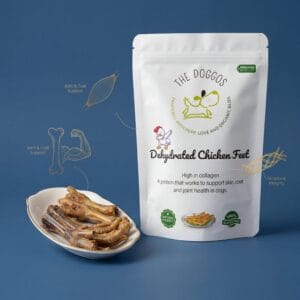
- Dehydrated Chicken Feet: Excellent for joint health, providing natural glucosamine and chondroitin. Perfect for active Indie dogs or larger breeds prone to hip issues.
- Dehydrated Mutton Trotters: Rich in collagen and iron, great for recovery and building strong connective tissues.
- Dehydrated Anchovies: A tiny powerhouse of Omega-3s for brain health, skin, and coat.
- Dehydrated Organ Treats (liver, heart): Nutrient-dense superfoods, perfect for a vitamin and mineral boost.
These aren’t just ‘treats’; they’re functional foods that contribute significantly to your dog’s overall health.
Common Mistakes Indian Dog Parents Make When Ditching Kibble
Transitioning to a natural diet is a journey, and it’s easy to stumble. Here are some common pitfalls I see:
- Feeding Only Muscle Meat: Many parents just give boneless chicken or mutton chunks. This creates an imbalanced diet, lacking crucial calcium (from bone) and vital vitamins/minerals (from organs). Remember the 80/10/5/5 rule!
- Too Much Rice or Roti: While it’s an Indian staple for us, it’s carbohydrate overload for dogs. A small amount as a binder or occasional filler might be okay, but it should never be a significant part of their daily meals. This defeats the purpose of ditching kibble’s carb-heavy nature.
- Not Enough Variety: Sticking to just one type of meat can lead to nutrient imbalances over time. Rotate proteins (chicken, mutton, fish, eggs) and organ types to ensure a broad spectrum of nutrients.
- Ignoring Hygiene with Raw: Raw food requires careful handling. Wash hands, bowls, and surfaces thoroughly. Freeze meat properly. This isn’t just for your dog, but for your family’s health too.
- Falling for Vegetarian Myths: As discussed, dogs are carnivores. Trying to force a vegetarian diet on them is a disservice to their biology, regardless of personal beliefs.
- Expecting Instant Results: While some changes are quick (coat shine, stool quality), deeper healing (allergies, chronic inflammation) takes time. Be patient and consistent.
- Feeding Cooked Bones: This is a major hazard. Cooked bones become brittle and can splinter, causing internal injuries. Only feed raw, edible bones.
Frequently Asked Questions About Natural Dog Food
I get these questions all the time, so let’s clear them up!
Is it safe to feed raw food to my dog?
Yes, absolutely. A dog’s digestive system is naturally equipped to handle raw meat, thanks to its highly acidic stomach pH and short digestive tract, which efficiently kill bacteria and process raw ingredients. With proper sourcing and hygiene, raw feeding is very safe.
How long does it take to see benefits from a natural diet?
Many dog parents report seeing improvements in coat shine, energy levels, and stool quality within just a few weeks. More chronic issues like allergies or joint pain may take several months to show significant improvement, as the body needs time to heal and rebalance.
Can I mix kibble and raw food?
While some people do, I generally advise against mixing kibble and raw food in the same meal. They digest at different rates and require different stomach pH levels, which can lead to digestive upset. If you’re transitioning, it’s better to feed raw and kibble at separate meals, hours apart.
What about bones? Are they safe?
Raw, edible bones are not only safe but crucial for a dog’s dental health and calcium intake. However, it’s vital to feed raw bones that are appropriate for your dog’s size and chewing style (e.g., chicken necks, wings, frames for smaller dogs, larger recreational bones for bigger dogs). Never feed cooked bones, as they splinter and are dangerous.
Where do I find quality ingredients in India?
Look for reputable local butchers who can provide fresh, human-grade meat and organs. Many urban areas also have pet-specific meat suppliers. Farmers’ markets can be a good source for fresh, seasonal vegetables. Always prioritise freshness and ethical sourcing.
Ditch the Kibble, Unleash the Natural with The Doggos
Your dog isn’t just a pet; they’re family. They deserve more than a diet of processed, nutrient-depleted pellets. As a certified canine nutritionist, I, Mahiv Amit Chhabra, am passionate about helping Indian dog parents make informed choices that lead to healthier, happier lives for their furry companions.
At The Doggos, we believe in the power of nature. We offer a range of species-appropriate, dehydrated raw treats that are perfect for supplementing a raw diet or as a healthy, natural alternative to conventional treats. From Dehydrated Chicken Feet for strong joints to Dehydrated Anchovies for a shining coat, our products are crafted with your dog’s carnivorous needs in mind.
Are you ready to truly unleash the natural vitality within your doggo? It’s time to ditch the kibble and witness the incredible transformation a species-appropriate diet can bring. Your dog will thank you with every wag of their tail, every playful leap, and every year of vibrant health.