Pinch or scroll to zoom · drag to pan · double-tap to reset
Read the text version (for search, screen readers & slow connections)
The Desi Carnivore, Vol. 1 — The Indian pet parent’s guide to real meat, whole prey, and ancient superfoods. By Mahiv Amit Chhabra.
THE DESI CARNIVORE The Indian Pet Parent’s Guide to Real Meat, Whole Prey, and Ancient Superfoods By Mahiv Amit Chhabra Certified Canine Nutritionist Founder, The Doggos COPYRIGHT & MEDICAL DISCLAIMER © 2025 The Doggos. All Rights Reserved. IMPORTANT SAFETY WARNING: The information in this book is based on canine nutrition science and species-appropriate feeding guidelines. However, every dog is an individual. Consult Your Vet: Always consult your veterinarian before making significant dietary changes, especially if your dog has specific medical conditions like kidney disease, liver issues, or pancreatitis. The Bone Rule: This book advocates for Raw or Dehydrated bones only. NEVER feed cooked bones (boiled, fried, roasted, or pressure-cooked). Cooking changes the bone structure, making it brittle and liable to splinter, which can cause fatal internal injuries. Hygiene: Always wash hands and surfaces after handling meat products.
DEDICATION To the streeties of India, whose iron stomachs taught us resilience. To the Indian pet parent, who shows love through food. And to my own pack, who taught me that the secret to health isn't in a bag of kibble, but in the butcher’s bag.
TABLE OF CONTENTS INTRODUCTION: Welcome to the Pack The "Raw" Reality in India The Solution: Cook the Meal, Dehydrate the Bone PART I: THE SCIENCE OF THE INDIAN DOG Chapter 1: The Wolf on Your Sofa (Anatomy vs. Roti) Chapter 2: The Golden Rules (Calcium:Phosphorus & The Omega Balance)
PART II: THE PROTEIN PANTRY Chapter 3: Chicken: The Daily Driver (And How to Fix It) Chapter 4: Mutton: The Strength Builder & The Dental Secret Chapter 5: Quail: The Hypoallergenic Super-Prey Chapter 6: The Ocean’s Bounty: Anchovies & Sardines PART III: THE SUPERFOODS (THE DOGGOS PHARMACY) Chapter 7: Hemp: Green Gold for the Indian Kitchen Chapter 8: Baobab: The African Shield (With Clinical Case Studies) PART IV: RECIPES & LIFESTYLE Chapter 9: Recipes for the Pressure Cooker Chapter 10: Transitioning, FAQs, and Safety INTRODUCTION: Welcome to the Pack "But... is it safe?" As a certified canine nutritionist practicing in India, this is the single most common question I face. It usually comes from a pet parent who loves their dog fiercely—someone who wakes up at 6 AM to walk them, who buys the most expensive imported kibble, and who treats them like a child. Yet, when I suggest feeding that same "child" a bowl of fresh meat, the fear sets in. "Won't they get worms?" "Won't the bones puncture their stomach?" "Isn't raw meat dangerous in our climate?" These fears are not unfounded. If you go online today, you will see a global movement towards "RAW" feeding (BARF diets). You will see influencers in the US or UK tossing raw chicken legs and bloody steaks into a bowl. It looks primal. It looks healthy. But we live in India. And in India, the rules are different. Our wet markets are not like European supermarkets. Our humidity levels in Mumbai or Chennai turn bacteria into a breeding ground within minutes. Our dogs don't live in kennels; they sleep on our beds and play on our carpets.
The "Hygiene Gap" I love the concept of raw feeding. Biologically, a dog’s stomach acid (pH 1-2) is strong enough to handle pathogens that would hospitalize a human. But practically? Bringing raw, wet-market meat into your home and feeding it uncooked carries a "cross-contamination" risk that I cannot ethically ignore. When you hand your dog a raw bone, they don't just eat it. They drag it onto your rug. They hold it between their paws. Then, ten minutes later, they jump up and lick your face. In an Indian household, hygiene is paramount. The "Cooked Bone" Danger So, the logical answer is to cook the food, right? Yes, for the meat. ABSOLUTELY NOT, for the bones. This is the trap many well-meaning Indian parents fall into. They pressure-cook the chicken with the bones and feed it all. This is dangerous. When you subject a bone to high heat (boiling, roasting, pressure cooking), the collagen matrix inside the bone dries out. The bone loses its flexibility and becomes a hard, glass-like structure. If a dog crunches down on a cooked chicken bone, it doesn't crush into powder—it shatters into sharp, jagged splinters. These shards can perforate the stomach or intestines, leading to life-threatening peritonitis. The Solution: The "Doggos" Method We believe in a hybrid approach designed specifically for the Indian context: Cook the Meal, Dehydrate the Bone. The Bowl: Your dog’s main meal should be gently home-cooked meat (Chicken, Mutton, Quail) mixed with functional superfoods. This thermal processing kills Salmonella and E. coli, making the meat safe for your family to handle. The Chew: For dental health and mineral intake, we use Dehydrated Chews (like our Chicken Feet, Mutton Trotters, and Whole Quail). Why Dehydrated is the "Goldilocks" Solution: Dehydration is a preservation process that removes moisture at low temperatures over a long period (often 20+ hours). 1. Safety: Because the bone is never "cooked" at high heat, it retains its porous structure. When your dog bites a dehydrated chicken foot, it crumbles into a safe, chalky powder rather than splintering.
2. Hygiene: Bacteria need moisture to survive. By removing water activity (aw), we create a shelf-stable chew that doesn't leave a wet, bacterial mess on your sofa. This book is your manual. It is built on data, tailored for the Indian kitchen, and designed to help you raise a thriving carnivore. PART I: THE SCIENCE OF THE INDIAN DOG Chapter 1: The Wolf on Your Sofa (The Anatomy of Digestion) You might look at your Pug snoring on a velvet cushion, or your Indie curling up under the dining table, and think, "Surely, they aren't wolves anymore." Externally? No. They are our babies. Internally? They are 99.9% wolf.
To feed our dogs correctly, we must ignore the cute face and look at the plumbing. The digestive tract of the domestic dog (Canis lupus familiaris) has barely changed in 15,000 years of domestication. 1. The Mouth: No "Pre-Digestion" Human digestion starts in the mouth. Our saliva contains an enzyme called Amylase, which begins breaking down carbohydrates (starches) the moment we chew. Dog Saliva: Contains NO Amylase. Implication: Dogs cannot pre-digest grains or starches in their mouth. When you feed a dog a Roti, it hits their stomach effectively "whole." This places a massive strain on the pancreas to produce enough amylase later in the digestive process. 2. The Stomach: The Acid Bath This is the engine room. Human Stomach pH: ~4 to 5 (Mildly acidic). Dog Stomach pH: ~1 to 2 (Highly acidic—comparable to industrial hydrochloric acid). This extreme acidity has two purposes: 1. To dissolve bone: It breaks down calcium and phosphorus into absorbable minerals. 2. To kill bacteria: It neutralizes pathogens found in raw meat/scavenged food. The Kibble Problem: High-carbohydrate diets (like commercial kibble or excessive rice/roti) can actually raise the stomach pH (making it less acidic). A less acidic stomach digests bone poorly and is more susceptible to bacterial infection. Feeding fresh meat helps maintain that critical low pH. 3. The Intestine: Short & Fast Transit Time: Food moves through a dog’s system in 12–30 hours. Humans take 30 hours to 5 days. Length: A dog’s intestinal tract is significantly shorter than a human's or a cow's. Why this matters: Nature designed this "express highway" to process highly digestible proteins (meat) quickly and expel waste before bacteria can multiply. Complex carbohydrates (grains) require long fermentation times to break down—time that a dog’s gut simply does not have. DATA POINT: Digestibility Studies A 2021 study published in the Journal of Animal Science compared dogs fed extruded kibble versus those fed fresh, gently cooked food. Fresh Food Digestibility: 90-94% Kibble Digestibility: ~80% Translation: On a fresh diet, your dog absorbs more nutrients and produces significantly smaller, firmer stools. On a kibble/filler diet, much of the food passes through undigested—which is why kibble-fed dogs often produce large, smelly waste.
Chapter 2: The Golden Rules of Nutrition (The Mathematics of the Bowl) As a nutritionist, my job is essentially to balance chemistry. When you move away from "complete and balanced" kibble to home cooking, you become the chemist. There are two non-negotiable rules you must follow to prevent long-term health issues. Rule #1: The Calcium:Phosphorus Ratio (1.2:1) This is the single most critical metric in canine nutrition. Phosphorus comes from Meat (Muscle meat, organ meat). Calcium comes from Bone. The Biological Mechanism: Calcium and Phosphorus work like a seesaw in the blood. They must remain balanced. If you feed a diet of only boneless chicken and rice (High Phosphorus, Zero Calcium), the blood phosphorus levels spike. To correct this imbalance, the dog's parathyroid hormone signals the body to leach calcium OUT of the dog's own skeleton to buffer the blood. The Result: Over months or years, a "boneless" home diet creates weak, brittle bones (Osteopenia) and can lead to "Rubber Jaw" syndrome. The Fix: You must include a calcium source. Since we do not feed dangerous cooked bones, you have two options: 1. Chemical: Calcium Citrate or Eggshell powder (boring, but effective). 2. Biological: Safe, Dehydrated Bones like The Doggos Whole Quail or Chicken Feet. These provide calcium in its natural lattice structure, along with Magnesium and Boron for better absorption. Rule #2: The Omega Balance (The "Itch" Factor) Why are so many Indian dogs itchy? The answer often lies in the Omega-6 to Omega-3 Ratio. Omega-6 (Linoleic Acid): Pro-inflammatory. It triggers the immune system to react (inflammation is part of healing, but too much is bad). Found in: Chicken fat, Soybean oil, Corn. Omega-3 (EPA/DHA/ALA): Anti-inflammatory. It "cools down" the immune response. Found in: Fish, Hemp.
The Indian "Chicken Trap": Most commercial chicken in India is corn/grain-fed. Pasture-Raised Chicken Ratio: ~7:1 (Omega 6:3) Commercial Corn-Fed Chicken Ratio: Can be as high as 20:1 or 30:1 If you feed a bowl that is 90% commercial chicken and rice, you are flooding your dog's body with inflammatory markers. The body is constantly in a state of low-grade inflammation, which manifests as: Paw licking Hot spots Chronic ear infections Red, inflamed skin The Solution: You cannot easily change the chicken supply, so you must ADD Omega-3s to balance the scale. This is where Hemp Seed Oil (perfectly balanced) or Dehydrated Anchovies (pure Omega-3) become medicinal. They are not "toppers"; they are "balancers." NUTRITIONIST'S NOTE: The "Heat" Myth In India, we often hear that Chicken or Eggs generate "Heat" (a concept from Ayurveda/TCM). While scientifically, meat does have a high Thermic Effect of Food (TEF), the "heat" owners see—rashes, itching—is often actually an Omega-6 Inflammation spike, not thermal heat. Balancing the fats with cooling Hemp or Duck often resolves the "heat" issue without needing to stop the protein. PART II: THE PROTEIN PANTRY (The Meat of the Matter) Now that we understand the rules (Calcium:Phosphorus and Omega Balance), let’s walk through the Indian market. What should you buy? What should you avoid? And most importantly, how do you prepare it so it is safer than kibble but healthier than plain rice? Chapter 3: Chicken – The Daily Driver (And Why It Needs a Fix)
Chicken is the backbone of the Indian dog diet. It is available in every gully, it is affordable, and dogs generally love it. But as a nutritionist, I have a love-hate relationship with commercially farmed chicken. The Nutritional Profile Protein: High quality, lean protein (approx. 27g per 100g breast). Digestibility: Extremely high. Cooked chicken is often used as a "hospital diet" because it requires very little energy to digest. The "Inflammation" Problem As discussed in Chapter 2, the issue isn't the chicken itself; it's what the chicken ate. Commercial broiler chickens in India are fed corn and soy to fatten them up quickly (reaching slaughter weight in just 40 days). This diet alters the fatty acid profile of the meat.
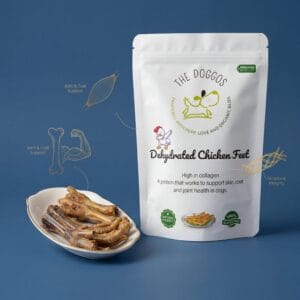
The Math of Itch: Omega-6 Content: High. Omega-3 Content: Low. When you feed this unbalanced meat day after day for years, you create a pro-inflammatory environment. This is why many Indian Labs and Golden Retrievers suffer from "unexplained" itching, even though they are on a "clean" home diet. The Protocol: How to Feed Chicken Correctly You don't need to stop feeding chicken. You just need to fix it. 1. The "Doggos" Fix: You MUST add an Omega-3 source to every chicken meal. Hemp Seed Oil: Contains the perfect ratio to neutralize the inflammation. Dehydrated Anchovies: A handful of these "Nutrient Bombs" balances the bowl instantly. 2. The Preparation: Wash: Rinse the chicken thoroughly with turmeric water (a natural antiseptic). Cook: Pressure cook or boil until fully cooked. Salmonella dies at 74°C. DEBONE: This is non-negotiable. Never feed the cooked bones. They will splinter. Functional Chew: If you are throwing away the feet, stop! Chicken Feet are naturally rich in Glucosamine (~450mg per foot) and Chondroitin. These are the exact same compounds found in expensive joint supplements. Feeding a Dehydrated Chicken Foot daily is like giving your dog a natural joint pill that also cleans their teeth. Chapter 4: Mutton – The Strength Builder (Goat: The Unsung Hero) In the West, "Lamb" is common. In India, when we say Mutton, we mean Goat. And scientifically, Goat is superior for the Indian dog. The Science: Goat vs. Chicken Why switch? Let’s look at the data comparing 100g of raw Goat vs. Chicken.
Nutrient Iron Zinc Fat B12
Goat Meat 3.0 mg 4.0 mg Low High
Chicken Meat 0.9 mg 1.0 mg Med/High Moderate
The "Doggos" Takeaway Goat has 3x the Iron. Essential for anemic dogs or recovery from Tick Fever. Goat has 4x the Zinc. Zinc is critical for skin health and immune function. Goat is leaner than commercial chicken (which often has hidden fat pads). Essential for nervous system health.
Why Mutton Wins 1. The "Recovery" Meat: If your dog has had Tick Fever (Ehrlichia/Babesia), their platelet count and red blood cells drop. The high Heme-Iron and B12 in Mutton make it the best dietary support for rebuilding blood. 2. The "Warming" Effect: In Traditional Chinese Medicine (TCM) and Ayurveda, Goat is a "Warm" protein. It increases circulation. This makes it excellent for: Senior Dogs: Helps with stiff, cold joints in winter. Lethargic Dogs: Boosts Qi (energy). Winter Feeding: Keeps the body temperature regulated naturally. 3. Hypoallergenic Potential: Many dogs allergic to chicken do perfectly fine on Goat. It is a biologically different protein structure. The "Trotter" Secret (Paya) While the meat builds the body, the feet build the mind. Dehydrated Mutton Trotters are the toughest natural chew available.
Mental Health: Chewing a hard object releases Dopamine and Serotonin in the dog's brain. It is a natural calming activity. 20 minutes of chewing a Trotter can be more tiring than a 45-minute walk. Dental Health: The hard exterior acts as a scraper, removing plaque from the back molars that toothbrushes can't reach. Chapter 5: Quail – The Hypoallergenic Super-Prey (Why Small is Powerful) If Chicken is the daily bread, Quail is the medicinal super-food. At The Doggos, we specialize in Whole Dehydrated Quail—feathers, head, feet, and guts included. This isn't just for shock value. It's evolutionary biology. 1. The "Novel Protein" Advantage Allergies are caused by over-exposure. If a dog eats chicken every day for 5 years, their immune system may eventually tag it as a threat, causing itching. Quail is "Novel". Your dog’s immune system has likely never seen it before. It doesn't react. This makes Quail the #1 choice for elimination diets to reset an itchy dog’s system. 2. The Manganese Miracle Ligament injuries (like CCL tears—the dog equivalent of an ACL tear) are an epidemic in active dogs. The primary mineral needed to keep ligaments strong is Manganese. Manganese in Meat: Almost zero. Manganese in Feathers/Wool/Raw Bone: High. By feeding a processed, skinless diet, we are starving our dogs of Manganese. By feeding a Whole Quail, you are providing a natural, bio-available source of this critical mineral to protect their knees. 3. The "Colon Sweep" (Feathers) "But... feathers?" Yes. In the wild, wolves don't pluck birds. Feathers are Insoluble Keratin. They do not digest. Instead, they pass through the digestive tract intact. As they move, they act like a soft brush, scrubbing the intestinal walls clean of mucus and toxins. They also bulk up the stool, which presses against the anal glands on the way out, expressing them naturally.
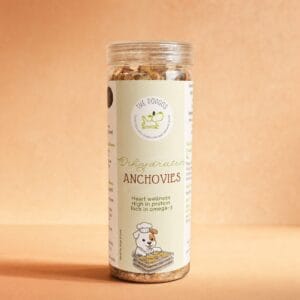
Scooting dog? Try a feather. Chapter 6: The Ocean’s Bounty (Why Size Matters) Fish is fantastic, but in India, we have to be careful. Our waters can be polluted. The Rule: Eat Low on the Food Chain. Bad Fish: Tuna, King Mackerel, Shark. These are apex predators. They live for years and bio-accumulate heavy metals (Mercury, Lead) in their fat. Good Fish: Anchovies & Sardines. These are small, short-lived plankton eaters. They are clean, rich in protein, and packed with Omega-3s. The Brain & Eye Booster (DHA) Anchovies are rich in DHA (Docosahexaenoic acid). For Puppies: DHA is a building block of brain tissue. Studies show puppies fed high-DHA diets are easier to train. For Seniors: DHA helps prevent "Doggy Alzheimer's" (Cognitive Dysfunction Syndrome). The "Doggos" Method: Most Indian families (especially vegetarians) hate cooking fish. The smell is overpowering.
Dehydrated Anchovies solve this. They are odor-controlled, shelf-stable, and can be crumbled over a bowl of curd rice to instantly transform it into a brain-boosting super-meal. PART III: THE SUPERFOODS (THE DOGGOS PHARMACY) (Ancient Wisdom meets Modern Science) A balanced bowl is more than just meat and bone. In the wild, wolves would forage for berries and consume the stomach contents of their prey to get phytonutrients. In our modern "Desi" context, we use two specific superfoods to bridge the gap: Hemp and Baobab. These are not just "supplements." They are foundational pillars of health. Chapter 7: Hemp – Green Gold for the Indian Kitchen (The Vegetarian's Compromise) In India, where millions of households are vegetarian, the idea of bringing fish oil into the kitchen is often a non-starter. The smell is pungent, it lingers in the fridge, and it feels "dirty." Enter Hemp Seed Oil. It is plant-based, smells like nutty sunflower seeds, and is arguably more powerful than fish oil for skin health. The Science: GLA (Gamma-Linolenic Acid) While Fish Oil is famous for EPA/DHA (joints/brain), Hemp Oil is the king of GLA. What is GLA? It is a rare form of Omega-6 that acts like an anti-inflammatory. The Mechanism: In the body, GLA converts into Prostaglandin E1 (PGE1), a hormone-like substance that reduces inflammation, regulates blood pressure, and keeps the skin barrier moist. Research Insight: Studies in veterinary dermatology have shown that dogs with Atopic Dermatitis (eczema) often have a deficiency in the enzyme needed to process normal fats. GLA bypasses this enzymatic step. This makes Hemp Oil a direct "medicine" for dogs with dry, cracking paws or dandruff. The "Anxiety Antidote"
Indian cities are loud. Diwali Firecrackers Monsoon Thunder Ganesh Visarjan Processions These events trigger cortisol spikes in dogs. Hemp contains naturally occurring compounds (distinct from CBD) that have a mild anxiolytic (calming) effect on the nervous system. The Doggos Protocol: Start adding Hemp Oil to the bowl 7 days before a major festival. It builds up a "calm buffer" in the system, helping your dog sleep through the noise rather than pacing and panting. The Meal Balancer Remember the "Chicken Problem" (Chapter 3)? Our Hemp Meal Balancer (powder) is designed specifically to be sprinkled over home-cooked chicken-rice bowls. It adds the missing amino acids and the correct fat profile to turn a simple "survival meal" into a "thriving meal." Chapter 8: Baobab – The African Shield (The Skin Savior) You might know Coconut Oil, and you likely use Turmeric. But let me introduce you to the ancient giant that The Doggos brought to India: Baobab (Adansonia digitata). Known as the "Tree of Life," Baobab thrives in the harshest, driest African climates. Its survival secret? An incredible ability to store water and nutrients. We realized that Indian dogs—facing extreme heat, humidity, and pollution—needed this exact kind of protection. Internal: The Vitamin C Powerhouse Dogs synthesize their own Vitamin C in their liver (unlike humans). However, physical stress (heatstroke, travel) and illness deplete it rapidly. The Data: Baobab fruit powder contains ~300mg of Vitamin C per 100g. Oranges: ~53mg per 100g. The Result: Baobab has 5x to 6x more Vitamin C than oranges. Why it matters: Vitamin C is the fuel for collagen synthesis. If you want your dog to have strong ligaments (preventing those tears!) and elastic skin, they need abundant Vitamin C. A pinch of Baobab powder is a massive immune shield. External: The Skin Savior (Baobab Oil)
This is our flagship secret weapon. In India, skin issues are the #1 reason for vet visits. Humidity traps moisture in the thick coats of Labradors and Retrievers, creating a breeding ground for yeast (Malassezia) and bacteria. This leads to the dreaded "Monsoon Itch," fungal infections, and hot spots. Why Baobab Oil Wins: Most oils (Coconut, Olive, Mustard) are "heavy." They sit on top of the skin, trapping heat and clogging pores. Baobab Oil is unique. It has a high content of Palmitic and Oleic acid, which allows it to absorb INTO the epidermis rapidly. It doesn't just grease the surface; it mimics the skin's natural lipid barrier, healing from the inside out without leaving a sticky mess on your furniture. EVIDENCE FROM THE DOGGOS COMMUNITY (Clinical Case Studies) We don't just claim it works; we prove it. Here are documented results from Indian dogs treated exclusively with The Doggos Baobab Dog Hair Oil. CASE 1: Severe Fungal Infection Subject: 4-year-old pomerian with chronic fungal patches on the back. Protocol: Applied Baobab Oil daily for 3 months. No other oral antifungals or chemical shampoos were used. Result: Day 1: Red, inflamed, weeping skin. Day 30: Inflammation subsided, skin color returned to pink. Day 90: Complete hair regrowth. The infection was eradicated by restoring the skin's natural barrier.
CASE 2: Alopecia (Bald Patches) Subject: Indie dog with unexplained bald spots (Alopecia X). Protocol: Daily massage with Baobab Oil for 2 months to stimulate follicles. Result: Activation of dormant follicles. Thick, healthy fur grew back in stubborn areas that had been bald for a year.
CASE 3: Hyperkeratosis (Dry, Cracked Snout) Subject: Senior retriever with a crusty, dry nose. Protocol: Applied twice daily for 2 weeks. Result: The crusts softened and fell off naturally. The snout skin became smooth, hydrated, and black again.
CASE 4: The "Hot Spot" Emergency Subject: Golden Retriever with Acute Moist Dermatitis (Hot Spot) in monsoon. Protocol: Immediate application upon discovery. Result: The Baobab Oil created a protective seal. The wound completely dried up in just 24 hours, stopping the spread of infection instantly.
The Verdict: ������ Clean. Green. Natural. Whether it’s a preventative massage or an emergency treatment for a flare-up, Baobab Oil is the only bottle you need in your dog's first aid kit. PART IV: RECIPES FOR THE INDIAN KITCHEN
(From Pressure Cooker to Bowl) Now, let’s put it all together. These recipes are designed to be: 1. Safe: Meat is cooked to kill pathogens. 2. Balanced: Using our "Base + Balancer + Topper" formula. 3. Easy: Using the standard Indian pressure cooker. IMPORTANT PREP RULE: All meat weights listed are RAW weights (before cooking). Always remove ALL cooked bones before serving. Chapter 9: The Recipes 1. The Golden Chicken Bowl (The Daily Staple) Perfect for: Adult Maintenance, Picky Eaters. Ingredients: 500g Chicken Thighs: Bone-in, skin-on (Thighs have better Taurine than breast). 50g Chicken Liver: Essential for Vitamin A. 100g Red Pumpkin (Kaddu): Fiber for firm stools. 1 tsp The Doggos Hemp Meal Balancer: To fix the Omega-6 imbalance. 1/4 tsp Turmeric Paste: Anti-inflammatory. Method: 1. The Cook: Place chicken, liver, and pumpkin in the pressure cooker with 1 cup of water. Cook for 2-3 whistles. 2. The Debone: Remove the meat. DISCARD THE COOKED BONES. Mash the pumpkin into the broth. 3. The Mix: Shred the meat back into the pumpkin broth. 4. The Balance: Once cooled to room temperature, stir in the Hemp Balancer and Turmeric. 5. Serve: Watch it disappear in seconds. 2. The Mutton Strength Stew (For Recovery) Perfect for: Post-Tick Fever, Winter Feeding, Skinny Dogs. Ingredients: 500g Goat Meat (Mutton): Curry cut, moderate fat. 100g Sweet Potato (Shakarkandi): Boiled and peeled. Handful of Spinach (Palak): Finely chopped. Topper: 2 Dehydrated Anchovies. Method: 1. The Slow Cook: Mutton takes longer. Pressure cook for 4-5 whistles until tender. 2. The Mash: Remove bones carefully. Mash the sweet potato into the mutton stock to create a thick, hearty gravy.
3. The Wilt: Stir the chopped spinach into the hot gravy. The residual heat will wilt it (making it digestible) without destroying the nutrients. 4. The Topper: Just before serving, crumble the Dehydrated Anchovies on top for a crunch and Omega-3 boost. 3. The "Itchy Dog" Reset (The Elimination Diet) Perfect for: Dogs scratching constantly on chicken. Note: This is a "No Cook" meal if using our ready-to-eat Quail. Ingredients: 1 Whole Dehydrated Quail (The Doggos): The main protein and calcium source. 50g Green Beans: Steamed (for fiber). 1 tsp Baobab Powder: To boost immunity and heal skin. Method: 1. Place the Whole Quail in the bowl. 2. Add the steamed beans on the side. 3. Sprinkle the Baobab powder over the beans. 4. Let them crunch! The chewing action releases endorphins, calming the itchy dog's stress levels. PART V: THE LIFESTYLE (Living with a Carnivore) Chapter 10: Transitioning Safely (The 7-Day Protocol) You cannot switch a dog from 10 years of processed kibble to fresh Mutton overnight. Their gut microbiome is adapted to digest starch, not protein. A sudden switch will cause "loose motions" (diarrhea). The Protocol: Days 1-2: 75% Old Food + 25% New Home Cooked Food. Days 3-4: 50% Old Food + 50% New Food. Days 5-6: 25% Old Food + 75% New Food. Day 7: 100% Desi Carnivore. The "Detox" Warning: Around Day 3 or 4, you might see mucus in the stool or slightly loose poop. Do not panic. This is the gut shedding the old lining and adjusting bacteria.
Fix: Add an extra spoon of boiled pumpkin. Fix: Add a pinch of Baobab Powder (prebiotic fiber) to settle the gut. Chapter 11: FAQ - Dispelling Desi Myths Q: Will eating meat make my dog aggressive? A: No. This is an old myth. Aggression is behavioral, not nutritional. In fact, a dog fed a species-appropriate diet is often calmer because they are satisfied, their blood sugar is stable (no sugar spikes from biscuits), and they aren't suffering from chronic indigestion. Q: Can I feed Parle-G or Marie biscuits? A: Please don't. These are full of sugar and refined wheat (Maida). They are terrible for dental health. If you want to treat them, give a Dehydrated Chicken Foot. It cleans teeth instead of rotting them. Q: Is Curd (Dahi) good for dogs? A: Yes, but with a caveat. Curd is full of probiotics, which are great. However, some adult dogs are lactose intolerant. Start with one teaspoon. If they don't get gas, it’s a great addition to the bowl. Q: Why is my dog drinking less water on this diet? A: Because fresh food is 70% water! Kibble is 10% water. On a fresh diet, your dog is "eating their water," so they don't need to gulp from the bowl as often. This is excellent for kidney health. APPENDICES A. The "No-Go" List Keep these strictly out of your kitchen when cooking for your dog: Onions & Garlic: Toxic to red blood cells (causes anemia). Grapes & Raisins: Can cause sudden kidney failure. Chocolate: Contains Theobromine (toxic). Cooked Bones: Splintering risk. Xylitol: Artificial sweetener found in peanut butter and sugar-free gum. Deadly. B. Resources
All the functional chews, meal balancers, and superfoods mentioned in this book—Dehydrated Quail, Mutton Trotters, Hemp Oil, Baobab—are available specifically for the Indian market through The Doggos. Where to find us: Website: www.thedoggos.in Instagram: @thedoggos____ The Doggos: Pampered with pure love and organic bliss! END OF BOOK