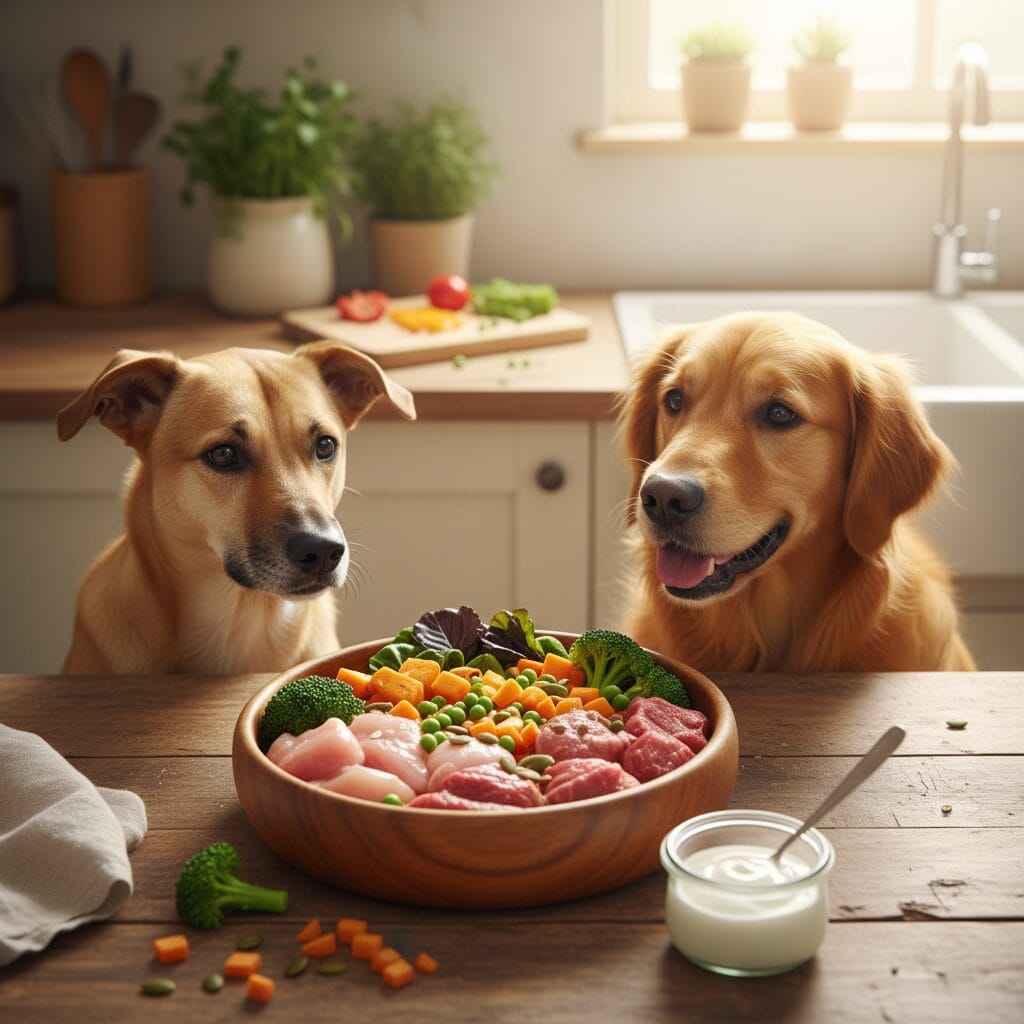
Does your dog constantly chew their paws, suffer from smelly farts that clear a room, or battle chronic ear infections? Many Indian pet parents often blame allergies, the monsoon humidity, or even the dreaded “heat” from chicken. But what if I told you the real culprit often lies much deeper, right at the core of their being: their gut?
Here’s the thing: the fastest, most effective way to restore really strong gut health for dogs in India is to switch them to a species-appropriate, fresh, cooked meat diet. And yes, it needs to be balanced with dehydrated bones for calcium and essential Omega-3s. Honestly, I’ve seen this work wonders with Indie dogs especially. It’s time to ditch the highly processed kibble and that old-school advice that’s just failing our desi dogs.
Your Dog’s Gut: The Foundation of Their Health
Think of your dog’s gut like their second brain. It’s a bustling little world, a whole metropolis of trillions of bacteria, fungi, and other tiny critters we call the microbiome. This microscopic community doesn’t just handle digestion. Nope. It’s intimately tied into their immune system, their brain function, how their skin looks, and even their mood.
When this delicate balance gets messed up, it kicks off a whole bunch of problems. That persistent paw licking? The dull coat? The itching that just won’t go away, or even sudden anxiety? More often than not, these seemingly unrelated issues start in an unhappy gut. A healthy gut isn’t just about smooth digestion; it’s the bedrock of immunity, energy, and overall well-being. Simple as that.
Why Your Dog’s Gut is Different: The Carnivore Blueprint
Let’s get a bit scientific for a moment. Despite centuries of living with us, your dog is still 99.9% wolf on the inside. Their digestive system is a marvel, built specifically to process meat and bone, not grains or starches. That’s a crucial distinction, na?
- Stomach pH 1-2: Unlike us humans, with our pH 4-5 stomachs, a dog’s stomach is incredibly acidic. This super-strong acid is designed to dissolve bone into absorbable calcium and phosphorus. More importantly, it’s there to kill off bacteria and pathogens often found in raw meat.
- No Salivary Amylase: Humans have this enzyme in their saliva, amylase, to start breaking down carbs. Dogs? None. This means when you feed your dog roti or rice, it hits their stomach effectively “whole,” putting immense strain on their pancreas to produce the necessary enzymes.
- Short Intestinal Transit: A dog’s intestines are short. They’re built for the quick processing of protein, usually 12-30 hours transit time. They’re not made for the slow fermentation of plant matter that herbivores and omnivores (like us) rely on.
This biological reality is why high-carb diets, like most kibbles or too much rice/roti, are really bad for them. They raise stomach pH, making it less acidic. This messes up proper digestion and makes your dog much more likely to pick up bacterial infections. Not good, yaar.
The Kibble & Roti Trap: How Processed Food Destroys Gut Health
In India, a lot of pet parents unfortunately fall into two common traps that just wreak havoc on their dog’s gut: processed kibble and a diet that’s mostly roti or rice.
The Kibble Catastrophe
Kibble, by its very nature, is an ultra-processed food. It’s loaded with carbohydrates (often cheap fillers like corn, soy, wheat), super low in moisture (only about 10% water compared to 70% in fresh food), and cooked at extreme temperatures. This kind of processing absolutely nukes vital nutrients, enzymes, and beneficial bacteria. The result?
- Digestive Strain: The body has to work overtime to break down these unnatural ingredients, leading to inflammation and an overworked pancreas.
- Dehydration: Dogs on kibble often don’t drink enough water, straining their kidneys over time. Fresh food, being 70% water, is actually fantastic for kidney health.
- Poor Nutrient Absorption: Fresh food is super digestible, around 90-94%, while kibble hovers about 80% (Journal of Animal Science, 2021). This means your dog gets way more nutrients from a fresh diet, leading to smaller, firmer stools. Kibble, on the other hand, often means big, smelly poops.
- Gut Dysbiosis: The high carb content and lack of fresh enzymes can really mess up the delicate balance of the gut microbiome, letting bad bacteria take over.
The Roti & Rice Rout
Look, while a small amount of bland rice might help short-term for an acute upset stomach, a diet primarily made up of roti or rice is a disaster for your dog’s gut. Indian dogs fed this way are constantly fighting an uphill battle inside their digestive system. It’s like asking a lion to thrive on grass! Their digestive system just isn’t built for it. This constant digestive strain leads to inflammation, leaky gut, and a totally out-of-whack microbiome. And that, my friend, is your dog’s body screaming for help, showing up as those persistent paw licks or that unexplained itching.
The “Heat” Myth: It’s Inflammation, Not Temperature
Honestly, I get so many questions about this. Let’s bust a major Indian myth right here. What many Indian pet parents mistakenly call “heat” from chicken or eggs is almost always a manifestation of chronic Omega-6 inflammation, not actual thermal heat. While meat does have a high Thermic Effect of Food (TEF), those rashes, itching, and hot spots owners see are an Omega-6 inflammation spike, and it often starts right in the gut.
Commercial Indian chicken is typically corn/soy-fed. This leads to an Omega 6:3 ratio of 20:1 to 30:1 (compared to a healthy 7:1 for pasture-raised). This imbalance just floods the body with inflammatory markers, causing symptoms like paw licking, hot spots, chronic ear infections, and that “unexplained” itching. But here’s the good news: balancing these fats with cooling Omega-3s or specific anti-inflammatory Omega-6s (like GLA from hemp) resolves it completely, without needing to stop the protein. Seriously.
The Desi Carnivore Method for a Thriving Gut
So, how do we fix this? At The Doggos, we follow “The Desi Carnivore” method: a practical, science-backed approach specifically tailored for the unique challenges of Indian households.
Cook the Meal, Dehydrate the Bone: Our Indian Solution
I absolutely love the *concept* of raw feeding biologically, but in Indian households, cooking the meat is simply non-negotiable. The hygiene gap in India is very real. Our wet markets, combined with high humidity, mean bacteria can multiply super fast. Bringing raw meat from your local butcher or wet market into an Indian household is a cross-contamination risk we just can’t ethically ignore. Your dog might be able to handle pathogens with their strong stomach acid, but your family and home might not. Safety first, right?
- COOK the meat: Gently home-cook (a pressure cooker works great) your dog’s meat to kill Salmonella/E.coli. This ensures food safety without losing too much nutritional integrity.
- DEBONE after cooking: This is a non-negotiable, life-saving step. NEVER feed cooked bones. High heat makes bones brittle; they shatter into sharp, jagged splinters that can perforate intestines, leading to fatal peritonitis. This is the trap many well-meaning Indian parents fall into when they pressure-cook chicken with bones and feed it all. It is dangerous.
- DEHYDRATED bones/chews for calcium + dental health: This is our “Goldilocks” solution. Dehydration (low temperature, 20+ hours) keeps the porous bone structure intact. These bones crumble into a safe, chalky powder that’s easily digestible, rather than splintering. This gives them essential calcium without the raw hygiene risk or the cooked bone splintering risk. Win-win.
The Calcium:Phosphorus Imperative (1.2:1)
A boneless home diet, often just chicken and rice, is a recipe for disaster in the long run. Meat gives them phosphorus, but without bone, there’s no calcium. A chronic imbalance (the Ca:P ratio absolutely must be 1.2:1) will leach calcium from your dog’s own skeleton over years, leading to severe issues like Osteopenia and “Rubber Jaw” syndrome. To fix this, you MUST add a bioavailable calcium source.
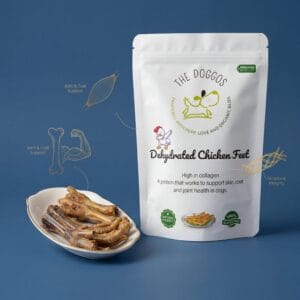
Fix: Incorporate Dehydrated Chicken Feet, Whole Dehydrated Quail, or other dehydrated bones into their diet. Alternatively, use calcium citrate or finely ground eggshell powder. But seriously, never rely solely on boneless meat.
Balancing Omega Fats for a Calm Gut
As we talked about, commercial chicken often comes with an inflammatory Omega 6:3 ratio. To counteract this, Omega-3s aren’t just “toppers,” they’re “balancers.” And they’re essential for gut health, reducing inflammation and supporting a healthy gut lining.
- Hemp Seed Oil: This is the king of GLA (Gamma-Linolenic Acid), a rare Omega-6 that actually acts ANTI-inflammatory. GLA converts to Prostaglandin E1, directly reducing inflammation and keeping the skin barrier moist. Dogs with Atopic Dermatitis often lack the enzyme to process normal fats; GLA bypasses this step, making it direct medicine for dry, cracking paws and dandruff. It’s plant-based, too, which is perfect for vegetarian households.
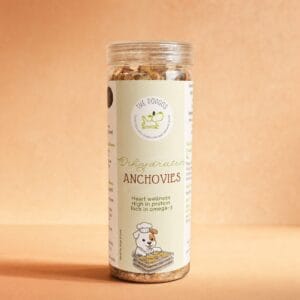
- Dehydrated Anchovies: These small, short-lived fish are low on the food chain, meaning no heavy metal bioaccumulation. They’re packed with DHA, which is crucial for brain development (making puppies easier to train, my Lab goes crazy for these!) and preventing Cognitive Dysfunction Syndrome in seniors. They’re an excellent, odour-controlled source of Omega-3 for gut and overall health.
Functional Treats: Medicine for the Mouth & Gut
At The Doggos, our dehydrated treats are NOT just snacks. Nope. They are functional medicine. Each chew offers specific health benefits that really help with overall gut health and beyond.
- Dehydrated Chicken Feet: Think of them as a natural joint pill, rich in glucosamine (~450mg/foot) and chondroitin. They also work like natural toothbrushes, scraping plaque and promoting dental health, which is truly the first step to a healthy gut.
- Dehydrated Mutton Trotters: These are long-lasting chews that provide mental enrichment (releasing dopamine and serotonin), clean teeth, and are packed with collagen and iron. Great for recovery and joint health.
- Dehydrated Whole Quail: A hypoallergenic “super-prey” and a novel protein, excellent for elimination diets. It gives them manganese (which protects ligaments from CCL tears) and its feathers are insoluble keratin, acting like a “colon sweep” to scrub intestinal walls and bulk stool, naturally expressing anal glands. Got a scooting dog? Try a feather!
- Dehydrated Anchovies: As mentioned, these are brain food and anti-inflammatory powerhouses, absolutely crucial for balancing fats and supporting a healthy gut lining.
- Dehydrated Goat Ears: A fantastic dental chew with fur fibre, which acts as a gentle scrub for the intestinal walls, helping with natural deworming and gut cleansing.
Practical Section: Building a Gut-Friendly Bowl
Ready to totally improve your dog’s gut health? Here’s how you can start today:
The Golden Chicken Bowl: Your Gut-Healing Foundation
This is a fantastic daily staple that supports really robust gut health and overall well-being. It’s simple, too.
Ingredients:
- 500g chicken thighs (bone-in, skin-on for taurine – but remember to debone AFTER cooking!)
- 50g chicken liver (a vital source of Vitamin A and other nutrients)
- 100g red pumpkin (an excellent source of fibre for gut motility and prebiotics)
- 1-2 tsp The Doggos Hemp Meal Balancer (for complete amino acids, balanced fats, and prebiotic fibre)
- 1/2 tsp turmeric paste (a natural anti-inflammatory, great for Indian kitchens)
Method:
- Wash chicken and liver with turmeric water (it’s a natural antiseptic, you know).
- Pressure cook the chicken (with bone in) and liver for 2-3 whistles until it’s thoroughly cooked.
- Once cooled, carefully DEBONE the chicken. Seriously, this step is non-negotiable for safety.
- Mash the red pumpkin right into that rich broth.
- Chop or shred the cooked chicken and liver, then mix it all with the pumpkin and broth.
- Once it’s cooled to lukewarm, stir in The Doggos Hemp Meal Balancer.
- Serve with love!
This meal gives them balanced protein, essential fats, fibre, and prebiotics. All of it is crucial for a happy gut.
Superfoods for Extra Gut Support
- Baobab Powder: This African superfood isn’t just packed with Vitamin C (5-6x more than oranges); it’s also a powerful prebiotic fibre. Just a pinch of Baobab powder can help settle the gut during diet changes, feed those beneficial gut bacteria, and boost immunity.
- Curd (Dahi): A small amount of plain, unsweetened curd can introduce some beneficial probiotics to your dog’s gut. Start with 1 tsp to test for lactose intolerance, just to be safe. It’s a great addition for gut health. Read more: Can Dogs Eat Curd?
Transitioning to Better Gut Health
Switching your dog’s diet suddenly can really upset their stomach. So, follow this 7-day transition protocol for a nice, smooth shift:
- Days 1-2: 75% old food + 25% new fresh food.
- Days 3-4: 50% old food + 50% new fresh food. You might see some mucus in their stool around now. It’s totally normal, and it actually means the gut is shedding its old lining. Don’t be alarmed; it’s a sign of healing. You can help fix it with extra pumpkin or a pinch of Baobab powder.
- Days 5-6: 25% old food + 75% new fresh food.
- Day 7 onwards: 100% fresh food! Hooray!
Common Mistakes Indian Pet Parents Make with Gut Health
These are the pitfalls I see most often, the ones that really undermine a dog’s gut health:
- Only Feeding Boneless Chicken and Rice: This creates a severe calcium deficiency. Long-term, this leads to skeletal problems and generally poor health, which absolutely impacts the gut.
- Feeding Cooked Bones: This is a life-threatening mistake, full stop. Cooked bones splinter and can cause internal damage. Always, always debone cooked meat.
- Ignoring Omega-3s: Not balancing the inflammatory Omega-6s (found in commercial chicken) leads to chronic inflammation. This directly affects gut integrity and shows up as skin issues.
- Over-Reliance on Kibble and Processed Treats: These high-carb, low-moisture foods totally disrupt the delicate gut microbiome and strain digestive organs. Please, ditch the roti as a main meal and swap those Parle-G/Marie biscuits (full of sugar and maida, by the way) for functional dehydrated treats like a Dehydrated Chicken Foot.
- Misinterpreting “Heat”: Believing chicken causes thermal “heat” and stopping a valuable protein source, instead of addressing the underlying Omega-6 inflammation. We covered this, right?
- Using Antibiotics Indiscriminately: While sometimes necessary, overusing antibiotics without getting to the dietary root cause can decimate the gut microbiome. This makes long-term healing much, much harder.
FAQ: Your Gut Health Questions Answered
Q: What are common signs of poor gut health in dogs?
A: Look, chronic itching, bad breath, loose stools, vomiting, excessive gas, paw licking, chronic ear infections, a dull coat, and even behavioural changes like lethargy or anxiety can all point to an unhealthy gut. Basically, your dog’s body is trying to tell you something pretty important.
Q: Can I give my dog probiotics for gut health?
A: Yes, absolutely! Natural probiotics like plain, unsweetened curd (dahi) in moderation can be really beneficial. Also, prebiotics, which are what feed the beneficial gut bacteria, are super crucial. You can find these in The Doggos Baobab Powder or Hemp Meal Balancer. Just remember to always introduce new foods slowly, okay?
Q: Is rice good for a dog’s sensitive stomach?
A: While a bit of bland rice might be used short-term to settle an acute upset stomach, it’s really not ideal long-term. Dogs don’t have salivary amylase to properly digest starches, and high-carb diets can raise stomach pH, which messes with digestion and encourages bacterial overgrowth. For a truly sensitive stomach, you should focus on highly digestible proteins, appropriate fibres like pumpkin, and balanced fats instead.
Q: My dog gets “heat” from chicken. How does this relate to gut health?
A: As we discussed, what Indians call “heat” is typically Omega-6 inflammation, not actual thermal heat. Commercial chicken, unfortunately, has a super imbalanced Omega 6:3 ratio (often 20:1 to 30:1). This inflammation usually starts in the gut, disrupting its lining, and then shows up as skin issues, hot spots, and itching. Balancing these fats with Hemp Seed Oil or Dehydrated Anchovies is the real solution, not stopping the chicken.
Q: How quickly will I see improvements in my dog’s gut health on a fresh diet?
A: You can often see improvements in stool quality (firmer, smaller, less smelly) within just a few days to a week. Skin and coat issues might take a bit longer, say 2-4 weeks. And chronic conditions like allergies or persistent ear infections can show big improvements within 1-3 months, as the gut microbiome rebalances itself. Consistency and sticking to “The Desi Carnivore” method are absolutely key here.
Ready to totally improve your dog’s gut health and unleash their best life? Explore The Doggos range of Hemp Supplements for balanced nutrition, Dehydrated Treats for functional medicine and dental health, and Baobab skin solutions to support their journey to ultimate wellness. Remember, a healthy gut means a happy, thriving dog!
Related Reading
- Read the complete Indian dog feeding guide.
- About the author: Mahiv Chhabra, certified canine nutritionist.