Walk into any Indian home, and you’ll often find a beloved pet, be it a dog or a cat, looking up with hopeful eyes as you enjoy your meal. Paneer, that creamy, versatile Indian cheese, is a favourite in many households. It’s only natural to wonder: can cats eat paneer in India? A tiny, infrequent nibble might not be immediately toxic. But feeding paneer regularly to your feline friend? Generally not recommended. Their digestive biology is unique. It can lead to discomfort and nutritional imbalances.
Cats are obligate carnivores. Their diet must consist primarily of animal protein. Their systems aren’t designed to process dairy products effectively. Most adult cats are lactose intolerant. Feeding them paneer can lead to digestive upset. Mild discomfort to more serious issues.
Are Cats Built for Dairy? The Carnivore’s Gut
To understand why paneer isn’t ideal for cats, we need to look at their biology. Cats are true obligate carnivores. This isn’t just a preference; it’s a physiological requirement. Their bodies are specifically adapted to digest and utilise nutrients from animal sources.
- No Amylase in Saliva: Unlike humans, cats don’t have amylase in their saliva. It’s an enzyme that starts breaking down carbohydrates in the mouth. This means any non-meat food, like paneer or grains, hits their stomach largely undigested.
- Short Digestive Tract: Cats have a remarkably short and acidic digestive tract. It’s designed for quick and efficient processing of meat and bones. It’s not built for fermenting plant matter or slowly digesting complex carbohydrates and sugars found in dairy.
- Lactose Intolerance: Most adult cats lack sufficient lactase. It’s the enzyme needed to break down lactose (the sugar in milk and dairy products). Kittens have lactase to digest their mother’s milk. But this enzyme production significantly decreases or stops entirely once they are weaned. This is why giving milk or paneer to an adult cat often results in stomach upset.
- Taurine Requirement: Cats require a steady supply of taurine. It’s an essential amino acid found almost exclusively in animal protein. Without adequate taurine, cats can suffer from serious health issues. Think dilated cardiomyopathy (a heart condition) and retinal degeneration (leading to blindness). Paneer, while protein-rich, does not provide sufficient taurine for a cat’s needs. This makes supplementation critical for homemade diets.
The Paneer Paradox: What’s Inside Your Favourite Cheese?
Paneer, made from curdled milk, is a concentrated source of milk solids. While it contains protein and fat, it also carries the baggage of dairy for a cat’s system.
Lactose Content in Paneer
Paneer is often considered a low-lactose cheese compared to liquid milk. But it still contains lactose. The amount varies depending on how it’s made. Even small quantities can trigger symptoms in a lactose-intolerant cat. Think of it like a human with a dairy allergy; even a little can cause a reaction.
Fat Content and Potential Risks
Paneer is also relatively high in fat. For a small cat, consuming fatty foods can be problematic. High-fat diets can lead to:
- Pancreatitis: Inflammation of the pancreas. A serious and painful condition that can be life-threatening.
- Obesity: Excess calories from high-fat foods contribute to weight gain. This puts strain on joints and increases the risk of other health issues like diabetes.
- Diarrhoea and Vomiting: The fat content, combined with lactose, can overwhelm a cat’s digestive system. This leads to immediate gastrointestinal distress.
Mahiv’s Insight: A Tale of Tummy Troubles in Mumbai
I once consulted for a Persian cat in South Mumbai whose parents swore by a daily dollop of paneer. Their previous vet had suggested it for protein. The cat suffered from chronic soft stools, occasional vomiting, and dull fur. After switching her to a species-appropriate diet focused on cooked chicken, fish, and a sprinkle of Dehydrated Bone and Organ Boost for essential taurine and minerals, her digestion stabilised within two weeks. Her coat regained its lustre. It showed me just how quickly a cat’s system responds to proper carnivore nutrition. And how often dairy is the silent culprit behind seemingly unrelated issues.
As a certified canine nutritionist, my insights are based on years of experience. You can read more on my About Mahiv Amit Chhabra page.
Risks of Feeding Paneer to Cats in India
Beyond the immediate digestive upset, regular feeding of paneer can have long-term implications for your cat’s health.
- Gastrointestinal Distress: This is the most common and immediate reaction. Symptoms include vomiting, diarrhoea, excessive gas, abdominal pain, and loss of appetite. These can range from mild and temporary to severe, requiring veterinary intervention.
- Nutritional Imbalance: If paneer replaces a significant portion of a cat’s diet, it can lead to nutritional deficiencies. Cats need a balanced intake of protein, fats, vitamins, and minerals, especially taurine, which paneer lacks. Relying on paneer means they miss out on critical nutrients from proper meat sources.
- Allergies: While less common than lactose intolerance, some cats can develop an allergy to dairy proteins. This leads to skin issues, itching, and chronic digestive problems.
- Weight Gain: As discussed, the fat content in paneer can contribute to obesity. This is a widespread problem among indoor cats in India.
Safer Alternatives: What Can Your Cat Eat in India?
Instead of paneer, focus on foods that align with your cat’s obligate carnivore nature. There are plenty of delicious and safe options that will truly nourish your feline friend.
- Cooked Meats: Plain, cooked chicken, turkey, or fish (like anchovies or sardines) are excellent choices. Always ensure they are boneless, skinless, and unseasoned. Boil or pressure cook the meat thoroughly to eliminate pathogens, especially if sourcing from local markets in humid climates like Chennai or Kolkata. Remember, NEVER feed cooked bones, as they splinter dangerously.
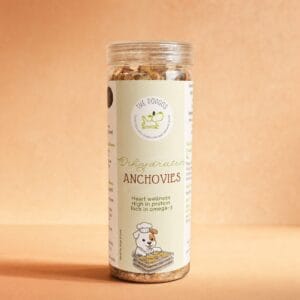
- Dehydrated Fish: Small, short-lived fish like Dehydrated Anchovies or Dehydrated Sardines are packed with Omega-3 fatty acids for brain and coat health. They are also a natural source of taurine. They are hypoallergenic and easy to store.
- Whole Prey Options: For a truly species-appropriate meal, consider whole prey items like Dehydrated Whole Quail. These provide a complete nutritional profile. They include feathers for fibre and natural expression of anal glands, plus a rich source of manganese for ligament health.
- Organ Meats: Organs like liver and heart are nutritional powerhouses. They are rich in vitamins and taurine. When home-cooking for your cat, these are crucial additions.
Bone and Organ Boost: The Essential Taurine & Mineral Fix for Cats
Even with a carefully prepared home-cooked meat diet, it can be challenging to ensure your cat receives all the essential nutrients they need. Especially taurine and a balanced calcium:phosphorus ratio. This is where a targeted supplement becomes indispensable. Paneer offers none of these vital components.
Our Dehydrated Bone and Organ Boost is specifically formulated to bridge these nutritional gaps for cats on home-cooked diets. It’s a concentrated blend of organ meats and bone, providing:
- Crucial Taurine: Cats cannot synthesise enough taurine on their own. A deficiency can lead to severe heart and eye problems. This boost ensures they get their daily requirement.
- Balanced Calcium and Phosphorus: Bone provides the ideal ratio of these minerals. It’s vital for strong bones and teeth. This is often lacking in boneless meat meals.
- Rich Iron and B Vitamins: Organ meats are packed with iron for healthy red blood cells. They also provide a spectrum of B vitamins for energy and metabolism.
A daily sprinkle of Dehydrated Bone and Organ Boost turns a simple home-cooked chicken or fish meal into a nutritionally complete and thriving meal for your feline carnivore. It removes the guesswork from balancing your cat’s diet. It ensures they get the species-appropriate nutrients they truly need.
For more ideas on what to feed your cat, explore our guide to Best Cat Treats in India.
Introducing New Foods: The 7-Day Protocol
When introducing any new food, including healthier alternatives, always do so gradually. This avoids upsetting your cat’s stomach. A good protocol is:
- Days 1-2: 75% old food, 25% new food.
- Days 3-4: 50% old food, 50% new food.
- Days 5-6: 25% old food, 75% new food.
- Day 7: 100% new food.
Observe your cat for any changes in stool consistency or behaviour. A little mucus in the stool is normal during a transition. Their gut sheds old linings. But persistent diarrhoea or vomiting warrants a pause and consultation with your vet.
Common Mistakes Indian Cat Parents Make with Dairy
It’s easy to fall into common traps when it comes to feeding our pets. Especially with cultural staples like paneer.
- Assuming Dairy is Natural: Many believe milk or dairy is natural for cats. They draw from popular imagery. In reality, adult cats are not designed for it.
- Ignoring Lactose Intolerance Signs: Mild digestive upset might be dismissed as ‘normal’ or due to other factors. This prolongs discomfort for the cat.
- Over-relying on Non-Meat Proteins: Thinking paneer can be a primary protein source is a common oversight. This leads to critical taurine deficiencies.
- Feeding Cooked Bones with Meat: This is a dangerous practice. Always debone cooked meat before feeding it to cats.
Instead of risky paneer, opt for biologically appropriate foods and supplements. Products like our Dehydrated Bone and Organ Boost are formulated to meet your cat’s unique carnivore requirements. They ensure they get the essential taurine, calcium, and other minerals that dairy simply cannot provide.