Many Indian cat parents are frustrated by their feline friends constantly coughing up hairballs. It’s not just messy; it can be a sign of an underlying dietary imbalance. As obligate carnivores, cats thrive on a specific kind of diet, and veering away from it often leads to common issues like hairballs.
Quick Answer: Natural Hairball Prevention for Indian Cats
To achieve natural hairball prevention in Indian cats, focus on a species-appropriate, high-moisture diet rich in insoluble fibre from whole prey and balanced Omega-3 fats. This approach supports healthy digestion, reduces excessive shedding, and helps ingested hair pass through the digestive tract smoothly, making hairball episodes a thing of the past.
The Hairball Conundrum: Why Indian Cats Struggle
Cats are meticulous groomers, spending a significant portion of their day licking their fur clean. This is natural and healthy behaviour. However, during this process, they inevitably ingest loose hair. While a small amount of hair passes through their digestive system without issue, excessive ingestion or a sluggish digestive tract can lead to hair accumulating in the stomach, forming hairballs.
India’s climate, especially the heat and humidity in cities like Mumbai or Chennai, can contribute to increased shedding in many cat breeds, both pedigreed and our resilient Indie cats. More shedding means more ingested fur, amplifying the hairball problem.
The Biology of the Feline Carnivore
Understanding your cat’s biology is the first step to natural hairball prevention. Cats are true obligate carnivores. This means their bodies are uniquely designed to derive all essential nutrients from animal tissue. Their digestive system is short, highly acidic (pH 1-2), and optimised for processing protein and fat, not carbohydrates or plant matter.
Unlike dogs, cats have an absolute dietary requirement for taurine, an amino acid found exclusively in meat. Their lack of salivary amylase means they cannot pre-digest grains or starches, making high-carb kibble a challenge for their system. When their diet doesn’t align with their biology, their digestive processes slow down, making it harder to pass ingested hair. For more insights on species-appropriate nutrition, you can look at my approach as a canine nutritionist, which often applies to our feline friends too.
Diet is Your First Line of Defence Against Hairballs
The most effective strategy for natural hairball prevention for Indian cats lies in their diet. A species-appropriate diet ensures optimal digestion and reduces the factors that contribute to hairball formation.
Fibre: The Unsung Hero for Cat Digestion
While often associated with plant matter, the right kind of fibre for cats comes from whole prey. Insoluble fibre, such as keratin found in fur and feathers, acts like a natural brush or ‘colon sweep’ within the digestive tract. It helps to bulk up stool and move ingested hair through the intestines efficiently, preventing it from lodging in the stomach. This is precisely why products like Dehydrated Whole Quail are so beneficial for cats.
The Power of Dehydrated Whole Quail for Hairball Prevention
As a certified canine nutritionist, I’ve seen firsthand how incorporating whole prey items can transform a pet’s health. For cats, especially, the complete package of a Dehydrated Whole Quail provides everything they need. The bones offer essential calcium, the meat provides highly digestible protein and vital taurine, and crucially, the feathers supply that insoluble keratin fibre.
In my practice, I’ve observed that cats prone to chronic hairballs, especially long-haired breeds like Persians in humid climates like Bengaluru, show significant improvement within 3-4 weeks of incorporating small, digestible whole prey items. The feathers from a Whole Quail act as a natural digestive scrub, helping to clear out accumulated fur and improving overall gut motility, reducing hairball episodes dramatically.
This whole-prey approach aligns perfectly with a cat’s obligate carnivore biology, promoting not just hairball prevention but also stronger teeth and gums from the natural chewing action. The dehydration process ensures safety by eliminating pathogens while retaining the beneficial structure of the bone and fur, unlike cooked bones which splinter dangerously.
Moisture-Rich Meals
Another critical aspect of the natural hairball prevention Indian cats diet is moisture. Cats in the wild get most of their hydration from their prey. A diet primarily of dry kibble can lead to chronic dehydration, impacting kidney health and making digestion sluggish. Fresh, gently cooked meat meals or even simply rehydrating kibble (though I always advocate for fresh food) can significantly improve gut transit time, helping hair pass more easily.
Omega-3 Fatty Acids for Skin and Coat Health
Excessive shedding is a major contributor to hairballs. A healthy, shiny coat sheds less. Omega-3 fatty acids, particularly DHA and EPA, are vital for skin integrity and coat health. Commercial chicken, common in India, is often high in inflammatory Omega-6s. Balancing this with Omega-3s reduces inflammation and promotes a healthier coat.
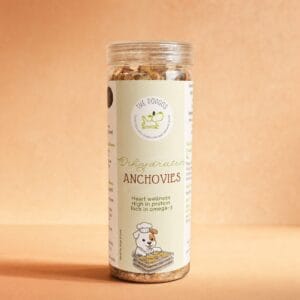
Adding a daily supplement like Dehydrated Anchovies or Dehydrated Sardines provides a natural and potent source of these essential fats. These small, short-lived fish are low on the food chain, meaning minimal heavy metal accumulation, making them a safe choice for your feline friend. They are not just “toppers” but essential “balancers” in a meat-based diet.
Practical Guide: Implementing a Hairball-Preventing Diet
Transitioning your cat’s diet requires patience. Here’s a simple protocol:
- Gradual Transition: Over 7-10 days, slowly increase the new food while decreasing the old. This prevents digestive upset.
- Introduce Whole Prey: Start with small, manageable portions of Dehydrated Whole Quail. For smaller cats, you might break it into pieces initially. Monitor stool for any changes; a small amount of fur in the stool is normal and desirable.
- Boost Moisture: Always offer fresh water. If feeding home-cooked meals, ensure they are broth-rich.
- Add Omega-3s: Sprinkle Dehydrated Anchovies over meals daily. Start with a pinch and gradually increase to the recommended amount for your cat’s weight.
- Grooming Routine: Regular brushing, especially for long-haired cats, manually removes loose fur, reducing the amount ingested.
For more detailed information on the benefits of such additions to your pet’s bowl, explore our guide on Are Dehydrated Treats Good for Dogs?, many of which apply to cats too.
Common Mistakes Indian Cat Parents Make with Hairballs
- Relying solely on “hairball control” kibble: These often contain high levels of plant-based fibre that cats struggle to digest, or harsh laxatives that aren’t a long-term solution.
- Ignoring shedding as a symptom: Excessive shedding can indicate a poor diet, not just seasonal changes. Addressing nutrition first can resolve it.
- Using petroleum-based laxatives long-term: While they can help pass an existing hairball, they don’t address the root cause and can interfere with nutrient absorption.
- Feeding a vegetarian diet: Cats are obligate carnivores. A vegetarian diet is deficient in essential nutrients like taurine and can lead to severe health issues, including hairballs due to poor digestion.
FAQ: Natural Hairball Prevention Indian Cats Diet
Q1: Can coconut oil help with hairballs in cats?
A1: While some people use coconut oil, its effectiveness for hairballs is limited. It’s primarily a medium-chain triglyceride and doesn’t provide the insoluble fibre that truly helps move hair. For true hairball prevention, focus on dietary fibre from whole prey like feathers and proper hydration.
Q2: How often should I brush my cat to prevent hairballs?
A2: The frequency depends on your cat’s coat length and shedding. Short-haired cats might need brushing 2-3 times a week, while long-haired breeds, especially during shedding seasons, may benefit from daily brushing. Regular grooming significantly reduces ingested fur.
Q3: Is grass good for cats to prevent hairballs?
A3: Cats sometimes eat grass, which can act as an emetic, helping them vomit up hairballs. While it’s a natural behaviour, relying on it isn’t a long-term solution. A diet providing insoluble fibre, like that from whole prey, is a more effective and gentle preventive measure.
Q4: What are the signs of a severe hairball blockage?
A4: Signs of a severe hairball blockage include repeated, unproductive retching, lethargy, loss of appetite, constipation, or a painful abdomen. If you observe these symptoms, consult your vet immediately, as it can be a serious medical emergency.
My Recommendation for Natural Hairball Prevention
As Mahiv Amit Chhabra, I firmly believe that the best approach to natural hairball prevention in Indian cats is to honour their biology. This means a diet rich in moisture, quality animal protein, balanced fats, and crucially, the right kind of fibre. Our Dehydrated Whole Quail offers a complete, species-appropriate solution, providing essential nutrients, calcium, and the natural fibre from feathers to keep your cat’s digestive system running smoothly. Explore our full range of natural cat treats to support your feline’s health.