Many Indian pet parents turn to traditional grains like bajra (pearl millet) in winter, believing it offers warmth. This common ‘desi nuskha’ is rooted in ancient wisdom for humans, but is it truly beneficial for your carnivorous companion? Let’s cut through the myths and give your dog what they truly need.
Can Dogs Eat Bajra in Winter India?
Yes, dogs can eat bajra in winter India in small, cooked portions, but it should never be the main ingredient. While bajra offers some nutrients, dogs are carnivores, not grain-eaters, and their digestive systems are not designed for high carbohydrate loads. To ensure a balanced meal that supports digestion and prevents inflammatory ‘heat’ from grains, always pair bajra with quality meat and a proper supplement like The Doggos Hemp Meal Balancer.
Bajra for Dogs: The Desi Grain Perspective
Bajra, or pearl millet, is a staple grain in many Indian households, especially in winter. It’s affordable, widely available, and considered a ‘healthy’ carbohydrate source for humans. From a nutritional standpoint, bajra contains carbohydrates, some protein, dietary fibre, and minerals like magnesium and phosphorus. For humans, it’s a good alternative to rice or wheat.
However, your dog is not a human. While bajra is certainly a better choice than highly processed kibble or sugary biscuits like Parle-G, it’s still a carbohydrate-heavy filler for a carnivore. Its nutritional profile, while decent for us, doesn’t align with a dog’s biological requirements for animal-based protein and fats.
Why Bajra in Winter? Understanding the ‘Warming’ Myth
The belief that certain foods, like bajra or chicken, are ‘warming’ or ‘cooling’ is deeply ingrained in Ayurvedic and Traditional Chinese Medicine (TCM) practices. In India, many believe bajra helps dogs withstand the cold winter months.
However, what many Indian pet parents interpret as ‘heat’ from foods like chicken or even bajra, often manifests as skin issues, paw licking, or chronic ear infections. This isn’t usually thermal ‘heat’ in a literal sense. Instead, it’s frequently a sign of internal inflammation, often triggered by an imbalance in Omega-6 to Omega-3 fatty acids in their diet. Commercial Indian chicken, fed on corn and soy, is notoriously high in inflammatory Omega-6s.
I’ve seen countless cases, like a Golden Retriever in Delhi whose parents swore off chicken in winter due to ‘heat’ rashes. We simply reintroduced gently cooked chicken with a daily dose of Hemp Seed Oil, which is rich in anti-inflammatory GLA. The ‘heat’ vanished in weeks. It was never the chicken itself, but the inflammatory Omega-6 imbalance. Addressing this with the right fats, not avoiding protein, is the real solution.
While meat does have a higher Thermic Effect of Food (TEF) compared to carbohydrates, meaning it generates more heat during digestion, this is a natural process for a carnivore and rarely the cause of skin issues. The real culprit is often dietary imbalance, not the inherent ‘warmth’ of the food.
The Carnivore Conundrum: Grains and Your Dog’s Digestion
Understanding your dog’s biology is key. Dogs are biologically carnivores, evolved to thrive on meat, organs, and bones.
- Stomach pH: A dog’s stomach pH is incredibly acidic, typically 1-2, designed to dissolve bone and destroy bacteria found in raw meat. Grains, especially in large quantities, can raise this pH, making digestion less efficient and potentially increasing susceptibility to pathogens.
- Salivary Amylase: Unlike humans, dogs have virtually no amylase in their saliva. This enzyme is crucial for breaking down carbohydrates at the very beginning of digestion. When a dog eats bajra or roti, it hits their stomach largely undigested, putting a strain on their pancreas.
- Short Intestines: Dogs have short, simple digestive tracts (12-30 hours transit time), built for processing highly digestible meat and fat quickly, not for fermenting complex carbohydrates like grains.
Feeding excessive bajra or other grains can lead to digestive upset, nutrient malabsorption, and long-term health issues. While a small amount might pass through, it’s far from their ideal diet. For more on grains, read my guide on can dogs eat rice and is roti good for dogs.
Bajra vs. Other Common Indian Grains: A Nutritional Snapshot
When considering grains for your dog, it’s helpful to compare their common alternatives in an Indian context. Remember, none of these are ideal primary food sources for a carnivore, but some are less problematic than others in small amounts.
| Grain | Main Nutrient Profile | Digestibility for Dogs | Common Use in India |
|---|---|---|---|
| Bajra (Pearl Millet) | Carbohydrates, Fibre, Magnesium, Phosphorus | Moderate (cooked, small amounts), better fibre than white rice | Winter staple, perceived as ‘warming’ |
| White Rice | Mainly Carbohydrates, low fibre | High (cooked, bland diet), easy on upset stomachs | Common filler, often used in home-cooked meals |
| Wheat (Roti/Chapati) | Carbohydrates, Gluten, some protein | Low (potential allergens, gluten intolerance common) | Daily human food, often shared with dogs |
| Jowar (Sorghum) | Carbohydrates, Fibre, Protein, Iron | Moderate (cooked, small amounts), similar to bajra | Often used in rotis, gluten-free alternative |
Bajra and jowar are generally considered slightly better choices than wheat for dogs due to being gluten-free and having a slightly higher fibre content. However, white rice remains the most easily digestible grain when a bland, carbohydrate source is temporarily needed for sensitive stomachs, though it offers minimal nutritional value beyond energy.
The Doggos Method: How to Safely Prepare Bajra for Your Dog
If you absolutely must include bajra in your dog’s winter diet, here’s how to do it in the safest way possible, adhering to The Doggos Method:
- Cook it Thoroughly: Never feed raw bajra. It must be boiled or pressure-cooked until it’s very soft and mushy. This makes the starches more accessible and reduces the strain on your dog’s digestive system.
- Portion Control is Key: Bajra should constitute no more than 10-15% of your dog’s total meal by weight. For a small dog (5-10kg), this might be 1-2 tablespoons of cooked bajra. For a large dog (20-30kg), 3-4 tablespoons. Start with even smaller amounts to observe your dog’s reaction.
- Pair with Cooked Meat: Always serve bajra with a generous portion of gently cooked, deboned meat (chicken, goat, fish). Remember, dogs are carnivores first.
- Never Feed Cooked Bones: If you’re cooking meat, always debone it after cooking. Cooked bones become brittle and can splinter, causing fatal internal injuries. This is a non-negotiable safety rule.
- Balance the Bowl: This is the most crucial step. Bajra adds carbs, but it doesn’t provide the complete nutritional profile your dog needs. This is where targeted supplementation comes in.
Why Hemp Meal Balancer is Essential with Grains like Bajra
Feeding bajra alone, or even with just cooked chicken, creates significant nutritional gaps. Bajra lacks a complete amino acid profile, and it doesn’t offer the essential fatty acids (Omega-3s) or the critical micronutrients that a carnivore thrives on. This is precisely why I developed The Doggos Hemp Meal Balancer.
Our Hemp Meal Balancer is designed to:
- Complete Amino Acid Profile: Hemp meal provides all 10 essential amino acids dogs need, often missing or deficient when grains are included.
- Balance Fats: It delivers a perfect ratio of Omega-6 to Omega-3, including the rare anti-inflammatory GLA, which helps counter the inflammatory impact of grain-heavy commercial proteins. This helps prevent those ‘heat’ related skin and coat issues.
- Provide Prebiotic Fibre: The fibre in hemp meal supports gut health, aiding digestion and nutrient absorption, which is particularly beneficial when a dog is consuming a grain like bajra.
- Boost Micronutrients: It adds vital vitamins and minerals often lacking in simple home-cooked meals.
By adding The Doggos Hemp Meal Balancer, you transform a simple ‘survival meal’ with bajra into a truly ‘thriving meal’, ensuring your dog receives complete nutrition even when grains are occasionally part of their diet. It’s an indispensable tool for Indian pet parents who home-cook.
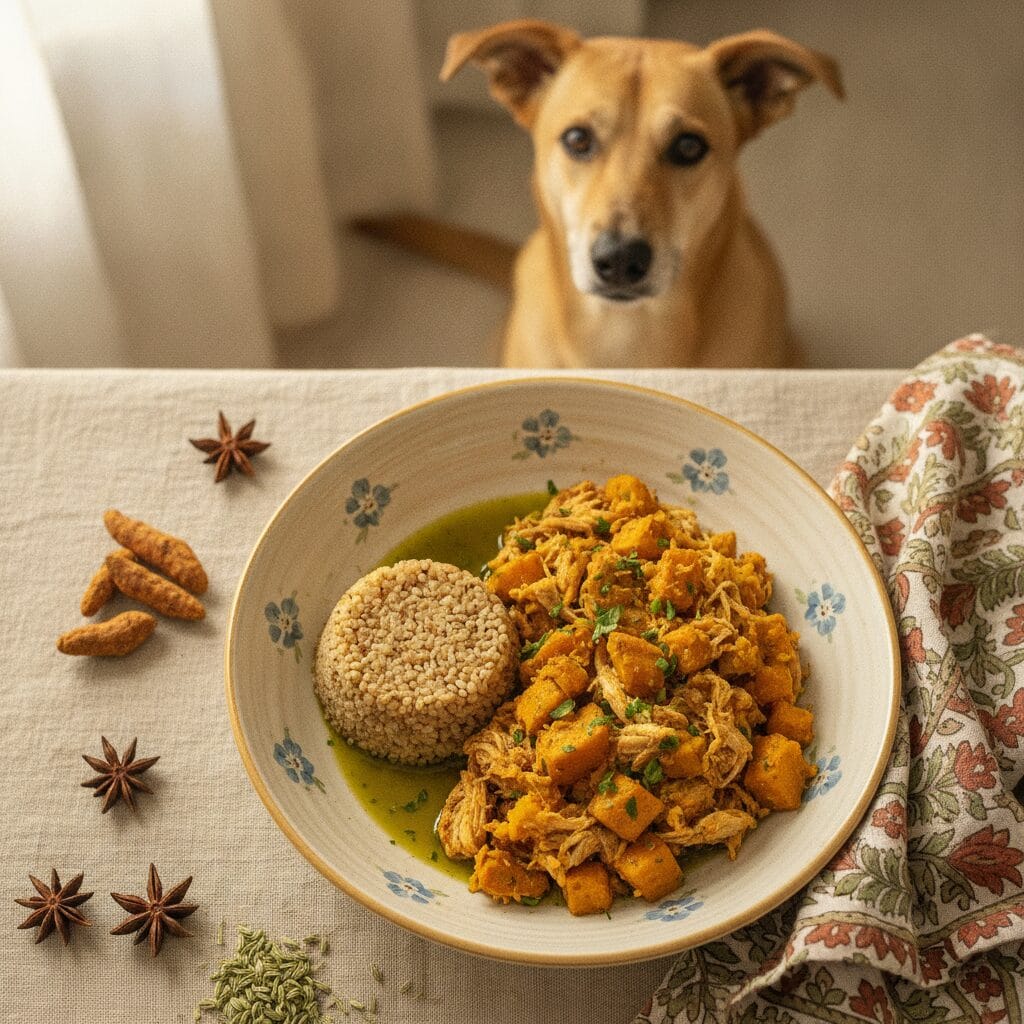
Winter Warming Bajra Bowl: A Practical Recipe
Here’s a simple recipe for a balanced, winter-appropriate meal that can include a small portion of bajra, balanced with the right nutrients.
Ingredients:
- 300g boneless chicken thighs (gently pressure cooked until tender)
- 50g cooked bajra (boiled until mushy)
- 100g red pumpkin (steamed and mashed)
- 1 tsp turmeric paste (optional, for anti-inflammatory benefits)
- 1-2 scoops of The Doggos Hemp Meal Balancer (according to your dog’s weight)
- A splash of chicken broth (from cooking)
Instructions:
- Pressure cook the chicken thighs until tender. Once cooled, shred the chicken.
- Boil or pressure cook the bajra separately until very soft.
- Steam the pumpkin and mash it into a puree.
- Combine the shredded chicken, cooked bajra, mashed pumpkin, and turmeric paste in a bowl.
- Add a splash of the chicken broth to achieve a moist consistency.
- Once the meal has cooled to room temperature, stir in the recommended amount of The Doggos Hemp Meal Balancer.
- Serve immediately.
This recipe ensures your dog gets vital protein, some healthy fibre, and a complete nutritional boost from the balancer, making the small amount of bajra a less impactful addition.
Common Mistakes When Feeding Bajra to Indian Dogs
Even with good intentions, Indian pet parents often make mistakes when including grains like bajra in their dog’s diet:
- Overfeeding Bajra: Making bajra or any grain the primary component of the meal, often exceeding 25-30% of the bowl. This displaces crucial animal protein and fat.
- Feeding Raw or Undercooked Bajra: Raw grains are extremely difficult for dogs to digest and can cause severe gastrointestinal upset.
- Not Deboning Cooked Meat: A fatal mistake. If you cook meat with bones, always debone thoroughly before feeding. Cooked bones splinter.
- Ignoring Nutritional Gaps: Assuming bajra and chicken alone are a complete diet. This leads to long-term deficiencies, especially in calcium, Omega-3s, and essential amino acids.
- Misinterpreting ‘Heat’ Symptoms: Attributing skin issues to the ‘heat’ of chicken or eggs, when it’s often an Omega-6 inflammatory response. Switching off protein without balancing fats only makes the underlying issue worse.
Frequently Asked Questions About Bajra for Dogs
Is bajra good for a dog’s skin and coat?
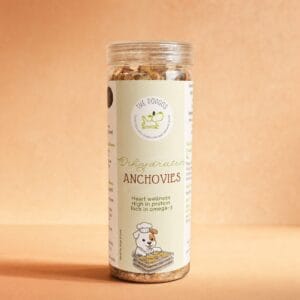
While bajra contains some zinc and magnesium, beneficial for skin and coat, its high carbohydrate content and potential for Omega-6 imbalance (if not balanced with Omega-3) can actually worsen skin and coat issues in dogs, manifesting as itching or dull fur. For superior skin and coat health, focus on animal-based Omega-3s like those found in Dehydrated Anchovies or the GLA in Hemp Seed Oil.
Can puppies eat bajra?
It is generally not recommended to feed bajra to puppies. Puppies have highly sensitive digestive systems and require a nutrient-dense, easily digestible diet rich in protein and healthy fats for optimal growth and development. Grains like bajra offer little nutritional benefit for a growing carnivore and can cause digestive upset. Focus on high-quality, species-appropriate foods.
How much bajra can I feed my dog per day?
If you choose to feed bajra, it should be a very small portion, constituting no more than 10-15% of their total daily meal by weight. For most adult dogs, this translates to 1-4 tablespoons of thoroughly cooked, mushy bajra, always introduced slowly and paired with a complete, balanced meal of meat and supplements. Monitor for any signs of digestive upset.
Does bajra cause ‘heat’ in dogs?
The concept of bajra causing ‘heat’ in dogs, leading to rashes or itching, is largely a myth. While it does have a thermic effect, the skin and coat issues often associated with ‘heat’ are typically inflammatory responses to an imbalanced diet, particularly an excess of Omega-6 fatty acids relative to Omega-3s. Balancing the diet with appropriate Omega-3 supplements and ensuring a species-appropriate diet addresses the root cause.
What are healthier winter alternatives to bajra for dogs?
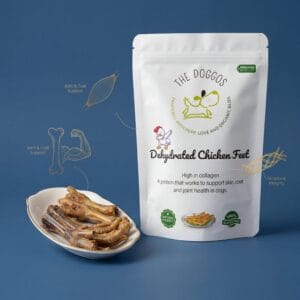
For a truly warming and nourishing winter diet, focus on nutrient-dense, animal-based proteins and healthy fats. Mutton is an excellent ‘warming’ protein in Ayurveda, rich in iron and zinc, perfect for winter. Dehydrated treats like Dehydrated Mutton Trotters provide collagen and essential nutrients. Adding healthy fats like Hemp Seed Oil also provides internal warmth and anti-inflammatory benefits without the carbohydrate load.
While bajra can be a small, occasional addition to your dog’s winter diet in India, it should never be a primary food source. The key to a truly nourishing meal lies in balancing its nutritional profile. That’s why The Doggos Hemp Meal Balancer is so crucial for home-cooked meals, transforming simple ingredients into a complete, species-appropriate diet. Give your dog the gift of balanced nutrition this winter. Learn more about my approach to canine nutrition on my author page.