In Indian homes, it’s common to see dogs sharing our meals, often including staples like roti or rice. As pet parents become more health-conscious, questions arise about specific ingredients, especially grains. One such grain gaining popularity for its gluten-free properties is jowar (sorghum), and its winter counterpart, bajra (pearl millet). But can Indian dogs truly eat jowar as a gluten-free grain, or bajra, and are they good choices for their diet?
Quick Answer: Can Indian Dogs Eat Jowar and Bajra?
Yes, Indian dogs can safely eat jowar and bajra in small, well-prepared quantities as gluten-free grain Indian dogs options. While nutrient-rich, meat remains the foundation of a carnivore’s diet. Always soak and thoroughly pressure cook these millets to reduce anti-nutrients, ensuring digestibility and balancing with essential meat-based nutrition.
Why Gluten-Free Grains Matter for Indian Dogs, But Aren’t the Whole Story
Just like humans, some dogs can develop sensitivities or allergies to gluten, a protein found in wheat, barley, and rye. In India, where wheat-based rotis and rice are common diet components for dogs, gluten intolerance can manifest as:
- Chronic itching and skin rashes
- Paw licking and hot spots
- Recurrent ear infections, often mistaken for allergies to chicken
- Gastrointestinal upset, including vomiting or diarrhoea
Switching to gluten-free options like jowar or bajra can certainly alleviate these symptoms for sensitive dogs. But the core issue isn’t just gluten. It’s the over-reliance on carbohydrates in a carnivore’s diet. Dogs are biologically designed for meat, not grains. Their short digestive tract (12-30 hours transit time) and lack of salivary amylase mean that grains are poorly digested and can put a strain on their pancreas, leading to long-term health issues. What many Indian pet parents call ‘heat’ from certain foods is often an Omega-6 inflammatory response, not thermal heat, which can be exacerbated by high-carb diets. For more on this, read my guide on why is my dog always itching.
High-carb diets, which are prevalent in many commercial kibbles (often 40-60% carbohydrates) and home-cooked meals heavy on grains, can actually raise your dog’s stomach pH. A dog’s stomach is naturally highly acidic (pH 1-2). When the pH rises, it becomes less effective at killing harmful bacteria and dissolving bone for essential calcium, making your dog more susceptible to infections and nutrient deficiencies. This is a critical factor often overlooked in grain-heavy diets, even with gluten-free options.
Jowar and Bajra: Nutrient-Dense Gluten-Free Grains for Indian Dogs?
Jowar (sorghum) and Bajra (pearl millet) are nutrient-dense millets that are naturally gluten-free. They are rich in fibre, antioxidants, and some minerals like iron and magnesium. For Indian pet parents looking for alternatives to wheat or rice, these millets can seem like healthier choices, especially as gluten-free grain Indian dogs options.
Benefits of Jowar and Bajra for Dogs (in small amounts):
- Gluten-Free: Suitable for dogs with gluten sensitivities, avoiding inflammatory responses. This is a primary draw for many pet parents moving away from wheat-based chapatis.
- Fibre: Aids digestion and promotes gut health, contributing to firmer stools and supporting the gut microbiome. Soluble fibre helps regulate blood sugar, while insoluble fibre adds bulk.
- Nutrients: Both millets offer B vitamins, iron, and magnesium. Jowar is known for its high antioxidant content, helping combat cellular damage. Bajra is particularly noted for its higher iron content (almost 2x that of jowar), making it beneficial for dogs needing a boost, such as those recovering from tick fever. It also contains more protein and healthy fats compared to jowar.
- Energy Source: Provides carbohydrates for sustained energy, though dogs are far more efficient at deriving energy from fat and protein.
- Seasonal Suitability for Bajra: Bajra is often considered a ‘warming’ grain in Ayurveda and traditional Indian diets, making it a popular choice for winter months across India. This traditional belief aligns with its nutrient profile, helping maintain body warmth and energy during colder seasons, much like it does for humans. Its slightly higher fat and protein content compared to jowar can also be beneficial in colder climates, providing sustained energy and supporting a healthy metabolism. Many Indian households prefer Bajra during the colder months for its perceived ability to keep the body warm, and this benefit extends to our canine companions, especially short-haired breeds like Indies or Labradors who feel the chill more intensely.
Considerations and Risks:
- Anti-nutrients: Jowar and Bajra contain phytates and tannins, which can inhibit the absorption of some vital minerals like zinc, iron, and calcium. Phytates bind to these minerals, making them unavailable for your dog’s body. Soaking the grains overnight (8-12 hours) and then thoroughly pressure cooking them can significantly reduce these compounds, improving digestibility and nutrient availability. Studies show that proper soaking and cooking can reduce phytate content by up to 70-80%. This is a critical step for feeding any millet. Without this, you risk mineral deficiencies over time.
- Carbohydrate Load: Even as gluten-free grains, jowar and bajra are still carbohydrates. Excessive consumption can lead to weight gain, strain on the pancreas (dogs lack salivary amylase, meaning grains hit their stomach largely undigested), and potential blood sugar spikes. High-carb diets also raise stomach pH, making dogs more susceptible to bacterial infections and poor bone digestion. Remember, a dog’s digestive system is built for meat, not a high volume of plant matter.
- Portion Control is Key: Grains should only ever be a small component of a dog’s diet, ideally less than 10-15% of their total caloric intake. Exceeding this can dilute essential protein and fat intake, leading to nutritional deficiencies over time.
| Food Type | Gluten-Free? | Key Nutrients & Benefits for Dogs | Considerations for Indian Dogs |
|---|---|---|---|
| Jowar (Sorghum) | Yes | Fibre, Antioxidants, Iron, Magnesium. Good for blood sugar control compared to refined carbs. | A suitable gluten-free grain for Indian dogs in moderation. Must be soaked and pressure cooked to reduce anti-nutrients. Still a carb, not a primary food source. |
| Bajra (Pearl Millet) | Yes | Higher in Iron, Magnesium, Protein, Fibre, and healthy fats. Considered ‘warming’ in Ayurveda, good for winter. | Excellent gluten-free grain for Indian dogs, especially in colder months. Requires thorough soaking and cooking. Portion control is vital due to carbohydrate load. |
| Rice (White) | Yes | Easy to digest, B Vitamins. Quick energy. | Common filler, but low nutritional value alone. Can cause blood sugar spikes if overfed. Lacks beneficial fibre. Not ideal as a staple. |
| Wheat (Roti/Chapati) | No | Fibre, Iron (but often processed). | Contains gluten, a common allergen. Can cause inflammation, skin issues, and digestive upset. Not recommended for regular feeding. Read more on roti for dogs. |
| Sweet Potato | Yes | Vitamin A, C, B6, Fibre, Manganese, Antioxidants. | Generally better tolerated than grains, fewer anti-nutrients. Good carb choice in moderation, but still not a primary food. |
| Boneless Chicken | Naturally | High-quality protein, essential amino acids, B vitamins. Foundation of a carnivore’s diet. | Primary food source for Indian dogs. Must be gently cooked (never raw from wet markets). Requires calcium and Omega-3 balancing for complete nutrition. |
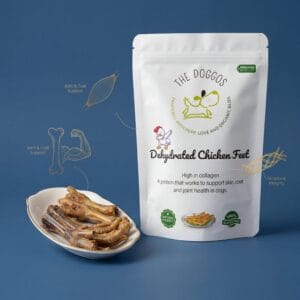
| Dehydrated Chicken Feet | Naturally | Natural source of calcium, phosphorus, glucosamine, chondroitin. | Essential for balancing calcium:phosphorus in meat-heavy diets. Safe, digestible bone source. Supports joint health and dental hygiene. |
The Role of Grains in a Carnivore’s Diet: Why Meat Comes First
Let’s be clear: dogs are carnivores. Their biology, from their sharp teeth and powerful jaws to their short digestive tract and highly acidic stomach (pH 1-2, compared to human pH 4-5), is designed for processing meat, bone, and organs. They have no amylase in their saliva, meaning grains and starches begin digestion only in the stomach, putting extra strain on the pancreas. While dogs can survive on grains, they cannot thrive on them. Their digestive system is simply not built for it. Fresh food, primarily meat-based, boasts a digestibility of 90-94% compared to kibble’s ~80%, meaning more nutrients absorbed and less waste. Kibble, often laden with 40-60% carbohydrates, stands in stark contrast to a dog’s biological needs.
My philosophy, “The Desi Carnivore” method, prioritises meat as the foundation of your dog’s diet. If you choose to include grains like jowar or bajra, they must be a small, well-cooked addition, always balanced with species-appropriate protein and essential nutrients. For more on this, you can read my detailed guide on raw food diet for dogs in India, which explains why we advocate for cooked meat in Indian households due to hygiene concerns.
The Desi Carnivore Method: Balancing Home-Cooked Meals
When you prepare home-cooked meals for your dog, whether with or without grains, the two golden rules are non-negotiable:
- Calcium:Phosphorus Ratio (1.2:1): Meat is rich in phosphorus, but poor in calcium. Without a bone source, a meat-only diet (or meat-plus-grain) will leach calcium from your dog’s skeleton over time, leading to conditions like Osteopenia and “Rubber Jaw” syndrome. This is why we advocate for dehydrated bones, which are safe and digestible, unlike cooked bones that splinter. Options like Dehydrated Chicken Feet or eggshell powder are excellent. Learn more about bone safety in my guide Can Dogs Eat Bones?.
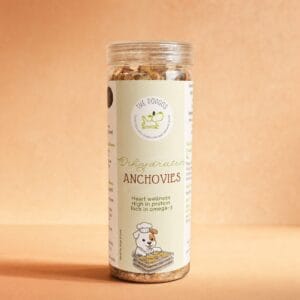
- Omega-6:3 Balance: Commercial Indian chicken is high in inflammatory Omega-6 (often 20:1 or 30:1 vs an ideal 7:1 or lower). This floods the body with inflammatory markers, leading to the ‘heat’ symptoms many Indian pet parents mistakenly attribute to chicken itself. To counter this, you MUST add Omega-3 sources like Hemp Seed Oil or Dehydrated Anchovies to every chicken meal. They are not just toppers, but essential balancers.
These two balances are critical, especially when introducing grains like jowar or bajra. Grains alone do not provide a complete nutritional profile for a dog, and can exacerbate existing imbalances if not properly managed, even if they are gluten-free.
From Mahiv’s Practice: I once had a client in Bengaluru whose Indie dog, Rani, was suffering from chronic paw licking and unexplained itching for years. The vet had prescribed various medications, but nothing worked long-term. Her diet consisted primarily of chicken, rice, and a little bit of jowar roti. After reviewing her diet, we drastically reduced the grains, focused on gently cooked chicken, and introduced the Hemp Meal Balancer to ensure all nutritional gaps were filled. Within three weeks, Rani’s paw licking had reduced by 80%, and her coat became noticeably healthier. It wasn’t the jowar itself that was the problem, but the unbalanced, grain-heavy diet that lacked crucial nutrients and proper Omega balance. Rani now enjoys a small portion of well-cooked bajra in winter, balanced with her meat and Hemp Meal Balancer.
Hemp Meal Balancer: Your Solution for Balanced Grain-Inclusive Meals
If you’re committed to feeding home-cooked meals that include some jowar, bajra, or other gluten-free grain Indian dogs can safely consume, you need a way to ensure your dog is getting all the essential amino acids, fats, vitamins, and minerals they need. This is where our Hemp Meal Balancer comes in. The Hemp Meal Balancer is specifically formulated to turn a simple meat-and-grain (or meat-and-veg) meal into a nutritionally complete and balanced diet. It provides:
- Complete Amino Acid Profile: Ensures your dog gets all the necessary protein building blocks for muscle, skin, and organ health, crucial when grains might dilute protein intake.
- Balanced Omega Fats: Helps correct the inflammatory Omega-6:3 imbalance common in commercial chicken, promoting healthy skin and coat. The GLA (Gamma-Linolenic Acid) in Hemp is particularly effective in reducing inflammation, addressing the root cause of ‘heat’ symptoms.
- Prebiotic Fibre: Supports a healthy gut microbiome, crucial for digestion, nutrient absorption, and immunity. This is especially helpful during diet transitions or when introducing new ingredients like millets.
- Essential Vitamins & Minerals: Fills the gaps that home cooking often leaves, ensuring complete nutrition, including those minerals that anti-nutrients in grains might otherwise block.
Adding a small amount of our Hemp Meal Balancer to your dog’s jowar, bajra, and meat bowl ensures they are not just getting calories, but truly thriving. It’s the simplest way to turn a good intention into a truly great, health-boosting meal. Explore our full range of hemp supplements for dogs to find the perfect fit for your pet.
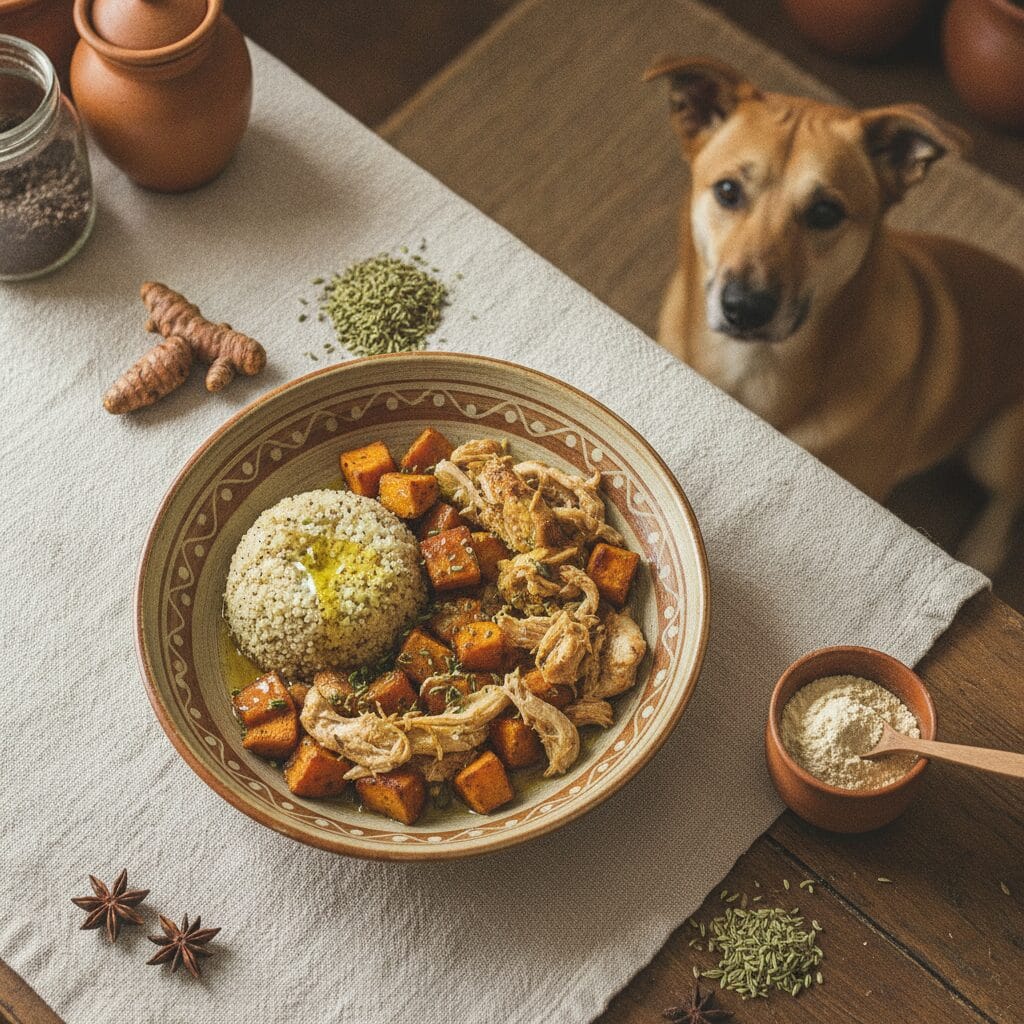
Practical Section: A Balanced Millet & Chicken Bowl Recipe
Here’s how you can safely incorporate jowar or bajra into your Indian dog’s diet:
Ingredients:
- 250g boneless chicken (thigh or breast for good fat and protein)
- 50g chicken liver (excellent source of Vitamin A, B vitamins, and iron, crucial for carnivores)
- 50g cooked jowar or bajra (ensure it’s thoroughly soaked overnight and then pressure cooked to aid digestion and reduce anti-nutrients)
- 50g mixed vegetables (e.g., green beans, carrots, red pumpkin for fibre and vitamins)
- 1/2 tsp turmeric paste (natural anti-inflammatory and antiseptic)
- 1-2 scoops of Hemp Meal Balancer (as per packaging instructions for your dog’s weight)
- 1 Dehydrated Chicken Foot (for calcium and joint health, feed separately as a chew)
Instructions:
- Wash chicken and liver thoroughly, ideally with turmeric water, to ensure hygiene, especially with wet market produce.
- Pressure cook the boneless chicken, liver, and vegetables with a little water until tender (2-3 whistles).
- Once cooled, shred the chicken and liver. Mash the cooked vegetables into the broth.
- Add the thoroughly cooked jowar or bajra to the mixture.
- Sprinkle the recommended amount of Hemp Meal Balancer over the food and mix well.
- Serve the meal. Offer the Dehydrated Chicken Foot as a separate chew later in the day for dental and bone health.
Remember, this is a guideline. Adjust portions based on your dog’s specific needs, activity level, and weight. Always introduce new foods slowly over 7 days to avoid digestive upset. Expect some mucus in stool around Day 3-4 as the gut sheds old lining, which is normal during a diet transition.
Common Mistakes Indian Dog Parents Make with Grains
While the intention is good, many Indian pet parents make crucial errors when feeding grains:
- Over-feeding Grains: Treating jowar, bajra, or rice as the main component of the meal, often making up 50% or more. This dilutes the essential protein and fat a carnivore needs, leading to malnutrition despite full bowls. Dogs are not omnivores, and their primary energy source should be animal fats and proteins. This can lead to lethargy, poor muscle tone, and chronic health issues.
- Not Balancing Nutrients: Feeding only meat and millet, without addressing the critical calcium:phosphorus ratio (should be 1.2:1) or the Omega-6:3 balance. This leads to long-term health issues like Osteopenia, chronic inflammation, joint pain, and poor skin and coat health. A simple addition of the Hemp Meal Balancer can fix this.
- Feeding Uncooked or Lightly Cooked Grains: Grains must be thoroughly cooked (ideally soaked and then pressure cooked for at least 3-4 whistles) to make them digestible and reduce anti-nutrients. Raw or undercooked grains can cause severe digestive upset, gas, bloating, and nutrient malabsorption, making dogs uncomfortable and unwell.
- Assuming “Gluten-Free” Means “Healthy in Large Quantities”: Gluten-free is good for sensitivity, but it doesn’t change the fact that grains are not a dog’s primary food source. They are still carbohydrates that can lead to weight gain, blood sugar issues, and exacerbate existing inflammation if overfed, even if they don’t cause an allergic reaction.
- Ignoring Signs of Intolerance: Dismissing paw licking, itching, loose stools, lethargy, or frequent ear infections as ‘normal’ when they could be dietary reactions to grains or an unbalanced diet. Always observe your dog closely when introducing new foods and adjust their diet accordingly.
Feeding a balanced, species-appropriate diet is paramount. You can learn more about common feeding mistakes in my guide on what should I feed my dog.
Frequently Asked Questions About Jowar and Gluten-Free Grains for Dogs
While jowar and bajra can be suitable gluten-free grain Indian dogs can consume in small, balanced quantities, it’s crucial to remember their fundamental carnivorous nature. The real health revolution for your dog comes from providing high-quality, species-appropriate protein, healthy fats, and balanced minerals.
If you’re making the effort to home-cook for your beloved dog, don’t let it become a nutritional guessing game. Our Hemp Meal Balancer is specifically designed to ensure every bowl you prepare, whether it contains jowar, bajra, or not, is nutritionally complete. The Hemp Meal Balancer is the simplest way to turn a good intention into a truly great, health-boosting meal, ensuring your dog gets all the essential nutrients without the guesswork.
For more insights into canine nutrition and my approach, feel free to visit my author page.