
When it comes to feeding our feline companions, many Indian pet parents wonder if homemade is truly better. While the intention is noble, formulating a truly balanced homemade cat food in India requires more than just cooking some chicken and rice. Cats are obligate carnivores, with precise nutritional needs that, if missed, can lead to serious health issues.
Quick Answer: Is Balanced Homemade Cat Food Possible in India?
Yes, balanced homemade cat food is possible in India, but it demands careful attention to specific nutrient requirements, particularly taurine, calcium, and Omega-3 fatty acids. You must cook meat thoroughly due to Indian hygiene challenges, never feed cooked bones, and supplement with essential organ meats and minerals to prevent deficiencies common in unbalanced home diets. Our Dehydrated Bone and Organ Boost helps bridge these critical nutritional gaps.
Why Cats Are NOT Small Dogs: The Obligate Carnivore Difference
I often hear, "My cat eats what my dog eats." This is a dangerous misconception. While dogs are carnivores, they are facultative, meaning they can, to some extent, adapt to a broader diet. Cats, however, are obligate carnivores. Their bodies are designed exclusively for meat.
- Taurine is Non-Negotiable: Cats cannot synthesise enough taurine, an amino acid found almost exclusively in animal protein, especially organ meats and dark muscle. A deficiency can lead to irreversible blindness (Feline Central Retinal Degeneration) and heart disease (Dilated Cardiomyopathy). This is why a simple chicken-and-rice diet, common in Indian homes, is catastrophically inadequate for cats.
- Higher Protein Needs: Cats require significantly more protein than dogs for energy and muscle maintenance. Their metabolism is constantly geared towards processing animal protein.
- Unique Vitamin & Mineral Metabolism: Cats cannot convert beta-carotene to Vitamin A, requiring pre-formed Vitamin A from animal sources. They also have specific requirements for certain B vitamins that are abundant in meat.
The Indian Challenge: Hygiene and Nutrient Deficiencies
Feeding raw meat, while biologically appealing, poses significant health risks in India. Our humid climate and wet market conditions mean bacterial contamination (Salmonella, E.coli) is a constant threat. While a cat’s acidic stomach (pH 1-2) offers some protection, cross-contamination in the household is a risk I cannot ethically endorse. This is why I advocate for a "Cook the Meal, Dehydrate the Bone" approach for cats, just as for dogs.
The other major challenge is avoiding nutrient gaps. Many homemade diets for cats, even well-intentioned ones, miss critical elements:
- Lack of Taurine: As discussed, this is the biggest danger. Cooking can also reduce taurine levels, making supplementation even more vital.
- Calcium-Phosphorus Imbalance: Meat is rich in phosphorus but low in calcium. Without a bone source, a meat-only diet will leach calcium from your cat’s bones, leading to skeletal issues.
- Omega-6:3 Imbalance: Commercial Indian chicken is often high in inflammatory Omega-6s. Without balancing Omega-3s, this can lead to skin issues and inflammation.
- Missing Micronutrients: Organs like liver, kidney, and heart are powerhouses of vitamins and minerals. Skipping them leaves gaps.
The “Cook the Meal, Dehydrate the Bone” Method for Cats
This is the safest and most balanced approach for Indian cat parents:
- Cook the Meat Thoroughly: Gently pressure cook or boil boneless meat (chicken, goat, fish) to eliminate pathogens. Always ensure it’s cooked through.
- DEBONE After Cooking: This is non-negotiable. Cooked bones become brittle and splinter, posing a fatal choking or internal perforation risk. Remove ALL bones before serving.
- Supplement Essential Nutrients: Since you’re cooking and deboning, you must actively add back the crucial nutrients lost or missing.
Dehydrated Bone and Organ Boost: Your Cat’s Taurine and Mineral Solution
This is where most homemade cat diets fall short, and it’s why our Dehydrated Bone and Organ Boost is a big change for balanced homemade cat food in India. Cats need a consistent, bioavailable source of taurine, along with a correct calcium-to-phosphorus ratio (ideally 1.2:1 to 1.4:1). Organs like heart are naturally rich in taurine, and bone provides calcium.
Our Bone and Organ Boost is a convenient, safe, and effective way to ensure your cat gets the vital taurine from beef heart and liver, plus natural calcium and phosphorus from bone meal. Just a sprinkle on their cooked meal makes a world of difference, preventing the dangerous deficiencies common in unbalanced home diets.
Omega-3 Fatty Acids for Feline Health
Just like dogs, cats benefit immensely from Omega-3s, particularly DHA and EPA, which support brain function, vision, joint health, and a healthy skin and coat. Given the Omega-6 heavy commercial chicken often found in India, balancing fats is crucial.
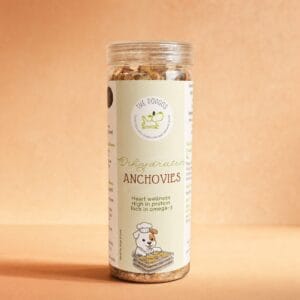
My go-to for cats is small, wild-caught fish like anchovies or sardines. They are low on the food chain, meaning minimal heavy metal accumulation, and packed with beneficial Omega-3s. Our Dehydrated Anchovies or Dehydrated Sardines are perfectly safe and convenient. They are naturally rich in Omega-3s and also provide some natural taurine and Vitamin D. Just crumble a few into their meal.
From Mahiv’s Practice: I once consulted for a Persian cat in Bengaluru suffering from chronic skin allergies and a dull coat, despite being on a "homemade" chicken and rice diet. The owner was convinced it was "heat" from the chicken. We switched to a gently cooked chicken and goat meat base, added a daily sprinkle of Bone and Organ Boost, and three Dehydrated Anchovies to each meal. Within 8 weeks, her coat was visibly shinier, the scratching reduced, and her energy levels improved. It wasn’t "heat", it was Omega-6 inflammation and nutrient deficiencies.
Simple Desi Carnivore Cat Meal Recipe
This recipe provides a solid foundation for a balanced homemade cat food in India. Always consult with a canine nutritionist (like me, Mahiv Amit Chhabra) or a vet experienced in feline nutrition to tailor amounts to your cat’s specific needs, age, and activity level.
Ingredients:
- 200g boneless chicken thighs (skin on for fat and taurine)
- 50g chicken liver or heart (or a mix, crucial for taurine and vitamins)
- 50g boneless goat meat (optional, for variety and different nutrients)
- 1/4 cup water or bone broth (unsalted, homemade)
- 1/2 tsp Dehydrated Bone and Organ Boost
- 3-5 Dehydrated Anchovies (crumbled)
- Optional: A pinch of baobab powder for Vitamin C and prebiotics, especially during diet transition.
Instructions:
- Cook the Meat: In a pressure cooker, combine chicken thighs, liver/heart, and goat meat (if using) with water/broth. Cook for 2-3 whistles until thoroughly done.
- Cool & Shred: Let the meat cool completely. Shred or finely chop the cooked meat into small, bite-sized pieces suitable for your cat.
- Debone (if applicable): Ensure absolutely NO bones remain. Even small cartilage pieces can be a risk if they harden during cooking.
- Combine & Supplement: Place the shredded meat into your cat’s bowl. Sprinkle the Dehydrated Bone and Organ Boost and crumbled Dehydrated Anchovies over the meal. Mix well.
- Serve: Serve at room temperature. Store any leftovers in an airtight container in the refrigerator for up to 2-3 days.
Common Mistakes Indian Cat Parents Make
In my experience, these are the most frequent pitfalls when trying to feed a homemade diet to cats in India:
- Vegetarian or Grain-Heavy Diets: A cat cannot thrive on roti, dal, or excessive rice. They are obligate carnivores. Feeding a vegetarian diet to a cat is a recipe for severe nutrient deficiencies and illness.
- Feeding Cooked Bones: This is a critical safety hazard. Cooked bones splinter and can cause internal damage. Always debone after cooking.
- Ignoring Taurine: Assuming "just chicken" is enough. It’s not. Organ meats, especially heart, or a dedicated taurine supplement like our Bone and Organ Boost are essential.
- Treating Cats Like Small Dogs: Giving them dog biscuits, dog food, or dog-sized portions of human food. Cats have different needs and sensitivities.
- Lack of Variety: Sticking to just one protein source for years can lead to sensitivities and nutrient imbalances. Rotate proteins like chicken, goat, and various fish.
- Not Balancing Fats: High Omega-6 from commercial chicken without balancing Omega-3s can lead to inflammatory conditions like skin issues and allergies.
Ensuring a Balanced Life for Your Feline Friend
Creating a truly balanced homemade cat food in India isn’t about being perfect every single meal. It’s about consistency, education, and making informed choices that honour your cat’s unique biology. By understanding their obligate carnivore needs, addressing the hygiene gap with cooked meat, and supplementing wisely, you can provide a diet that helps them thrive.
Remember, essential nutrients like taurine and a proper calcium-phosphorus balance are non-negotiable for feline health. Our Dehydrated Bone and Organ Boost makes it simple to add these critical elements to any homemade meal, ensuring your beloved cat gets all the goodness of organ meats and bone without any of the risk. For their Omega-3 needs, consider our Dehydrated Anchovies, a natural and potent source.
Always observe your cat closely for any changes in appetite, energy, or stool consistency when transitioning to a new diet. While I provide guidance as a certified canine nutritionist, it’s always wise to discuss significant dietary changes with your trusted veterinarian.