
Everywhere you look online, you see shiny, happy dogs munching on raw meat. It looks so natural, so primal, doesn’t it? The idea of feeding our dogs as their wolf ancestors ate is super appealing. But here in India, that beautiful, biologically-sound idea? Well, it actually comes with a hidden, dangerous reality a lot of well-meaning pet parents just miss.
While the *concept* of raw feeding totally makes sense for a dog’s carnivorous biology, practically doing it safely in Indian homes, especially with our unique wet markets and that sticky, humid climate, is a huge hygiene risk we just can’t, you know, ignore, ethically speaking. **Here at The Doggos, we’re all about the “Cook the Meal, Dehydrate the Bone” method.** Basically, it means you gently cook your dog’s meat to get rid of all the nasties, and then give them the calcium and dental goodness they need with safe, dehydrated bones. Never cooked ones, though. Seriously.
The Raw Feeding Dilemma: Why India is Different
Look, I’m a certified canine nutritionist, okay? And I totally get the biological reasons for raw feeding. Dogs have super acidic stomachs (pH 1-2, versus a human’s 4-5) built to kill bacteria and break down bone, no problem. Their short guts? They’re made for quickly processing protein, not slowly fermenting carbs. Biologically, a dog is, like, 99.9% wolf. Think about it.
But here’s the thing: biology doesn’t exist in a vacuum, does it? We live in India. And the rules? They’re just different here.
The Hygiene Gap: Why Raw Doesn’t Work Here
The biggest problem with feeding raw safely in India? It’s what I like to call the “Hygiene Gap.”
- Wet Market Reality: Look, our local wet markets, they’re vibrant, sure, and you can get fresh cuts. But honestly, they just don’t compare to those super sterile, temperature-controlled European supermarkets where big raw pet food brands get their meat. With the open air, that crazy humidity in cities like Mumbai or Chennai, and, well, how things are generally handled, raw meat can pick up nasty bacteria like Salmonella and E. coli in mere minutes. Seriously, minutes.
- Cross-Contamination Risk: Bringing raw meat from your neighbourhood butcher into an Indian home? That’s a *serious* cross-contamination risk. Dogs don’t exactly eat neatly, do they? They’ll drag bones onto your rug, hold ’em between their paws, and then, inevitably, come give you a big sloppy lick on the face, or your child’s hand, or even the kitchen floor. Even if you clean like crazy, the risk to your human family, especially kids, grandparents, or anyone with a weaker immune system, it’s just too high to brush off.
- Practicality Over Purity: Sure, a dog’s stomach acid *can* probably handle those pathogens. But come on, we can’t just ignore what daily life is like in a busy Indian home, can we? We want our dogs to *thrive*, yaar, not just barely survive a bacterial attack.
This is exactly why, even though raw feeding sounds great biologically, **I really, really advise against feeding raw meat from Indian wet markets directly to your dog.** The risk? It’s just not worth it. Period.
The Deadly Truth About Cooked Bones: A Non-Negotiable Safety Rule
Okay, so here’s where a lot of well-meaning Indian pet parents make a mistake that could actually be fatal. They know dogs need bones for calcium, right? So they’ll just pressure-cook chicken with the bones still in and feed the whole thing to their dog. **This? This is incredibly dangerous.**
When bones get hit with high heat, especially from pressure cooking, they turn brittle. Instead of dissolving safely, they shatter into sharp, jagged splinters. These splinters can:
- Puncture the oesophagus or stomach lining.
- Get stuck in their intestines.
- Cause fatal internal bleeding or a nasty infection called peritonitis.
I really, really can’t stress this enough: **NEVER EVER feed your dog cooked bones.** This isn’t just a suggestion; it’s a life-or-death safety rule.
For a full guide on bone safety, go check out my blog post: Can Dogs Eat Bones? The Ultimate Indian Pet Parent’s Guide
The Desi Carnivore Method: Cook the Meal, Dehydrate the Bone
So, if raw food is a gamble and cooked bones are deadly, then what on earth do we do? Well, this is where “The Desi Carnivore” method truly shines. It’s basically our Indian middle path, giving your dog exactly the right nutrition for their species without putting your household’s safety at risk. And that’s pretty cool, if you ask me.
Here’s how it works:
- COOK the Meat: Just gently home-cook your dog’s meat. A pressure cooker is totally fine if you’re in a hurry. This step zaps away Salmonella, E. coli, and all those other nasty bugs that just love our humid climate and wet market setup. Plus, cooking can actually make the protein easier for some dogs to digest, particularly if they’ve got a sensitive tummy. (My Lab, for example, does so much better with cooked meat).
- DEBONE After Cooking: Once the meat’s done, you **meticulously debone it.** And I mean *meticulously*. Get every single bone out. This isn’t something you can skip, na?
- DEHYDRATED Bones/Chews for Calcium & Dental Health: This is what I call our “Goldilocks” solution. Dehydration is a slow, low-temp drying process (we’re talking 20+ hours) that keeps the bone porous and flexible. See, unlike cooked bones, dehydrated ones just crumble into a safe, chalky powder when your dog chews them. So, they get all that essential calcium without *any* splintering risk. And bonus: they’re like natural toothbrushes and great for keeping their minds busy!
So, this method? It really gives you the best of everything: safe, pathogen-free meat *and* all those biologically appropriate calcium and dental benefits. Win-win, I say.
The Two Golden Rules of Every Desi Carnivore Bowl
Beyond just the “Cook the Meal, Dehydrate the Bone” method, there are two really important nutritional rules for every single bowl you whip up:
1. Calcium:Phosphorus Ratio Must Be 1.2:1
Dogs really need a precise balance of calcium and phosphorus. It’s vital for their strong bones, healthy teeth, nerve function, and even blood clotting. Now, meat is packed with phosphorus, but it’s usually pretty low on calcium. So, if you’re just feeding a homemade, boneless diet (think plain chicken and rice) without adding *any* calcium, you’re basically setting your dog up for some pretty serious health troubles later on. And nobody wants that, right?
- The Danger: If your dog has a calcium deficiency for too long, their body will start stealing calcium from its own bones just to keep vital functions going. This eventually leads to osteopenia, brittle bones, and guess what? “Rubber Jaw” syndrome (that’s nutritional secondary hyperparathyroidism, folks), where their jaw bone literally turns soft. It’s scary stuff.
- The Fix: You absolutely MUST add a safe calcium source to any boneless meals. Our top functional medicine picks include:
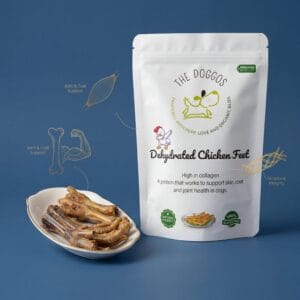
- Dehydrated Chicken Feet: Each foot gives you about 450mg of glucosamine and chondroitin for healthy joints, plus plenty of natural calcium. (Shop Dehydrated Chicken Feet)
- Dehydrated Whole Quail: This is a real whole-prey option. It offers perfectly balanced calcium, phosphorus, and manganese, which is great for ligament health. (Shop Dehydrated Whole Quail)
- Eggshell Powder: A super easy DIY option. Just sterilise and grind those eggshells!
- Calcium Citrate: A good supplement if you need really precise dosing.
2. Omega-6:3 Balance is Crucial
Okay, this next one is a huge factor, and it’s so often overlooked, especially here in India. See, most commercial chicken in India? It’s usually fed a diet heavy on corn and soy. What happens then? Well, this leads to a seriously messed-up Omega-6 to Omega-3 ratio. We’re talking ratios as high as 20:1 or even 30:1! (Compare that to a healthy 7:1 you’d find in pasture-raised chicken). This imbalance basically just floods your dog’s body with inflammatory markers. And that’s not good, is it?
- The Danger: This chronic inflammation shows up as all those “unexplained” itches, constant paw licking, annoying hot spots, dry flaky skin, and those ear infections that keep coming back and plague so many Indian dogs. Owners often say it’s “heat” from chicken, but honestly, that’s a total myth. I get so many DMs about this, you wouldn’t believe.
- The “Heat” Myth Debunked: So, what we Indians usually call “heat” from chicken or eggs (you know, often linked to Ayurveda or TCM)? That’s actually just this Omega-6 induced inflammation, not, like, actual thermal heat. Sure, meat does have a high Thermic Effect of Food (TEF), but those rashes and itching owners see? Total inflammatory response.
- The Fix: You absolutely MUST add a really potent source of Omega-3 to *every* chicken meal to balance out those fats. They’re not just some “toppers,” na? They’re actual “balancers.”
- Hemp Seed Oil: This is my absolute favourite, hands down. It’s the king of GLA (Gamma-Linolenic Acid), which is this rare Omega-6 that actually works as an ANTI-inflammatory. GLA basically skips a few steps that dogs with skin issues often miss, directly cutting down inflammation and keeping that skin barrier nice and moist. Oh, and it’s plant-based, so perfect for vegetarian households. (Shop Hemp Seed Oil)
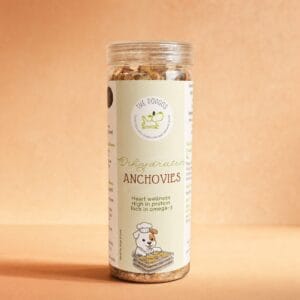
- Dehydrated Anchovies/Sardines: My motto for fish? “Eat low on the food chain.” These small, short-lived fish are just packed with DHA for brain development and EPA for inflammation. Best part? No heavy metal build-up like you’d get with bigger fish. (I’ve seen these work wonders with Indie dogs, especially).
If your dog is always itching, like, *always*, then you absolutely need to read my guide: Why is My Dog Always Itching? The Desi Carnivore Guide
The Science Behind Fresh Food: Why It Just Works Better
The Desi Carnivore method isn’t just about playing it safe, you know? It’s about giving your dog seriously superior nutrition that totally fits their biology. And that’s why it just works better.
- No Amylase in Saliva: Dogs don’t have any amylase in their saliva. What does that mean? Well, they can’t pre-digest grains or starches. So, when you give a dog roti, it basically hits their stomach still “whole,” which really strains their pancreas. Not ideal.
- Short Intestinal Transit: A dog’s food moves through their gut super fast, taking only about 12-30 hours (compare that to a human’s 30 hours to 5 days!). It’s all designed for quick protein processing, not for slowly fermenting grains. See the difference?
- Superior Digestibility: Fresh, minimally processed food? It’s got an amazing 90-94% digestibility. Kibble, on the other hand, is only about 80%. What does that mean for your dog? More nutrients absorbed, smaller and firmer poops, and way less smelly waste. Everyone wins!
- Natural Hydration: Fresh food is, like, 70% water. Kibble? Only 10%. So, it’s totally normal for dogs on a fresh diet to drink less water. And guess what? That’s fantastic for their kidney health.
- Stable Stomach pH: Diets loaded with carbs (think kibble, too much rice or roti) can actually make your dog’s stomach less acidic by raising its pH. This doesn’t just mess up bone digestion; it also makes your dog way more likely to get bacterial infections. Not what you want, right?
Want a full guide on exactly what to feed? Then go check out: What Should I Feed My Dog? The Desi Carnivore Guide
Building Your Desi Carnivore Bowl: A Practical Guide
Doing the whole “Cook the Meal, Dehydrate the Bone” thing? It’s actually way simpler than you might think. Here’s a basic plan for you:
Recipe Example: The Golden Chicken Bowl (Daily Staple)
This? This is a truly fantastic, balanced meal that works great for most adult dogs.
Ingredients:
- 500g chicken thighs (bone-in, skin-on for taurine)
- 50g chicken liver (vital Vitamin A)
- 100g red pumpkin (for fibre and gut health)
- 1 tsp turmeric paste (natural antiseptic, anti-inflammatory)
- 1-2 tsp The Doggos Hemp Meal Balancer (for complete amino acids and prebiotic fibre)
- 1-2 tsp The Doggos Hemp Seed Oil (for Omega-3 balance)
Method:
- Wash your chicken and liver really well, maybe even with some turmeric water for that extra antiseptic boost. Good idea, na?
- Pop the chicken, liver, pumpkin, and turmeric paste into a pressure cooker with just enough water to cover everything. Then, cook it for about 2-3 whistles.
- Once it’s cooled down, **meticulously DEBONE the chicken.** Seriously, this is the most important step. Make sure you throw away all those cooked bones safely. Don’t take chances.
- Mash that cooked pumpkin right into the broth. Shred the chicken and liver.
- Once the whole meal has cooled down to a nice lukewarm temperature, stir in The Doggos Hemp Meal Balancer and Hemp Seed Oil. Easy peasy.
- Serve it up!
So, this bowl gives you amazing high-quality protein, all those essential organs, good fibre, perfectly balanced fats, and a full amino acid profile. Pretty great, right?
Transitioning Your Dog to a Fresh Diet
Please, don’t just switch your dog’s food cold turkey! A slow, gradual transition really helps their gut get used to it. Trust me on this.
- Days 1-2: 75% old food, 25% new fresh food.
- Days 3-4: 50% old food, 50% new fresh food.
- Days 5-6: 25% old food, 75% new fresh food.
- Day 7 onwards: 100% fresh food.
You might see some mucus in their poop around Day 3 or 4. Don’t freak out! It’s totally normal, not a cause for alarm at all. It just means your dog’s gut is shedding its old lining and getting used to the new food. A little pinch of The Doggos Baobab Powder or some extra pumpkin can really help settle their tummy during this stage.
Common Mistakes Indian Dog Parents Make
Based on all my years of experience, here are the mistakes I see Indian dog parents make most often:
- Feeding Raw Bones from Wet Markets: This is a huge hygiene and safety risk. Seriously, just don’t do it.
- Feeding ANY Cooked Bones: I’m talking especially pressure-cooked chicken bones. They’ll splinter and can be fatal. No exceptions.
- Long-Term Boneless Diets: If you’re just feeding chicken and rice forever without *any* calcium source, your dog’s body will run out of skeletal calcium. This leads to serious health problems, like that scary “Rubber Jaw” syndrome. Not good.
- Ignoring Omega-3 Balance in Chicken Meals: This is exactly what causes chronic inflammation, those irritating skin issues, and what so many folks mistakenly call “heat.”
- Relying on Kibble as the Sole Diet: Kibble? It’s basically a highly processed, carb-heavy product made for *our* convenience, not for a dog’s biology. It so often causes chronic dehydration, poor digestion, and a whole bunch of inflammatory conditions. Think about it.
- Treating Dehydrated Chews as “Just Snacks”: Look, our dehydrated treats aren’t just snacks; they’re functional medicine! A Chicken Foot? That’s a natural joint supplement. Mutton Trotters? Those are dental tools *and* mental enrichment. Anchovies? Brain food, pure and simple. They are a super important part of a truly holistic diet.
- Feeding Too Much Roti/Chapati: Sure, a tiny piece once in a while as a treat probably won’t hurt. But roti is mostly maida (refined flour) or wheat, which dogs really struggle to digest and get almost no nutritional value from. Want to know more? Read: Is Roti Good for Dogs? The Desi Carnivore Take
- Feeding Parle-G/Marie Biscuits: Oh, these are just packed with sugar and maida. They’ll rot teeth and offer absolutely no nutritional benefit. Please, give them a Dehydrated Chicken Foot instead! It’s better for everyone.
Frequently Asked Questions About Raw and Homemade Diets in India
Q: Is raw food *ever* safe for dogs in India?
A: Look, dogs are totally built for raw food, biologically speaking. But honestly, the real-world challenges of finding *truly* safe, pathogen-free raw meat from Indian wet markets, plus that whole cross-contamination risk in our homes? It just makes it generally unsafe for pet parents to actually do it. Here at The Doggos, we’re all about the “Cook the Meal, Dehydrate the Bone” method. It’s way safer and gives them just as much goodness.
Q: Can I just feed chicken and rice to my dog every day?
A: A basic chicken and rice diet? It’s missing some really important stuff. For one, it doesn’t have a good calcium:phosphorus balance, which means your dog will get calcium deficient over time. Plus, it usually doesn’t have enough essential Omega-3 fatty acids, which can cause inflammation. While it’s definitely better than just plain roti, it’s more of a “survival” diet, not one where your dog will truly thrive. You absolutely MUST add calcium (think dehydrated bones) and Omega-3 (like our Hemp Seed Oil or some anchovies) to make it a full, complete meal.
Q: My vet recommended kibble. What should I do?
A: Honestly, most vets get super minimal, if any, nutritional education in vet school. And whatever little they do get? It’s often sponsored by the big kibble companies. Look, vets are absolutely essential for medical stuff, but their advice on nutrition might not always be the best fit for how a dog’s body is actually designed. I really encourage you to dig into the “Cook the Meal, Dehydrate the Bone” method, truly understand your dog’s carnivorous biology, and then make a decision that feels right for *your* pet. You can always chat with your vet about your fresh food plan for their medical take on it, of course.
Q: How do I give my dog calcium safely?
A: The absolute safest and easiest way for your dog’s body to use calcium? That’s through dehydrated bones (think Chicken Feet or Whole Quail). These bones are all porous and just crumble safely when chewed, completely unlike those super dangerous cooked bones. Or, if you prefer, you can use finely ground eggshell powder or a good quality calcium citrate supplement.
Q: What about the “heat” from chicken? My dog gets rashes.
A: That “heat” you’re seeing? It’s almost definitely not actual thermal heat. Nope. It’s an inflammatory response, pure and simple, caused by a messed-up Omega-6:3 ratio in our commercial Indian chicken. The fix? Add a potent Omega-3 source like Hemp Seed Oil or Dehydrated Anchovies to your chicken meals. This balances those fats out and can seriously cut down, or even get rid of, those “heat” symptoms. And you won’t even have to take chicken off their menu!
Ready to Feed the Desi Carnivore Way?
Tired of the confusion? Good news: feeding your dog a biologically appropriate, safe, and delicious diet doesn’t have to be some huge, complicated thing. The Desi Carnivore method offers a super practical, science-backed way that just works perfectly for Indian homes and our beloved Indian dogs.
Explore our range of human-grade, ethically sourced dehydrated treats that double as functional medicine, and our powerful superfood supplements designed to balance and complete your dog’s homemade meals.
* Shop All Dehydrated Dog Treats
* Discover Our Hemp Supplements
* Explore Baobab Skin & Coat Solutions
Remember this: a healthy gut and a balanced diet? Those are the absolute foundations of a happy, thriving dog. So, let’s make every single meal count, the Desi Carnivore way!