
Every Indian pet parent wants their dog to thrive, not just survive. We hear a lot about ‘superfoods’ from the West. Tripe often comes up. Is it really the miracle cure for all gut woes? And more importantly, is it safe for our desi pups in India?
Quick Answer: Benefits of Tripe for Dogs in India
Yes, tripe offers real benefits of tripe for dogs in India. It does the work by boosting gut health with natural probiotics, digestive enzymes, and essential nutrients. It improves digestion. Strengthens immunity. And it can even get picky eaters excited about food. But feeding raw tripe in Indian households has real hygiene risks. Our local market conditions are just not set up for it. For safe, easy organ nutrition, I tell people to add cooked organ meats to their dog’s diet or use a dehydrated option like our Dehydrated Bone and Organ Boost.
What Exactly Is Tripe, and Why Does it Matter?
Tripe is the edible stomach lining of ruminant animals, usually cows or goats. When people call it a ‘superfood’ for dogs, they mean green tripe. It’s not green in colour. It’s ‘unprocessed’ or ‘unbleached’. That means it hasn’t been scalded or washed. It keeps its natural digestive juices, enzymes, and good bacteria.
Think of it as nature’s probiotic supplement. The stomach contents of a grass-fed animal are full of lactic acid bacteria (the good kind), digestive enzymes that break down food, and a perfect balance of calcium and phosphorus. This makes it a highly available source of nutrition for a carnivore like your dog.
The Digestive Powerhouse
Dogs, with their digestive systems, can use the nutrients in tripe. Their stomach pH of 1-2 is designed to break down tough proteins and bone. It also deals with bacteria very well. But this doesn’t mean we ignore external hygiene. Especially in our climate.
The Unsung Hero: Key Benefits of Tripe for Dogs
Let’s look at why tripe is called a canine superfood:
- Probiotic Power: The good bacteria in green tripe are natural probiotics. They support a healthy gut microbiome. This matters for digestion, nutrient absorption, and a strong immune system.
- Enzyme Rich: Tripe has digestive enzymes. These help dogs break down food better. Less strain on organs like the pancreas. Less gas. Less bloating. Firmer stools.
- Balanced Nutrients: Green tripe offers an ideal calcium to phosphorus ratio (around 1:1). That’s vital for skeletal health. It’s also a good source of protein, essential fatty acids, and many vitamins and minerals.
- Appetite Stimulant: For picky eaters, dogs recovering from illness, or seniors with less appetite, the strong, natural scent and flavour of tripe can be very enticing.
- Immune System Support: A healthy gut is directly linked to a strong immune system. It helps balance gut flora. Your dog fights off infections. Stays healthy.
- Skin and Coat Health: The balanced fatty acids and nutrient profile gives them a shiny coat, healthy skin. Less dryness. Less shedding.
The ‘Hygiene Gap’ in India: Why Raw Tripe Can Be Risky
The biological benefits of raw feeding, including raw tripe, are real for a carnivore. No doubt. But the practical reality in India is a big challenge. Our wet markets, from Mumbai’s Crawford Market to local butcher shops in Chennai, operate very differently from European supermarkets.
- Humidity and Bacteria: India’s tropical climate, especially during monsoons, is a breeding ground for bacteria like Salmonella and E.coli. Raw meat, particularly organ meat not kept at strict cold temperatures, gets contaminated fast.
- Cross-Contamination Risk: Dogs don’t eat neatly. They drag bones onto rugs, hold organ chews between their paws, then jump onto your sofa or lick your face. The risk of transferring pathogens to human family members, especially children or the elderly, is real. As a canine nutritionist, I cannot ethically ignore this.
- Storage Challenges: Keeping raw meat sterile in most Indian homes is hard.
Biologically, a dog’s stomach acid (pH 1-2) is designed to handle pathogens. But practically, bringing raw wet-market meat into an Indian household is a cross-contamination risk we must address. This is why my method focuses on safety first.
The Desi Carnivore’s Solution: Cooked Meat, Dehydrated Organs
My philosophy, the “Cook the Meal, Dehydrate the Bone” method, is safe, practical, and nutritionally sound for Indian pet parents. We get the benefits of real meat and organ nutrition without the risks.
- COOK the Meat: Gently home-cook (pressure cooker) to kill harmful bacteria. Salmonella. E.coli. All of it. This is non-negotiable for safety in our climate.
- DEBONE After Cooking: NEVER feed cooked bones. High heat makes bones brittle. They shatter into sharp, jagged splinters. These can perforate intestines. This is a common, dangerous mistake.
- DEHYDRATED Bones and Chews for Calcium and Dental Health: For calcium and enrichment, we use dehydrated bones and chews. Dehydration (low temperature, 20+ hours) keeps the porous bone structure. It crumbles safely into chalky powder, not splinters. This is the “Goldilocks” solution: not raw (hygiene risk), not cooked (splintering risk).
This same principle applies to organ meats. Raw tripe is risky. But cooked organ meats (like liver, heart, kidney) are excellent. For concentrated organ nutrition, especially if your dog is picky about fresh organs or you need an easy boost, dehydrated organ supplements are a solid choice.
Dehydrated Bone and Organ Boost: Your Safe Alternative to Raw Tripe
Sourcing safe, green tripe in India is hard. Feeding it raw carries risks. So how do we make sure our dogs still get the benefits of organ nutrition? This is where Dehydrated Bone and Organ Boost comes in.
Our Dehydrated Bone and Organ Boost is a blend of nutrient-dense organs and bone. It gives you many of the same benefits as tripe. But it’s completely safe, convenient, and shelf-stable. It’s rich in:
- Taurine: Essential for heart health. Especially important for large breeds (think GSDs, Labs) and dogs on home-cooked diets.
- Iron: Matters for red blood cell production. Excellent for recovery from tick fever, for example.
- Bioavailable Vitamins and Minerals: A natural mix of nutrients that support overall vitality, energy, and immune function.
- Digestive Support: It doesn’t have live probiotics like green tripe. But its nutrient density supports a healthy gut environment indirectly.
Adding a scoop of Dehydrated Bone and Organ Boost to your dog’s daily meal is an easy way to give them a powerful dose of organ nutrition. No raw feeding concerns. It works well with homemade dog food recipes.
Practical Steps to Incorporate Organ Nutrition Safely
You don’t need raw tripe to give your dog a gut health advantage. Here’s how you can safely include organ nutrition:
- Cooked Organ Meats: Once a week, replace a portion of your dog’s regular meat with cooked liver, heart, or kidney. Pressure cook them gently. Make sure they are safe. Start with small quantities (e.g., 5-10% of their total meal) to avoid loose stools, especially if they aren’t used to it.
- Dehydrated Organ Boost: For daily ease and a consistent nutrient profile, add a serving of Dehydrated Bone and Organ Boost to their meals. It’s a simple sprinkle that makes a huge difference.
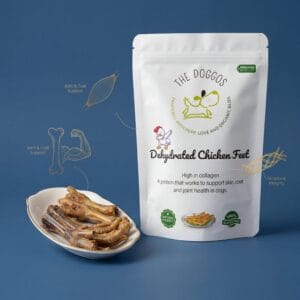
- Balanced Diet: Always make sure your dog’s diet is balanced. The Ca:P ratio (1.2:1) is crucial. If you’re feeding boneless meat, you MUST add calcium. Use eggshell powder, calcium citrate, or safe dehydrated bones like Dehydrated Chicken Feet.
Common Mistakes Indian Dog Parents Make with Organ Meats
Even with good intentions, some common mistakes can undo the benefits of tripe for dogs in India or other organ meats:
- Feeding Only Muscle Meat: Many Indian home-cooked diets are just chicken and rice. Good for protein, yes. But it misses the vital micronutrients in organs and bones.
- Overfeeding Liver: Liver is super nutritious. But it’s also very rich in Vitamin A. Too much leads to Vitamin A toxicity over time. Feed liver in moderation (e.g., 5% of their total food intake, 2-3 times a week).
- Ignoring the Hygiene Gap: Believing a dog’s stomach can handle anything, then feeding raw meat from unchecked sources? That risk is simply not worth it in an an Indian household.
- Relying Solely on Kibble: Kibble often lacks the available nutrients and live enzymes in fresh food. Even if it claims to be ‘complete’. Adding fresh or dehydrated organs can really improve a kibble-fed dog’s health.
- Not Balancing Calcium:Phosphorus: Feed boneless organ meat without a calcium source? You get long-term health issues. The body leaches calcium from the dog’s own bones.
It’s about making informed, safe choices. Choices that respect your dog’s biology and your home environment. Optimal nutrition is the goal. That means looking beyond conventional methods. Finding the right balance for India.