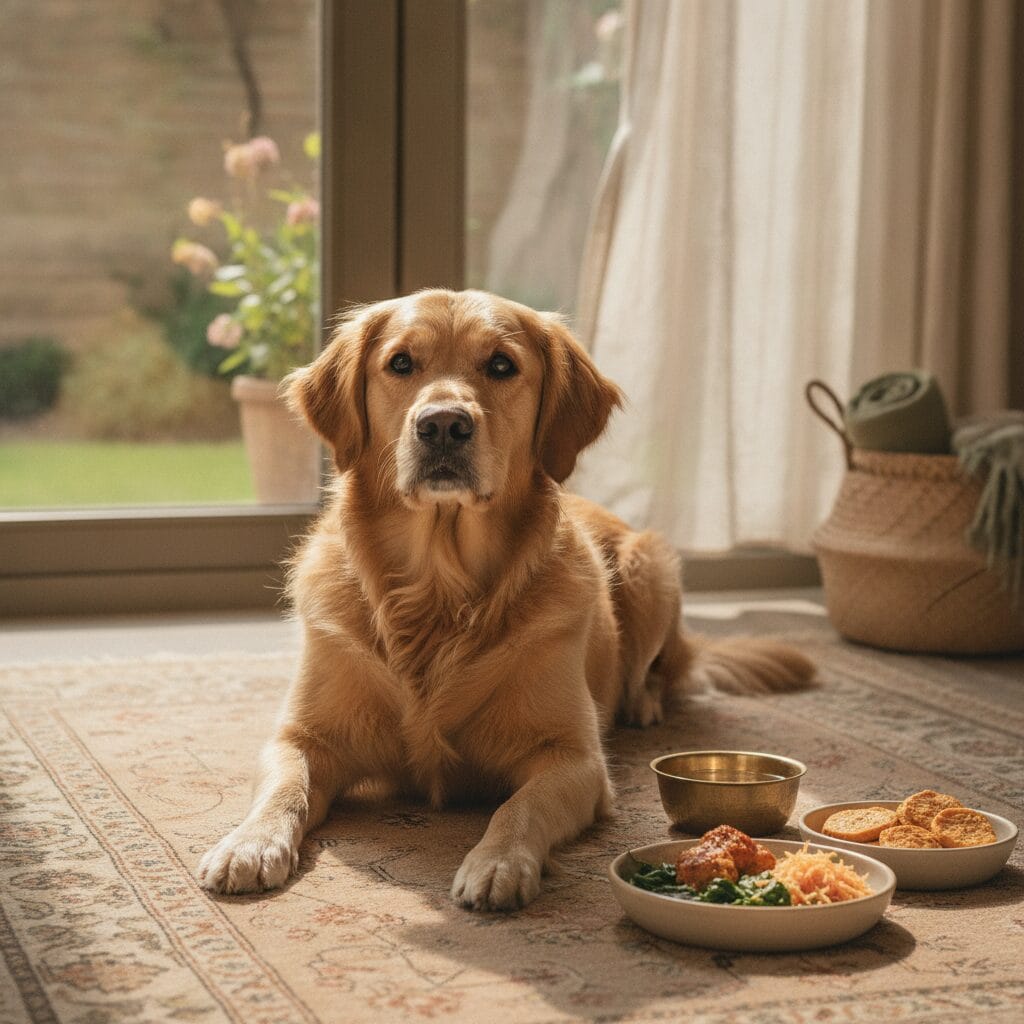
A diagnosis of hypothyroidism can feel overwhelming for any pet parent in India. You’ve been told your dog’s thyroid isn’t producing enough hormones, and now they need lifelong medication. While medication is important, I’ve seen firsthand in my practice that diet plays an equally vital role in managing this condition and improving your dog’s quality of life. As a certified canine nutritionist, I, Mahiv Amit Chhabra, believe in a species-appropriate diet to support overall health, especially for dogs with metabolic challenges.
Quick Answer: Best Food for Hypothyroid Dogs in India
The best food for hypothyroid dogs in India involves a fresh, gently home-cooked, meat-centric diet balanced with essential minerals and fats. Prioritise quality protein, ensure a balanced calcium:phosphorus ratio with dehydrated bones, and supplement with Omega-3s. Incorporating nutrient-dense additions like Bone and Organ Boost is crucial to supply vital trace minerals, B vitamins, and taurine often lacking in commercial diets and depleted in hypothyroid conditions, supporting overall metabolic health.
Understanding Canine Hypothyroidism in India: Symptoms and Diagnosis
Hypothyroidism is one of the most common endocrine disorders in dogs, particularly in breeds like Golden Retrievers, Doberman Pinschers, Labradors, and even our beloved Indies. It occurs when the thyroid gland, located in the neck, doesn’t produce enough thyroid hormones (T3 and T4), which regulate metabolism.
Symptoms can be subtle and often mimic other conditions, making diagnosis tricky. In India’s varied climate, some symptoms might even be misattributed to ‘heat’ or seasonal changes. Look out for:
- Lethargy and weight gain: Despite no change in diet or activity.
- Skin and coat issues: Dry, brittle coat, excessive shedding, ‘rat tail’ (hair loss on the tail), hyperpigmentation, and recurrent skin infections.
- Cold intolerance: Seeking warm spots, shivering easily.
- Mental dullness: Less alert, slower responses.
- Reproductive problems: Infertility, irregular heat cycles.
Diagnosis typically involves blood tests, including T4, free T4, and TSH levels. Once diagnosed, lifelong thyroid hormone replacement therapy is usually prescribed. However, medication alone is rarely enough for optimal health.
Why Traditional Kibble Fails Hypothyroid Dogs
Most commercial kibble, especially those readily available in India, are high in carbohydrates (grains, starches) and often use low-quality protein sources. This is problematic for any dog, but especially for those with compromised metabolic function due to hypothyroidism.
- High Carbohydrate Load: Dogs, as carnivores, lack salivary amylase to pre-digest carbs. A high-carb diet strains the pancreas and can lead to chronic inflammation, which further stresses an already underperforming thyroid. It can also raise stomach pH, hindering nutrient absorption and making dogs more susceptible to bacterial overgrowth.
- Poor Nutrient Quality: Kibble is often processed at high temperatures, destroying delicate nutrients like Omega-3s, enzymes, and some B vitamins critical for thyroid health. Synthetic vitamins added back in are not always as bioavailable.
- Inflammatory Fats: Many kibbles use cheap vegetable oils high in Omega-6 fatty acids, leading to an unbalanced Omega-6:3 ratio (often 20:1 or 30:1). This fuels systemic inflammation, manifesting as skin issues, itching, and ear infections, which are already common in hypothyroid dogs.
- Lack of Moisture: Kibble is only 10% water. Fresh food, at 70% water, keeps kidneys healthy and aids nutrient transport, which is vital for a body struggling with metabolism.
For more on why kibble is not ideal, read my guide on what should I feed my dog.
The Desi Carnivore Approach: Cooked Meat, Dehydrated Bone for Thyroid Health
My philosophy, the “Desi Carnivore” method, is built on understanding a dog’s biological needs within the practical realities of an Indian household. For hypothyroid dogs, this approach is even more critical:
- Cook the Meat, Dehydrate the Bone: We gently home-cook meat to eliminate pathogens prevalent in Indian wet markets. However, we **never feed cooked bones** as they splinter. Instead, we use dehydrated bones for safe calcium and dental health.
- Prioritise Bioavailable Protein: Focus on easily digestible animal proteins like chicken, goat, and quail. These provide essential amino acids for hormone production and overall body repair.
- Balance Calcium:Phosphorus: A critical 1.2:1 ratio is vital. Boneless diets lead to calcium leaching from bones, which can exacerbate existing health issues. Dehydrated bones or eggshell powder are key.
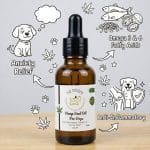
- Omega-6:3 Balance: Indian commercial chicken is often high in inflammatory Omega-6s. Balancing this with Omega-3s from sources like Hemp Seed Oil or Dehydrated Anchovies reduces inflammation, which is paramount for a compromised immune system and thyroid.
Key Nutrients for Thyroid Support
Beyond macronutrients, several micronutrients are vital for optimal thyroid function:
- Iodine: Essential for the synthesis of thyroid hormones T3 and T4. Natural sources include seafood and kelp.
- Selenium: Acts as an antioxidant, protecting the thyroid gland from damage, and is crucial for converting T4 into the active T3 hormone. Organ meats are rich in selenium.
- Zinc: Involved in thyroid hormone synthesis and conversion. Found in red meat and organ meats.
- B Vitamins: Especially B2, B3, B6, and B12, are necessary for energy production and metabolic processes influenced by thyroid hormones.
- Taurine: While not directly a thyroid hormone component, it’s vital for cardiovascular health, which can be affected by hypothyroidism. Organ meats are a primary source.
Ensuring these nutrients are consistently present in your dog’s diet can significantly support their thyroid health and overall well-being.
Why Bone and Organ Boost is Essential for Hypothyroid Dogs
When managing hypothyroidism, every nutrient counts. Our Bone and Organ Boost is specifically formulated to fill the critical nutritional gaps that often arise in home-cooked diets, especially for dogs with compromised health. This blend of dehydrated bone, liver, kidney, and heart provides a concentrated source of the very nutrients hypothyroid dogs need:
- Rich in Trace Minerals: Provides natural iodine, selenium, and zinc in bioavailable forms, directly supporting thyroid hormone production and conversion.
- High in B Vitamins: Liver and kidney are powerhouses of B vitamins, crucial for energy metabolism, which is often sluggish in hypothyroid dogs.
- Natural Taurine Source: Heart is an excellent source of taurine, vital for heart health, especially important for dogs whose cardiovascular system might be stressed by low thyroid function.
- Balanced Calcium:Phosphorus: The bone component helps maintain the essential 1.2:1 ratio, preventing skeletal issues that can compound existing health problems.
Adding a daily sprinkle of Bone and Organ Boost to your dog’s meal is a simple yet powerful way to ensure they receive a broad spectrum of micronutrients that support thyroid function and overall vitality.
From Mahiv’s Practice: A Case of Renewed Energy
I once consulted for a Beagle in Pune, six years old, diagnosed with hypothyroidism. Despite medication, he was perpetually sluggish, and his coat was dull. We switched him to a gently cooked diet (chicken and goat, deboned) and added 1/2 teaspoon of Bone and Organ Boost daily, along with a dash of Hemp Seed Oil. Within eight weeks, his energy levels were visibly higher, his coat regained its shine, and his vet noted improved bloodwork. It demonstrated that targeted nutritional support truly complements medical treatment.
Practical Diet Plan for Hypothyroid Dogs
Here’s a simplified approach to feeding your hypothyroid dog, using the Desi Carnivore method:
Daily Staple: Modified Golden Chicken Bowl
- Protein (50-60%): 500g chicken thighs (skin-on, bone-in, then deboned after cooking) plus 50g chicken liver. Pressure cook 2-3 whistles.
- Fibre/Carb (20-30%): 100g red pumpkin or sweet potato. Mash into the chicken broth after cooking.
- Greens (10-15%): A handful of spinach or green beans, wilted in residual heat.
- Balancers: 1 tsp Hemp Seed Oil (for Omega-3s and anti-inflammatory GLA) and 1/2 tsp turmeric paste (natural anti-inflammatory).
- Thyroid Support: Add 1/2 to 1 teaspoon of Bone and Organ Boost (adjust based on dog’s weight and needs).
Preparation: Wash chicken with turmeric water, pressure cook with liver and pumpkin. Once cooled, DEBONE the chicken thoroughly. Mash pumpkin. Mix in spinach, Hemp Seed Oil, turmeric paste, and Bone and Organ Boost. Serve.
Rotation with Mutton and Fish
To ensure a wide spectrum of nutrients, rotate proteins:
- Mutton (Goat): Use goat curry cut for its iron and zinc content, especially beneficial for dogs recovering from illness or in colder weather.
- Fish: Incorporate dehydrated anchovies or sardines as treats or meal toppers for an excellent source of DHA and EPA. They are small and low on the food chain, avoiding heavy metal accumulation.
Common Mistakes Indian Pet Parents Make
Even with good intentions, several common pitfalls can hinder effective hypothyroidism management:
- Feeding Cooked Bones: This is a critical safety hazard. Cooked bones shatter into sharp splinters, risking internal injury. Always de-bone after cooking.
- Relying Solely on Medication: While essential, medication alone won’t provide optimal health. Diet must be addressed to support the thyroid and overall metabolism.
- Ignoring Omega Balance: Feeding high Omega-6 chicken without balancing it with Omega-3s exacerbates inflammation, worsening skin issues and discomfort.
- Excessive Grains/Roti: High carbohydrate diets strain a dog’s carnivorous digestive system and can negatively impact gut health and nutrient absorption, which is particularly detrimental for a hypothyroid dog.
- Not Providing Organ Meats: Organ meats are nutrient powerhouses, especially for B vitamins, selenium, and taurine, which are vital for thyroid health. If fresh organ meat is difficult to source consistently, a good supplement is crucial.
Final Thoughts on Managing Hypothyroidism Naturally
Managing hypothyroidism in dogs is a marathon, not a sprint. It requires dedication, consistency, and a holistic approach that combines veterinary care with a species-appropriate diet. By focusing on fresh, gently cooked meals, ensuring proper nutrient balance, and supplementing intelligently, you can significantly improve your hypothyroid dog’s quality of life.
For a reliable source of the vital nutrients discussed, consider integrating our Bone and Organ Boost into your dog’s daily meals. It’s designed to provide the concentrated goodness your dog needs to thrive.