![Home-cooked dog meal — Best Natural Remedies for Cat Skin Issues & Fur Loss in India [2026]](https://thedoggos.in/wp-content/uploads/2026/05/best-natural-remedies-for-cat-skin-issues-fur-loss-in-india-featured.jpg "Best Natural Remedies for Cat Skin Issues & Fur Loss in India [2026] 1")
Seeing your cat constantly scratch, develop bald spots, or suffer from dull fur is heartbreaking. In India, our unique climate, combined with common feeding practices, often exacerbates these issues. But before you reach for harsh chemicals, understand that many cat skin issues and fur loss can be addressed with natural, diet-focused, and species-appropriate solutions.
Quick Answer: Best Natural Remedies for Cat Skin Issues & Fur Loss in India
The best natural remedies for cat skin issues and fur loss in India involve a species-appropriate, meat-rich diet balanced with essential Omega-3 fatty acids and adequate taurine. Topical relief and healing can be effectively achieved with natural, deeply penetrating oils like Baobab Oil, which soothes inflammation, combats fungal issues, and promotes healthy skin regeneration.
Understanding Cat Skin Issues and Fur Loss in India
Cats are meticulous groomers, so persistent itching, scabs, redness, or significant fur loss are clear signals that something is amiss. In India, several factors contribute to these common feline dermatological problems:
- Environmental Allergies: Dust mites, pollen, and even household cleaning products can trigger allergic reactions. Our humid climate in many cities like Mumbai or Chennai can also promote fungal growth.
- Parasites: Fleas, ticks, and mites are a year-round menace, especially in tropical climates. Their bites can lead to intense itching, skin inflammation, and secondary infections.
- Dietary Deficiencies or Allergies: Many commercial cat foods, or homemade diets lacking proper balance, can lead to nutrient deficiencies or trigger allergic responses to common proteins like chicken or fish. Cats are obligate carnivores, and their bodies are not designed for grain-heavy diets.
- Fungal and Bacterial Infections: Ringworm, a common fungal infection, thrives in warm, humid conditions. Bacterial infections often arise from excessive scratching that breaks the skin barrier.
- Stress and Anxiety: Cats are sensitive creatures. Changes in environment, new pets, or loud noises can lead to stress-related over-grooming, causing fur loss.
As Mahiv Amit Chhabra, a certified canine nutritionist and author, I always look to the root cause, which often circles back to diet and environment.
The Diet Connection: Why What Your Cat Eats Matters
Your cat is an obligate carnivore. This means their body is specifically designed to derive all its nutritional needs from animal protein. They have a short digestive tract, a high requirement for protein and fat, and a unique need for nutrients like taurine, which is found almost exclusively in meat.
- Taurine is Non-Negotiable: Unlike dogs, cats cannot synthesise enough taurine in their bodies. Every meal must provide adequate taurine, or they risk severe health issues, including heart disease and blindness. Many homemade diets or low-quality commercial foods are deficient. Adding a Bone and Organ Boost can help ensure taurine intake.
- The Omega-6:3 Imbalance: Just like with dogs, commercial chicken in India is often high in Omega-6s due to corn and soy-heavy diets. This imbalance can lead to systemic inflammation, manifesting as itchy skin, flaky coats, and fur loss.
- Lack of Digestibility: Highly processed kibble can be harder for a cat’s system to break down and absorb nutrients from, leading to deficiencies even if the ingredients list looks complete. Fresh, gently cooked meat is far more digestible.
What many Indian pet parents perceive as ‘heat’ from certain foods like chicken is often an Omega-6 induced inflammatory response. Balancing these fats with high-quality Omega-3s can resolve this without needing to remove vital protein from the diet.
Essential Nutrients for Healthy Cat Skin and Coat
To combat skin issues and fur loss, a cat’s diet must be rich in specific nutrients:
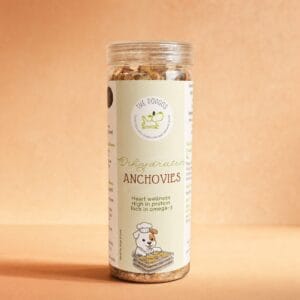
- Omega-3 Fatty Acids: These are powerful anti-inflammatory agents. They help reduce itching, dryness, and redness, promoting a healthier skin barrier. Small, wild-caught fish like anchovies and sardines are excellent sources, free from heavy metal contamination. Our Dehydrated Anchovies are an ideal, easy-to-add source of DHA and EPA.
- High-Quality Animal Protein: Essential for building and repairing skin cells and fur. Prioritise muscle meat and organs.
- Taurine: As mentioned, crucial for overall feline health, including skin and coat quality. Organ meats like heart are naturally rich in taurine.
- Zinc: Important for immune function and skin repair.
- Vitamin A and E: Antioxidants that protect skin cells and support coat health.
Topical Solutions: The Power of Baobab Oil for Cat Skin
While diet is foundational, topical applications can provide immediate relief and accelerate healing for existing skin problems. I’ve found Baobab Oil to be a big change for pets in India, cats included, due to its unique properties.
Why Baobab Oil Stands Out:
Unlike common oils like coconut or olive oil, which tend to sit on the skin’s surface and can even trap heat or clog pores, Baobab Oil has a remarkable ability to penetrate deeply. It’s rich in palmitic and oleic acids, which mimic the skin’s natural lipid barrier, allowing it to absorb into the epidermis and heal from the inside out.
- Anti-inflammatory: Reduces redness, itching, and swelling, bringing quick relief to irritated skin.
- Anti-fungal & Anti-bacterial: Naturally combats common infections that thrive in India’s humid climate, like ringworm or secondary bacterial infections from scratching.
- Promotes Healing: Aids in cellular regeneration, helping to repair damaged skin and encourage new fur growth in bald patches. I’ve seen fungal infections eradicated in 90 days, alopecia reversed in 2 months, and hot spots dried in 24 hours with consistent use.
- Non-greasy & Fast-absorbing: Cats are sensitive to residues on their fur. Baobab Oil absorbs quickly, reducing the likelihood of your cat licking it off excessively.
For persistent skin issues, a daily application of a few drops of Baobab Oil, gently massaged into affected areas, can make a significant difference. It’s safe for cats and offers powerful, natural healing.
A Holistic Approach to Healing Cat Skin and Fur
Addressing cat skin issues requires a multi-pronged approach:
- Dietary Overhaul: Transition to a high-quality, species-appropriate diet. This means fresh, gently cooked meat as the primary component.
- Supplement with Omega-3s: Add Dehydrated Anchovies or sardines to your cat’s daily meals. For a 4-5 kg cat, 1-2 small anchovies or a pinch of sardine flakes daily can provide ample Omega-3s.
- Ensure Taurine Intake: Include organ meats like chicken heart or liver in their cooked meals, or supplement with a dedicated Bone and Organ Boost.
- Topical Treatment: Apply Baobab Oil directly to irritated or fur-loss areas once or twice daily.
- Parasite Control: Maintain a regular, natural flea and tick prevention routine.
- Stress Reduction: Provide a calm environment, vertical spaces for climbing, and interactive play to keep your cat mentally stimulated and reduce anxiety.
Simple Cat Meal for Skin Health
Here’s a basic recipe you can adapt for your feline friend:
- Ingredients:
– 100g cooked chicken thigh (boneless, skin-on for taurine)
– 10g cooked chicken liver (for Vitamin A and iron)
– 1-2 Dehydrated Anchovies, crumbled
– A pinch of Bone and Organ Boost (optional, for extra taurine and minerals)
– 1/4 teaspoon cooked, mashed pumpkin (for fibre, if needed for gut health) - Preparation:
1. Gently pressure cook the chicken thigh and liver until tender. Always cook to kill pathogens, especially with Indian wet market meat. Never feed cooked bones.
2. Once cooled, shred the chicken and mash the liver.
3. Mix in the crumbled anchovies, optional Bone and Organ Boost, and mashed pumpkin.
4. Serve fresh. This provides a balanced, taurine-rich, and Omega-3 enhanced meal for healthy skin and fur.
Common Mistakes Indian Cat Parents Make
- Feeding Only Commercial Dry Food: While convenient, many kibbles are high in carbohydrates and low in the quality animal protein and moisture cats need, leading to chronic inflammation and dehydration.
- Ignoring Taurine: Assuming a homemade diet of just chicken and rice is complete. Cats have specific taurine requirements that must be met to avoid severe health issues, including skin problems.
- Using Human Products: Applying human lotions, shampoos, or oils not formulated for pets can cause further irritation or be toxic if ingested.
- Over-bathing: Cats rarely need baths. Frequent bathing with harsh shampoos strips their natural oils, leading to dry, itchy skin.
- Believing the ‘Heat’ Myth: Avoiding chicken or eggs due to perceived ‘heat’ (which is often Omega-6 inflammation) deprives cats of vital protein. Instead, balance the diet with Omega-3s.
Remember, a cat’s health is a reflection of their diet and environment. By focusing on species-appropriate nutrition and targeted natural remedies, you can help your feline companion achieve optimal skin and coat health.
Frequently Asked Questions About Cat Skin Issues
While I’ve covered a lot, here are answers to some common questions:
Related Reading
- Browse our full range of natural dehydrated dog treats.
- Read the complete Indian dog feeding guide.
- About the author: Mahiv Chhabra, certified canine nutritionist.