
Every Indian household knows the banana, right? It’s that quick, sweet snack we grab, the fruit offered to deities, a total staple in our kitchens. So, naturally, us pet parents start wondering: can our beloved furry family members actually share a bite of this everyday fruit? Let’s peel back the layers on this common question, the Desi Carnivore way. And trust me, it’s a good one.
Yes, dogs absolutely can eat bananas. But (and this is a big ‘but’) it’s crucial to understand the right way to offer them. You want to avoid any health issues, don’t you? A banana slice here and there? Sure, it can be a healthy, fibre-rich treat. But let’s be real, it’s far from a primary food source for your biologically carnivorous dog. Not even close, yaar.
The Goodness of Banana: Why Your Dog Might Benefit
Bananas are just packed with so many good nutrients. They can really offer some nice benefits to your dog, pretty much like they do for us humans.
Nutrient Breakdown of Bananas (per 100g):
- Potassium: Essential for kidney and heart function, nerve transmission, and muscle health.
- Vitamin B6: Plays a vital role in glucose generation, red blood cell and nervous system function, hormone regulation, and immune response.
- Vitamin C: An antioxidant that helps reduce inflammation and supports the immune system. While dogs produce their own Vitamin C, an extra boost from natural sources can be beneficial.
- Fibre: Aids in digestion, can help regulate bowel movements, and contributes to a feeling of fullness.
- Manganese: Important for bone health and metabolism.
Why These Nutrients Matter for Your Dog
Look, for Indian dogs, especially the ones stuck on less-than-ideal commercial diets or those unbalanced home-cooked meals (and honestly, I see a lot of those), a little boost of these nutrients can be a really good thing. The fibre in bananas, for instance, can totally help with mild constipation or even firm up loose stools. Potassium? Crucial for active dogs, supporting muscle function and helping prevent those nasty cramps. And Vitamin C, while their own bodies often make enough, can still lend a hand to their immune system. Think seasonal changes or during recovery. It’s like a little extra shield.
But Wait, There’s a Catch: The “Desi Carnivore” Take on Fruits
Here’s the thing. This is exactly where the Desi Carnivore philosophy really kicks in. While bananas *do* have good nutrients, we absolutely must remember our dogs are **biologically carnivores**. Their digestive system? It’s literally designed for meat, not fruit. Period.
The Carnivore Blueprint:
- Stomach pH: A dog’s stomach acid is incredibly strong (pH 1-2) – designed to dissolve bone and raw meat, and kill bacteria. This isn’t for breaking down complex plant matter.
- Salivary Amylase: Dogs have virtually no amylase in their saliva. Amylase is the enzyme that starts breaking down starches and sugars in the mouth. When your dog eats a banana, it hits their stomach largely undigested, putting extra strain on their pancreas.
- Short Intestines: Their short digestive tract is built for rapid protein and fat processing, not for fermenting fibrous plant material like fruits and grains.
Now, this isn’t to say fruits are “bad.” Not at all. But they are definitely **treats**, not a primary food source. Think of them as a garnish, a tiny bonus, not something they should live on. Honestly, relying heavily on fruits or vegetables for nutrition? That’s just fundamentally at odds with a dog’s biological needs. It really is.
The Sugar Trap: Why Moderation is Key for Indian Dogs
This, my friends, is probably the most critical point when we talk about bananas. Bananas, you see, are relatively high in natural sugars. And while “natural” always sounds so good, too much sugar (no matter where it comes from) can totally lead to problems:
- Weight Gain and Obesity: Excess calories from sugar contribute to weight gain. Obesity is a growing problem for Indian dogs, often exacerbated by overfeeding of carb-heavy foods like roti, rice, and commercial kibble.
- Diabetes: Consistent high sugar intake can put a strain on the pancreas and increase the risk of developing diabetes.
- Dental Issues: Sugar can contribute to plaque and tartar buildup, leading to dental problems. This is why we advocate for functional dental chews like Dehydrated Chicken Feet or Dehydrated Mutton Trotters, which actually clean teeth, instead of sugary biscuits.
- Digestive Upset: Too much fibre or sugar can cause an upset stomach, gas, or diarrhoea in some dogs.
Given that so many Indian dog parents already struggle with overfeeding carbs like rice and roti (and trust me, we’ve talked about this *a lot* in our guide Is Roti Good For Dogs?), adding even more sugar through fruits just needs super careful consideration. It’s always, always about balance.
Banana Peels: A Strict No-Go
Okay, this one’s non-negotiable. Seriously. **Never, ever feed your dog banana peels.**
Why Banana Peels Are Dangerous:
- Indigestible: Banana peels are extremely fibrous and difficult for a dog’s digestive system to break down.
- Choking Hazard: Especially for smaller dogs or those who gulp their food, a peel can easily get lodged in the throat.
- Intestinal Blockage: If swallowed, the tough, fibrous peel can cause an intestinal blockage, which is a serious, life-threatening emergency requiring immediate veterinary intervention.
- Pesticide Residue: Peels can carry pesticide residues that are harmful to your dog.
Always peel that banana before you even think about offering any to your dog. Safety first. Always.
How Much Banana is Too Much? A Practical Guide
When we’re talking about treats, and yes, that includes fruits, the 10% rule is absolutely paramount. Treats just shouldn’t make up more than 10% of your dog’s daily calories. For bananas? That means really, really tiny quantities. We’re talking small.
General Portion Guidelines (as an occasional treat, 2-3 times a week):
- Small Dogs (e.g., Shih Tzu, Pug): 1-2 small slices (about 1/4 inch thick).
- Medium Dogs (e.g., Beagle, Indie): 3-4 small slices.
- Large Dogs (e.g., Labrador, GSD): Up to half a small banana, cut into pieces.
Always, always start small. Introduce any new food gradually, and really, just keep an eye on your dog for any signs of an upset tummy. If they show gas, diarrhoea, or start vomiting, stop immediately. Don’t even think twice.
Creative Ways to Serve Banana (The Doggos-Approved!)
If you’re going to give banana, fine. Just make sure it counts as a really special, enriching treat.
- Mashed & Mixed: Just mash a small amount of banana and mix it right into your dog’s regular cooked meal. It adds flavour and some good nutrients without totally overwhelming their system. Remember, we always, always advocate for a “Cook the Meal, Dehydrate the Bone” approach. It’s simply safer and gives way better nutrition in Indian homes.
- Frozen Slices: For a super cooling summer treat (you know, when temperatures *really* soar in Mumbai or Chennai), just slice bananas thinly and freeze them. They’re great for teething puppies or just to offer a refreshing snack. My Indie dog absolutely loves these, especially on a hot afternoon!
- Stuffed Kongs/Lick Mats: Mash banana with a dollop of The Doggos Zero Xylitol Peanut Butter (and listen, xylitol is *highly* toxic to dogs, so please, always check those labels!) and then stuff it into a Kong or spread it on a lick mat. This really provides mental enrichment and keeps your dog happily occupied. What a win-win!
- Homemade Frozen Treats: Blend a small banana with some plain curd (dahi is such a great probiotic, by the way; you should totally check out our guide on Can Dogs Eat Curd?) and then just freeze it in ice cube trays. A fantastic, cooling treat. My Lab goes crazy for these, especially in summer!
Beyond Bananas: Other Safe & Unsafe Indian Fruits for Dogs
While bananas are super common, it’s really good to know which other fruits are safe (always in moderation, of course) and which ones are just strictly off-limits. No questions asked.
Safe Fruits (in moderation, always peeled/pitted/seeded):
- Apples: Excellent source of Vitamin A and C, and fibre. Always remove the core and seeds, as apple seeds contain cyanide.
- Watermelon: High in water content, great for hydration, especially during Indian summers. Remove all seeds and rind.
- Mango: A delicious summer fruit, rich in vitamins. Remove the large pit (a choking hazard and contains cyanide) and peel. Be mindful of the high sugar content.
- Blueberries: Small, antioxidant-rich powerhouses.
Unsafe Fruits (AVOID completely):
- Grapes & Raisins: Highly toxic, can cause acute kidney failure even in small amounts.
- Avocado: Contains Persin, which can cause vomiting and diarrhoea in dogs. The large pit is also a choking hazard.
- Cherries: The pits, stems, and leaves contain cyanide.
- Citrus Fruits (Lemons, Limes, Grapefruit): While not strictly toxic in small amounts, they can cause digestive upset and their acidity is generally not recommended.
Common Mistakes Indian Pet Parents Make with Bananas
Honestly, I’ve seen it all, you know? From dogs getting an entire banana daily (yes, an *entire* one!) to parents absolutely panicking over a tiny bite. Here are the most common pitfalls I come across:
- Overfeeding: This is the number one mistake, hands down. A whole banana? That’s just way too much for almost any dog on a regular basis. Remember, treats are meant to be small and only occasional. Not a daily meal replacement!
- Feeding the Peel: Like we talked about, feeding the peel? That’s just a dangerous practice. It can easily lead to choking or really serious intestinal blockages. Please don’t do it.
- Using Banana as a “Meal”: Some parents, bless their hearts, try to be healthy and might offer a banana instead of a proper meal, especially if their dog isn’t feeling like eating. But this just isn’t a balanced meal, is it? It totally deprives your carnivore of essential proteins and fats. Big no-no.
- Ignoring Sugar Content: Dismissing the sugar in bananas just because it’s “natural.” Look, sugar is sugar, plain and simple. Too much of it is detrimental to canine health, especially when you’re already combining it with high-carb home diets or commercial kibble. It’s a double whammy.
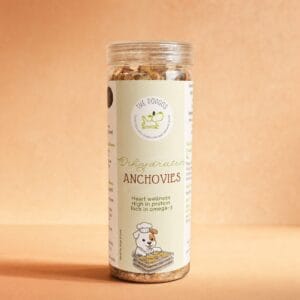
- Not Balancing the Overall Diet: Giving a banana? That’s fine. But it absolutely doesn’t negate the need for a properly balanced main diet. I mean, I constantly stress the importance of the Calcium:Phosphorus ratio (1.2:1) and that crucial Omega-6:3 balance. A boneless chicken and rice diet, for example? That’ll actually cause more harm than good over time, leading to issues like Osteopenia or “Rubber Jaw.” You *must* add calcium (like from Dehydrated Chicken Feet or Dehydrated Whole Quail) and balance those Omega-3s (with Hemp Seed Oil or Dehydrated Anchovies) to any chicken meal. Honestly, most vets won’t deep-dive into this with you, but it’s critical for long-term health.
Remember, that whole concept of “heat” from chicken or eggs many Indians refer to? It’s often totally misunderstood. It’s usually an Omega-6 inflammation spike, not thermal heat, which you can actually resolve pretty easily by balancing fats with cooling Hemp Seed Oil, not by cutting out vital protein. Just saying.
Frequently Asked Questions About Dogs and Bananas
Q1: Can puppies eat bananas?
A: Yes, puppies *can* have very tiny amounts of banana, but honestly, it’s best to just wait until they’re a few months old. And when you do, introduce it super slowly, okay? Their little digestive systems are way more sensitive. Focus on their primary nutrition first, which absolutely should be a high-quality, species-appropriate puppy food, not fruits. Seriously.
Q2: Is banana good for a dog’s upset stomach?
A: A really tiny bit of mashed banana *can* sometimes help soothe a mild upset stomach. That’s because of its fibre content, which might help regulate bowel movements. But look, if your dog has severe vomiting or diarrhoea, it’s always, always best to consult a vet. Don’t try to play doctor there. For general gut health, though, prebiotics like a pinch of Baobab Powder or even some cooked pumpkin (our Golden Chicken Bowl recipe actually uses pumpkin!) are often way more effective.
Q3: What if my dog accidentally eats a banana peel?
A: If your dog accidentally eats a banana peel, don’t panic, but definitely monitor them closely. Keep an eye out for any signs of choking, vomiting, constipation, or just general lethargy. Really small pieces *might* pass without any issue, but bigger ones? They can totally cause a blockage. If you’re at all concerned, or if your dog is showing *any* adverse symptoms, you need to contact your vet immediately. Like, right away.
Q4: Can dogs with diabetes eat bananas?
A: Dogs with diabetes? They should generally avoid bananas, full stop. Their high sugar content can definitely spike blood sugar levels, and we don’t want that. Always, always consult your veterinarian or a canine nutritionist for specific dietary advice if your dog has diabetes or any other medical condition. Don’t guess.
Q5: Can bananas cause constipation in dogs?
A: So, while bananas are famous for their fibre, which *can* help with constipation, here’s a kicker: too much banana can actually have the exact opposite effect in some dogs and *cause* constipation. This is thanks to the relatively high amount of resistant starch, especially in unripe ones. Basically, moderation is absolutely key.
The Desi Carnivore Way: Treat with Intention
So, bananas for dogs? Here’s the deal: a definite yes, but with a huge, bold asterisk. Remember: **treat, not meal.** It’s a healthy occasional snack, not something to build their diet around. When you do choose to give your dog a banana, do it with intention. Understand its benefits, yes, but also its very real limitations.
Here at The Doggos, we really, truly believe in feeding our dogs what nature intended: real meat, properly balanced with essential nutrients. That’s why our “Cook the Meal, Dehydrate the Bone” method focuses on nourishing your dog from the inside out. Whether it’s a perfectly balanced homemade meal, functional dehydrated treats like our Dehydrated Chicken Feet (a natural joint supplement) or Dehydrated Anchovies (those brain-boosting Omega-3s!), or even our Hemp Seed Oil to balance those essential fats, every single product is designed to support your dog’s true carnivore nature. It’s what they deserve.
Want to learn even more about building a truly species-appropriate diet for your dog? Then dive into our full guides like What Should I Feed My Dog? or explore our 10 Homemade Dog Food Recipes that actually, genuinely work. Seriously, check them out!
And always remember, while I’m a certified canine nutritionist, every single dog really is unique. If you have concerns about your dog’s health or specific dietary needs, a consultation with your trusted vet is always, always recommended. No exceptions.