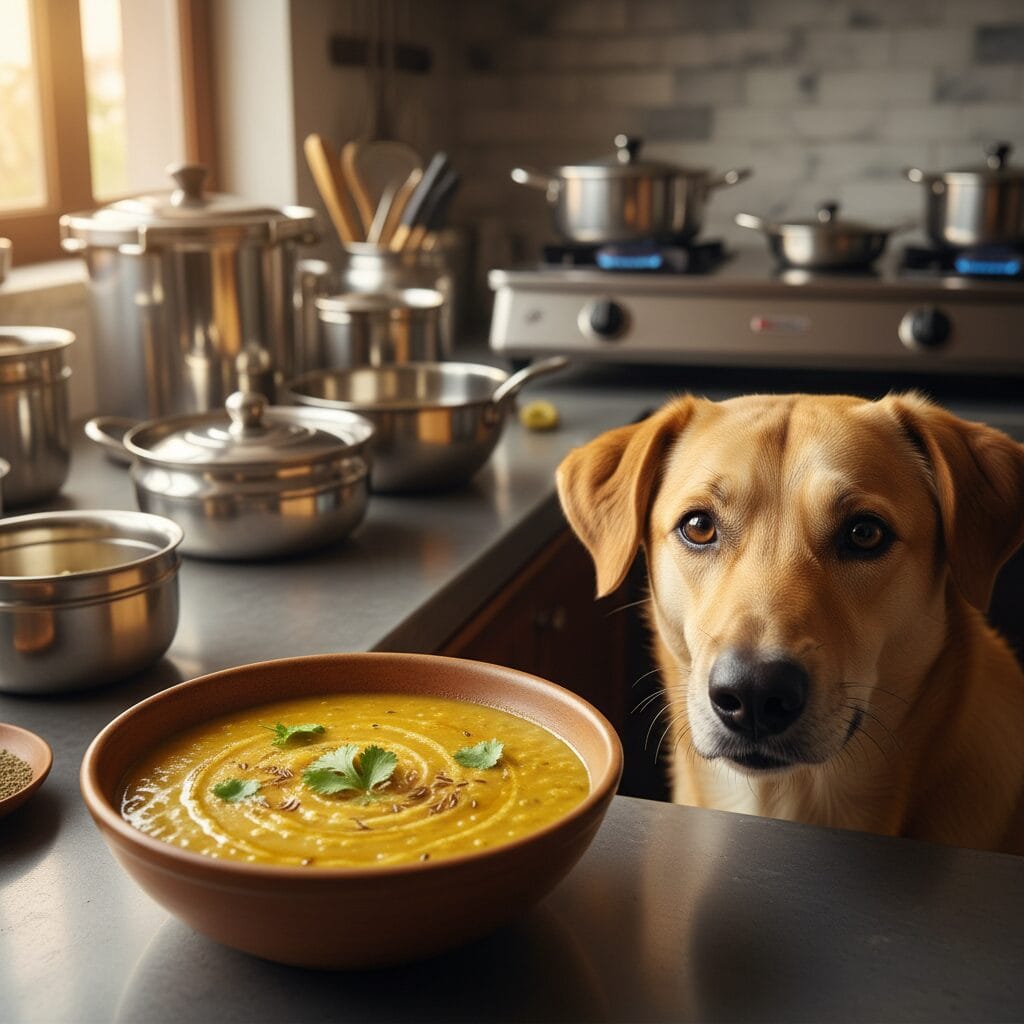
Walk into almost any Indian home, and you’ll find a pot of dal simmering on the stove. It’s our ultimate comfort food, a true staple, our go-to protein source. So, it’s only natural that a lot of Indian pet parents wonder, “If dal is so good for me, can my dog eat it too?” Honestly, it’s a question I hear all the time, born from pure love and the best intentions.
Here’s the thing, the quick answer is: Yes, dogs can eat plain, thoroughly cooked dal in very small, occasional amounts. But, and this is a big “but,” it should never be their main protein source or a big part of their daily diet. While dal does offer some nutrients, your dog is a carnivore, plain and simple. Their digestive system just isn’t built to thrive on plant-based proteins like lentils.
The Carnivore Conundrum: Why Dal Isn’t a Dog’s Best Friend
I totally get it. In a country where vegetarianism is common, it’s easy to project our own food preferences onto our dogs. But here’s the undeniable truth, one that really underpins everything we believe at The Desi Carnivore: your dog, deep down, is still 99.9% wolf internally.
So, what does that mean for a bowl of dal, then?
The Stomach Acid Test: Meat vs. Lentils
Your dog’s stomach? It’s got a pH of 1-2. That’s incredibly acidic, designed to quickly break down raw meat and bone, and to absolutely annihilate any bad bacteria. Our human stomachs? We’re at pH 4-5. When a dog eats dal, which is a plant-based food packed with carbohydrates and fibre, it really challenges this highly acidic environment.
- Meat: Gets broken down super fast, efficiently, and completely.
- Dal: Needs a lot more digestive effort, can raise stomach pH (making it less effective at killing bacteria), and often leads to gas and bloating because it ferments in the gut.
No Amylase in Saliva: The Starch Struggle
Humans start digesting carbs right in their mouths, thanks to an enzyme called amylase. Dogs? They’ve got virtually no amylase in their saliva. This means when your dog gulps down a spoonful of dal, those starches and carbs hit their stomach pretty much “whole.” That puts a real strain on their pancreas to churn out enough enzymes for digestion. And that’s just not ideal for long-term pancreatic health, is it?
Short Intestines: Built for Speed, Not Fermentation
A dog’s intestinal transit time is usually 12-30 hours, compared to 30 hours to 5 days for us humans. Their short intestines are designed for rapid processing of highly digestible animal proteins and fats. Not for the slow fermentation of plant fibres and starches. Dal, with its complex carbohydrates, can just sit in the gut longer than it should, leading to discomfort and poor nutrient absorption. Not great.
Why it Matters: Nutrient Absorption & Long-Term Health
While dal does have some protein, it’s not a “complete” protein for dogs in the same way animal meat is. It often lacks certain essential amino acids that dogs need a lot of for best health, muscle development, and organ function. Relying on dal as a primary protein source can lead to amino acid deficiencies over time, impacting everything from their coat health to their immune system.
Beyond protein, dal is also low in super important minerals like calcium, which is vital for bone health. A diet primarily of dal and rice, without proper calcium supplementation from bone, can lead to severe issues like osteopenia and “Rubber Jaw” syndrome over years. (I’ve seen so many cases of this, especially with streeties fed only rice and dal.)
The Good, The Bad, and The Gassy: Dal’s Place in a Dog’s Diet
So, we’ve established dal isn’t some canine superfood. But it’s not entirely evil either. Let’s break down its pros and cons.
Honestly, it’s a bit of a mixed bag.
Potential Benefits (in tiny, specific doses):
- Fibre: Dal is a good source of soluble and insoluble fibre. In very small amounts, this can help regulate bowel movements and act as a prebiotic, feeding beneficial gut bacteria. If your dog has mild constipation, a tiny dollop of plain, mushy dal might offer some relief.
- Vitamins & Minerals: Lentils do contain some B vitamins, iron, and manganese. However, these are less available to dogs from plant sources compared to meat.
The Downsides (especially with overfeeding):
- Gas and Bloating: This is the most common and immediate side effect. The complex carbohydrates and lectins in dal can cause a lot of flatulence and tummy discomfort in dogs.
- Antinutrients: Lentils contain phytates and lectins. While cooking reduces these, they can still mess with the absorption of essential minerals like zinc, iron, and calcium.
- Digestive Strain: As we talked about, the lack of salivary amylase and the dog’s stomach pH mean dal puts more stress on the pancreas and digestive system than meat.
- Nutrient Imbalance: If dal takes the place of meat in the diet, it inevitably leads to deficiencies in essential amino acids, taurine, and vital minerals like calcium and phosphorus (in the correct ratio).
The Desi Carnivore’s Practical Approach: When and How to Feed Dal
My advice is simple: treat dal as an occasional, tiny garnish, not a meal component. If you absolutely want to share a spoonful, here’s how:
- Plain is Key: It MUST be plain, pressure-cooked dal. Absolutely no salt, oil, ghee, onions, garlic, ginger, green chillies, or masalas. These are staples in Indian cooking, but for dogs? Totally toxic or just plain irritating.
- Mushy Consistency: Cook it until it’s very soft and mushy. This really helps with digestion.
- Small Portions: For a medium-sized dog, a tablespoon or two, mixed with their regular, species-appropriate meal, is the absolute maximum. For small breeds, even less.
- Occasional Treat: Think once or twice a month, not daily.
- Observe Your Dog: Keep an eye on your dog, always. Watch for signs of digestive upset like gas, bloating, diarrhoea, or vomiting. If you see any, stop immediately.
Remember, the whole point is to give them the best nutrition possible. Dal just doesn’t deliver the same punch as real meat.
Better Alternatives to Dal for Your Dog
Instead of relying on dal for protein or fibre, here’s what The Desi Carnivore recommends:
| If you’re using Dal for… | The Desi Carnivore Alternative | Why it’s better |
|---|---|---|
| Protein | Cooked Chicken, Mutton, Quail | Full amino acid profile, super easy to digest, and exactly what their species needs. Our “Cook the Meal, Dehydrate the Bone” method keeps things hygienic and safe. |
| Fibre | Red Pumpkin, Green Beans, Spinach | Great sources of digestible fibre, vitamins, and minerals, all without the tummy upset you get from lentils. Pumpkin is a fantastic prebiotic, too. |
| Calcium | Dehydrated Chicken Feet, Whole Quail, Eggshell Powder | Dal offers barely any calcium. Dehydrated bones provide natural, easy-to-absorb calcium, which is super important for strong bones. |
| Overall Nutrition | The Doggos Hemp Meal Balancer | Turns a simple chicken-rice meal into a nutritionally complete one, fixing those amino acid and fat profiles perfectly. |
A Desi Carnivore Approved Meal: The Golden Chicken Bowl
Instead of dal-chawal, consider our foundational “Golden Chicken Bowl” for a truly nourishing meal that respects your dog’s biology:
- 500g Chicken Thighs (bone-in, skin-on): Excellent protein, natural taurine from the skin. Quick wash with turmeric water, great for antiseptic benefits.
- 50g Liver: A tiny powerhouse of Vitamin A and other essential nutrients.
- 100g Red Pumpkin: For fibre and prebiotics.
- 1 tsp Turmeric Paste: An anti-inflammatory boost.
- The Doggos Hemp Meal Balancer (/product/hemp-meal-balancer/): Crucial for fixing the amino acid and fat profile, especially with commercial Indian chicken.
Method: Pressure cook the chicken thighs and liver for 2-3 whistles. DEBONE COMPLETELY after cooking (cooked bones are brittle and dangerous, they splinter). Mash the pumpkin into the broth. Once cooled, stir in the Hemp Meal Balancer. (My Indie dogs go absolutely wild for this combo!) This is a thriving meal, not just a survival meal.
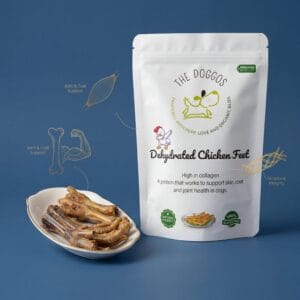
For calcium, instead of relying on cooked bones (which shatter), offer a Dehydrated Chicken Foot as a daily “joint pill” and dental chew. Honestly, most vets won’t tell you this, but cooked bones shatter. The dehydration process makes bones crumble safely, unlike those dangerous cooked ones. It’s a natural source of glucosamine and chondroitin, too.
Common Mistakes Indian Pet Parents Make with Dal
Based on years of speaking with pet parents across India, here are the most frequent missteps:
- Dal as the Main Protein: Thinking dal can swap in for meat. It can’t, yaar. Your dog’s body screams for animal protein.
- Feeding Spiced Dal: Feeding spiced dal is a big no-no. We’re talking salt, chilli, garlic, onions, even a simple tadka. These aren’t just irritating; they’re seriously dangerous, potentially leading to toxicity, bad tummy upsets, or pancreatitis.
- “Dal-Roti” or “Dal-Chawal” as a Staple: The classic “dal-roti” or “dal-chawal” as their main meal? This is one I get so many DMs about. It’s basically a high-carb, low-protein diet that sets your dog up for nutrient deficiencies, obesity, and inflammatory conditions down the line. (Read more about roti for dogs and rice for dogs).
- Ignoring Calcium Needs: If you’re skipping bones and just feeding dal, you’re looking at calcium deficiency for sure. Weak bones, brittle teeth. That 1.2:1 Calcium:Phosphorus ratio? Absolutely non-negotiable.
- Assuming it’s a “Cooling” Food: Thinking it’s a “cooling” food. Like the whole “chicken causes heat” myth (which is, by the way, totally false), some people think dal cools things down. But while it might feel lighter to *us*, for a dog’s gut, it’s more about carb fermentation and potential inflammation than any “cooling” effect.
My philosophy is about providing species-appropriate, biologically sound nutrition, adapted for the realities of Indian homes. Dal, unfortunately, just doesn’t fit the bill as a cornerstone of that diet. Just doesn’t cut it, honestly.
Frequently Asked Questions About Dogs and Dal
Q1: Can puppies eat dal?
A: Nope, absolutely not. Puppies’ tummies are super delicate and still growing. They really need animal proteins and fats that are easy to digest and packed with nutrients for proper growth. Giving them dal can seriously upset their stomach and push out the essential stuff they need. Stick to good quality puppy food or a homemade diet full of cooked meat and proper calcium sources.
Q2: Is dal good for a dog’s digestion?
A: Generally? Not really, no. Sure, a tiny bit of fibre from dal might sometimes help with a mild bout of constipation, but for most dogs, it’s a recipe for tummy troubles. We’re talking gas, bloating, even diarrhoea, all thanks to those complex carbs and lectins. Remember, your dog’s gut is built for meat, not lentils.
Q3: What kind of dal can dogs eat?
A: Look, if you’re really set on giving some, it’s gotta be plain, super thoroughly cooked, and totally free of spices or salt. Moong dal (those split yellow lentils) or masoor dal (red lentils) are your safest bets. They’re usually easier on the tummy than the heavier ones like rajma or chana dal. And seriously, no oil, no ghee, no seasonings. Ever.
Q4: How much dal can I feed my dog?
A: Okay, so for a medium-sized dog (say, 15-25 kg), we’re talking a maximum of 1-2 tablespoons. That’s plain, mushy, cooked dal, mixed right into their regular meal. And only once or twice a month, tops. For smaller dogs? Way, way less. This is a super rare treat, not something for the daily bowl.
Q5: Is dal a complete protein for dogs?
A: Nope, not at all. Dal isn’t a complete protein for dogs. While it does have some protein, it usually misses out on one or more of those essential amino acids your dog needs in just the right amounts for best health. Animal proteins, like meat, organs, and eggs, they give a full, super easy-to-use amino acid profile. And that’s absolutely vital for your dog’s muscles, organs, and a strong immune system.
The Desi Carnivore Way: Prioritizing Real Meat & Balanced Nutrition
My mission is to empower you, the Indian pet parent, with knowledge that cuts through myths and provides real, scientific solutions for your dog’s health. While dal holds a special place in our culture, it’s just not the best fit for our canine companions.
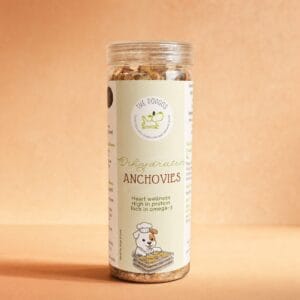
Look, instead of wrestling with plant-based alternatives, just go with what your dog is meant to eat. Embrace their true carnivorous nature! Give them good quality, gently cooked meat, balanced with the right fats and calcium. This means including essential Omega-3s to combat inflammation, which is often misidentified as “heat” from chicken. Our Hemp Seed Oil or Dehydrated Anchovies are perfect “balancers” for every chicken meal.
And for that super important calcium and good dental health, remember our motto: “Cook the Meal, Dehydrate the Bone.” Our Dehydrated Chicken Feet or Dehydrated Whole Quail aren’t just treats; they’re functional medicine, providing natural calcium, glucosamine, and mental enrichment.
Ready to transform your dog’s diet? Explore our range of natural dehydrated treats and hemp supplements that are designed to support your Desi Carnivore’s health, from nose to tail.
Disclaimer: The information provided in this blog is for educational purposes only and is not a substitute for professional veterinary advice. Always consult with your veterinarian for any health concerns or before making significant changes to your dog’s diet.