
Look, from your favourite aloo tikki to a comforting bowl of aloo gobhi, potatoes (aloo) are a huge part of Indian cuisine. So, it’s only natural for us Indian pet parents to wonder, “Can my dog enjoy a bit of this comforting aloo too?” You see it everywhere, from the local sabzi mandi to the dinner table, making it hard to resist sharing a morsel with those pleading puppy eyes. It’s a common thought, right?
Quick Answer: Can Dogs Eat Aloo in India?
Yes, dogs can eat properly cooked potatoes, but just a little, and only if they’re plain, peeled, and unseasoned. Here’s the thing: raw potatoes, green parts, sprouts, and skins all contain solanine. That’s a toxic compound that can really hurt dogs. For us Indian pet parents, careful preparation is key to making sure it’s safe and easy for them to digest. Think of it as a small, occasional addition to their meat-first diet, never a main course.
Aloo for Doggos: The Nutritional Lowdown
Let’s talk about what potatoes actually do for our dogs. Nutritionally, potatoes are mostly carbs. Like, 77% of their dry weight is carbs. They do offer some benefits, though:
- Vitamins: A decent source of Vitamin C (that’s an antioxidant) and Vitamin B6 (super important for brain and nerve function).
- Minerals: They have potassium (good for nerves and muscles) and some iron.
- Fibre: Gives them a bit of dietary fibre, which can help digestion in tiny amounts.
But, and this is a big however, dogs are carnivores by nature. Their digestive systems are built for meat, not a high-carb diet. While potatoes aren’t inherently ‘bad’ when prepped right, they should never be the main thing in your dog’s meal. Seriously. Think of them as a very rare, small addition, not a daily staple.
Raw Aloo vs. Cooked Aloo: A Life-Saving Distinction
This is where safety becomes super important, especially in our Indian context where ‘fresh from the market’ often means ‘straight from the earth, unwashed’.
The Danger of Raw Potatoes: Solanine Toxicity
Raw potatoes, especially their skins, green parts, eyes, and sprouts, contain a poisonous compound called solanine. It’s a glycoalkaloid, part of the nightshade family (which, by the way, also includes tomatoes, bell peppers, and brinjal). While humans can handle small amounts, dogs are way more sensitive.
- Symptoms of Solanine Poisoning: Vomiting, diarrhoea, lethargy, weakness, drooling, tremors, and in really bad cases, heart problems or neurological issues.
- Why it matters: In Indian wet markets, potatoes often come with soil, sprouts, and green patches. Feeding these directly, even a little bit, is a big health risk for your dog.
The Solution: Thorough Cooking
The good news is that cooking potatoes, especially boiling or steaming, really cuts down on solanine levels. High heat breaks down this toxic compound, making the potato flesh safe to eat. This is why we always cook potatoes for ourselves, and it’s even more vital for our dogs.
The Problem with Potato Skins and Green Bits
Even when cooked, potato skins, particularly those with any hint of green, still have higher concentrations of solanine. I cannot stress this enough: NEVER feed your dog potato skins, sprouts, or any green parts of a potato. Always peel the potato thoroughly before cooking. Discard any potatoes that have a lot of greening or sprouting, as they contain super high levels of solanine even in the flesh. Seriously. Just don’t.
How to Prepare Potatoes Safely for Your Indian Dog
If you’re really keen to offer a bit of aloo to your dog, here’s the foolproof Desi Carnivore way to do it:
Choose Wisely: Pick good ones. Select fresh, firm potatoes with no green spots or sprouts.
Wash and Peel: Thoroughly wash the potato, then peel off all the skin. Don’t leave any green or bruised bits. Get *all* of it.
Cook Plain: Boil or steam the potato until it’s very soft. You can also pressure cook it for 1-2 whistles. Do NOT add any salt, oil, spices, or seasonings. That means no aloo sabzi, no fried chips, no mashed potatoes with butter and milk. Got it?
Mash It Up: Once cooked and cooled, mash the potato well. This helps them digest it better.
Portion Control is Key: Offer only a very small amount. For a medium-sized dog, a tablespoon or two, once or twice a week, is more than enough. It’s a treat, remember? Not a meal replacement.
Mix with Meat: The best way to serve it? Mix a tiny dollop into their daily homemade dog food, especially a meat-based one like our ‘Golden Chicken Bowl’ (500g chicken thighs, 50g liver, 100g red pumpkin, Hemp Balancer, turmeric paste, pressure cooked, DEBONED, pumpkin mashed). Sometimes, a little cooked and mashed potato can sub in for some of that pumpkin. (My Lab goes crazy for this, but only if it’s plain!)
Potato vs. Rice: The Carb Conundrum in Indian Dog Diets
Many Indian households feed their dogs rice daily, often with some curd or chicken. So, aloo vs. chawal? How do they stack up?
| Feature | Potato (Cooked, Peeled) | Rice (Cooked White Rice) |
|---|---|---|
| Primary Nutrient | Carbohydrates (Starch) | Carbohydrates (Starch) |
| Glycemic Index (GI) | High (can cause blood sugar spikes) | High (can cause blood sugar spikes) |
| Fibre Content | Moderate | Low (white rice) / High (brown rice) |
| Vitamins & Minerals | Vitamin C, B6, Potassium | Some B vitamins, Iron, Magnesium |
| Digestion for Dogs | Requires thorough cooking; no amylase in saliva to begin digestion | Requires thorough cooking; no amylase in saliva to begin digestion |
| Common Indian Use | Occasional vegetable/side | Daily staple in many home-cooked dog meals |
Both potatoes and white rice are high-glycemic carbohydrates. While they give energy, they’re not great as primary food sources for dogs, who are carnivores. Remember, your dog’s saliva has NO amylase, meaning they can’t start breaking down grains or starches the way humans do. When you feed a dog a bowl full of rice or potato, it basically lands in their stomach ‘whole’, putting a strain on their pancreas.
And get this, high-carb diets can actually make your dog’s stomach less acidic. That’s a problem, big time. Why? Because a dog’s stomach is naturally super acidic (pH 1-2). That acidity is crucial for dissolving bone (into absorbable calcium/phosphorus, mind you) and for killing off harmful bacteria. A less acidic stomach makes them more likely to get bacterial infections and struggle to absorb nutrients. Honestly, most vets won’t tell you this, but it’s a real fix. So, whether it’s aloo or rice, keep the carb portion minimal and always secondary to meat.
The “Heat” Myth and Potatoes: A Desi Perspective
In India, we always hear that certain foods like chicken or eggs cause ‘heat’ in dogs, leading to rashes or itching. Potatoes, on the other hand, are often considered ‘cooling’ in some Ayurvedic traditions. While meat does have a slightly higher ‘Thermic Effect’ (meaning it takes more energy to digest), those skin issues owners complain about? They’re almost always down to an Omega-6 and Omega-3 fatty acid imbalance. That causes inflammation, not actual ‘heat’.
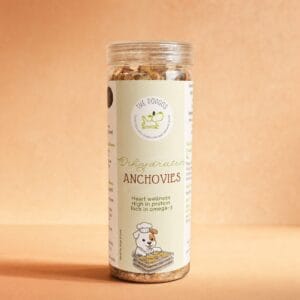
Commercial Indian chicken, often corn/soy-fed, has an Omega 6:3 ratio as high as 20:1 or even 30:1, which basically floods their body with stuff that causes inflammation. This is what causes paw licking, hot spots, chronic ear infections, and ‘unexplained’ itching. Potatoes don’t cause this inflammation, nor do they fix it. To *really* balance out that ‘heat’ (which, let’s be clear, is inflammation) from chicken, you absolutely *must* add Omega-3 to every single chicken meal. Our Hemp Seed Oil, rich in GLA (an anti-inflammatory Omega-6 that bypasses typical inflammatory pathways) or Dehydrated Anchovies are perfect ‘balancers’, not just ‘toppers’.
When to Avoid Potatoes for Your Dog
While small amounts of well-prepped potatoes are usually fine, there are situations where you should avoid them entirely:
- Diabetic Dogs: Potatoes shoot up blood sugar fast (high glycemic index, you see). Super dangerous for diabetic dogs.
- Dogs with Pancreatitis: Look, fat is the main culprit here, but a lot of carbs can also stress that pancreas. Best bet? Stick to a lean, meat-based diet.
- Dogs with Potato Allergies: Rare, sure, but some dogs are allergic. See itching, tummy trouble, or anything weird after potato? Stop immediately.
- Dogs on an Elimination Diet: If your vet has your dog on a special diet to figure out allergies, skip the potatoes. Unless, of course, your vet *specifically* says it’s okay for the elimination protocol. For a novel protein, I always suggest Whole Dehydrated Quail. (I’ve seen this work with Indie dogs especially).
Practical Section: A Simple Aloo & Chicken Mash (Occasional Treat)
If you’re really keen to offer your dog a tiny bit of aloo, here’s a super simple, safe way:
Ingredients:
- 1 small potato (about 50-70g), fresh, no green spots
- 100g cooked, deboned chicken (from your regular cooked chicken meal)
- 1/2 tsp The Doggos Hemp Meal Balancer (optional, but highly recommended for complete nutrition)
Instructions:
- Wash and peel the potato *properly*. Then chop it into small chunks.
- Boil or steam those potato chunks until they are very soft (think 15-20 minutes).
- Drain all the water out. Let it cool.
- Mash the cooked potato with a fork until smooth.
- Mix the mashed potato with the cooked, deboned chicken.
- Stir in the Hemp Meal Balancer if you’re using it.
- Serve just a small bit (say, 1-2 tablespoons for a medium dog) as a *very* occasional treat.
Common Mistakes Indian Pet Parents Make with Aloo
I see these all too often, and they can lead to real health issues:
- Feeding Raw Potatoes: This is the most dangerous one, thanks to solanine. *Always* cook them through.
- Including Skins, Green Spots, or Sprouts: Even cooked, skins can be an issue. And green bits? Highly toxic. Peel. Every. Time.
- Sharing Aloo Sabzi or Chips: Our amazing Indian curries, sabzis, and snacks (aloo chips, fries, you name it) are packed with salt, spices (haldi, mirchi, garam masala, everything!), and oils. These? Absolute poison for your dog’s delicate tummy. They can cause pancreatitis, really bad stomach upset, or even long-term health problems. Don’t do it.
- Making Potato a Main Ingredient: Your dog? A carnivore. Potatoes? Carbs. They should be a tiny, occasional extra, not a big chunk of their daily food. Too many carbs? Hello, digestive strain and weight gain.
- Believing Potatoes are a Complete Meal: Look, aloo (even with some rice) is *not* a complete, balanced meal for a dog. They need protein, balanced fats, and a super specific calcium:phosphorus ratio (1.2:1, remember?). Just meat and potato? That’ll cause deficiencies down the line.
Frequently Asked Questions About Dogs and Potatoes
Can dogs eat potato chips or fries?
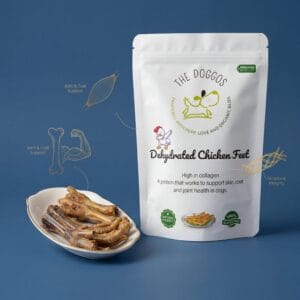
Nope. A big, fat NO. Chips and fries? Full of salt, nasty oils, and fake flavours. All of that is just terrible for your dog. Think stomach upset, dehydration, and serious long-term stuff like pancreatitis or obesity. Please, stick to proper, healthy treats like Dehydrated Chicken Feet instead.
Can dogs eat sweet potato?
Yes! Sweet potatoes are actually a much better choice than white potatoes for dogs. They’re packed with vitamins (A, C, B6), minerals, and good fibre. Plus, their glycemic index is lower, so blood sugar rises slower and more steadily. Always cooked, peeled, and plain, though. And still, just a bit.
What about potato starch or potato flour in commercial dog foods?
A lot of commercial kibbles and treats use potato starch or flour as a binder. It’s generally ‘safe’ in that processed form, sure, but don’t forget: it’s still a high carb. As The Desi Carnivore, my stance is clear: go for fresh, meat-first diets. Too many carbs in kibble can really ramp up inflammation, cause obesity, and lead to gut problems.
How much potato can I give my dog?
Portion control is everything here. For a medium dog (say, 10-25 kg), I’d say 1 to 2 tablespoons of plain, cooked, mashed potato, maybe twice a week *at most*. Smaller dogs? Even less. It’s always a treat, a tiny extra to their main meat meal, never more.
Are potatoes good for dogs with sensitive stomachs?
In tiny, plain, mashed amounts, cooked potato *can* sometimes be okay for sensitive tummies, almost like a bland food. But for real digestive issues? A cooked, lean protein (like chicken or goat) mixed with a prebiotic fibre (think Baobab Powder or pumpkin) is usually a much better, safer bet. Always introduce *any* new food slowly. And watch your dog closely for any weird reactions.
So, bottom line? A tiny, well-prepped bit of aloo won’t hurt your dog, no. But let’s be real, it’s hardly a nutritional superstar for a carnivore.
Your focus should be on a fresh, meat-rich diet. Balance it out with the right supplements, like our Hemp Seed Oil and Hemp Meal Balancer. And honestly? Keep the aloo sabzi for yourself!
Disclaimer: This information is for educational purposes only and is not a substitute for professional veterinary advice. Always consult your veterinarian for any health concerns or before making significant changes to your dog’s diet.
Related Reading
- Read the complete Indian dog feeding guide.
- About the author: Mahiv Chhabra, certified canine nutritionist.