
Walk into almost any Indian home, and you’ll find a pot of rice bubbling on the stove. It’s affordable, super versatile, and just deeply ingrained in our food culture. So, no surprise, a lot of Indian pet parents ask, can dogs eat rice in India? Quick answer: yes, they absolutely can, if it’s plain and cooked, and only in moderation. It’s especially good as a temporary bland diet if their tummy is a bit upset. But here’s the thing, it should never be the main part of their daily meals. Remember, dogs are carnivores, not grain-eaters.
Look, as Mahiv Amit Chhabra, a certified canine nutritionist and author of “The Desi Carnivore,” I’ve seen countless Indian homes where rice and roti are the main course for their dogs. It’s convenient, sure, and cheap, but honestly, it’s just not right for their biology. Let’s really dig into the science and practicalities of feeding rice to your dog, the Desi Carnivore way.
Can Dogs Eat Rice? Understanding Your Dog’s Carnivore Physiology
Before we even get to rice, let’s keep one super important truth in mind: internally, your dog is 99.9% wolf. That’s not just a cool fact, na? It actually runs their entire digestive system.
The Carnivore’s Digestive Blueprint: Why Grains Aren’t Ideal
- No Salivary Amylase: Unlike us humans, dogs don’t have amylase in their spit. This enzyme is super important for breaking down carbs (like rice) right at the start of digestion. So, when your dog eats rice, it basically hits their stomach “whole,” which really makes their pancreas work overtime to make digestive enzymes.
- Super Acidic Stomach (pH 1-2): A dog’s stomach? It’s built to dissolve raw meat and bone, and to kill off nasty germs. This really low pH is perfect for digesting protein. But it’s not so great for breaking down carbs. And get this: too many carbs can actually make their stomach less acidic, making them more likely to get bacterial infections.
- Short Intestinal Tract: Dogs have short, pretty smooth intestines. They’re made for quickly processing meat, not for fermenting tough carbs or pulling nutrients from plants over a long time. Their food usually moves through in about 12-30 hours. Humans? That’s more like 30 hours to 5 days. Big difference, right?
So, while a dog can handle rice, it’s just not what their body is best designed for. Think of it like putting petrol in a diesel engine. It might run, yeah, but it won’t be efficient, and you’re looking at problems down the line.
The Indian Reality: Why Rice is So Common in Dog Diets
I totally get it. In India, rice is just everywhere, isn’t it? It’s cheap, easy to find, and often, it’s what’s left from our own dinner. A lot of pet parents, totally well-meaning, find it simple to mix some rice with a little chicken or curd, thinking they’re giving a full meal.
The Good Side of Rice (in moderation):
- Energy Source: Rice gives carbs, which turn into glucose for energy. If you’ve got a really active dog, a little bit can top up their energy.
- Bland Diet for Upset Stomachs: This is where rice really, truly shines. If your dog’s throwing up or has diarrhoea, plain boiled white rice (maybe with some cooked, deboned chicken) is a fantastic temporary bland diet. It’s super easy to digest and helps firm up their stools.
- Affordability: Let’s be honest, fresh meat can get pricey. Rice offers a cheaper way to fill them up, but this is where getting the balance right becomes absolutely key.
The Downsides of Too Much Rice (or unbalanced rice):
- Nutrient Dilution: If rice makes up a big chunk of their meal, it basically waters down all those essential nutrients your dog needs from meat, organs, and bones.
- Inflammation: Too many carbs in their diet can lead to inflammation all over their body over time. We’re talking stuff like constant paw licking, skin allergies, and those annoying chronic ear infections.
- Weight Gain: Any extra carbs, if they aren’t burned off, just get stored as fat. Hello, obesity.
- Blood Sugar Spikes: With white rice especially, it digests so fast it can cause quick blood sugar spikes. That’s a real problem for diabetic dogs or any dog prone to metabolic issues.
White Rice vs. Brown Rice for Dogs in India
So, when you’re thinking about which rice to feed, white rice is usually the better choice for dogs, especially if their tummy isn’t quite right.
| Feature | White Rice | Brown Rice |
|---|---|---|
| Processing | Husk, bran, and germ removed | Only husk removed, retains bran and germ |
| Fibre Content | Lower (easier to digest) | Higher (can be harder for some dogs to digest) |
| Nutrients | Lower (some fortified) | Higher (magnesium, selenium, B vitamins) |
| Glycemic Index | Higher (faster sugar release) | Lower (slower sugar release) |
| Arsenic Risk | Lower | Higher (concentrates in bran) |
| Digestibility | Easier to digest, especially for sensitive tummies | Can be harder to digest because of the fiber |
Sure, brown rice has more nutrients and fibre. But that higher fibre can actually be tough for some dogs to digest, often leading to gas or loose stools. Plus, brown rice, like a lot of grains, can have higher levels of arsenic. It tends to build up in the bran, you see. So, for a quick bland diet or just a tiny, occasional portion, white rice is definitely the safer, easier-to-digest choice for your furry pal. (I’ve seen Indie dogs handle brown rice okay sometimes, but white is usually just simpler).
The Desi Carnivore Method: How to Safely Include Rice in Your Dog’s Diet
If you decide to give rice, you really need to do it smartly. And it should always be just a tiny part of a truly balanced meal. Here’s how to do it:
1. Preparation is Key
- Plain and Cooked: Always, always cook rice all the way through. Never, ever feed raw rice. Cook it plain, too, with absolutely no salt, oil, spices, or other seasonings. Turmeric water is okay, though; it’s a natural antiseptic and helps with inflammation.
- Avoid Leftovers with Masala: Do NOT give your dog leftover biryani, pulav, or any spiced rice dishes. Indian masalas so often have onions, garlic, chillies, and other stuff that’s either toxic or just irritating for dogs. Seriously, don’t do it.
- Mash it Up: For easier digestion, especially for little puppies or senior dogs, you can mash the cooked rice up a bit.
2. Portion Control: Less is More
For adult dogs, rice shouldn’t make up more than 10-15% of their total meal volume. Even less for puppies or dogs who aren’t super active. Meat needs to be the main event, yaar.
3. Balancing the Bowl: The Non-Negotiables
If you’re feeding rice, you MUST make sure the rest of the meal is perfectly balanced. This means:
- High-Quality Protein: Cooked meat (think chicken, goat, quail) absolutely has to be the biggest part. Remember, our homemade dog food recipes always put meat first.
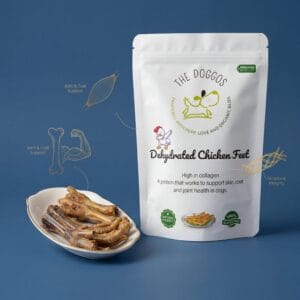
- Calcium:Phosphorus Ratio (1.2:1): Meat is full of phosphorus, but boneless meat? It just doesn’t have enough calcium. If you’re only feeding chicken and rice, you’re going to see calcium deficiency eventually. This is exactly where things like Dehydrated Chicken Feet or Dehydrated Whole Quail really shine. They give natural, safe calcium that crumbles into an easily absorbed powder. Or, if you prefer, eggshell powder or calcium citrate works too.
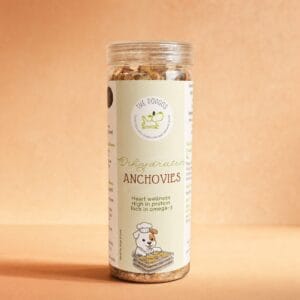
- Omega-6:3 Balance: A lot of commercial Indian chicken is fed corn or soy, which messes up the Omega-6:3 ratio and causes inflammation. To fix this, you *must* add Omega-3s to every chicken meal. Hemp Seed Oil (it’s got GLA, an anti-inflammatory Omega-6, which is great) or Dehydrated Anchovies are brilliant options. These aren’t just little extras; they’re essential balancers. This really helps stop those “heat” issues (like skin rashes and itching) that so many Indian pet parents wrongly blame on chicken. Honestly, most vets won’t explain this to you.
- Fibre and Micronutrients: Throw in a little bit of dog-safe veggies like pumpkin, green beans, or spinach for fibre and those all-important vitamins.
Recipe Suggestion: A Balanced “Desi Carnivore” Rice Bowl (Occasional Use)
This isn’t for every day, okay? It’s more for sensitive tummies or as a special treat.
Ingredients:
- 250g pressure-cooked chicken thighs (make sure they’re deboned, skin-on is good for taurine)
- 50g cooked white rice
- 50g steamed red pumpkin, mashed
- 1-2 Dehydrated Chicken Feet (you can crush them or just give them whole as a chew for dental health)
- 1 tsp Hemp Meal Balancer (great for amino acids and prebiotics) OR 1/2 tsp Hemp Seed Oil
- Pinch of turmeric powder (totally optional, but good for anti-inflammatory benefits)
Instructions:
- Pressure cook chicken thighs until they’re nice and tender. Let them cool down, then carefully DEBONE them. Shred the meat.
- Cook white rice plain.
- Steam and mash the red pumpkin.
- Mix the chicken, rice, and mashed pumpkin all together. Stir it up well.
- Once it’s cooled, add the Hemp Meal Balancer (or Hemp Seed Oil) and turmeric.
- Serve it up, and offer the Dehydrated Chicken Feet either crushed and mixed in for that calcium boost or just given as a chew.
Look, this is just a guide, a template. The real trick is to keep rice as a tiny percentage and *always* balance it with good quality protein, calcium, and those essential fatty acids.
Common Mistakes Indian Pet Parents Make with Rice
I’ve seen these mistakes happen so many times in Indian homes. Please, try to avoid them at all costs:
- Rice-Heavy Diets: Giving your dog 50-70% rice with just a tiny bit of chicken or dal? That is *not* a balanced diet. Period. It leads to nutrient problems, inflammation, and all sorts of tummy troubles. Your dog needs meat first. If you’re really scratching your head about what to feed, check out my full guide on what should I feed my dog.
- “Chicken-Rice-Curd” as a Staple: Curd is a good probiotic, no doubt (start with just 1 tsp to see if they’re lactose intolerant, I talk about it in can dogs eat curd). But just adding it to an already lopsided rice-chicken meal isn’t going to magically fix the nutritional holes. This combination just doesn’t have enough calcium or the right Omega-3s.
- Feeding Cooked Bones with Rice: NEVER, ever feed cooked bones. Like, *ever*. Pressure-cooking makes bones brittle, turning them into sharp, seriously dangerous splinters. This is such a common, and often fatal, mistake I see in India. Our “Cook the Meal, Dehydrate the Bone” method is specifically designed to stop this. You cook the meat, then give safe, dehydrated chews like Dehydrated Mutton Trotters for calcium and good dental health. (My Lab goes crazy for these!)
- Feeding Spiced or Oily Rice: As I said before, human leftovers, especially those packed with oil and spices, can cause pancreatitis, awful digestive upset, or even be toxic. If you’re buying from your neighbourhood butcher, make sure to get plain meat for your dog.
- Believing Rice Alone is a “Healthy Filler”: Sure, it fills their stomach. But it just doesn’t give them the proper, species-appropriate nutrition a carnivore needs to actually thrive. If it’s not balanced, it’s basically just empty calories.
FAQ: Can Dogs Eat Rice in India?
Q1: Is white rice or brown rice better for dogs in India?
For dogs, especially if they have sensitive tummies or are getting over an upset stomach, plain boiled white rice is usually the way to go. It’s easier to digest because it has less fibre, and it also carries a lower risk of arsenic buildup compared to the bran layer in brown rice.
Q2: How much rice can I feed my dog daily?
Rice should really only be a tiny part of your dog’s diet, ideally not more than 10-15% of their meal by volume. It’s better to use it just now and then, or as a short-term bland diet, rather than making it a daily staple. Remember, dogs are carnivores; they do best on meat-based food.
Q3: Can puppies eat rice?
Yes, puppies can have a very small amount of plain, cooked white rice, especially if their tummy is a bit upset. But their main diet really needs to be high-quality, meat-based food made for growing pups. If your puppy has serious digestive problems, always talk to your vet.
Q4: Does rice cause “heat” in dogs, like chicken?
No, rice doesn’t cause that kind of “heat” (you know, inflammation, rashes, itching) that people in India often blame on chicken or eggs. That “heat” is usually an inflammatory reaction to too many Omega-6 fatty acids in commercial chicken. Rice is a carbohydrate, so it doesn’t kick off that same inflammatory path. But yes, too many carbs in general can add to overall body inflammation over time.
Q5: Can dogs with allergies eat rice?
Rice is generally seen as a low-allergen food, and it’s often used when doing elimination diets. If your dog has food allergies, plain cooked white rice can sometimes be included in a limited ingredient diet. But always introduce new foods slowly, and watch out for any bad reactions. If you suspect allergies, a truly novel protein like Dehydrated Whole Quail could be a good option for an elimination plan.
The Desi Carnivore’s Final Word on Rice
So, while rice definitely has a spot in your dog’s diet – mostly as a bland, temporary meal for an upset tummy or just a tiny, occasional energy boost – it should *never* be the foundation of what they eat. Your dog is a carnivore, plain and simple. Their body is literally built to thrive on meat, organs, and bones. The convenience and affordability of rice here in India so often make us lean on it too much, and that can quietly chip away at your dog’s health over years. I get so many DMs about this.
If you are feeding rice, always remember my two golden rules: first, make sure you’ve got that 1.2:1 calcium:phosphorus ratio right, using safe bone sources like our dehydrated dog treats. And second, balance those inflammatory Omega-6s with anti-inflammatory Hemp Seed Oil or Dehydrated Anchovies. This whole-picture approach means that even when you’re using common Indian ingredients, you’re actually nourishing your dog to *thrive*, not just survive.
For more deep dives into the right nutrition for your furry family member, feel free to check out my About Mahiv Chhabra page and explore The Doggos blog. Your dog truly deserves real, wholesome food!
Pair With Rice: Protein-Rich Treats
- Dehydrated Sardines — Add fish to rice meals for complete nutrition
- Bone and Organ Boost — Crumble over rice for a nutrient boost
- Hemp Meal Balancer — Balance any rice-based meal with essential aminos