
Every Indian pet parent faces this dilemma: Do I trust the fancy bags of so-called ‘natural’ commercial dog food, or do I put my faith in the food I cook myself? The answer, like most things in India, isn’t straightforward. When it comes to commercial natural dog food vs home cooked in India, a well-prepared home diet, thoughtfully balanced with supplements like The Doggos Hemp Meal Balancer, consistently outperforms most commercial options by providing superior digestibility, hydration, and nutrient control for your dog.
The Indian Dilemma: Commercial Natural Dog Food vs Home Cooked in India
In India, our choices are unique. We don’t have the same supply chains or regulatory oversight as Western countries. This makes the debate between commercial and home-cooked even more critical. I’ve seen countless dogs suffer from ‘unexplained’ issues, only for it to trace back to their diet. It’s time we understood the real implications for our desi dogs.
The Promise of Commercial Natural Dog Food (and its Pitfalls)
The marketing for commercial ‘natural’ dog food can be very appealing. They promise complete nutrition, convenience, and often feature images of fresh ingredients. On the surface, it seems like a hassle-free solution. However, dig a little deeper, and the picture changes.
- Ingredient Sourcing: Many brands use ingredients sourced from large-scale commercial farms, which means animals fed corn and soy. This impacts the Omega-6:3 ratio, often leading to inflammatory issues.
- Processing: Even ‘natural’ kibble undergoes extensive processing at high temperatures, which can destroy vital nutrients, enzymes, and beneficial bacteria.
- Hidden Fillers: Despite claims, many still contain a surprising amount of carbohydrates (often cheap grains or starches) that dogs, as carnivores, struggle to digest efficiently. Remember, a dog’s saliva has no amylase, so grains hit their stomach effectively ‘whole’.
- Dehydration: Kibble is typically 10% water. Dogs on kibble need to drink significantly more water, putting extra strain on their kidneys. Fresh food is 70% water, which is excellent for kidney health.
The Home-Cooked Dream (and its Hidden Dangers)
On the other hand, home-cooked food offers immense benefits: you control every ingredient, ensure freshness, and avoid dubious additives. This is especially true in India, where you can source fresh meat and vegetables from your local market. But here’s where many well-meaning Indian pet parents make critical mistakes:
- Cooked Bones are a No-Go: This is my biggest warning. Pressure-cooking chicken with bones and feeding it all is incredibly dangerous. High heat makes bones brittle, causing them to shatter into sharp, jagged splinters that can perforate intestines. This is a common, fatal error. My method is simple: Cook the Meal, Dehydrate the Bone.
- Nutritional Imbalance: A common home-cooked diet of just chicken and rice is severely deficient in calcium and Omega-3s. Over time, this leads to serious health problems like Osteopenia and ‘Rubber Jaw’ syndrome because the body leaches calcium from the dog’s own bones.
- The ‘Heat’ Myth: Many believe chicken causes ‘heat’ or rashes. This is usually Omega-6 inflammation from corn-fed commercial chicken, not thermal heat. Balancing the fats with Omega-3s or GLA-rich Hemp Seed Oil often resolves the issue.
Why Home-Cooked is Better, With the Right Balancing Act
Given the challenges with commercial options and the risks of unbalanced home cooking, the clear winner is a properly formulated home-cooked diet. Fresh food digestibility is incredibly high, around 90-94%, compared to kibble’s ~80%. This means more nutrients absorbed, smaller, firmer stools, and a happier gut.
To make home-cooked meals truly beneficial, you must follow my Two Golden Rules of Every Bowl:
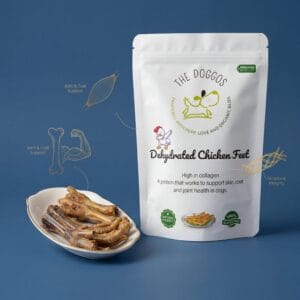
- Calcium:Phosphorus Ratio: It must be 1.2:1. Meat provides phosphorus, but you need an external source for calcium. Dehydrated bones like Dehydrated Chicken Feet or eggshell powder are excellent choices.
- Omega-6:3 Balance: Commercial Indian chicken is heavily skewed towards Omega-6. You MUST add Omega-3 to every chicken meal. This is not a ‘topper’ it’s a ‘balancer’.
Introducing The Doggos Hemp Meal Balancer: Your Home-Cooked Solution
This is where the magic happens for home-cooked meals. Many parents cook delicious meals for their dogs, but they miss the micronutrients that turn a ‘survival’ meal into a ‘thriving’ meal. That’s precisely why I formulated the Hemp Meal Balancer.
The Doggos Hemp Meal Balancer is designed to bridge the nutritional gaps inherent in typical Indian home-cooked diets. It’s a powerhouse of complete amino acids, essential fatty acids, and prebiotics, ensuring your dog gets a truly balanced meal every time. Instead of guessing, you can simply add this to your home-cooked chicken and rice, knowing you’ve covered the bases.
How Hemp Meal Balancer Transforms Your Dog’s Bowl
The Hemp Meal Balancer isn’t just a supplement; it’s a foundational component for a truly wholesome home diet. Here’s how it works:
- Complete Amino Acid Profile: Chicken alone often lacks a complete amino acid profile. The Hemp Meal Balancer provides all the essential amino acids your dog needs for muscle repair, energy, and overall vitality.
- Omega-3 and GLA Rich: It corrects the inflammatory Omega-6:3 imbalance found in commercial chicken. It’s also rich in Gamma-Linolenic Acid (GLA), a rare Omega-6 that acts as an anti-inflammatory, directly addressing issues like paw licking, hot spots, and chronic ear infections.
- Prebiotic Fibre: The Hemp Meal Balancer also contains prebiotic fibre, which feeds beneficial gut bacteria, leading to better digestion, nutrient absorption, and stronger immunity. This is especially helpful during diet transitions.
By regularly incorporating the Hemp Meal Balancer, you are transforming a simple meal into one that supports long-term health, a shiny coat, and robust immunity.
The Desi Carnivore’s Home-Cooked Protocol with Hemp Meal Balancer
My recommended approach combines the safety of cooking with the nutritional completeness of my balancers. Here’s a simple protocol:
- Cook the Meat: Gently pressure-cook boneless chicken (thighs are great for taurine) with a little liver and some red pumpkin. Cooking kills pathogens that are a real concern with wet market meat in India’s humid climate.
- Debone After Cooking: ALWAYS remove all cooked bones. They are a severe choking and internal injury hazard.
- Add Your Balancers: Once the meal has cooled, stir in The Doggos Hemp Meal Balancer according to your dog’s weight. For calcium, consider adding crushed eggshell powder or giving Dehydrated Chicken Feet as a chew.
- Veggies and Superfoods: Incorporate seasonal vegetables like green beans, carrots, or spinach. A pinch of Baobab Powder can boost Vitamin C and provide additional prebiotic fibre.
This method ensures your dog gets fresh, digestible protein, balanced fats, and essential minerals, all while mitigating the hygiene risks of raw feeding in an Indian household.
Common Mistakes Indian Pet Parents Make
It’s easy to fall into traps when trying to feed your dog well in India. Here are the most frequent errors I see:
- Feeding Cooked Bones: As I’ve stressed, this is paramount. Cooked bones splinter and are deadly.
- Roti as a Staple: Feeding roti or chapati as a main meal is a recipe for disaster. Dogs lack salivary amylase, meaning these carbs put a huge strain on their pancreas and can raise stomach pH, making them more susceptible to bacterial infections. Read more about is roti good for dogs here.
- Ignoring Omega-3s: Assuming chicken alone is enough. Without balancing the Omega-6s, you are inadvertently feeding inflammation.
- Neglecting Calcium: A meat-only diet is phosphorus-heavy. Without calcium, you risk serious skeletal issues over time.
- Giving Commercial Biscuits: Treats like Parle-G or Marie biscuits are full of sugar and maida, rotting teeth and offering zero nutritional value. Opt for functional, single-ingredient dehydrated treats instead.
My Philosophy: The Indian Middle Path
My approach, ‘The Desi Carnivore: Cook the Meal, Dehydrate the Bone’, isn’t about being anti-raw or pro-kibble. It’s about finding the safest, most biologically appropriate, and nutritionally sound path for our dogs in the Indian context. I love the concept of raw feeding biologically, but the hygiene realities of Indian wet markets mean cooking the meat is non-negotiable for household safety. Our dogs’ powerful stomach acid (pH 1-2) can handle pathogens, but we cannot ignore the cross-contamination risk in our homes.
For those curious about the nuances of raw feeding in India, I encourage you to read my detailed guide on raw food diet for dogs in India. Ultimately, my goal is to empower you with the knowledge to feed your dog a diet that truly allows them to thrive, not just survive.
Frequently Asked Questions
Related Reading
- Browse our full range of natural dehydrated dog treats.
- Read the complete Indian dog feeding guide.
- About the author: Mahiv Chhabra, certified canine nutritionist.