
Are you an Indian pet parent, scratching your head, wondering whether dry kibble or dehydrated dog food is actually better for your furry family member? Look, I’m Mahiv Amit Chhabra, and as a certified canine nutritionist, I’m here to cut through all that marketing noise. I’ll give you the real, science-backed answers, specifically for our unique Indian context. When we talk about dry kibble vs dehydrated dog food in India, we aren’t just comparing two kinds of food; we’re talking about two totally different ideas of what canine nutrition should be.
So, which one’s healthier? Honestly? For your Desi dog, gently dehydrated dog food is hands down the healthier, more biologically appropriate choice compared to regular dry kibble. Dehydrated food keeps so many more natural nutrients, helps with digestion way better, and it just avoids all those problematic ingredients and harsh processing methods you find in most kibble. It’s a superior option, plain and simple, for long-term health and vitality, especially with our Indian climate.
The Unvarnished Truth About Dry Kibble in India
Let’s be blunt: most commercial dry kibble you find in India is miles away from what a dog, a true carnivore, is actually built to eat. It’s super processed, packed with grains, and often full of stuff that gives your dog almost no nutritional value.
What’s Really Inside That Bag?
Pick up just about any bag of kibble, and what’s the first thing you see? Corn, wheat, soy, rice, potato. These are cheap fillers, my friend, not proper food for a carnivore. Here’s the thing, your dog’s saliva, unlike ours, has NO amylase. This means they can’t pre-digest starches. So, these grains hit their stomach basically ‘whole,’ really straining their pancreas and digestive system. And their short intestinal transit time, just 12-30 hours, is made for quickly processing protein, not slowly fermenting grains. The result? Poor nutrient absorption and big, smelly poops. That’s a direct sign of food that isn’t being digested properly.
Beyond the grains, kibble often has ‘rendered’ meats. These are basically by-products cooked at crazy high temperatures, which strips away most of their natural goodness. Then, synthetic vitamins and minerals get sprayed back on. But let’s be real, these are poor substitutes for whole food nutrients.
The “Convenience” Trap
Kibble’s biggest selling point? Convenience. And its long shelf life. But this stability comes at a real cost. The high-heat extrusion process that makes those uniform little pellets destroys beneficial enzymes, delicate fats, and a lot of heat-sensitive vitamins. While it might seem easy to store, this ‘convenience’ often hides a food that’s nutritionally dead, forcing your dog’s body to work so much harder just to get minimal benefit. Is that really convenient for their health?
The Hidden Health Toll
Feeding a high-carb, processed diet like kibble has some pretty big long-term consequences for your dog’s health:
- Raised Stomach pH: A dog’s stomach is naturally super acidic (pH 1-2). That’s a powerful defence against bad bacteria and crucial for dissolving bone into calcium they can actually use. High-carb kibble diets mess with this pH, making your dog more prone to bacterial infections and less able to digest protein and minerals effectively.
- Chronic Inflammation: Most commercial Indian chicken used in kibble is corn/soy-fed. This leads to an Omega-6:3 ratio that can be as high as 20:1 or even 30:1! This just floods their body with inflammatory markers, showing up as paw licking, hot spots, constant ear infections, and that ‘unexplained’ itching. This is what so many Indian pet parents mistakenly call ‘heat’ from chicken. It’s actually Omega-6 induced inflammation, not some kind of thermal heat.
- Dental Issues: Despite what some brands claim, dry kibble does very little for dental health. It just shatters into tiny pieces, often sticking to teeth and making plaque and tartar build up even worse.
- Dehydration: Kibble only has about 10% moisture. Dogs on kibble diets are often mildly dehydrated all the time, which really puts a strain on their kidneys over the years.
For more insights into kibble’s drawbacks, read my detailed comparison of kibble vs natural dog food in India.
Dehydrated Dog Food: The Desi Carnivore’s Goldilocks Solution
Enter dehydrated dog food, a total real fix for Indian pet parents. This isn’t raw food, and it’s definitely not kibble. It’s our ‘Goldilocks’ solution: not raw (too much hygiene risk in India, let’s be honest), not blasted with high heat (which kills nutrients), but just right.
What is Dehydrated Dog Food?
Dehydrated dog food involves gently taking moisture out of fresh, whole ingredients using low heat over long periods (often 20+ hours). This process keeps most of the vitamins, minerals, enzymes, and delicate fats. It creates a product that lasts a long time and, once you rehydrate it, is super close to fresh food in terms of its nutritional profile. People often call it ‘minimally processed’ food.
At The Doggos, our philosophy is simple: ‘Cook the Meal, Dehydrate the Bone’. We strongly recommend gently home-cooking meat (like in a pressure cooker) to get rid of nasty pathogens like Salmonella and E.coli, which are a real concern in India’s humid wet markets. Then, we DEBONE after cooking, because cooked bones become super brittle and dangerous. For calcium and good dental health, we look to dehydrated bones and chews. Dehydration keeps the porous structure of bones intact, letting them safely crumble into a chalky powder, not sharp splinters. This is so, so important for safety in Indian homes. (I’ve seen too many emergency vet visits from cooked bones!)
The hygiene gap in India is a real thing. While a dog’s stomach acid can handle some pathogens, bringing raw wet-market meat into an Indian household just carries an undeniable cross-contamination risk. Dehydrated foods offer a safe, convenient, and nutritionally superior alternative. That’s a win-win, na?
Why Dehydrated is Superior for Indian Dogs
The benefits of dehydrated food, especially here in India, are huge:
- High Digestibility: Fresh food, including rehydrated dehydrated food, is 90-94% digestible. Compare that to kibble’s roughly 80%. This means your dog absorbs more nutrients, and you’ll see much smaller, firmer, less stinky poops.
- Natural Hydration: Once rehydrated, dehydrated food contains around 70% water, just like fresh food. This really boosts your dog’s hydration, which is fantastic for kidney health, especially in India’s hot climate. Dogs often drink less water on fresh diets, and that’s perfectly normal.
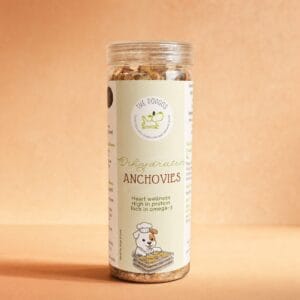
- Reduced Inflammation: By giving your dog a more balanced, whole-food diet, dehydrated options naturally help manage that Omega-6:3 imbalance that causes so much itching and skin trouble. Adding Omega-3 balancers like our Hemp Seed Oil or Dehydrated Anchovies to every meal is non-negotiable for truly optimal health.
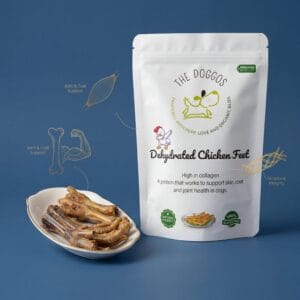
- Dental Health & Joint Support: Unlike kibble, functional dehydrated treats like our Dehydrated Chicken Feet (which are full of glucosamine and chondroitin) or Dehydrated Mutton Trotters actually clean your dog’s teeth naturally as they chew. They scrape off plaque and even release endorphins. My Indie dogs absolutely love these!
- Allergy Management: Dehydrated options with ‘novel proteins’, like our Dehydrated Whole Quail, are brilliant for elimination diets and for dogs with sensitivities. Their immune systems just haven’t been overexposed to these proteins yet.
To dive deeper into the advantages, check out my article on are dehydrated treats good for dogs.
Dry Kibble vs Dehydrated Dog Food India: A Head-to-Head Comparison
Let’s break down the main differences between dry kibble and dehydrated dog food. It’ll help you see why the latter is the healthier choice for your Desi companion.
| Feature | Dry Kibble | Dehydrated Dog Food |
|---|---|---|
| Processing Method | High-heat extrusion (often >200°C) | Low-heat dehydration (typically 40-70°C) |
| Nutrient Retention | Low; synthetic vitamins & minerals added back | High; preserves natural vitamins, minerals, enzymes |
| Water Content (as fed) | ~10% (very dry) | ~70% (once rehydrated, like fresh food) |
| Digestibility | ~80% (high waste, large stools) | 90-94% (high absorption, small, firm stools) |
| Primary Ingredients | Grains (corn, wheat, soy, rice), rendered meats, fillers, synthetic additives | Whole meat, organs, bone, fruits, vegetables (minimally processed) |
| Impact on Stomach pH | Can raise pH, reducing natural acidity | Supports naturally low, acidic pH |
| Inflammation Potential | High (due to imbalanced Omega-6, grains) | Low (balanced fats, whole ingredients) |
| Dental Benefit | Minimal to none; can contribute to plaque | Specific chews provide natural cleaning (e.g., Chicken Feet) |
| Cost (Per Day) | Appears lower upfront, but potential hidden vet bills | Appears higher upfront, but invests in long-term health |
| Shelf Life | Very long (due to processing & preservatives) | Long (due to dehydration, less processing) |
The Cost Factor: Beyond the Price Tag
Okay, so initially, dehydrated dog food might look like it costs more than kibble. But, it’s really important to look past just the immediate price tag. Think about the long-term health benefits, yaar: fewer vet visits for chronic stuff like allergies, ear infections, and digestive issues. A dog that’s really thriving on a species-appropriate diet is a healthier dog. And that, my friend, is an investment that pays huge dividends in joy and companionship, not just in rupees. You’re buying health, not just something to fill their tummy.
Making the Switch: A Practical Guide for Indian Pet Parents
Changing from kibble to a healthier, dehydrated diet can totally improve your dog’s health. Here’s how to do it properly, the Desi Carnivore way.
The 7-Day Transition Protocol
Sudden changes can really upset your dog’s stomach. A gradual transition is absolutely key:
- Days 1-2: 75% old food (kibble) + 25% new food (rehydrated dehydrated food).
- Days 3-4: 50% old food + 50% new food.
- Days 5-6: 25% old food + 75% new food.
- Day 7: 100% new food.
Don’t panic if you see a bit of mucus in their stool around Day 3-4; this is actually pretty normal, often just a sign the gut is shedding its old lining. A tiny pinch of Baobab powder or some extra pumpkin can really help settle things down.
Essential Supplements for a Balanced Bowl
Even with great dehydrated food, remember these two golden rules for every single bowl:
- Calcium:Phosphorus Ratio (1.2:1): Meat gives you phosphorus, but you need calcium too. Dehydrated bones like our Dehydrated Chicken Feet are perfect. Or you can use eggshell powder if that’s easier.
- Omega-6:3 Balance: You’ve got to fight that inflammation from commercial chicken by adding Omega-3s. Our Hemp Seed Oil is an awesome plant-based choice, or Dehydrated Anchovies give you powerful fish-based Omega-3s. These aren’t just ‘toppers’; they’re ‘balancers,’ remember that.
Recipe Idea: The Doggos’ Golden Chicken Bowl
If you’re making a homemade meal to go with your dehydrated options, here’s a super simple, balanced recipe:
Mix 500g chicken thighs (bone-in, skin-on for taurine) + 50g liver (hello, Vitamin A!) + 100g red pumpkin (for that good fibre) + a dash of turmeric paste. Pressure cook it for 2-3 whistles. Once it cools down, DEBONE the chicken (seriously, never feed cooked bones!). Mash the pumpkin into the broth, then add our Hemp Meal Balancer to make sure the amino acid and fat profile is just right. Serve it up with a rehydrated portion of your chosen dehydrated meat.
Common Mistakes Indian Pet Parents Make
I’ve seen it all, and these are the most frequent slip-ups:
- Believing Kibble is ‘Complete and Balanced’: While legally that might be true, ‘complete and balanced’ doesn’t automatically mean optimal health or species-appropriate nutrition. Not by a long shot.
- Feeding Cooked Bones: This is a HUGE safety issue. Pressure-cooked chicken bones shatter into sharp splinters. Always, always debone cooked meat.
- Ignoring Omega-6:3 Imbalance: Attributing itching and rashes to ‘chicken heat’ instead of understanding it’s an inflammatory response. It’s a common misconception in India.
- Over-reliance on Roti/Rice: While rice can be a filler in small amounts, making roti the main part of an Indian dog’s diet is just nutritionally unsound. Their bodies aren’t built for it. Read more on is roti good for dogs here.
- Using Commercial Treats: Sugary, maida-filled biscuits like Parle-G just rot teeth and offer zero nutritional value. Opt for functional dehydrated treats instead. Please.
My Final Word: Choose Health, Choose Dehydrated
As Mahiv Amit Chhabra, author of “The Desi Carnivore” and founder of The Doggos, my whole mission is to give Indian pet parents the knowledge they need for healthier, happier dogs. The choice between dry kibble and dehydrated dog food in India isn’t just about what’s easy; it’s about what’s biologically appropriate, safe, and genuinely nourishing for your carnivorous companion.
Dehydrated food, when you pick good quality stuff and prepare it thoughtfully, really offers a path to vibrant health that kibble simply can’t touch. It totally aligns with our ‘Cook the Meal, Dehydrate the Bone’ philosophy, giving you the best of both worlds: safety from pathogens and superior nutrition. Your dog deserves real food, and dehydrated options are a fantastic step in that direction. What are you waiting for?
Explore our range of dehydrated dog treats and supplements at The Doggos to begin your journey towards a healthier, happier Desi dog. For more about my journey and expertise, visit my author page.