
Every Indian pet parent knows this feeling, right? You walk down the pet aisle, faced with endless colourful kibble bags, all promising “complete nutrition.” Or maybe you think about the good old tradition of home-cooked meals. You love your dog like crazy, and you just want to feed them right. But here in India, with our bustling, humid climate, what’s *really* the best for their health?
So, when we’re talking about kibble vs natural dog food in India, honestly, the answer is pretty clear. A natural diet, put together with some thought, especially our ‘Cook the Meal, Dehydrate the Bone’ method here at The Desi Carnivore, is just way better for your dog’s long-term health, digestion, and how lively they feel. This way of feeding really respects what their bodies are built for, while still making sense for Indian homes.
What is Kibble, Really? A Deep Dive into Processed Pet Food
Look, to really get why natural food wins, we need to pick apart what kibble actually is. Most commercial kibble, whether it’s the cheap stuff or labelled “premium,” is basically a super-processed dry pellet. And it’s made mostly for *our* convenience, not for what a dog’s body actually needs. Think of it like us humans trying to live on instant noodles and packaged biscuits. Not ideal, right?
The Kibble Conundrum: Ingredients and Processing
- Filler Frenzy: Kibble often has corn, soy, wheat, or rice as its main ingredients. And here’s the thing: dogs, unlike us, don’t have amylase in their saliva. That means they can’t even start digesting these carbs before they swallow them. So, when your dog chomps on roti or kibble, those starches basically hit their stomach “whole,” making their pancreas totally overworked.
- Mystery Meat: Ever seen ingredients like ‘meat meal,’ ‘animal by-products,’ or ‘poultry meal’ on the bag? They sound pretty vague, don’t they? These are usually rendered products, meaning they’ve been cooked at super high temperatures. That process, frankly, strips away most of their actual nutritional value.
- High Heat, Low Nutrients: The way kibble is made (it’s called extrusion) involves cooking it at incredibly high temperatures and pressures. This basically wrecks proteins, kills off enzymes, and reduces important vitamins and amino acids. Then, what do manufacturers do? They spray on synthetic vitamins and minerals. But those aren’t nearly as easy for your dog’s body to use as the ones from real, whole foods.
- Dehydrated by Design: Kibble’s got only about 10% moisture. Now, think about fresh food, which is roughly 70% water. So, feeding kibble constantly means your dog is always a bit dehydrated. And that can really strain their kidneys over years. If you notice your dog drinks less water when on a fresh diet, that’s actually a great sign – they’re getting all that good hydration right from their meal!
- Artificial Additives: To make kibble taste good (to dogs, anyway) and last forever on the shelf, it’s packed with artificial colours, flavours, and preservatives. For sensitive dogs, these can seriously trigger allergies, skin problems, and long-term inflammation.
The Desi Carnivore Method: Our Approach to Natural Dog Food in India
Here at The Doggos, we truly believe dogs are pretty much 99.9% wolf on the inside. Their bodies haven’t really changed much from their wild ancestors. They’ve got super powerful stomach acid (a pH of 1-2, compared to our human 4-5) that’s built to break down meat and bone. And their short intestinal tract? That’s for quickly processing protein, not for slowly fermenting grains. So, how do we respect that inner carnivore right here in an Indian home?
“Cook the Meal, Dehydrate the Bone”: The Indian Middle Path
We absolutely love the *idea* of raw feeding, but practically speaking, in India, it just creates a huge hygiene issue. Our Indian wet markets, especially in places like Mumbai or Chennai, with all that humidity, are basically breeding grounds for bacteria like Salmonella and E.coli. Bringing raw wet-market meat into your home? That’s a cross-contamination risk we simply can’t ignore, ethically. Sure, your dog might be able to handle those pathogens, but what about your family, your kitchen, or even your rugs?
That’s why we advocate for our unique “Cook the Meal, Dehydrate the Bone” method:
- COOK the Meat: Gently home-cook your meat. A pressure cooker works great for this, we recommend it! This step safely kills off nasty bacteria like Salmonella and E.coli, making it totally safe for your Indian kitchen and home.
- DEBONE After Cooking: This bit is non-negotiable. And honestly, it’s where a lot of well-meaning Indian parents make a big mistake. NEVER, ever feed cooked bones. High heat makes bones brittle, you see; they just shatter into sharp, jagged splinters. Those can literally poke holes in intestines and cause fatal peritonitis. So, always, always debone cooked meat.
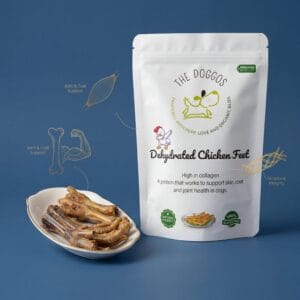
- DEHYDRATED Bones for Calcium + Dental Health: This is what we call our “Goldilocks” solution. Dehydration (which is a low-temperature, long process, usually over 20 hours) keeps the bone’s spongy structure intact. Unlike cooked bones, dehydrated ones just crumble into a safe, chalky powder when chewed. This gives your dog vital calcium without any splintering danger. Plus, chewing naturally cleans their teeth and lets out those happy endorphins. Check out our dehydrated dog treats for safe picks like Dehydrated Chicken Feet or Dehydrated Mutton Trotters. (My Lab goes absolutely bonkers for these, by the way!)
The Two Golden Rules of Every Bowl
Beyond cooking and deboning, two nutritional pillars are crucial for a balanced natural diet:
- Calcium:Phosphorus Ratio (1.2:1): Meat is full of phosphorus, but without bone, it’s missing calcium. So, a boneless home diet (just chicken and rice, which is a really common mistake here in India, yaar) will actually pull calcium right out of your dog’s own bones over the years. This can lead to serious problems like Osteopenia or “Rubber Jaw” syndrome. Our fix? Safe, dehydrated bones or supplements like eggshell powder or calcium citrate. Want to know more about bone safety? Check out our guide: Can Dogs Eat Bones?
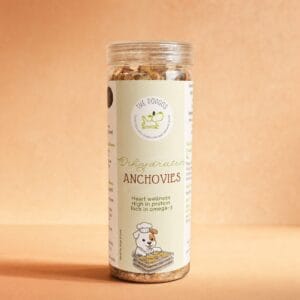
- Omega-6:3 Balance: Here’s another big one. Commercial Indian chicken is often fed corn or soy, which totally skews the Omega-6:3 ratio to like 20:1 or even 30:1. Ideally, it should be closer to 7:1. This imbalance basically floods your dog’s body with inflammation. And how does that show up? Paw licking, hot spots, endless ear infections, or that “unexplained” itching. The simple fix? You absolutely MUST add Omega-3 to every chicken meal. Things like Hemp Seed Oil (it’s packed with anti-inflammatory GLA) or Dehydrated Anchovies aren’t just fancy “toppers” – they’re vital “balancers.”
You know what many Indians often call ‘heat’ from chicken or eggs (that’s a concept from Ayurveda or TCM)? Well, a lot of the time, it’s actually this Omega-6 inflammation, not actual thermal heat. Sure, meat does have a high Thermic Effect of Food (TEF), but those rashes and itching owners notice are usually an Omega-6 inflammation spike. Just balance those fats with some cooling Hemp or fish, and it usually sorts itself out, no need to stop the protein. Honestly, most vets won’t tell you this.
Kibble vs. Natural Dog Food: A Head-to-Head Comparison for Indian Pets
Let’s lay it all out. Here’s how kibble stacks up against The Desi Carnivore’s natural feeding method in the Indian context:
| Feature | Kibble (Commercial Dry Food) | Natural Dog Food (The Desi Carnivore Method) |
|---|---|---|
| Primary Ingredients | Grains (corn, wheat, rice), plant proteins (soy), ‘mystery meat meal,’ by-products, lots of fillers. | Whole muscle meat, organ meat, safe dehydrated bones, fresh veggies, healthy fats. |
| Processing Method | Blasted with high-temperature extrusion, rendering. Basically destroys natural nutrients. | Gentle home-cooking (for meat) and low-temperature dehydration (for bones/chews). Keeps those nutrients intact. |
| Moisture Content | Only about 10%. Means your dog has to drink a ton of water. Can really strain kidneys. | Around 70%. Hydrates from the food itself, which is great for kidney health. Less water drinking from the bowl? Totally normal. |
| Digestibility | About 80% (Journal of Animal Science, 2021). So, more waste, bigger, smellier poops. | A whopping 90-94%. More nutrients absorbed, which means smaller, firmer stools. |
| Impact on Stomach pH | All those carbs raise stomach pH, making it less acidic. This messes up bone digestion and makes them more prone to infections. | Keeps that optimal pH of 1-2, super important for absorbing nutrients and fighting off bad stuff. |
| Nutrient Balance | Synthetic vitamins/minerals sprayed on after processing. And usually a really messed up Omega-6:3 ratio. | Bioavailable nutrients from whole, real foods. Easily balanced with specific additions (like Hemp Seed Oil or Dehydrated Anchovies). |
| Allergies & Inflammation | Super common trigger because of fillers, artificial ingredients, and that Omega-6 imbalance. | Really cuts down inflammation, makes skin & coat awesome, and helps clear up chronic issues like itching and ear infections. |
| Safety (Indian Context) | Often full of preservatives. And quality control? Well, that can really vary, depending on the brand. | Cooked meat gets rid of bacterial risk from local markets. Dehydrated bones are safe. Best part? You control *everything* that goes in. |
| Long-term Health Impact | Linked to obesity, diabetes, dental disease, allergies, and sadly, a shorter lifespan. | Helps maintain optimal weight, builds strong immunity, keeps joints healthy, improves mental clarity, and gives them extended vitality. What’s not to love? |
Why Your Indian Dog Needs Natural Food: The Science Speaks
It’s not just about what’s printed on the bag, you know? It’s about what your dog’s body is actually built to *do* with that food. As a certified canine nutritionist, I, Mahiv Amit Chhabra, can tell you straight up: a dog’s physiology just screams ‘carnivore’.
- Acidic Stomach: Your dog’s stomach acid is unbelievably strong, a pH of 1-2. This is absolutely perfect for dissolving bone into calcium and phosphorus (which their body can actually use), and for killing off bacteria. But here’s the catch: high-carb kibble diets actually make that stomach pH *less* acidic, making it less good at both those crucial jobs.
- No Amylase in Saliva: Unlike us humans, dogs don’t have amylase in their saliva to even start breaking down starches. That means grains and starchy veggies mostly pass through undigested, putting a huge strain on their pancreas and just fermenting away in their gut.
- Short Intestinal Tract: A dog’s intestines are short. They’re designed for super-fast processing of animal protein, not for the slow fermentation of plant stuff. This is exactly why kibble often results in those big, gassy, smelly stools, right? It’s basically rotting in their gut. Fresh food, though, means smaller, firmer, and less stinky poops because way more nutrients are actually getting absorbed.
- The Omega-6 Imbalance and ‘Heat’ Myth: Like we talked about, that “heat” you see in your dog (all that paw licking, those hot spots, the constant itching, the never-ending ear infections) is often directly from an out-of-whack Omega-6:3 ratio in commercial chicken. Switching to a balanced natural diet, with enough Omega-3s (like from Hemp Seed Oil, which is actually rich in GLA, an anti-inflammatory Omega-6, or Dehydrated Anchovies) can seriously cut down or even get rid of these symptoms by fixing the real problem. Want to know more? Read our blog: Why Is My Dog Always Itching?
Making the Switch: Your Desi Carnivore Action Plan
Switching your dog from kibble to a natural diet? It doesn’t have to be scary at all. Here’s our simple 7-Day Transition Protocol:
- Days 1-2: 75% old kibble, 25% new natural food. Easy peasy.
- Days 3-4: 50% old kibble, 50% new natural food. Don’t freak out if you see some mucus in their poop around now; it’s totally normal. It just means their gut is shedding its old lining. A little pinch of Baobab powder or some extra pumpkin can really help them out.
- Days 5-6: 25% old kibble, 75% new natural food. Almost there!
- Day 7 onwards: Boom! 100% fresh, natural food.
Recipe Spotlight: The Golden Chicken Bowl (Our Daily Staple)
This simple, balanced recipe is a fantastic starting point for your dog’s natural diet:
- 500g chicken thighs (bone-in, skin-on for that important taurine)
- 50g chicken liver (super important Vitamin A hit)
- 100g red pumpkin (great for fibre and gut health, you know)
- 1 scoop Hemp Meal Balancer (for those essential amino acids and fats)
- 1 tsp turmeric paste (a natural antiseptic and anti-inflammatory, so good!)
Method: Pressure cook those chicken thighs, liver, and pumpkin with the turmeric paste for about 2-3 whistles. Once it’s cooked and cooled down a bit, make sure you DEBONE that chicken completely. Mash the pumpkin right into the broth, then stir in the Hemp Meal Balancer once the whole thing has cooled to a warm temperature. Serve it fresh! Your dog will love it.
For more balanced, easy recipes, check out our 10 Homemade Dog Food Recipes.
Common Mistakes Indian Pet Parents Make with Kibble and Homemade Diets
Even with the best intentions, it’s easy to fall into common traps:
- Feeding Cooked Bones: Like we warned, this is super dangerous. Cooked bones just splinter. Always, always debone cooked meat.
- The Boneless Chicken & Rice Trap: Only feeding boneless chicken and rice? That’s going to cause a severe calcium deficiency over time. Seriously. Remember that crucial 1.2:1 Ca:P ratio! Add some Dehydrated Chicken Feet or eggshell powder to their bowl.
- Excessive Roti/Chapati: Roti and chapati just aren’t right for dogs. They’re packed with simple carbs and gluten, which just adds to inflammation and really strains the pancreas.
- Parle-G/Marie Biscuits: Oh, Parle-G and Marie biscuits. They’re full of sugar and maida (refined flour), which just rot teeth and give zero nutritional value. Instead, give them a proper, functional chew, like a Dehydrated Chicken Foot. (I’ve seen this work wonders with even the pickiest Indie dogs!)
- Ignoring Omega-3 Balance: Thinking a chicken-only diet is “complete” without balancing the Omega-6. Nope! Your dog desperately needs that Omega-3 for healthy skin, a shiny coat, and to cut down inflammation.
- Fearing ‘Heat’ from Protein: This misunderstanding about the ‘heat’ myth often makes parents cut back on essential proteins like chicken and eggs. But really, the issue is usually an Omega-6 imbalance.
Frequently Asked Questions about Kibble vs. Natural Dog Food in India
Is kibble safe for dogs in India?
Look, while kibble is made for convenience and gives dogs basic food, it’s really not the best for your dog’s long-term health. All that high-carb stuff, low moisture, and processed ingredients can lead to tummy troubles, allergies, and even long-term illnesses over time. Here at The Doggos, we strongly believe in a natural, home-cooked diet instead.
What are the disadvantages of feeding kibble to dogs?
The downsides? Oh, there are quite a few. We’re talking poor digestion, constant dehydration, a huge carbohydrate load that causes blood sugar spikes and really strains the pancreas, plus the chance of allergic reactions to all those fillers and artificial additives. And because of all that high-heat processing, your dog absorbs way fewer vital nutrients.
Why is home-cooked food better than kibble for Indian dogs?
Home-cooked food, especially when you follow The Desi Carnivore method, is just miles better because it gives your dog fresh, easy-to-use nutrients, a lot of moisture, and protein that’s actually right for their species. It means you get to control what goes in, steer clear of nasty additives, and balance those super important ratios like Calcium:Phosphorus and Omega-6:3. All of that is absolutely key for top health, especially in India’s unique environment.
How can I ensure my homemade dog food is balanced?
To make sure your homemade dog food is perfectly balanced, always stick to that 1.2:1 Calcium:Phosphorus ratio (using safe dehydrated bones or supplements, of course). Make sure you balance Omega-6 with Omega-3 (Hemp Seed Oil or anchovies are great for this). And always include a mix of muscle meat, organ meat, and suitable vegetables. Something like our Hemp Meal Balancer can also really help ensure they get all the amino acids they need.
Can natural food help with my dog’s itching and allergies?
Yes, absolutely! So many common allergies and that constant itching we see in Indian dogs often come from inflammatory Omega-6 imbalances in their food, or reactions to kibble fillers. Switching to a balanced natural diet, one that’s rich in anti-inflammatory Omega-3s and maybe some novel proteins like Dehydrated Whole Quail, can seriously cut down or even get rid of these symptoms. It’s all about fixing the actual root cause, you know? (I get so many DMs about this, it’s a huge problem for pet parents!)
The Desi Carnivore’s Final Word
Choosing between kibble vs natural dog food in India isn’t just about what you prefer; it’s a really big, important health decision. As Mahiv Amit Chhabra, I’ve seen for myself the incredible, life-changing power of feeding dogs what their bodies are actually meant to eat. From clearing up chronic hot spots with Baobab Oil to helping dogs bounce back faster from tick fever with iron-rich Mutton, natural food just offers benefits you can’t get anywhere else.
It’s time, I think, to move past just convenience. Let’s really get behind a way of feeding that truly nourishes your dog, celebrating that inner carnivore, while still making sure everything is safe and balanced for our unique Indian environment. Your dog deserves real food. And you? You deserve that peace of mind, knowing you’re giving them the absolute best.
Want more insights into truly great dog nutrition? Just pop over to my About Me page.