Gaddi Kuttas, the majestic guardians of the Himalayas, are more than just dogs; they are living legacies of India’s rugged mountains. These magnificent Himalayan Sheepdogs possess an incredible resilience to cold, thanks to their thick double coats and powerful build. However, their genetics alone are not enough to see them through the biting Indian winter. A thoughtfully planned Gaddi Kutta winter diet plan India is crucial to maintain their health, energy, and warmth.
For a Gaddi Kutta winter diet in India, focus on calorie-dense, warming proteins like goat meat, balanced with easily digestible carbs and healthy fats. Ensure adequate calcium from Dehydrated Mutton Trotters and Omega-3s from fish to support their thick coat and high energy expenditure. This approach ensures they stay strong and ready for anything winter brings.
Understanding Your Gaddi Kutta’s Winter Needs
The Gaddi Kutta is a working breed, historically herding sheep and guarding against predators in challenging mountain environments. Their dietary needs reflect this active, demanding lifestyle, especially when temperatures drop.
High Energy, Thick Coat, Cold Climate
Winter places extra demands on your Gaddi Kutta’s body. They burn more calories just to maintain their body temperature. This means their diet must be more energy-dense, providing ample fuel for warmth and activity. Their thick double coat, while protective, also requires specific nutrients to remain healthy and insulating, preventing dryness and shedding.
- Increased Calorie Needs: Expect to increase their daily caloric intake by 15-30% depending on activity levels and ambient temperature.
- Protein for Muscle & Repair: High-quality animal protein is non-negotiable for muscle maintenance and overall strength.
- Fats for Energy & Coat Health: Healthy fats are a concentrated energy source and vital for skin and coat integrity.
The “Heat” Myth vs. Omega-6 Inflammation
Many Indian pet parents worry about feeding “hot” foods like chicken or eggs in winter, fearing rashes or discomfort. This common belief, often rooted in Ayurvedic or Traditional Chinese Medicine concepts, frequently misunderstands the real issue. What is perceived as “heat” is often an inflammatory response caused by an imbalanced Omega-6:3 ratio in commercial chicken or eggs.
Commercial Indian chicken, often corn and soy-fed, is excessively high in Omega-6 fatty acids (ratios can be 20:1 or even 30:1). This creates an inflammatory cascade in the body, leading to symptoms like paw licking, hot spots, and itchy skin, which are mistakenly attributed to “heat.” By balancing these fats with Omega-3 rich sources like fish or anti-inflammatory Omega-6s like GLA from Hemp Seed Oil, you can prevent these issues without cutting essential proteins.
The Desi Carnivore’s Winter Plate for Gaddi Kuttas
Crafting a winter diet for your Gaddi Kutta means focusing on whole, fresh, and bio-appropriate foods. Remember, dogs are carnivores, and their digestive system is designed for meat.
Protein Power: Mutton and Chicken
Mutton (goat meat) is my top recommendation for winter. It’s often considered a “warming” protein in traditional systems, and scientifically, it’s packed with nutrients. Goat is leaner than commercial chicken and offers 3x the iron and 4x the zinc compared to chicken. This makes it ideal for boosting immunity and supporting red blood cell production, especially important for active dogs in cold weather.
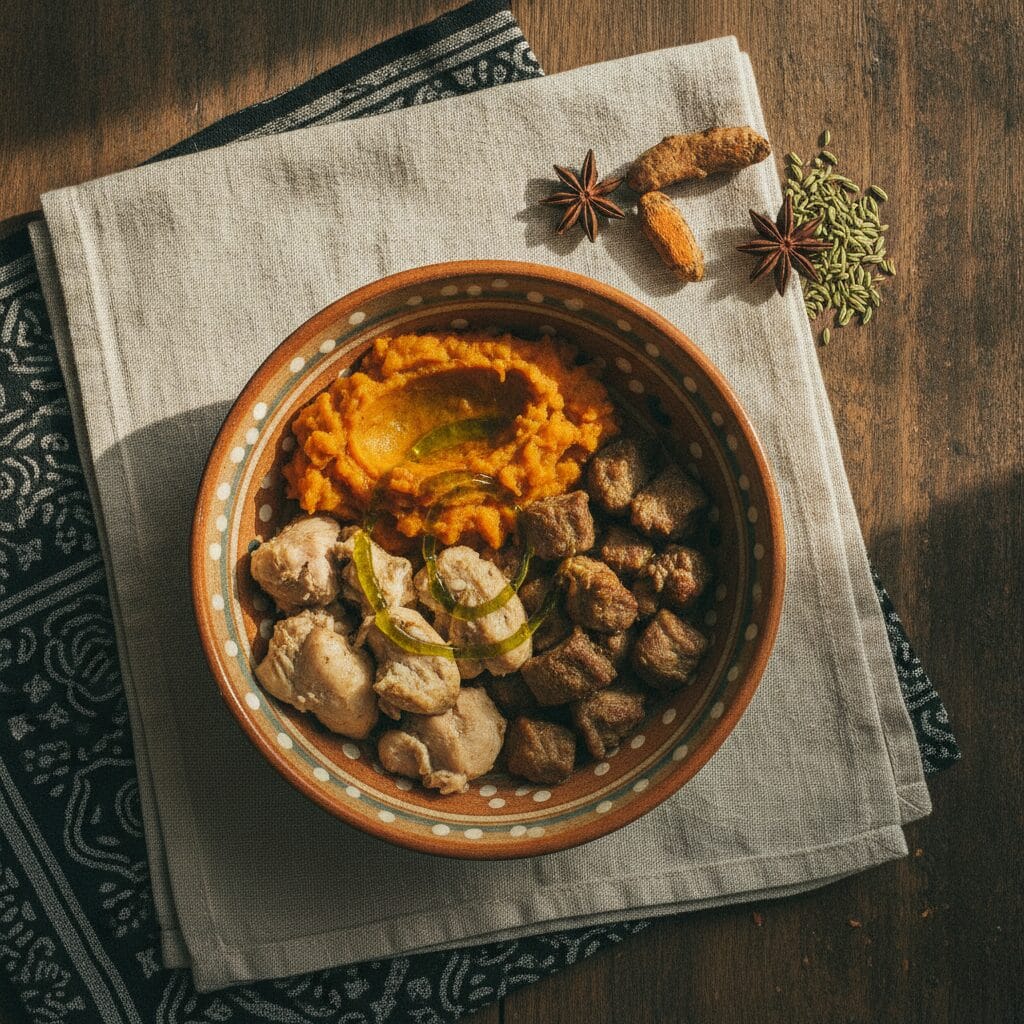
- Mutton (Goat): Use goat curry cut or boneless pieces. Pressure cook thoroughly.
- Chicken: A daily staple, but always balance its Omega-6 content. Wash with turmeric water, pressure cook, and DEBONE completely after cooking. Never feed cooked bones.
Balanced Carbs: Sweet Potato and Rice
While dogs are carnivores, a small amount of easily digestible carbohydrates can provide additional energy for winter. Sweet potato is excellent, offering complex carbohydrates, fibre, and vitamins. White rice, in moderation, can also be used, especially for dogs with sensitive stomachs.
- Sweet Potato: Rich in Vitamin A and C, and dietary fibre. Steam or boil until soft and mash into their meal.
- Rice: Opt for white rice, as brown rice can be harder for dogs to digest due to its hull. Cook thoroughly and serve plain. Remember, dogs lack amylase in their saliva, so excessive grains strain their pancreas.
Essential Fats: Omega-3 and Hemp Seed Oil
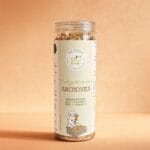
Fats are critical for energy and coat health in winter. Omega-3 fatty acids, particularly EPA and DHA, reduce inflammation, support joint health, and promote a lustrous, insulating coat. Our Dehydrated Anchovies are a fantastic source, providing clean Omega-3s without heavy metal concerns.
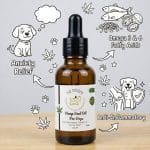
For dogs prone to dry skin, dandruff, or paw cracking in winter, Hemp Seed Oil is a big change. It’s rich in GLA (Gamma-Linolenic Acid), a rare Omega-6 that acts as an anti-inflammatory. It bypasses enzyme deficiencies common in dogs with Atopic Dermatitis, directly nurturing the skin barrier from within. Adding it daily can prevent winter skin woes.
Micronutrients & Supplements
A fresh, whole-food diet is nutrient-dense, but certain additions can further optimise health:
- Calcium: The 1.2:1 Calcium:Phosphorus ratio is paramount. Meat provides phosphorus, but boneless meals lack calcium. Our Dehydrated Mutton Trotters provide bioavailable calcium and phosphorus in a safe, digestible form.
- Organ Meats: Liver, heart, and kidney are nutritional powerhouses, rich in B vitamins, iron, and taurine (especially for heart health). A small amount (5-10% of total meal) several times a week is beneficial. Our Bone and Organ Boost is a convenient way to add this.
- Turmeric: A natural anti-inflammatory and antioxidant. A pinch of turmeric paste (mixed with ghee) can be added to meals daily.
Why Dehydrated Mutton Trotters Are Essential for Gaddi Kuttas in Winter
When I think of a robust, nourishing winter chew for a large, active breed like the Gaddi Kutta, Dehydrated Mutton Trotters immediately come to mind. These aren’t just treats; they are functional nutrition.
Firstly, mutton is a “warming” protein, which aligns perfectly with a winter diet for a Himalayan breed. Beyond that, trotters are rich in collagen, which supports joint health, skin elasticity, and a strong, healthy coat – all crucial for thriving in colder temperatures. They also provide a natural source of iron, vital for oxygen transport and energy levels, preventing the lethargy sometimes seen in winter.
the act of chewing a dense, natural chew like Dehydrated Mutton Trotters provides immense mental stimulation and helps clean teeth. For a powerful chewer like a Gaddi Kutta, this is not just entertainment; it’s a critical outlet for their natural instincts, releasing endorphins and reducing stress during periods of potentially reduced outdoor activity.
As a canine nutritionist, I’ve seen firsthand how crucial the right winter diet is for working breeds like the Gaddi Kutta. I once consulted for a Gaddi Kutta in Himachal Pradesh who was losing weight despite eating large portions of chicken and rice. We switched him to a diet rich in goat meat, added Dehydrated Mutton Trotters for dense nutrition and chewing, and saw his lean mass improve significantly in just two months. It’s about feeding for their biology, not just filling their bowl.
Sample Gaddi Kutta Winter Diet Plan (Weekly)
This sample plan is for an adult Gaddi Kutta (approx. 30-40 kg) with moderate activity. Adjust quantities based on your dog’s specific weight, age, and energy expenditure.
| Meal Component | Quantity (per meal) | Frequency | Notes |
|---|---|---|---|
| Pressure Cooked Mutton (Deboned) | 300-400g | 3-4 times/week | Rich in iron, zinc. “Warming” protein. |
| Pressure Cooked Chicken (Deboned) | 300-400g | 3-4 times/week | Wash with turmeric water. |
| Sweet Potato (Cooked & Mashed) | 100-150g | Daily (with meat) | Complex carbs, fibre, Vitamin A. |
| White Rice (Cooked) | 50-100g (optional) | 2-3 times/week | Easily digestible energy. Reduce if weight gain. |
| Chicken Liver (Cooked & Mashed) | 30-50g | 2 times/week | Vitamin A, B vitamins, iron. |
| Dehydrated Anchovies | 1-2 fish | Daily | Omega-3s for coat & joints. |
| Hemp Seed Oil | 1-2 tsp | Daily | Anti-inflammatory GLA, skin barrier. |
| Dehydrated Mutton Trotters | 1 trotter | 2-3 times/week | Calcium, collagen, dental health, mental chew. |
| Baobab Powder | 1 tsp | 3-4 times/week | Vitamin C, prebiotics, immune support. |
Remember to always introduce new foods slowly over 7-10 days to avoid digestive upset. You can find more homemade dog food recipes for inspiration.
Common Winter Diet Mistakes Indian Pet Parents Make
Even with the best intentions, it’s easy to fall into common traps that can compromise your Gaddi Kutta’s winter health.
- Feeding Cooked Bones: This is the most dangerous mistake. High heat makes bones brittle, causing them to splinter into sharp shards that can cause fatal internal injuries. NEVER feed cooked bones. Stick to dehydrated bones and chews for safe calcium and dental benefits.
- Excessive Grains and Filler: Relying too heavily on roti or rice as the main component of the meal. Dogs are carnivores; their primary energy should come from meat and fat, not starch. High-carb diets can also raise stomach pH, making them more susceptible to bacterial infections.
- Ignoring Omega-3s: Feeding a chicken-heavy diet without balancing the Omega-6:3 ratio is a recipe for inflammation, leading to itchy skin and dull coats, especially in dry winter air.
- Insufficient Calories: Underestimating the increased energy demands of winter. A Gaddi Kutta needs more fuel to stay warm and active.
- Lack of Variety: Sticking to just one protein source can lead to nutrient deficiencies and potential allergies over time. Rotate proteins like goat, chicken, and fish.
FAQ: Gaddi Kutta Winter Diet
Can Gaddi Kuttas eat raw food in winter?
While dogs are biologically carnivores, feeding raw meat from Indian wet markets carries significant hygiene risks due to potential bacterial contamination (Salmonella, E.coli) in India’s humid climate. My “Cook the Meal, Dehydrate the Bone” method ensures safety by cooking the meat and providing safe, dehydrated bones for calcium, offering the best of both worlds without the risks of raw feeding in Indian homes.
How much water should my Gaddi Kutta drink in winter?
Dogs on a fresh, whole-food diet often drink less water because their food is naturally 70% water, compared to kibble which is only 10%. This is normal and beneficial for kidney health. Always ensure fresh water is available, but don’t be alarmed if they drink less than expected if they’re on a moist diet.
What are good winter treats for Gaddi Kuttas?
Excellent winter treats for Gaddi Kuttas include Dehydrated Mutton Trotters for long-lasting chewing and joint support, Dehydrated Chicken Feet for glucosamine and dental cleaning, and Dehydrated Anchovies for an Omega-3 boost. These functional treats offer nutritional benefits beyond just being a snack.
Should I give my Gaddi Kutta supplements in winter?
A well-balanced fresh food diet provides most nutrients. However, an Omega-3 supplement like Dehydrated Anchovies or Hemp Seed Oil is almost always beneficial for skin, coat, and joints. A calcium source like Dehydrated Mutton Trotters or eggshell powder is essential if feeding a boneless diet. Bone and Organ Boost can also be added for complete micronutrient support.
Can I feed my Gaddi Kutta warm milk in winter?
While some dogs tolerate dairy, many are lactose intolerant. Milk can cause digestive upset, including diarrhoea and gas. If you wish to offer a dairy product, a small amount of curd (dahi) is generally better tolerated due to its lower lactose content and probiotic benefits. Always start with a tiny amount to test for intolerance.
Nourish Your Gaddi Kutta This Winter with The Doggos
Providing your Gaddi Kutta with the right nutrition this winter is an act of love and responsibility. By focusing on species-appropriate, fresh, and wholesome ingredients, you’re not just feeding them; you’re building their resilience, boosting their immunity, and ensuring they remain the strong, majestic companions they are meant to be.
For a durable, nutrient-dense chew that provides essential calcium, collagen, and iron, especially important for a Gaddi Kutta’s winter diet, consider our Dehydrated Mutton Trotters. They are the perfect addition to keep your Himalayan Sheepdog thriving through the coldest months. You can learn more about my philosophy and approach to canine nutrition on my About Mahiv Chhabra page.