
You’ve seen it, right? That little red, angry patch on your dog’s skin that just pops up overnight, often oozing and growing super fast. And your dog? They just can’t stop licking it, making everything worse, and the whole area feels burning hot. Yep, my friend, that’s a hot spot. If you’re an Indian pet parent, you know this is a common battle, especially with our unique climate and lifestyle. But what really kicks off these fiery skin lesions, and more importantly, how do we tackle them naturally and stop them from coming back?
What Exactly Are Hot Spots on Dogs?
Okay, so hot spots, or acute moist dermatitis as the vets call ’em, are basically superficial skin infections. They show up as red, inflamed, circular patches. They often ooze pus or a watery fluid, are super itchy, and can really blow up fast as your dog licks, chews, or scratches the spot. It’s a vicious cycle, you see: something irritates the skin, your dog licks it, introduces bacteria, that causes infection, making it even itchier, leading to more licking, and on and on. Honestly, they can be agonisingly painful for your dog and a real headache for you.
Why Are Hot Spots So Common in India?
Hot spots can hit any dog, anywhere, sure. But here in India, our specific conditions just create this perfect storm for them. It’s not just one thing, you know? It’s a whole mix of environmental stuff and dietary elements that make our dogs super prone to getting them.
The Indian Climate Factor
Our tropical and subtropical climates, especially that crazy high humidity you find in cities like Mumbai, Chennai, and Kolkata? Yeah, that’s a big culprit. Moisture just gets stuck in a dog’s coat, especially if your dog’s got a thick undercoat (my Lab goes crazy for this during monsoon, I tell you!) or even our lovely Indie dogs. This damp, warm environment? It’s basically the perfect place for bacteria and yeast to party, and they’re often the real troublemakers that turn a little irritation into a nightmare hot spot.
Allergen Overload
Pollen, dust mites, flea bites (a year-round headache in many parts of India, na?) – environmental allergens are just everywhere. These can set off an allergic reaction, making your dog itchy in the first place. And dogs with existing allergies? They’re way more likely to get hot spots because their skin’s already irritated and angry. Seriously, even a tiny flea bite can become a massive issue if a dog is sensitive and starts chewing.
The Hidden Dietary Culprit: Omega-6 Imbalance
Now, here’s the thing: let’s talk about something most Indian pet parents miss completely: their dog’s diet. A lot of commercial dog foods, and even those common home-cooked chicken and rice meals, use chicken fed on corn and soy (like what you’d get from your neighbourhood butcher sometimes, unless you ask). This commercial chicken? It’s got an Omega-6:3 ratio that can shoot up to 20:1 or even 30:1, compared to a healthy 7:1 for pasture-raised birds. All that extra Omega-6 just floods your dog’s system, basically setting off inflammation everywhere. What does this mean for your dog’s skin, you ask?
It means this constant, low-level inflammation all through their body. This is what many Indian pet parents wrongly call “heat” from chicken or eggs. Honestly, most vets won’t tell you this is a thing. It’s not actually ‘heat’ as in temperature; it’s a metabolic inflammatory response. Big difference. This constant inflammation just makes their skin barrier weak, so it’s way more open to irritations, allergies, and those awful hot spots. When their body’s already inflamed, a simple scratch or a bug bite can turn into a full-blown skin disaster super fast.
The Desi Carnivore’s Approach to Hot Spot Treatment & Prevention
At The Doggos, we’re all about a whole, natural approach that’s right for dogs, tackling hot spots from both the outside and, super important, from the inside. Forget all that generic, often useless, advice you hear. Really. Here’s how we do it, the Desi Carnivore way:
Step 1: Immediate First Aid
- Trim the Area: Carefully snip the fur around the hot spot, leaving about an inch clear around the wound. This lets air get to it, stops moisture getting trapped, and makes cleaning so much easier.
- Cleanse Thoroughly: Grab a mild antiseptic. A diluted betadine (think weak tea colour) or a turmeric water solution (turmeric is a natural antiseptic, works like magic!) works wonders. Gently dab, don’t scrub, the area.
- Keep it Dry: This is absolutely key! After cleaning, pat the area completely dry. You can even use a cool setting on a hairdryer. Moisture? That’s just asking for more bacteria to grow.
Step 2: Topical Healing
Once the area is all clean and dry, it’s time to really get that healing going:
- Baobab Oil: Your Skin’s Best Friend: Unlike those heavy oils that just sit there, trapping heat, Baobab Oil has a unique fatty acid profile (lots of Palmitic and Oleic acid) that really soaks deep into the skin, kind of like your dog’s own natural skin barrier. Pretty cool, right? It heals from the inside out, calming inflammation, helping new cells grow, and building a protective shield. Apply a thin layer 2-3 times a day. We’ve seen fungal infections gone in 90 days and hot spots dry up in as little as 24 hours with consistent use.
- Baobab Therapy Mask: For bigger, more stubborn or recurring hot spots, a Baobab Therapy Mask can seriously change the game. Its detoxifying clay pulls out gunk and calms inflammation, while the baobab works its magic.
- Turmeric Paste: For a quick, home remedy, a paste of turmeric powder and a tiny bit of water can be applied. Turmeric’s a powerhouse, super anti-inflammatory and antiseptic. Just be ready for a bit of yellow, it’s a small price to pay!
Step 3: Addressing the Root Cause (Dietary Changes are Non-Negotiable)
This is where The Desi Carnivore method really shines. Look, topical treatments? They’re just band-aids if you don’t fix that underlying dietary inflammation. Simple as that.
Beyond the Rash: Dietary Solutions for Long-Term Skin Health
Remember that “heat” myth? Yeah, it’s Omega-6 inflammation. Sorting this out is key to stopping hot spots and other long-term skin problems like paw licking, dandruff, and ear infections. A species-appropriate fresh food diet is 90-94% digestible (compared to kibble’s measly ~80%). What does that mean? More nutrients absorbed and less waste. That’s better overall health, including super healthy skin.
Balancing Omega-6 and Omega-3
This is the absolute foundation for stopping inflammation. Since commercial chicken is high in Omega-6, you absolutely HAVE to balance it with Omega-3. For us, these aren’t just “toppers,” they’re “balancers.” A big difference, actually.
- Hemp Seed Oil: The Anti-Inflammatory King: Hemp Seed Oil is packed with GLA (Gamma-Linolenic Acid), a rare type of Omega-6 that actually works as an ANTI-inflammatory. How cool is that? It gets around that enzyme dogs with atopic dermatitis often don’t have enough of, directly calms inflammation, and keeps that skin barrier nice and moist. It’s like direct medicine for dry, cracking paws and dandruff, and a powerful weapon against hot spots.
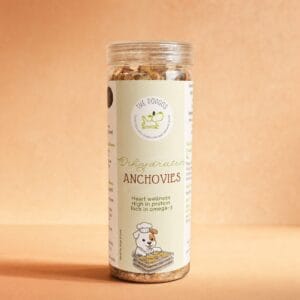
- Dehydrated Anchovies/Sardines: Pure Omega-3 Power: For a direct shot of DHA and EPA (the Omega-3s your dog can actually use best), just add Dehydrated Anchovies or Sardines to every meal. We always say go low on the food chain to avoid heavy metals, which makes these small fish just perfect. Plus, they offer a natural flavour boost. Dogs absolutely love ’em.
Pro Tip: And don’t just add these only when a hot spot pops up. Get them into your dog’s diet daily to keep that inflammatory balance healthy and that skin barrier strong. This, my friends, is your long-term prevention strategy. Seriously.
The Power of Novel Proteins
If your dog is always getting hot spots, food allergies could totally be a factor. Too much of common proteins like chicken can, over time, make them sensitive. So, maybe think about an elimination diet, using a novel (new) protein.
- Whole Dehydrated Quail: Our Dehydrated Whole Quail is what we call a “super-prey” and an amazing novel protein. Chances are, your dog’s immune system has never seen quail before, so it’s perfect for a system reset. Plus, the feathers actually do a “colon sweep,” naturally helping express anal glands and cleaning out the intestinal walls. That indirectly boosts their overall immune health. Win-win!
Boosting Immunity with Baobab Powder
Baobab Powder is an awesome immune shield, jam-packed with 5-6 times more Vitamin C than oranges, can you believe it? Vitamin C is super important for making collagen, which means strong skin and a flexible barrier. It also acts as a prebiotic, helping calm the gut down when you’re changing diets, and that’s big for overall immune function and, yep, skin health. A healthy gut? Often means healthy skin. Simple as that.
Hydration Matters
Dogs on fresh food diets naturally drink less water. And that’s totally NORMAL! Fresh food is about 70% water, compared to kibble’s measly 10%. Good hydration helps keep skin elastic and all those cells healthy. Which is a really good thing for kidney health and just feeling good overall.
Your Action Plan: The Doggos’ ‘Itchy Dog Reset’ Protocol
If your dog is always battling hot spots or just constantly itching, it’s time for a proper reset. Our “Itchy Dog Reset” protocol, which we based on our elimination diet principles, can really help calm that inflammation from the inside out.
- Initial Cleanse: Immediately do Step 1 and 2 (you know, trim, clean, dry, apply Baobab Oil).
- Dietary Shift (7-Day Transition): Slowly switch your dog over to this simple, anti-inflammatory meal.
- The Meal: One Dehydrated Whole Quail + 50g steamed green beans + 1 tsp Baobab Powder. No cooking needed for the quail, just rehydrate it if you want, or let them chew it dry. (I’ve seen this work with Indie dogs especially, they love the crunch!) And chewing? That actually releases endorphins, which can really calm an anxious, itchy dog down.
- Daily Balancers: Add your favourite Omega-3 source: 1-2 Dehydrated Anchovies or a drizzle of Hemp Seed Oil, following the dosage instructions, of course.
- Consistency is Key: Stick to this simple diet for at least 4-6 weeks. That gives their body time to calm down and the skin a chance to really heal.
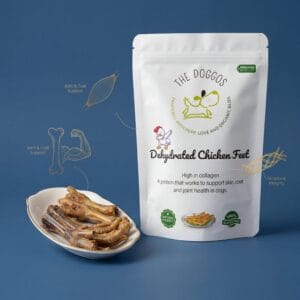
Remember: For cooked meals, always, always follow our “Cook the Meal, Dehydrate the Bone” method. Pressure cook your meat to kill any nasty pathogens (super important if you’re buying from Crawford Market or any local wet market), then DEBONE after cooking. NEVER, ever feed cooked bones, okay? They just shatter into dangerous splinters. Not worth it. For calcium and safe, satisfying chewing, always go for dehydrated bones like Chicken Feet or Mutton Trotters.
Common Mistakes Indian Dog Parents Make with Hot Spots
It’s easy to fall into traps when dealing with a painful problem like hot spots. Here are a few common slip-ups we see all the time:
- Ignoring the Diet Link: Many folks just focus on topical treatments without realizing the real culprit is often internal inflammation, all thanks to an unbalanced diet. You can spray and spray, but if the diet’s still fueling inflammation, those hot spots are just gonna come right back. Trust me.
- Over-Medicating Without Fixing the Cause: Endless vet visits for steroid shots or antibiotics might give some temporary relief, but they don’t actually get to the bottom of *why* your dog’s even getting hot spots. This can just lead to a cycle of dependency and a weaker immune system. Not good.
- Using Human Products: Human creams and ointments, especially if they’ve got fragrances or harsh chemicals, can irritate your dog’s sensitive skin even more, or worse, be toxic if they lick it off. Stick to stuff made for dogs, or natural, pet-safe options, always.
- Assuming “Heat” is Thermal: Believing chicken or eggs cause “heat” and then cutting out these vital proteins? That totally misses the point. It’s Omega-6 inflammation, easy to fix by just balancing the diet with Omega-3 and GLA. Don’t deprive your carnivore of their essential protein, yaar!
- Not Keeping the Area Dry: Especially in humid Indian weather, moisture is truly the enemy of healing. Leaving a hot spot damp after cleaning? That’s just a recipe for disaster and re-infection.
Dealing with hot spots can feel really tough, but with the right approach, you know? A mix of immediate first aid, targeted topical treatments, and a natural, anti-inflammatory diet that’s right for them, you can totally help your dog find relief and stop those future outbreaks. Remember this: a healthy gut and balanced nutrition are the absolute foundations of healthy skin.
Disclaimer: While I am a certified canine nutritionist and author of “The Desi Carnivore,” this info is just for learning, okay? Always, always talk to your vet for a proper diagnosis and treatment plan, especially if those hot spots are severe or just won’t go away.
Related Reading
- Read the complete Indian dog feeding guide.
- About the author: Mahiv Chhabra, certified canine nutritionist.