That little piece of gud, offered with love during Diwali or after a meal, seems so innocent. It’s natural, right? Made from sugarcane or palm sap, it’s often considered a healthier alternative to refined sugar for humans. But is jaggery safe for dogs in India? The answer is more nuanced than a simple yes or no, but generally leans towards no when it comes to regular feeding or significant amounts.
Quick Answer: Is Jaggery Safe for Dogs in India?
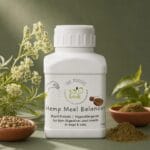
While jaggery (gud) is not acutely toxic to dogs in tiny, infrequent amounts, it is certainly not healthy or recommended for regular consumption. Jaggery is essentially concentrated sugar, leading to risks like obesity, dental problems, and pancreatitis. For Indian pet parents, it’s crucial to avoid common household sweets and opt for species-appropriate, low-sugar alternatives like Hemp Meal Balancer to truly support your dog’s health and ensure their home-cooked meals are complete.
What Exactly is Jaggery (Gud)?
Jaggery, or ‘gud’ as it’s known across India, is an unrefined natural sweetener made by boiling down sugarcane juice or palm sap. Unlike white sugar, it retains some molasses, minerals like iron and magnesium, and trace vitamins. This makes it a popular choice in Indian households for traditional sweets and everyday consumption, often perceived as a ‘healthier’ sugar.
However, regardless of its mineral content, jaggery is still 70-90% sucrose, a simple sugar. For humans, these trace minerals can be a minor benefit. For dogs, their digestive systems and metabolic needs are vastly different.
Why Jaggery is Not a Healthy Treat for Dogs
Despite its ‘natural’ label, jaggery poses several health risks for our canine companions. Here’s why I strongly advise against feeding it to your dog:
1. High Sugar Content Leads to Obesity and Diabetes
This is the most obvious and critical concern. Jaggery is sugar. Regular intake of any sugar, including jaggery, contributes to weight gain and obesity in dogs. Obesity is a gateway to a host of other health issues, including:
- Joint problems (exacerbating conditions like hip dysplasia)
- Heart disease
- Respiratory issues
- Increased risk of certain cancers
- Type 2 diabetes
Dogs, unlike humans, do not have the same metabolic pathways for processing high sugar loads efficiently. Their bodies are designed for protein and fat, not carbohydrates, especially simple sugars.
2. Dental Deterioration
Just like with humans, sugar is detrimental to canine dental health. Jaggery is sticky and can cling to teeth, promoting bacterial growth, plaque, and tartar buildup. This leads to:
- Bad breath (halitosis)
- Gum disease (gingivitis)
- Painful tooth decay
- Eventually, tooth loss
Dental disease is rampant in Indian dogs, often overlooked until it becomes severe. Feeding sugary treats like gud only accelerates this process. Instead, offer natural dental chews like Dehydrated Chicken Feet or Dehydrated Mutton Trotters that actually clean teeth.
3. Pancreatitis Risk
A sudden influx of high sugar or high-fat foods can trigger pancreatitis in dogs. The pancreas, responsible for producing digestive enzymes and insulin, can become inflamed, leading to severe abdominal pain, vomiting, diarrhoea, and lethargy. While jaggery is not high in fat, its sugar content can still stress the system, especially in dogs prone to digestive sensitivities.
4. Digestive Upset
Some dogs may experience immediate digestive upset from jaggery, including:
- Diarrhoea
- Vomiting
- Gas and bloating
This is particularly true for dogs with sensitive stomachs or those not accustomed to rich, sugary foods. Their short digestive tracts are not built to ferment complex carbohydrates or process large sugar loads.
The ‘Heat’ Myth vs. Sugar-Induced Inflammation
In India, I often hear pet parents say certain foods, like chicken or eggs, cause ‘heat’ in their dogs, leading to skin issues or lethargy. They might then seek ‘cooling’ foods. Interestingly, jaggery is often considered ‘warming’ in Ayurveda, which sometimes leads to confusion. However, what pet parents often attribute to ‘heat’ from chicken is actually an Omega-6 induced inflammation, not thermal heat.
When it comes to jaggery, its ‘warming’ property in humans relates to its metabolic effect. For dogs, a sudden sugar rush from jaggery can indeed cause a spike in blood sugar, followed by a crash, leading to lethargy. The inflammatory markers from high sugar can also contribute to skin irritations over time, mimicking what people mistakenly call ‘heat’.
As Mahiv Amit Chhabra, I’ve consulted with countless pet parents across Mumbai and Chennai. A common pattern I see is dogs with recurring ear infections or unexplained itching. Often, these dogs are on a diet of home-cooked chicken and rice, often supplemented with treats like Parle-G biscuits or even small pieces of jaggery. Once we eliminate these high-sugar, inflammatory foods and introduce proper Omega-3 balancers like Hemp Seed Oil or Dehydrated Anchovies, along with calcium from safe sources, the ‘heat’ symptoms magically resolve within weeks. It’s rarely about the protein being ‘hot’, and almost always about inflammation from unbalanced diets and sugary treats.
Why The Doggos Hemp Meal Balancer is a Superior Choice
Instead of empty sugar, focus on providing a truly balanced and nutrient-rich diet. This is where Hemp Meal Balancer shines. Many Indian home-cooked meals, while made with love, often miss critical nutrients, especially when relying on boneless chicken and rice. This balancer is formulated to turn a simple ‘survival meal’ into a ‘thriving meal’.
- Complete Amino Acid Profile: Hemp provides all essential amino acids, which are the building blocks of protein, ensuring strong muscles and overall vitality.
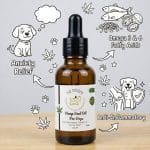
- Balanced Fats: It corrects the Omega-6:3 imbalance common in commercial chicken, reducing inflammation and supporting healthy skin and coat. The inclusion of GLA (Gamma-Linolenic Acid) is particularly beneficial for dogs with skin issues.
- Prebiotic Fibre: Aids digestion, promotes a healthy gut microbiome, and helps with nutrient absorption, leading to firmer, smaller stools.
- Essential Minerals: Provides vital minerals that might be lacking in a boneless, home-cooked diet, supporting overall health without the risks of sugar.
By adding Hemp Meal Balancer to your dog’s daily bowl, you are addressing nutritional gaps and actively promoting their long-term health, a far cry from the fleeting taste of jaggery.
Healthier & Safer Treat Alternatives for Your Dog
Instead of reaching for jaggery, consider these truly healthy and safe alternatives:
| Treat Option | Benefits for Dogs | Why it’s Better than Jaggery |
|---|---|---|
| Pumpkin (cooked, plain) | Rich in fibre, Vitamin A, digestive aid | Low sugar, high nutrients, supports gut health |
| Sweet Potato (cooked, plain) | Vitamins, fibre, complex carbs for energy | Low glycemic index, sustained energy, no sugar spike |
| Berries (blueberries, strawberries in moderation) | Antioxidants, vitamins, low sugar | Immune boost, natural sweetness without the crash |
| Apple Slices (no seeds) | Fibre, vitamins, crunchy texture | Dental benefits, low sugar, refreshing |
| Banana (small amounts) | Potassium, vitamins, natural sweetness | Energy boost, good for muscle function |
| The Doggos Peanut Butter (Xylitol-free) | Protein, healthy fats, enrichment | Specifically formulated for dogs, no harmful ingredients |
| The Doggos Pumpkin and Peanut Butter Biscuits | Balanced ingredients, training aid, enrichment | Healthy, portion-controlled, made with dog-safe ingredients |
Even with these healthy options, moderation is key. Treats should make up no more than 10% of your dog’s daily caloric intake. For more guidance on what to feed your dog, refer to our complete guide on what should I feed my dog.
Practical Guidance: How to Satisfy Sweet Cravings Safely
Dogs don’t actually crave ‘sweet’ in the same way humans do. Their taste receptors for sweet are less developed. What they often crave is the high-energy reward or the joy of a novel flavour. Here’s how to provide that safely:
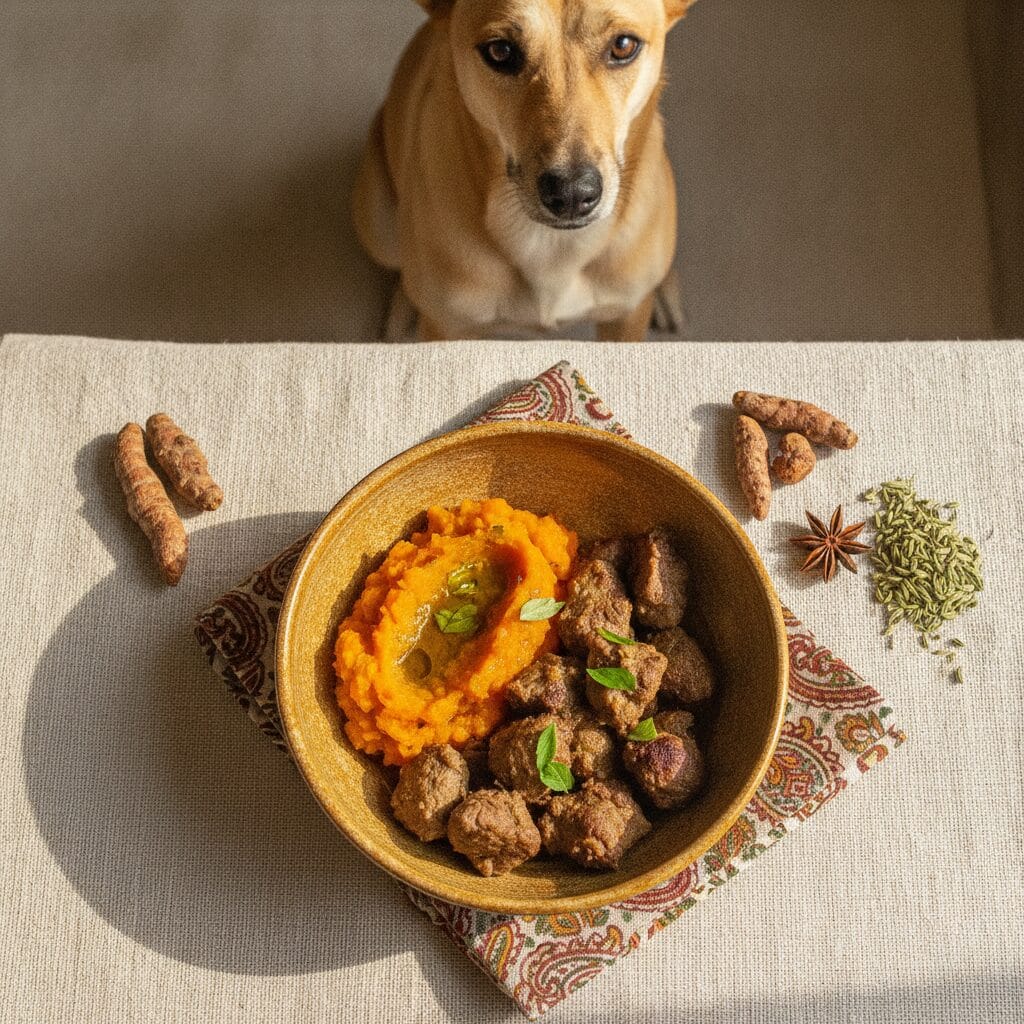
- Use Natural Fruit Purees: Mash a small amount of cooked pumpkin or sweet potato and mix it into their regular meal. This adds flavour and nutrients without added sugar.
- Offer Small Berry Portions: A few blueberries or a slice of strawberry can be a delightful, antioxidant-rich treat.
- Xylitol-Free Peanut Butter: A lick of The Doggos Peanut Butter on a Lickimat or stuffed into a toy provides mental enrichment and a safe, tasty reward. Always ensure it’s 100% xylitol-free, as xylitol is highly toxic to dogs.
- Home-Baked Dog Biscuits: If you enjoy baking, make your own dog biscuits using whole wheat flour, pumpkin puree, and xylitol-free peanut butter. This gives you full control over ingredients.
Common Mistakes Indian Pet Parents Make with Sweets
It’s easy to make mistakes out of love. Here are some common pitfalls I see among Indian dog parents:
- Sharing Festival Sweets: During Diwali, Holi, or other celebrations, it’s tempting to share mithai or laddoo with your dog. These often contain refined sugar, ghee, nuts, and sometimes even raisins (which are toxic). Resist the urge.
- Treating Dogs Like Humans: We project our own preferences onto our dogs. Just because we enjoy a sweet doesn’t mean it’s good for them. Their biology is different.
- Ignoring Ingredient Labels: Many commercial dog treats contain hidden sugars, artificial colours, and preservatives. Always read labels carefully. Opt for single-ingredient, dehydrated treats whenever possible.
- Believing ‘Natural’ Equals ‘Safe’: Jaggery is natural, but so are many toxic plants. ‘Natural’ does not automatically mean beneficial for a dog’s specific physiology.
Frequently Asked Questions About Jaggery and Dogs