
A pancreatitis diagnosis hits hard. That sudden vomiting, the sheer agony, the lethargy that drains your dog’s spirit. For us Indian pet parents, the first thought is always, “What can I feed my dog now?” Especially when our kitchens are usually brimming with rich, flavourful food.
Quick Answer: Low-Fat Indian Diet for Dogs with Pancreatitis
For a low-fat Indian diet for dogs with pancreatitis, you need to focus on gently cooked, lean protein. Think deboned chicken breast or very lean goat meat. Pair that with easily digestible carbs like well-cooked rice or pumpkin. And absolutely avoid all fatty cuts, skin, ghee, and high-fat treats. Crucially, ensure they still get essential nutrients. Use low-fat supplements like Bone and Organ Boost.
Understanding Pancreatitis in Dogs
Pancreatitis is the inflammation of the pancreas. It’s a vital organ tucked near the stomach. The pancreas does two main things: it makes insulin to control blood sugar, and it produces digestive enzymes to break down food, especially fats. When it gets inflamed, these digestive enzymes activate too early, right inside the pancreas. It’s like the organ starts digesting itself. This is incredibly painful and can be life-threatening.
What Causes Pancreatitis?
We don’t always know the exact cause. But several factors definitely increase the risk:
- High-Fat Meals: This is the biggest trigger. A sudden, large amount of fatty food – think Diwali sweets, fried snacks, or fatty meat scraps – can just overwhelm the pancreas.
- Obesity: Overweight dogs are more susceptible.
- Certain Medications: Some drugs can actually cause pancreatitis.
- Trauma or Other Diseases: Underlying health issues can sometimes play a part.
- Breed Predisposition: Miniature Schnauzers, Cocker Spaniels, and some terrier breeds are genetically more prone. But any dog can get it.
Symptoms often include severe vomiting, diarrhoea, abdominal pain – your dog might hunch their back – lethargy, fever, and a complete loss of appetite. If you suspect pancreatitis, get to the vet immediately. It’s critical.
Why a Low-Fat Diet is Non-Negotiable for Pancreatitis
Once diagnosed, diet management becomes the absolute cornerstone of recovery and prevention. The main goal of a low-fat diet is to reduce the workload on that inflamed pancreas. Since the pancreas is responsible for breaking down fats, feeding fatty foods will only make the inflammation and pain worse.
- Reduces Pancreatic Stress: Less fat means fewer digestive enzymes are needed. This allows the pancreas to rest and heal.
- Prevents Further Inflammation: High-fat meals are a direct trigger for acute flare-ups.
- Aids Digestion: Easily digestible, low-fat foods put less strain on the entire digestive system.
This isn’t a temporary fix. For many dogs, especially those with chronic pancreatitis, a strict low-fat diet becomes a lifelong commitment.
Designing a Low-Fat Indian Diet: Considerations for Pet Parents
Creating a low-fat diet for your dog in an Indian household takes careful planning. Our traditional cooking often uses ghee, oils, and rich gravies. These are absolute no-gos for a dog with pancreatitis.
Safe Protein Choices (Cooked and Deboned)
The Doggos method, “Cook the Meal, Dehydrate the Bone,” fits perfectly here, but with an even stricter focus on lean cuts and deboning.
- Lean Chicken: This is your best bet. Go for boneless, skinless chicken breast. Pressure cook it thoroughly with just water, then shred or mince. Remember, NEVER feed cooked bones, especially to a dog with pancreatitis. They splinter.
- Very Lean Mutton (Goat): If your dog tolerates it and you can find extremely lean cuts, goat can work. Trim off all visible fat meticulously. Mutton is a recovery meat and can be beneficial, but fat content is absolutely key.
- White Fish: Occasionally, small amounts of lean white fish (like Bombay Duck or Tilapia, steamed) can be offered. Just ensure it’s deboned and cooked without any oil.
Absolutely Avoid: Chicken skin, fatty chicken thighs, mutton fat, rich gravies, paneer (too much fat), egg yolks (high fat, use whites only sometimes), commercial dog food with high fat content.
Digestible Carbohydrates and Fibre
Carbohydrates provide energy, and fibre helps digestion. Choose wisely:
- Rice: Plain, well-cooked white rice is highly digestible. A small amount can be included to bulk up the meal. Check our guide on can dogs eat rice for proper preparation.
- Pumpkin: Steamed or boiled pumpkin (no spices) is an excellent source of soluble fibre and easily digestible carbohydrates. It’s also soothing for the gut.
- Sweet Potato: Similar to pumpkin, boiled sweet potato is a good option.
- Green Beans: Steamed green beans are low in calories and high in fibre.
Avoid: Roti, chapati, bread (high in gluten, can be inflammatory), lentils/dal (can cause gas and bloating, straining the digestive system), sugary fruits.
The “Heat” Myth and Pancreatitis
In India, many believe chicken or eggs cause “heat” in dogs, leading to skin issues. I’ve explained this before: what’s often seen as “heat” is usually inflammation from an imbalance of Omega-6 and Omega-3 fats, especially from corn-fed commercial chicken. For pancreatitis, *all* fats, good or bad, need to be severely restricted during recovery.
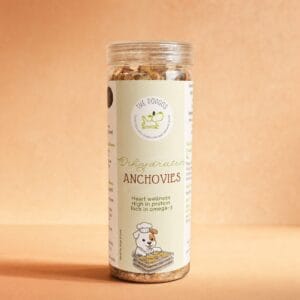
Once they are stable, very tiny, controlled amounts of Omega-3s from sources like Dehydrated Anchovies might be introduced. But only under veterinary guidance and careful observation. Even good fats need to be limited.
In my practice, I saw a young Indie dog in Kolkata suffering from recurrent pancreatitis flare-ups. His parents were feeding him home-cooked chicken, but it was often fatty cuts with the skin left on, sometimes even a spoonful of ghee for ‘health’. We switched him to strictly deboned, skinless chicken breast, well-cooked pumpkin, and a daily sprinkle of Bone and Organ Boost for vital nutrients. Within three months, his episodes stopped completely, and he regained his playful energy. It’s proof that precise dietary control makes all the difference.
The Role of Essential Nutrients and Supplements
When you restrict fat so severely, there’s a risk of nutrient deficiencies. This is where strategic supplementation becomes critical, especially with ingredients that are naturally low in fat but high in essential vitamins and minerals.
Bone and Organ Boost: Essential Support for Pancreatitis Recovery
My Bone and Organ Boost is specifically formulated to provide a concentrated source of vital nutrients without adding significant fat. This blend of dehydrated bone marrow, liver, and other organs is rich in:
- Taurine: Crucial for heart health. It’s especially important as dietary restrictions can sometimes impact this.
- Iron: To support red blood cell production, particularly if appetite has been poor.
- B Vitamins: Essential for energy metabolism and overall cellular function.
- Trace Minerals: Often lacking in highly restricted diets.
Adding a small, measured amount of Bone and Organ Boost to your dog’s low-fat meal ensures they are still getting complete nutrition. This is vital for healing and maintaining health during and after a pancreatitis episode. It’s a way to turn a survival meal into a thriving meal, even with severe dietary limitations.
Practical Low-Fat Indian Meal Plan for Pancreatitis
Here’s a simple, low-fat meal idea to get you started. Always introduce new foods slowly and monitor your dog for any adverse reactions. Consult your vet before making any drastic dietary changes.
Mahiv’s Low-Fat Chicken & Pumpkin Recovery Bowl
Ingredients:
- 200g boneless, skinless chicken breast
- 150g red pumpkin, peeled and diced
- 1/2 cup cooked white rice (optional, for energy)
- 1/2 tsp Bone and Organ Boost
- Water for cooking
Instructions:
- Wash the chicken breast thoroughly.
- Place chicken, pumpkin, and enough water to cover in a pressure cooker. Cook for 2-3 whistles until chicken is tender and pumpkin is soft.
- Once cooled, remove the chicken and shred it finely. Mash the pumpkin into a smooth puree.
- Combine shredded chicken, pumpkin puree, and cooked rice (if using) in a bowl.
- Sprinkle the Bone and Organ Boost over the meal and mix well.
- Serve once cooled to a lukewarm temperature.
Feeding Guidelines: Divide the total daily portion into 3-4 smaller meals. This reduces the load on the pancreas. Start with small amounts and gradually increase as tolerated.
Common Mistakes Indian Pet Parents Make with Pancreatitis Diets
Even with the best intentions, it’s easy to make mistakes that can trigger or worsen pancreatitis. Here are some common pitfalls:
- Feeding Fatty Table Scraps: A small piece of fried pakora, a spoonful of curry with ghee, or even a fatty piece of chicken skin can be devastating for a dog with pancreatitis.
- Assuming “Homemade” Means “Healthy”: Just because it’s home-cooked doesn’t mean it’s low-fat. Cooking bone-in chicken with skin, or adding oil/ghee, makes it unsuitable.
- Too Much Rice: While rice is good, excessive amounts can displace essential protein and other nutrients. Balance is key. Check our guide on can dogs eat rice for proper portioning.
- Not Deboning Properly: Pressure-cooked bones splinter. This is dangerous for any dog, but especially for one with a compromised digestive system.
- Using Commercial Treats: Many dog biscuits and treats are surprisingly high in fat or contain ingredients that can irritate the pancreas. Stick to plain, approved homemade options or specific low-fat, single-ingredient treats if absolutely necessary.
- Stopping the Low-Fat Diet Too Soon: Even after recovery, a dog prone to pancreatitis needs to remain on a carefully managed low-fat diet.
Frequently Asked Questions About Pancreatitis Diets
Can dogs with pancreatitis eat chicken?
Yes, dogs with pancreatitis can eat chicken, but it must be boneless, skinless chicken breast, thoroughly cooked (pressure cooked is ideal), and completely deboned. Avoid all fatty cuts like thighs or drumsticks, and never feed the skin.
What vegetables are safe for dogs with pancreatitis?
Safe vegetables for dogs with pancreatitis include plain, steamed or boiled pumpkin, sweet potato, green beans, and carrots. Ensure they are cooked without any oil, spices, or seasoning. These vegetables provide essential fibre and nutrients without adding fat.
How long does a low-fat diet last for pancreatitis?
For acute pancreatitis, a low-fat diet is critical during recovery and often continues for several weeks or months. For dogs with chronic or recurrent pancreatitis, a strict low-fat diet typically becomes a lifelong management strategy to prevent future flare-ups. Always follow your vet’s specific recommendations.
Are commercial low-fat kibbles good for dogs with pancreatitis?
While some commercial kibbles are formulated as “low-fat” prescription diets, they are still processed foods. I advocate for fresh, home-cooked meals as the gold standard for digestive health. Homemade low-fat diets, carefully prepared with lean proteins and controlled ingredients, offer superior digestibility and nutrient absorption compared to kibble, even for dogs with pancreatitis. Always discuss options with your vet.
My Final Thoughts on Pancreatitis Management
Managing pancreatitis in your dog is a journey that demands patience, vigilance, and a deep understanding of their dietary needs. It’s not just about avoiding fat; it’s about providing complete, balanced nutrition within those strict low-fat parameters.
By embracing the principles of the “Cook the Meal, Dehydrate the Bone” method, focusing on lean, digestible ingredients, and strategically using supplements like our Bone and Organ Boost, you can help your dog live a comfortable, happy life even with pancreatitis. This supplement ensures that while you’re restricting fat, you’re not compromising on the vital micronutrients your dog needs for repair and recovery.
Remember, a well-fed dog is a happy dog, and that holds true even for those with sensitive systems. For more insights into canine nutrition and my philosophy, feel free to visit my About Mahiv Chhabra page.