
Tick fever. Just hearing the words can make any dog parent in India break into a cold sweat. We’ve all seen a tick or two, right? But when your usually bouncy furball suddenly slows down, turns their nose up at food, or looks a little too pale, that’s when the real alarm bells go off. This isn’t just about spotting a creepy-crawly. No, this is a microscopic war happening inside your dog, and getting them back on their feet isn’t just about the right meds, it’s absolutely, crucially about feeding them right.
Look, tick fever in dogs is basically a catch-all term for nasty tick-borne diseases like Ehrlichiosis, Anaplasmosis, and Babesiosis. It’s serious stuff, needs a vet, pronto. But here’s the thing, medication alone often isn’t enough to get them truly, fully back to normal for good. A proper, nutrient-packed diet, one that focuses on cooked meats, specific supplements, and the right fats, that’s what’s key to rebuilding blood cells, kicking up their immune system, and getting that vitality back into your dog.
What Exactly is Tick Fever in Dogs?
Tick fever isn’t one disease. Nah, it’s a whole bunch of nasty illnesses, all caused by different blood parasites spread by tick bites. Here in India, the usual suspects are:
* **Ehrlichiosis:** Caused by the bacterium *Ehrlichia canis*, it goes after white blood cells. You’ll see things like fever, them being super tired, losing weight, or even nosebleeds.
* **Anaplasmosis:** Pretty similar to Ehrlichiosis. *Anaplasma phagocytophilum* messes with white blood cells, and *Anaplasma platys* hits platelets, which are super important for blood clotting.
* **Babesiosis:** This one, caused by *Babesia canis* or *Babesia gibsoni*, literally destroys red blood cells. That means severe anaemia, pale gums, dark pee, and honestly, if you don’t treat it, it can even lead to organ failure.
These diseases can pop up suddenly and severely (that’s acute) or hang around for ages (that’s chronic). So, catching them early and getting full care? Absolutely crucial.
Recognising the Red Flags: Symptoms of Tick Fever
As a dog parent in India, you’re your dog’s first line of defence. Seriously. Knowing the signs of tick fever can actually save a life. Watch out for these:
* **Fever:** Your dog might feel hot, pant a lot, or have red eyes. Just like us when we’re down with something.
* **Lethargy and Weakness:** Suddenly no energy, doesn’t want to play, or struggles to get up. My own Labrador, he just collapses if he’s not feeling well (and he’s usually a maniac!).
* **Loss of Appetite and Weight Loss:** Won’t eat, or you notice they’re getting thinner. Big red flag.
* **Pale Gums:** This is a big one for anaemia, especially with Babesiosis. Lift their lip. Gums should be a healthy pink, not white or super pale. If they’re white, you’ve got a problem.
* **Joint Pain and Lameness:** Walking funny, limping, or stiff, which is pretty common with Ehrlichiosis and Anaplasmosis. Can be heartbreaking to watch.
* **Nosebleeds (Epistaxis):** A classic sign of severe Ehrlichiosis. Happens because of low platelet count. Can look scary, but don’t panic, just get to the vet.
* **Dark or Reddish-Brown Urine:** Pee that looks dark or reddish-brown. This means red blood cells are getting destroyed in Babesiosis.
* **Swollen Lymph Nodes:** You might feel swollen glands, especially around their neck or behind the knees. Feel for little bumps.
If you observe any of these symptoms, especially a few together, please don’t wait. Get your dog to the vet, fast, for a proper diagnosis and treatment.
Why Tick Fever is a Desi Dog Parent’s Nightmare
Let’s be real. Living in India, we’ve got some unique challenges that make tick fever a constant headache. Our tropical, subtropical climate, all that humidity and warmth? It’s basically a tick paradise, year-round. Seriously. Our bustling wet markets (if you’re buying from Crawford Market, you know what I mean), lush green parks, and the sheer number of strays around (who are often tick carriers) means exposure is almost unavoidable, even for our pampered house pets.
Prevention through regular tick checks, topical meds, and oral preventatives is key. But even with all that, one single bite can still pass on these nasty parasites. Ugh. The true challenge, honestly, often kicks in *after* the diagnosis and initial treatment. That’s when your dog really needs to get their strength back and rebuild their whole system.
The Critical Role of Diet in Tick Fever Recovery
This is where the Desi Carnivore method really makes a difference. While medication attacks the parasites, it’s a diet that’s actually right for their species that rebuilds their body, supercharges their immune system, and helps them bounce back from the brink. No joke. This isn’t just about “soft food” for a sick dog, na? It’s about really smart, strategic nutrition.
Why Kibble Fails a Sick Dog
Most commercial kibble, even those fancy “prescription diets,” are packed with carbs (often 50-70%!), super low in moisture, and full of processed junk. For a dog recovering from tick fever, whose tummy is already messed up and whose body needs to quickly make new blood cells and fix tissues, feeding them kibble is honestly like asking them to run a marathon on an empty stomach. Doesn’t make sense, does it?
Remember, dogs are carnivores. Their saliva doesn’t even have the amylase to properly digest starches *before* it hits the stomach. And their short digestive tract? It’s built for fast protein processing, not for fermenting grains. Kibble’s low digestibility (about 80% compared to a whopping 90-94% for fresh food) means more waste, less good stuff absorbed, and just unnecessary strain on an already weak system. Who needs that? Plus, the low moisture content means a sick dog has to drink more, and let’s be real, a sick dog often doesn’t feel like drinking a lot.
The “Heat” Myth and Omega-6 Inflammation
A lot of Indian parents believe certain meats, especially chicken, cause “heat” or skin issues. Honestly, I’m here to tell you: that’s not thermal heat. It’s **Omega-6 induced inflammation**. Big difference. Commercial Indian chicken, fed on corn and soy, has a terrible Omega 6:3 ratio, often 20:1 or even 30:1. Just awful. This floods your dog’s system with inflammatory markers. This leads to all that paw licking, hot spots, and itching that everyone wrongly blames on “heat.” I get so many DMs about this, you wouldn’t believe.
For a dog recovering from tick fever, inflammation is absolutely the last thing they need. Think about it. Their body’s already fighting a war. Adding to that burden with a diet that *causes* inflammation? That just actively slows down recovery. This is why balancing fats is non-negotiable. Period.
The Doggos Recovery Approach: Cooked Meat, Dehydrated Bones & Functional Superfoods
My core philosophy, “Cook the Meal, Dehydrate the Bone,” is especially important for a sick dog here in India. You absolutely can’t risk raw meat from our wet markets, not with the bacteria thriving in our humidity. Just can’t do it. Cooking kills pathogens. But you also can’t feed cooked bones, yaar. They splinter dangerously. A real hazard. And that’s why dehydrated bones are basically the perfect, Goldilocks solution.
Iron, Zinc, and Protein: The Building Blocks for Recovery
Tick fever, especially Babesiosis, absolutely wrecks their red blood cell count. That means severe anaemia. So, your dog desperately needs high-quality, easy-to-absorb iron and protein to rebuild their blood and muscle.
* **Mutton (Goat):** I call this “recovery meat” for a reason. Compared to chicken, goat has three times the iron and four times the zinc. These are super important minerals for rebuilding platelets and red blood cells. It’s also considered a “warming” protein in Ayurveda, which is just perfect for perking up a tired dog. A lot of dogs who can’t handle chicken also do really well with goat. Something to keep in mind, right?
* **Organ Meats:** Liver, heart, and kidney are absolute nutritional powerhouses. Liver is packed with Vitamin A, B vitamins, and iron. Heart is rich in taurine, super important for a healthy heart. Our Bone and Organ Boost is an easy way to add these crucial nutrients, especially taurine and iron, to your dog’s recovery diet.
Balancing Inflammation: The Omega-3 Advantage
To fight off the inflammatory effects of commercial chicken (if you’re using it, and we know it’s cheap to get from your neighbourhood butcher, but be aware!) and to help with overall cell healing, Omega-3 fatty acids are a must-have.
* **Hemp Seed Oil:** This is my absolute favourite. It’s rich in GLA (Gamma-Linolenic Acid), a rare Omega-6 that *acts* like an Omega-3, actively brings down inflammation. It helps repair the skin barrier, reduces itching, and even has a mild calming effect, which is really great for a stressed, sick dog. Who isn’t stressed when they’re sick? For vegetarian households, it’s a total godsend as a plant-based Omega-3 source. You can find high-quality Hemp Seed Oil on our site.
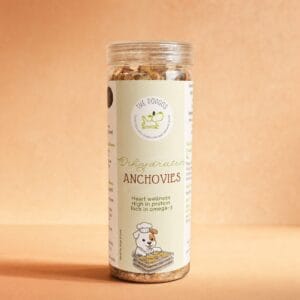
* **Dehydrated Anchovies/Sardines:** These small, short-lived fish are low on the food chain, so you don’t have to worry about heavy metal build-up. They are packed with DHA, super important for brain health and all those anti-inflammatory benefits. And they’re not just “toppers” for flavour. No, they’re “balancers” for any meat-heavy diet. Our Dehydrated Anchovies are odour-controlled and easy to add.
Gut Health and Immune Support
A sick dog’s gut is often pretty messed up, affecting how well they absorb nutrients and their overall immunity. Makes sense, right?
* **Baobab Powder:** This African superfood is absolutely incredible. It has 5-6 times more Vitamin C than oranges, which is a huge immune shield and helps build collagen for strong tissues. And it’s also a powerful prebiotic fibre, which helps settle their tummy and feed those good bacteria during recovery. Honestly, a pinch of Baobab Powder can truly make a world of difference.
* **Gentle Fibres:** Cooked red pumpkin or sweet potato offer easily digestible fibre and important vitamins, which helps firm up their poop and gives them energy without making their blood sugar go crazy.
Practical Section: Your Dog’s Tick Fever Recovery Diet Plan
Recovery isn’t just about the medication; it’s about rebuilding. Literally. Here’s how to feed your dog back to health the Desi Carnivore way.
The “Mutton Strength Stew” Recipe for Tick Fever Recovery
This recipe is super nutrient-dense, easy to digest, and packed with everything your dog needs to fight back. It’s a powerhouse.
**Ingredients:**
* 500g Goat Curry Cut (bone-in is fine, as we will debone after cooking)
* 100g Sweet Potato (peeled and chopped)
* 50g Spinach (fresh, wilted in residual heat)
* 1 tsp Turmeric Paste (natural anti-inflammatory)
* 1 tsp Hemp Seed Oil (added after cooling)
* 1 tbsp Dehydrated Anchovies (crushed, added after cooling)
* 1 tsp Bone and Organ Boost (added after cooling)
**Instructions:**
1. **Wash the Mutton:** Rinse the goat curry cut really well with turmeric water (a natural antiseptic) to get rid of any grime or surface stuff from the market. You know how it is.
2. **Pressure Cook:** Place the mutton and chopped sweet potato in a pressure cooker with just enough water to cover everything. Don’t drown it. Add the turmeric paste. Cook for 4-5 whistles until the meat is falling off the bone and the sweet potato is mushy.
3. **DEBONE:** This is CRITICAL. Seriously. Once cooked, let the mixture cool enough to handle. **NEVER, ever feed cooked bones. Got it?** High heat makes bones brittle; they splinter into sharp, jagged pieces that can perforate your dog’s intestines, which can lead to fatal peritonitis. It’s terrifying. Carefully remove ALL bones. This is non-negotiable for safety. Your dog’s life depends on it.
4. **Mash and Mix:** Mash the sweet potato and shredded mutton into the broth to create a nice, uniform, palatable stew. No big chunks, please.
5. **Add Spinach:** While the stew is still warm (but not scalding), add the fresh spinach and stir until it wilts.
6. **Cool and Supplement:** Allow the stew to cool completely. Once cooled, stir in the Hemp Seed Oil, crushed Dehydrated Anchovies, and Bone and Organ Boost. These sensitive nutrients shouldn’t get blasted by high heat. We want them potent!
7. **Serve:** Offer small, frequent portions throughout the day.
The Doggos Difference for Recovery: Functional Treats & Supplements
Beyond the main meal, strategic use of our functional treats can significantly aid recovery:
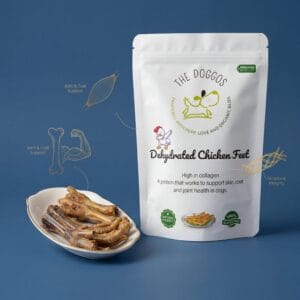
* **For Joint & Bone Health:** Tick fever can really take a toll on joints. While the main meal provides some calcium (if you add eggshell powder or our Bone & Organ Boost), a Dehydrated Chicken Foot or a small piece of Dehydrated Mutton Trotter (once your dog’s appetite returns and they can chew) offers natural glucosamine, chondroitin, and collagen. All the good stuff. Remember, dehydration keeps that porous bone structure, so they crumble safely, unlike those dangerous splintering cooked bones. That’s the secret!
* **For Mental Enrichment:** A sick dog can get super bored and stressed out. It’s tough. Chewing on a safe, dehydrated chew like a Mutton Trotter or Goat Ear releases endorphins, giving them some much-needed mental stimulation and stress relief. A good chew works wonders (I’ve seen this work with Indie dogs especially).
* **For Rapid Nutrient Boosts:** Our Hemp Meal Balancer can be sprinkled into any meal to make sure they get a complete amino acid profile and extra prebiotic fibre, turning a ‘just surviving’ meal into a ‘thriving’ meal. What a difference!
Feeding Schedule & Tips
* **Small, Frequent Meals:** A sick dog’s stomach can’t handle large meals. Offer 3-4 small meals throughout the day instead of 1-2 large ones.
* **Hydration is Key:** Encourage water intake. Fresh food is 70% water, which helps, but always have fresh water available. You can also offer bone broth (made separately, deboned) for added hydration and nutrients.
* **Monitor Stool:** Expect changes as the gut recovers. Mucus in stool around Day 3-4 of diet change is often normal (their gut shedding its old lining, totally normal). A pinch of Baobab Powder can help settle the gut.
* **Patience:** Recovery takes time. Be consistent with the diet and medication.
Common Mistakes Indian Dog Parents Make During Tick Fever Recovery
Despite the best intentions, I see these mistakes happening far too often. And it breaks my heart, honestly:
1. **Feeding Only Rice and Curd:** While gentle on the stomach, this diet is seriously lacking in essential amino acids, iron, zinc, and calcium. Big problem. It creates a critical calcium-to-phosphorus imbalance. Meat is high in phosphorus, right? But without enough calcium, it actually leaches calcium from your dog’s bones over time, leading to osteopenia or something called “Rubber Jaw” syndrome. Scary stuff. It’s a survival diet, not a recovery diet. And we want them to thrive, not just survive!
2. **Continuing Kibble:** As we discussed, kibble is hard to digest and just plain poor in nutrients for a sick, recovering carnivore. Time to ditch it.
3. **Feeding Cooked Bones (Especially Chicken Bones):** This is a life-threatening mistake. Seriously. I cannot stress this enough, yaar: **COOKED BONES SHATTER INTO SHARP SPLINTERS.** If you pressure-cook chicken with bones and feed it to your dog, you’re putting them at extreme risk of internal perforations. We’re talking emergency surgery, or worse. Always, always debone cooked meat. No exceptions.
4. **Ignoring the Omega-6:3 Balance:** Believing “chicken causes heat” and stopping a perfectly good protein source instead of just balancing its fat profile with Omega-3 sources like Hemp Seed Oil or Anchovies. Honestly, most vets won’t tell you this, but it’s such an easy fix.
5. **Giving Human Medicines Without Vet Consultation:** Never, ever do this. Please. Always follow your vet’s advice for medication. They’re the experts here.
FAQ: Your Tick Fever Questions Answered
Can dogs recover completely from tick fever?
Yes, with prompt veterinary treatment and a strong, species-appropriate recovery diet, most dogs can absolutely make a full comeback from tick fever. But, some really severe cases, or those where treatment was delayed, can unfortunately lead to chronic issues or long-term organ damage. A solid diet really helps lessen those risks, you know?
What foods are best for a dog with tick fever?
The best foods are super digestible, packed with nutrients, and rich in easy-to-absorb protein, iron, and zinc. Cooked goat meat, organ meats, and balanced Omega-3 fats (from sources like Hemp Seed Oil or Dehydrated Anchovies) are pretty much ideal. Definitely steer clear of high-carb, processed stuff like kibble. Your dog doesn’t need that when they’re down.
Why is my dog not eating after tick fever?
Loss of appetite (anorexia) is a super common symptom of tick fever itself and can stick around during recovery because they’re still weak, feeling sick from meds, or just generally feeling crummy. Offering small, frequent portions of super tasty, aromatic, and nutrient-packed cooked meats can really help get their appetite going. Adding a pinch of Baobab Powder can also help their gut feel better. A happy tummy is a hungry tummy!
How long does it take for a dog to recover from tick fever?
The recovery timeline really varies a lot depending on how severe the infection was, the specific type of tick fever, your dog’s overall health, and how consistent you are with treatment and diet. While initial symptoms might get better within a week or two of medication, full recovery, including rebuilding all those blood cells and getting their strength back, can take several weeks to even a few months. So, patience is key.
Is tick fever contagious to humans or other dogs?
No, tick fever (Ehrlichiosis, Anaplasmosis, Babesiosis) is not directly contagious from dogs to humans or other dogs, thank goodness. It needs a tick to pass it on. However, humans can get similar tick-borne diseases from infected tick bites. So, always practice good tick prevention for both your pets and yourself. Stay safe, everyone!
Bring Back the Bounce: The Desi Carnivore Way
Watching your dog battle tick fever is absolutely heartbreaking. But remember, you absolutely have the power to fuel their recovery. Not just with medicine, but with real, wholesome food. That’s big. Here at The Doggos, we believe in empowering you with the knowledge and the right products to give your desi carnivore the very best chance at a full, vibrant life. Our “Cook the Meal, Dehydrate the Bone” philosophy, combined with functional superfoods, is designed to support your dog through every single challenge, even the really tough battles like tick fever.
Explore our range of dehydrated treats, Hemp supplements, and Baobab products to support your dog’s journey to optimal health. For more detailed guidance, check out our comprehensive feeding guide or our homemade dog food recipes for India.
*Disclaimer: I am a certified canine nutritionist, not a veterinarian. This information is for educational purposes and should not replace professional veterinary advice. Always consult your vet for diagnosis and treatment of medical conditions like tick fever.*