
Every Indian pet parent I meet has asked me this at some point: "Mahiv, should I feed my dog raw meat or cooked meat? The internet says raw is best, but my local butcher's chicken looks… questionable." It's a super valid, really important question, and the answer, especially for us here in India, isn't quite as straightforward as a quick Google search makes it sound.
Raw Meat vs. Cooked Meat for Dogs India: The Doggos Method for Safety & Nutrition
For dogs in India, the safest and the approach that truly suits their biology best is gently cooked meat combined with dehydrated bones. While raw feeding aligns with a dog's primal biology, it carries hygiene risks that are just too high, frankly, in Indian home environments. That's because of our specific Indian market conditions and climate, na? Our "Cook the Meal, Dehydrate the Bone" method gives you both safety and top-notch nutrition.
The Carnivore Truth: Why Dogs Need Meat, Period.
Let's get one thing straight: dogs are carnivores. Genetically, they're 99.9% wolf. Their digestive system is an absolute marvel, built to handle meat, bone, and organs:
- Stomach Acid: A dog's stomach pH is super acidic (1-2, compared to a human's 4-5). This acid is a total powerhouse. It dissolves bone, breaks down tough proteins, and sterilises food, wiping out most bacteria.
- No Salivary Amylase: Unlike us, dogs don't have amylase enzyme in their spit. Nope. This means they can't pre-digest carbohydrates. When you feed your dog a roti, it hits their stomach basically "whole," which really makes their pancreas work overtime.
- Short Intestines: Their gut is short (food zips through in 12-30 hours). It's built for quickly processing protein and fat, not for fermenting grains or plants, you know?
So, sure, biologically speaking, yes, a dog is built for raw prey. But here's the thing, for us Indian pet parents, the real tough call isn't about biology at all. It's about practical, everyday safety.
The Hygiene Gap: Why Raw Feeding is a Risk in Indian Homes
This is where "The Desi Carnivore" method really breaks away from what you hear about raw feeding in the West. The conditions in India are just plain different:
- Indian Wet Markets vs. European Supermarkets: Our local wet markets, while vibrant and offering fresh cuts, run with totally different hygiene standards than a climate-controlled European supermarket. The ambient humidity in cities like Mumbai or Chennai, especially during monsoon season, turns into a bacteria party, you know? Salmonella and E.coli can pop up in minutes.
- Cross-Contamination is Real: Picture this: your dog drags that raw bone onto your living room rug. Holds it between their paws. Then, what? Licks your face. Or your child's hand. Yeah. The risk of those raw meat germs spreading to humans, particularly kids, elderly folks, or anyone with a weak immune system, is a HUGE deal. We simply can't ignore it, ethically speaking.
- The Stomach Acid Buffer: While a dog's powerful stomach acid can indeed neutralise many pathogens, just relying on that stomach acid when the meat itself is already loaded with bacteria? That's really pushing our luck, isn't it? And it doesn't even count the germs on everything that raw meat touches before it even makes it to their bowl.
We love the concept of raw feeding for how well it fits their biology, but honestly, in a real Indian home, cooking that meat? It's just non-negotiable for everyone's safety.
It's a tough pill to swallow, but sometimes, what's ideal in theory just isn't safe in practice.
The Doggos Method: Cook the Meal, Dehydrate the Bone
So, what's the solution? Our unique "Cook the Meal, Dehydrate the Bone" method offers the best of both worlds: safety and nutrition that's just right for their species.
1. Cook the Meat: Gentle & Safe
We say you should gently home-cook the meat, typically in a pressure cooker. This really wipes out those harmful bacteria like Salmonella and E.coli, making the meal safe for your home and your family, without really messing with the nutrition your dog needs most.
2. Debone After Cooking: A Critical Safety Warning
This is the trap many well-meaning Indian pet parents fall into, and it's super important to get this straight: NEVER feed your dog cooked bones. High heat, like that from pressure cooking or boiling, makes bones brittle. These brittle bones can shatter into sharp, jagged splinters that can easily perforate your dog's intestines, leading to a deadly infection called peritonitis. I've seen far too many heartbreaking cases that started with a simple pressure-cooked chicken leg with the bone left in.
3. Dehydrated Bones/Chews for Calcium & Dental Health: The Goldilocks Solution
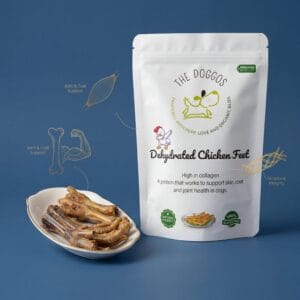
So, if cooked bones are dangerous, and raw bones are a hygiene risk, how do we provide essential calcium and dental benefits? Enter dehydrated bones and chews. Dehydration is a low-temperature, long-duration process (20+ hours) that removes moisture while keeping the bone's natural, porous structure intact. This means dehydrated bones, like our Dehydrated Chicken Feet, will crumble into a safe, chalky powder when chewed. No sharp splinters here. They are the "Goldilocks" solution: not raw (hygiene risk), not cooked (splintering risk).
And hey, beyond being safe, they're loaded with essential minerals. Plus, they act like tiny natural toothbrushes, scraping away plaque and tartar. Win-win. For more on safe bone feeding, read my detailed guide on Can Dogs Eat Bones?
Nutritional Debate: Bioavailability & Heat-Sensitive Nutrients
Some raw feeding proponents argue that cooking destroys enzymes and heat-sensitive nutrients. While it's true that some enzymes are changed by heat, a dog's stomach acid is the primary "cooker" for raw food, breaking down enzymes anyway. Look, dogs actually make their own digestive enzymes. Most of the important stuff – proteins, fats, vitamins, minerals – stays super easy for them to absorb even after a gentle cook.
In fact, fresh food, whether gently cooked or raw, is way, way better than kibble. No contest. Fresh food, cooked or raw, gets digested 90-94% of the time, while kibble barely hits 80% (Journal of Animal Science, 2021, just so you know). This means your dog absorbs more nutrients and produces smaller, firmer stools. And who doesn't want smaller, firmer poops, right? Total win!
The Two Golden Rules of Every Desi Carnivore Bowl
Once you've safely cooked your meat, two really important nutritional balances need fixing:
1. Calcium:Phosphorus Ratio Must Be 1.2:1
Meat is rich in phosphorus, but often low in calcium. A diet of just boneless chicken and rice, over time, will literally steal calcium from your dog's own bones, leading to nasty health problems, like osteopenia or what's called "Rubber Jaw" syndrome. This is a common mistake I see with well-meaning Indian pet parents.
- The Fix: So, what's the fix? You've got to add safe calcium. Dehydrated bones, like our Chicken Feet or Whole Quail, are just perfect. Or, you can go for calcium citrate, or even just a tiny bit of finely ground eggshell powder.
2. Omega-6:3 Balance for Anti-Inflammation
Commercial chicken in India is typically corn/soy-fed, resulting in a crazy high Omega-6:3 ratio (often 20:1 to 30:1, compared to an ideal 7:1 for pasture-raised meat). And this imbalance basically floods your dog's body with stuff that causes inflammation, leading to all those common problems our Indian dogs get: paw licking, hot spots, chronic ear infections, and that "mystery" itching.
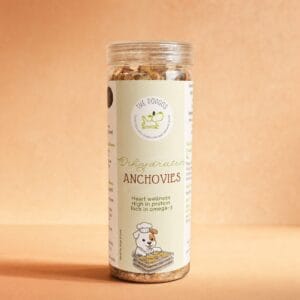
- The Fix: So, you HAVE to add Omega-3 to every chicken meal. Hemp Seed Oil, which is full of anti-inflammatory GLA, is a great plant-based choice. Or, try Dehydrated Anchovies for a powerful marine Omega-3 punch. These aren't just some fancy "toppers"; they're essential "balancers." Big difference.
The "Heat" Myth: It’s Inflammation, Not Temperature
Many Indian households believe chicken or eggs cause "heat" in dogs, leading to rashes or stomach upsets, an idea that comes from Ayurveda or TCM. Honestly, as a canine nutritionist, I can tell you what you're seeing isn't actual "heat." It's almost always inflammation, thanks to too much Omega-6. The high Omega-6 content in commercial chicken kicks off an inflammatory reaction. Balancing the fats with cooling Hemp Seed Oil or fish oil clears up these symptoms. No need to stop feeding them that good protein, yaar.
Crafting The Perfect Desi Carnivore Bowl
Here's how to put it all together, basically our "Golden Chicken Bowl" recipe, but simplified:
- Pressure Cook Your Protein: Take 500g chicken thighs (bone-in, skin-on – that's for taurine, by the way) and 50g liver (super important for Vitamin A). Give them a good wash with turmeric water (it's a natural antiseptic, you know). Pressure cook for 2-3 whistles.
- Debone, Always: Once cooked and cooled slightly, carefully debone that chicken. And this? This is non-negotiable.
- Add Veggies & Fibre: Mash in 100g red pumpkin (so good for fibre and digestion) into the broth.
- Balance & Boost: Once cooled, mix in your balancers. Add a scoop of Hemp Meal Balancer (that helps fix amino acid and fat issues), and a drizzle of Hemp Seed Oil for those vital Omega-3s and GLA.
- Calcium Source: Serve it up with a Dehydrated Chicken Foot on the side. That's for calcium and keeping those teeth clean.
This simple meal transforms a basic chicken and veggie meal into a thriving, balanced diet, made just for our Indian conditions.
Common Mistakes Indian Pet Parents Make
Here are the common mistakes to steer clear of when deciding between raw and cooked meat for your dog in India:
- Feeding Cooked Bones: Like we talked about, super dangerous. Can be fatal.
- Unbalanced Home Diets: Simply feeding chicken and rice without thinking about the calcium:phosphorus ratio or Omega-6:3 balance? That'll cause long-term health issues down the line.
- Believing the "Heat" Myths: Don't stop feeding good proteins like chicken just because of "heat." Most times, it's not needed. Just fix that Omega-6 imbalance instead.
- Ignoring the Hygiene Gap: Thinking raw feeding is safe in an Indian home without going to almost impossible lengths to sterilise everything. It's just not realistic.
- Giving Processed Treats: Reaching for Parle-G or Marie biscuits instead of treats that actually do something good for your dog. Those biscuits? Full of sugar and maida. They'll rot teeth, plain and simple. A Dehydrated Chicken Foot is a way, way healthier, more beneficial swap. Seriously. (My Lab goes crazy for these.) Want to know more? Check out my guide on Are Dehydrated Treats Good for Dogs?
My Final Word
I'm Mahiv Amit Chhabra, a certified canine nutritionist and the author of "The Desi Carnivore." My whole goal is to give Indian pet parents knowledge that's not just scientifically solid, but also makes sense for our culture. The debate of raw meat vs cooked meat for dogs in India isn't some academic discussion, na? It's about your beloved family member's health and safety. Period. Choose wisely, choose safely, choose The Desi Carnivore way.
While this guide provides full nutritional advice, always, always check in with your trusted veterinarian for any specific health concerns or before making big changes to your dog's diet, especially if they have pre-existing medical conditions.
For more insights into feeding your dog the right way, explore my full guide on What Should I Feed My Dog?
Related Reading
- Read the complete Indian dog feeding guide.
- About the author: Mahiv Chhabra, certified canine nutritionist.