
Walk into pretty much any Indian home with a dog, and what do you usually see? A little cube of paneer being offered. It’s a super common sight, isn’t it? Our furry friends give us those big, pleading eyes as we tuck into our delicious Indian curries, and honestly, it’s just natural to want to share a bit of our favourite food. But hold on a minute. Before you slice off another piece, let’s get real. Does paneer truly belong in your dog’s bowl?
So, can dogs eat paneer? Look, yes, they *can* have it. But only in tiny, occasional amounts, purely as a treat. It’s really not an ideal or even a species-appropriate food for your dog. While it’s not outright poisonous, paneer is dairy, right? And most dogs are actually lactose intolerant. That makes it a big potential trigger for tummy troubles. More crucially, it just doesn’t fit a dog’s carnivorous diet. And it certainly isn’t a balanced source for important stuff like calcium.
The Desi Carnivore’s Take: Paneer and Your Dog’s Biology
As The Desi Carnivore, I always circle back to biology. Your dog, I don’t care if it’s a majestic Rajapalayam or a playful Shih Tzu, is basically 99.9% wolf on the inside. What does that tell us? They’re biologically wired to be carnivores. Their whole digestive system? Built for meat. Not dairy. Simple as that.
- Stomach pH: Dogs have super acidic stomach acid (we’re talking pH 1-2 here). That’s perfect for ripping through raw meat and bone, and for killing off bacteria. It’s a huge difference from humans (pH 4-5) or even cows, whose milk, you guessed it, paneer comes from.
- No Saliva Amylase: Unlike us, dogs don’t have amylase in their saliva. This is the enzyme that kicks off carb breakdown right in your mouth. So, when your dog eats paneer, or a bit of roti, or any carb really, it lands in their stomach pretty much “whole.” And that puts a lot of extra strain on their pancreas.
- Short Intestines: Their digestive tract is short, like really short (things move through in 12-30 hours). It’s built for quickly processing protein and fat. Not for fermenting plants or trying to handle dairy sugars.
So, biologically speaking, dairy stuff like paneer just isn’t what a dog’s natural diet should look like. Sure, a lot of dogs can handle tiny bits, but it’s crucial to grasp the potential negatives here. And why it’s definitely not a healthy regular food.
What’s in Paneer? A Nutritional Breakdown
Paneer is essentially fresh cheese made from curdled milk, typically cow or buffalo milk, without the use of rennet. Here’s a quick look at its nutritional profile per 100 grams:
| Nutrient | Approximate Value (per 100g) | Why it matters (or doesn’t) for dogs |
|---|---|---|
| Protein | 18-20g | Good protein, sure, but not as complete or easy for a carnivore to use as meat is. |
| Fat | 20-25g | Lots of fat. This can be a real issue for dogs who get pancreatitis easily or struggle with weight. |
| Calcium | 200-250mg | Yep, it’s got calcium. But it misses the balanced phosphorus ratio you find in bone. So, it’s not a full calcium source for dogs. |
| Phosphorus | 150-180mg | It’s there, but the Ca:P ratio isn’t quite right (needs to be 1.2:1 for dogs). |
| Lactose | Varies, usually low but present | The big red flag, yaar. Most adult dogs just can’t handle lactose. |
| Vitamins/Minerals | Small amounts of Vitamin A, B vitamins, zinc | Not a main source for these, especially compared to meat and organs. |
The Lactose Problem: Why Most Dogs Can’t Handle Paneer
Here’s the thing, this is probably the biggest hurdle when you’re thinking about feeding paneer. Puppies actually make lactase (that’s the enzyme for digesting milk lactose), but most adult dogs? They lose that ability once they’re weaned. What does that mean? They just can’t properly break down the lactose, that milk sugar, you find in dairy stuff.
When that undigested lactose hits the large intestine, it just ferments away. And that means you’re looking at things like:
- Diarrhoea
- Vomiting
- Bloating and gas
- Tummy aches
Even if paneer has a bit less lactose than regular liquid milk, it still packs enough to really mess with sensitive dogs. Ever given your dog paneer and then noticed loose stools or a lot of gas? Yep, lactose intolerance is almost certainly the reason.
The Calcium Myth: Paneer is NOT a Balanced Bone Replacement
A lot of Indian pet parents genuinely think paneer is a fantastic calcium source for their dogs. And sure, it does have calcium. But honestly, this is a dangerous myth, na? It can actually cause some really serious health problems down the line. Here’s the lowdown on why:
The Golden Rule of Every Bowl: Calcium:Phosphorus Ratio
For your dog, the absolute ideal calcium to phosphorus (Ca:P) ratio in their diet needs to be 1.2:1. Think about it: Meat is loaded with phosphorus, but it’s pretty low on calcium. Bones? They’re packed with calcium. So, if you’re feeding a diet that’s heavy on meat (and light on bone), you’re going to end up with a messed-up Ca:P ratio. That means a phosphorus overload.
If you’re doing a boneless home diet (like just chicken and rice, or chicken and paneer) and not adding a proper calcium source, your dog’s body actually starts stealing calcium from its *own* bones. It’s trying to balance out that phosphorus, you see. And over months and years, what happens? You get:
- Osteopenia: Basically, bones that get weaker.
- “Rubber Jaw” Syndrome: This is a really severe calcium deficiency. The jaw bone gets so soft, you can literally bend it. Terrifying.
- Joint Issues: Weakened bones, weakened ligaments. Nobody wants that.
Paneer, even though it has some calcium, just doesn’t hit that correct Ca:P ratio to stand in for bone. It won’t stop these problems. Not even close. For that, you need actual bone.
The Doggos Solution: Dehydrate the Bone
Okay, so this is where our “Cook the Meal, Dehydrate the Bone” idea really shines. Please, for the love of your dog, NEVER feed them cooked bones from your kitchen. Seriously. High heat, like when you’re pressure cooking, makes bones brittle. They just shatter into these sharp, jagged splinters. And those can literally pierce your dog’s intestines, causing fatal peritonitis. It’s a life-or-death safety rule, and honestly, a lot of well-meaning Indian parents break it without even realising.
Our answer for getting safe, easily usable calcium and phosphorus? Dehydrated bones. Dehydration (that’s a low-temperature, long process, by the way) keeps the bone’s porous structure totally intact. So, when your dog chews them, they just crumble into this safe, chalky powder. Super easy for their strong stomach acid to digest. This gives you that crucial calcium, in exactly the right ratio, without the raw bone hygiene worries or the splintering hazard of cooked bones.
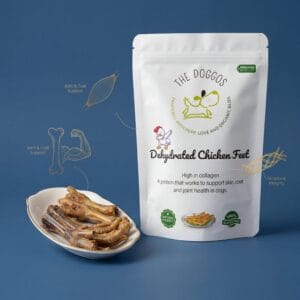
For safe calcium, seriously check out our Dehydrated Chicken Feet (they’re also packed with glucosamine, great for joint health!) or our Dehydrated Whole Quail. That’s a full, whole-prey calcium source right there.
The “Heat” Myth: Paneer, Chicken, and Omega-6 Inflammation
Here in India, we hear it all the time: certain foods, like chicken or eggs, cause “heat” in the body, which then leads to rashes or itching. And some folks might even switch to paneer, thinking it’s a “cooling” option. But as The Desi Carnivore, I’m here to bust this myth wide open.
What people here often call “heat” is actually just Omega-6 inflammation. Think about commercial Indian chicken, which is usually fed corn and soy. It’s got a wildly unbalanced Omega 6:3 ratio, often shooting up to 20:1 or even 30:1. (A healthy pasture-raised chicken? That’s more like 7:1). This basically floods your dog’s system with stuff that causes inflammation. And what does that look like? You’ll see:
- Paw licking
- Hot spots
- Ongoing ear infections
- That “why is my dog scratching?” itching and rashes
Paneer itself can actually make inflammation worse, thanks to its high fat content and how dairy can inflame sensitive dogs. So no, it’s not some “cooling” switch for “hot” chicken. It’s just another thing that might trigger inflammation.
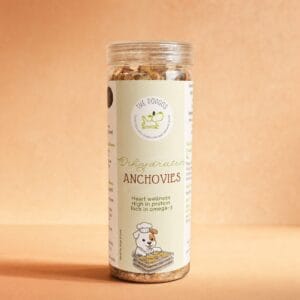
The fix isn’t to ditch chicken altogether. Not at all. It’s about balancing those fats. You MUST add Omega-3 to every single chicken meal. Our Hemp Seed Oil, which is packed with anti-inflammatory GLA (that’s a rare Omega-6 that actually acts like an Omega-3!), or our Dehydrated Anchovies? They’re absolutely perfect for this. These aren’t just “toppers,” you know. They’re vital “balancers” that actually get to the bottom of these inflammatory issues.
Practical Guide: If You Must Feed Paneer
Okay, I get it. Despite all the biological arguments saying “no,” I know a lot of Indian pet parents will still want to share just a tiny bit of paneer with their dog. If you absolutely, positively *must*, here’s how to do it in the safest way possible:
- Keep it Plain: Only, and I mean *only*, offer plain, unseasoned paneer. No spices, no salt, no oil, definitely no masalas or gravies. Those can be toxic or cause really bad tummy upsets for dogs.
- Small Amounts Only: Think tiny, occasional treat. Not a meal replacement, ever. We’re talking a small, pea-sized cube for a little dog, or maybe a thumbnail-sized one for a big dog. Once or twice a week, maximum.
- Monitor for Lactose Intolerance: First time you offer paneer, keep a really close eye on your dog for the next 24-48 hours. Watch for things like diarrhoea, throwing up, gas, bloating, or tummy discomfort. If you see *anything* like that, stop right away.
- Not for Puppies: Puppies have way more sensitive digestive systems, and they’re much more likely to get diarrhoea. Just skip paneer for them entirely. Stick to proper puppy food or carefully balanced homemade meals that actually suit their needs.
- Pancreatitis Risk: Dogs who are prone to pancreatitis (that’s inflammation of the pancreas) should completely steer clear of paneer. It’s because of the high fat content. Certain breeds, like Miniature Schnauzers, are especially at risk.
Honestly, paneer just doesn’t bring much to the table in terms of unique, irreplaceable nutrition for a dog. You can get way better stuff from meat, organs, and bone.
Better, Species-Appropriate Alternatives to Paneer
Instead of paneer, why not offer something that truly benefits your carnivore? Here are some excellent, species-appropriate alternatives:
- Cooked Meat (The Desi Carnivore Way):
- Chicken: This is our daily go-to. Gently pressure cook it (to kill off any bacteria you might pick up from Indian wet markets) with the skin and bone. THEN, and this is critical, DEBONE it before feeding. Don’t forget to add Hemp Seed Oil or Dehydrated Anchovies to balance out that Omega-6.
- Mutton (Goat): They call it a “recovery meat” for a reason. It’s loaded with iron and zinc. Super good for dogs bouncing back from tick fever, or for your senior pups. Pressure cook, then de-bone.
- Quail: This is a truly hypoallergenic, “novel” protein. Fantastic for elimination diets or for dogs with sensitivities. My Indie dogs absolutely thrive on this!
Want some ideas? Check out our 10 Homemade Dog Food Recipes. You’ll find delicious options like the “Golden Chicken Bowl” or “Mutton Strength Stew.”
- Dehydrated Bones for Calcium:
- Dehydrated Chicken Feet: Nature’s own joint supplement (think glucosamine and chondroitin!) and a brilliant dental chew. Plus, they give bioavailable calcium.
- Dehydrated Whole Quail: A complete small prey item. We’re talking calcium, phosphorus, and manganese (so good for ligaments). And the feathers? They even act as a natural “colon sweep.”
- Dehydrated Mutton Trotters: These are a fantastic, long-lasting chew, superb for dental health. And they’re rich in collagen and marrow, great for recovery.
These aren’t just mere treats, you know. They’re like functional medicine, absolutely crucial for a balanced diet.
- Organ Meats: Liver, kidney, heart. These are total nutrient powerhouses, seriously packed with vitamins and minerals that paneer can’t even begin to match. A tiny bit of cooked liver a few times a week? Way, way better for your dog than paneer. Our Bone and Organ Boost is a really easy way to sneak in these vital nutrients.
- Eggs: A complete protein powerhouse. Cooked eggs (boiled, scrambled without any oil or seasoning) are just excellent. Don’t stress about that “heat” myth, honestly; just make sure to balance it with Omega-3. You can read more about eggs for dogs here.
- Curd (Dahi): Okay, so it’s still dairy, but plain curd (dahi) actually has probiotics, which can be really good for gut health. Start super small, just a tiny teaspoon, to see if they handle the lactose. It’s generally tolerated better than paneer because the fermentation process cuts down on the lactose. More on curd for dogs.
Common Mistakes Indian Pet Parents Make with Paneer
Based on my experience as a canine nutritionist in India, here are the most frequent errors I see:
- Treating Paneer as a Main Protein Source: I hear this all the time: “My dog is vegetarian, so I give paneer daily.” Look, this is a massive mistake. Dogs are carnivores, full stop. Paneer just can’t replace meat. Giving your dog a vegetarian diet? That’s a recipe for long-term health problems.
- Believing Paneer is a Sufficient Calcium Source: Like I explained, if you’re feeding boneless diets and just adding paneer, you’re still looking at a Ca:P imbalance and bone problems down the road.
- Feeding Large Quantities: This is that classic “a little bit is good, so more must be better” thinking. Nope. All that does is seriously ramp up the risk of lactose intolerance symptoms and pancreatitis.
- Offering Spiced or Cooked Paneer: Sharing paneer straight from your curry or sabzi? That’s seriously dangerous. Indian spices, onions, garlic, and too much oil are either toxic or just plain bad for dogs.
- Ignoring Digestive Issues: Brushing off gas or loose stools after paneer as “normal”? No, that’s not normal. Those are crystal-clear signs of tummy upset and intolerance.
My philosophy is pretty simple, actually: feed your dog what their biology tells you to. For a carnivore, that absolutely means real meat, organs, and safe bone. Plus, you’ll want to balance that with healthy fats and just a tiny bit of beneficial plant matter.
Frequently Asked Questions About Dogs and Paneer
Q1: Is paneer good for dogs?
A: No, “good” isn’t really the word. Paneer isn’t a species-appropriate food, or even a super beneficial one for dogs. Sure, it has some protein and calcium, but most dogs can’t handle lactose, and its high fat content can cause problems. It just doesn’t give a carnivore the full nutritional punch they need from meat and bone.
Q2: Can puppies eat paneer?
A: Best to totally skip paneer for puppies. Their digestive systems are much more delicate, and they’re really prone to tummy upsets from lactose. Just focus on top-quality, species-appropriate puppy food or carefully put-together homemade meals to help them grow big and strong.
Q3: What are the risks of feeding paneer to dogs?
A: The main risks? Lactose intolerance (which means diarrhoea, vomiting, or gas), pancreatitis because it’s so high in fat, weight gain, and nutritional imbalances if it’s a big part of their diet instead of proper meat and bone. Plus, it won’t give them balanced calcium, which can lead to bone problems over time.
Q4: What are better alternatives to paneer for dogs?
A: Oh, there are so many *much* better things! Think cooked lean meats (like chicken, mutton, quail), organ meats (liver, heart are great!), cooked eggs, and for safe calcium, dehydrated bones like our Dehydrated Chicken Feet or Whole Quail. And for balanced fats, just add Hemp Seed Oil or Dehydrated Anchovies to their meat meals.
Q5: Can paneer cause “heat” in dogs?
A: That idea of “heat” from foods is often a misunderstanding. What people usually see as “heat” (like rashes or itching) is actually inflammation caused by Omega-6. Paneer, since it’s a high-fat dairy product, can actually *add* to inflammation in sensitive dogs. So it’s definitely not a “cooling” fix for the Omega-6 imbalance you often see in dogs fed commercial chicken.
The Desi Carnivore’s Final Word
When we’re talking about your dog’s diet, always, always put their carnivorous nature first. Yeah, a tiny, plain piece of paneer might not actively harm an adult dog every now and then. But let’s be real, it offers almost zero nutritional benefit and comes with its own set of potential risks. There are just so many genuinely beneficial and delicious alternatives out there that will actually help your dog *thrive*, not just survive.
I’m a firm believer in feeding real food. And yes, cooked safely for our Indian context, with that perfect balance of nutrients. What does that look like? Cooked meat, dehydrated bones for calcium, and fats that are properly balanced. Go ahead and explore our range of dehydrated treats. Things like Chicken Feet for joint health and clean teeth (my Lab goes crazy for these!), or Anchovies for those brain-boosting Omega-3s. These aren’t just snacks, you know. They’re functional foods, and they line up perfectly with what your dog’s body truly needs.
So, let’s ditch the human delicacies and actually embrace a diet that truly nourishes our amazing Desi carnivores. They deserve it, don’t they?
Disclaimer: Just so you know, I’m a certified canine nutritionist, and all this info comes from solid scientific research and tons of practical experience. While I love giving guidance on dog nutrition, it’s super important to remember that every dog is unique. If your dog already has health issues or you’ve got some serious worries, please, always talk to your trusted vet.
Related Reading
- Read the complete Indian dog feeding guide.
- About the author: Mahiv Chhabra, certified canine nutritionist.