![Best Grooming & Skin Care for Labrador Retriever in India [2026]](https://thedoggos.in/wp-content/uploads/2026/03/best-grooming-skin-care-labrador-india-featured.jpg "Best Grooming & Skin Care for Labrador Retriever in India [2026] 1")
That beautiful, glossy double coat of your Labrador Retriever? It’s often a source of immense joy… and sometimes, immense frustration. Especially here in India with our heat and humidity. If you’ve got a Lab that’s constantly shedding, battling hot spots, or scratching like there’s no tomorrow, trust me, you’re not alone. The real secret to a truly healthy coat and happy skin for your Indian Labrador actually lies far deeper than just picking the right shampoo.
Look, to really nail grooming and skin care for your Labrador Retriever in India, you need to hit it from a few angles. We’re talking a fresh, species-appropriate diet, packed with Omega-3s, plus regular brushing to keep that shedding in check. Then there’s proper bathing with natural products, and, of course, consistent paw and ear care. Here’s the thing: fixing those hidden dietary imbalances is super important. It’s what actually sorts out chronic skin issues like itching and hot spots, which folks often call “heat” but are really just inflammatory responses.
Understanding Your Labrador’s Coat: A Desi Challenge
Labradors, right? They’re iconic for that dense, water-repellent double coat. And it’s not just for show, is it? It’s a functional marvel, really, built to protect them from icy waters and rough weather. That soft undercoat insulates them, while the coarser topcoat works like a waterproof shield. But here’s the kicker: this fancy coat structure brings its own set of headaches, especially for us here in India.
The Indian Climate Impact
Our tropical climate, you know, with all that high humidity in coastal cities like Mumbai and Chennai, and the crazy heat inland? It can be seriously tough on a Labrador’s coat. That thick double coat traps heat like mad, making them uncomfortable and much more prone to skin infections. And humidity? It’s basically a party ground for yeast and bacteria, which means skin problems pop up way more often here than in cooler, drier places. Seriously, it’s a constant struggle!
And then there’s the shedding. Oh, the shedding. Labs shed all year, sure, but you’ll spot those much heavier “coat blows” when the seasons change. Totally normal. But if you don’t manage it right, your home can turn into a fur-nado zone faster than you can say “fetch.”
The Root Cause: Why Diet is Your Labrador’s Best Skin Doctor
Honestly, I can’t stress this enough: skin and coat health are a direct reflection of what’s going on inside. You can slather on the fanciest shampoos and balms, but if your Labrador’s diet is fundamentally off, you’re just going to keep fighting a losing battle against itching, dull coats, and those stubborn chronic skin issues.
Most commercial kibble, even the “premium” brands, are stuffed with cheap fillers like corn, soy, and wheat. And let’s be real, these just aren’t biologically right for a carnivore. Remember, your dog is 99.9% wolf on the inside! Their digestive system is made for meat, not grains. These high-carb diets actually mess with their stomach pH, making it super hard for them to digest nutrients and kill off bad bacteria. The outcome? A messed-up gut. And that often shows up as skin problems.
The Omega-6:3 Imbalance: The Real “Heat” Story
Here’s where a lot of Indian pet parents often miss the mark. We constantly hear about “heat” in dogs because of chicken or eggs, right? This makes so many folks switch to super expensive, often less nutritious vegetarian kibble, or worse, they just skip crucial proteins. But what you’re actually seeing isn’t your dog being “too hot”; it’s an Omega-6 induced inflammatory response.
Think about it: commercial Indian chicken, because it’s fed a corn/soy diet, ends up with a crazy skewed Omega-6 to Omega-3 ratio. We’re talking ratios as high as 20:1 or even 30:1 sometimes! For dogs, a healthy ratio should be more like 5:1 to 7:1. That massive excess of Omega-6 just floods their body with inflammatory stuff, leading to all sorts of problems:
- Chronic paw licking
- Those pesky hot spots
- Never-ending ear infections
- “Unexplained” itching and rashes (I get so many DMs about this!)
- A dull, brittle coat
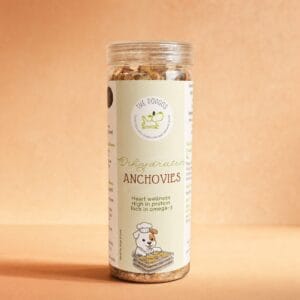
The Fix: You absolutely don’t need to stop feeding chicken! Not at all. What you really need to do is balance those fats. Every single chicken meal MUST have a high-quality Omega-3 source added. I always recommend Hemp Seed Oil or Dehydrated Anchovies. Hemp Seed Oil is a powerhouse, loaded with GLA (Gamma-Linolenic Acid), which is this rare Omega-6 that actually acts as an anti-inflammatory, directly calming skin irritation. And anchovies? They give you DHA and EPA, which are essential for bringing down inflammation throughout their whole system.
Hydration: The Unsung Hero of Skin Health
Here’s a simple truth: Kibble? It’s only about 10% water. But fresh, home-cooked food, on the flip side, is a whopping 70% water! That’s a massive difference, isn’t it? Dogs eating fresh food naturally drink less because their meals are giving them so much of that essential liquid. This awesome hydration isn’t just great for their kidneys; it’s absolutely vital for keeping their skin elastic and that skin barrier strong. Honestly, dry skin is usually just dehydrated skin.
Calcium and Collagen: Beyond Just Bones
Yeah, we usually talk about calcium for strong bones, right? But it’s actually super vital for all their cellular functions. And get this: if you’re feeding a boneless home diet (just chicken and rice, for instance), your dog’s body will actually start pulling calcium from their own skeleton over time. That leads to big problems like Osteopenia. This whole imbalance inside affects literally everything, including their skin health. It’s wild.
Collagen, though, is the most abundant protein in their body. It’s absolutely crucial for skin elasticity, healthy joints, and, yes, that glossy coat we all want! Dehydrated treats like Chicken Feet are basically natural powerhouses of glucosamine, chondroitin, and collagen. They’re not just some random treat; they’re like functional medicine, giving fantastic internal support for healthy skin and flexible joints. (My Lab goes crazy for these!)
Essential Grooming for the Indian Labrador
Okay, so beyond what they eat, consistent external care? It’s absolutely non-negotiable if you want a healthy Labrador coat here in India.
Brushing: Your Daily Ritual Against the Shed
Seriously, regular brushing is the absolute best way to keep that shedding under control and your Labrador’s coat looking good. For a double-coated breed like a Lab, a basic slicker brush just won’t cut it, na?
- Frequency: Daily or every other day. You’ll really need to step it up during those heavy shedding seasons.
- Tools: You’ve got to get yourself a good quality de-shedding tool (think a Furminator or something similar, like a rake). That’s what gets deep into the undercoat. A slicker brush can help with surface tangles, and a rubber curry brush is awesome for loosening dead hair and getting the blood flowing.
- Technique: Always brush in the direction the hair grows, starting from their head and moving down. And be gentle, especially around any sensitive spots.
Brushing does so much: it gets rid of loose hair, stops matting (which can trap moisture and cause skin infections, yuck!), spreads those natural oils around, and honestly, it’s just a wonderful way to bond with your dog.
Bathing: Balancing Cleanliness with Skin Health
So, how often should you actually bathe your Labrador? Well, it really depends on how active they are and what their skin is like. Bathing too much can strip away those natural oils, leaving their skin dry and irritated. But not bathing enough? That can lead to smells and skin problems, especially in our humid climate.
- Frequency: For most Labs, once every 4-6 weeks is usually enough. If your dog’s a swimmer or gets super dirty, you might need to bathe them a bit more often, but always, always use a really gentle shampoo.
- Shampoo Choice: You’ve got to use a pH-balanced, natural dog shampoo. Please, avoid human shampoos! They’re way too acidic for a dog’s skin and can cause real irritation. Look for soothing stuff like oatmeal, aloe vera, or neem.
- Rinsing: Rinse them thoroughly! Seriously. Any shampoo left behind on their coat is just asking for itching and skin irritation.
- Drying: Towel dry them really well, then think about grabbing a dog-specific blow dryer. Use it on a cool setting to make sure that dense undercoat is totally dry. Super important in humid weather to keep those fungal growths away.
Ear Care: The Humidity Trap
Labradors, with their adorable floppy ears, right? Well, those cute ears can actually trap moisture, creating this warm, dark little haven that’s just perfect for yeast and bacterial infections. This is especially true, of course, in our humid Indian cities.
- Frequency: You should check your Labrador’s ears every week. Clean them only when they need it, which is usually every 1-2 weeks.
- Cleaning: Always use a vet-approved ear cleaning solution. Just gently wipe the visible part of the ear canal and the outer ear flap with a cotton ball. And please, never, ever stick anything deep into their ear canal.
- Signs of Infection: If you spot redness, swelling, a foul smell, or your dog’s scratching a lot, shaking their head, or has any discharge, those are all clear signs of an ear infection. Get to your vet immediately if you notice any of these.
Paw Care: Tough Pads, Tender Needs
Your Labrador’s paws, man. They’re basically their main connection to our often-harsh Indian world: scorching pavements, rough ground, and all sorts of nasty stuff. We really need to look after them.
- Inspection: Make it a habit to check their paws regularly for any cuts, cracks, weird foreign objects (like thorns or glass), or any signs of irritation.
- Moisturise: Dry, cracked paw pads are no fun; they can be super painful. Our Baobab Paw & Nose Balm is absolutely fantastic for this. Unlike those heavy oils that just sit there, Baobab oil actually soaks deep into the skin, healing from the inside out.
- Protection: Try your best to avoid walking them on hot pavements during peak sun hours. If you absolutely have to, maybe think about getting some dog boots.
Nail Trimming: A Non-Negotiable
Overgrown nails? Total pain. They can make your dog uncomfortable, mess with their gait, and even lead to painful splayed toes or ingrown nails. Plan to trim your Labrador’s nails every 2-4 weeks, or whenever they need it. If you’re not sure how, just ask your groomer or vet to show you. And always, always keep styptic powder handy, just in case you snip a bit too far.
Tackling Common Labrador Skin Problems in India
Even with all your hard work, your Labrador might still run into some specific skin challenges. But don’t worry. Here’s how The Desi Carnivore approach really helps.
Hot Spots (Pyotraumatic Dermatitis): The Inflammatory Cycle
Hot spots, man, they’re just awful. Red, moist, and often super painful skin patches that pop up out of nowhere and can spread like wildfire. Usually, they’re set off by intense scratching, licking, or chewing, all because of some hidden irritation (could be an insect bite, an allergy, or even stress). And in India’s humid climate? They can get infected super fast.
The Desi Carnivore Solution:
- Clean: Gently clean the area. A mild antiseptic solution or even just turmeric water works great.
- Shave: You’ll want to trim the hair around the hot spot. This lets air get to it and stops more irritation.
- Treat: Slap on a natural, healing oil like Baobab Oil. Its special fatty acid profile soaks in deep, really drying out those hot spots and helping them heal super quick. Seriously, I’ve seen hot spots dry up in just 24 hours with Baobab Oil.
- Address Diet: And remember, if hot spots keep coming back, it’s usually a sign of that underlying Omega-6 inflammation. So, really amp up their Omega-3s with Hemp Seed Oil or Dehydrated Sardines.
Allergies: More Than Just Pollen
Allergies? They show up as intense itching, redness, skin infections, and sometimes even an upset tummy. They could be from the environment (think pollen, dust mites) or something in their food.
The Desi Carnivore Solution:
- Food Allergies: If you’re pretty sure it’s food allergies, an elimination diet is absolutely key. This means feeding a “novel protein” – basically, something your dog has never, ever eaten before. Our Dehydrated Whole Quail is a brilliant choice for this. Quail is hypoallergenic and gives them full nutrition, including calcium from the bones and fibre from the feathers (which, bonus, also help with anal gland expression!).
- Environmental Allergies: A good diet certainly helps bring down the overall inflammatory load. But for environmental allergies, you might also need to do regular cleaning, use air purifiers, and sometimes even get the vet involved. Still, a really strong immune system (built on that species-appropriate diet) is always your best line of defence. Oh, and Hemp Seed Oil can totally help reduce the allergic response thanks to its GLA content.
Fungal & Yeast Infections: The Monsoon Menace
These infections absolutely love warm, moist places. That’s why they’re so common during India’s monsoon season or anywhere with high humidity. You might notice a sort of musty smell, greasy skin, redness, or even some hair loss. Nasty stuff.
The Desi Carnivore Solution:
- Dietary Support: Cut down on sugar (which is sneaky and in kibble and tons of commercial treats) and make sure their Omega-3s are balanced to really boost their immune system.
- Topical Treatment: Our Baobab Therapy Mask is fantastic. It uses detoxifying clay and Baobab’s natural antifungal powers to draw out impurities and fight off that fungal growth. It’s a really natural way to go after these stubborn infections.
Hyperkeratosis (Crusty Nose/Paws): A Baobab Solution
This is where the skin on their nose or paw pads gets thick and cracked. It often happens because of genetics or nutritional issues. And trust me, it can be really painful for them.
The Desi Carnivore Solution: Just apply Baobab Oil or our Baobab Paw & Nose Balm every single day. Its fatty acids go deep, really restoring moisture and elasticity. We’ve seen crusty noses clear up in as little as two weeks, and paw hyperkeratosis gets way, way better.
The Desi Carnivore’s Labrador Skin and Coat Protocol
Alright, so here’s a super practical, step-by-step plan for keeping your Labrador’s skin and coat absolutely thriving here in India:
- Diet is the Foundation:
- Always feed a fresh, home-cooked diet. My “Golden Chicken Bowl” recipe is truly a fantastic daily staple: 500g chicken thighs (bone-in, skin-on for that essential taurine) + 50g liver (hello, Vitamin A!) + 100g red pumpkin (great for fibre) + a scoop of Hemp Meal Balancer + some turmeric paste. Pressure cook it all, then DEBONE (seriously, NEVER feed cooked bones – they splinter!), mash the pumpkin, and add the balancer once it’s cooled down.
- Calcium is Key: Since you’re deboning, you absolutely have to make sure they’re getting enough calcium. Just add a crushed Dehydrated Chicken Foot (it’s like functional medicine for their joints and calcium!) to the meal, or use eggshell powder/calcium citrate.
- Balance Omega-6: This is non-negotiable for fighting inflammation. To every single chicken meal, add 1-2 tsp of Hemp Seed Oil or a good handful of Dehydrated Anchovies.
- Grooming Routine:
- Daily Brushing: Grab that de-shedding tool.
- Monthly Bath: Only use a natural, pH-balanced dog shampoo.
- Weekly Ear Checks: Clean them with a vet-approved solution.
- Daily Paw & Nose Check: Apply Baobab Paw & Nose Balm as needed.
- Regular Nail Trims: Every 2-4 weeks.
- Functional Treats:
- Offer Dehydrated Chicken Feet daily. They’re amazing for glucosamine, chondroitin, and collagen.
- Give them Dehydrated Mutton Trotters or Dehydrated Pig Bone weekly. Fantastic for dental health and keeping them mentally engaged. These are safe, dehydrated chews that just crumble, unlike those dangerous cooked bones.
- Emergency Skincare Kit:
- Keep Baobab Oil close by for any hot spots, dry patches, or fungal issues that pop up.
- And have the Baobab Therapy Mask ready for those really stubborn fungal or yeast problems.
Common Mistakes Indian Dog Parents Make with Labrador Grooming and Skin Care
It’s so easy to fall into these traps, especially with all the misinformation floating around out there. But look, these are the most common mistakes I see Indian dog parents making:
- Feeding Boneless Chicken & Rice Without Calcium: This is a silent killer, seriously. Your dog’s body will literally pull calcium from their own bones over time. That leads to really severe health problems down the line, affecting everything from their teeth to their skin elasticity. You HAVE to balance the phosphorus from the meat with calcium from safe sources, like dehydrated bones or eggshell powder.
- Ignoring Omega-3 Balance: Believing that whole “heat” myth and then avoiding chicken, or just not adding Omega-3s, basically keeps that inflammatory cycle going strong. And that’s what causes all the itching and hot spots.
- Over-Bathing or Using Wrong Products: Stripping away those natural oils or using harsh human shampoos just wrecks their skin barrier, making your Lab way more likely to get infections.
- Neglecting Brushing: Letting that dead undercoat build up? That means matting, trapped heat, and irritated skin. Especially in our humid climate.
- Feeding Kibble and Expecting a Healthy Coat: Kibble is super processed, high-carb food. It’s just not biologically right for a carnivore. It simply can’t give them the bioavailable nutrients they need for a truly healthy, shiny coat and resilient skin. It’s like expecting a Ferrari to run on kerosene, right?
- Feeding Cooked Bones: This is a life-threatening mistake. I mean it. Cooked bones get brittle and splinter into sharp, jagged pieces that can literally poke holes in your dog’s intestines, leading to fatal peritonitis. Please, stick to raw recreational bones (always with strict supervision) or, even better and much, much safer in the Indian context, dehydrated bones from The Doggos. They keep their porous structure and crumble safely.
Frequently Asked Questions (FAQ)
Q1: How often should I bathe my Labrador in India?
Generally, bathing a Labrador in India once every 4-6 weeks is usually enough, as long as you’re using a natural, pH-balanced dog shampoo. If you bathe them too much, you can strip away their natural oils, which leads to dry skin. But not enough bathing can cause odour and other skin issues, especially with our humidity. Just make sure that dense coat is totally dry after every wash!
Q2: What’s the best diet for a Labrador with skin allergies in India?
For a Labrador with skin allergies in India, the absolute best diet is a fresh, species-appropriate one. It should really focus on novel proteins (like Dehydrated Whole Quail, if your dog hasn’t tried it before) and be perfectly balanced with Omega-3s. You’ll want to cut out common allergens like corn, soy, wheat, and commercial chicken (unless you’re adding those Omega-3s). Our “Itchy Dog Reset” protocol, which uses Whole Quail and Baobab powder, is an awesome place to start for an elimination diet. Oh, and don’t forget to get that calcium and phosphorus balance just right!
Q3: Why is my Labrador shedding so much, even with regular brushing?
Well, Labs are double-coated, so they naturally shed all year round, and you’ll definitely see those heavier “coat blows” during seasonal changes. That’s just how they are. While regular brushing (especially with a proper de-shedding tool) is super important, if your Lab is shedding excessively or has a dull coat, it could also point to dietary issues (like not enough Omega-3s or poor protein quality) or other health problems. Are they getting enough good fats? Make sure their diet is rich in bioavailable protein and balanced fats, and definitely think about adding Hemp Seed Oil for better coat health.
Q4: Can homemade food really fix my Labrador’s skin issues?
Absolutely, 100% yes! A properly put-together homemade diet, following “The Desi Carnivore” method with cooked meat and dehydrated bones, all balanced with Omega-3s, gives them way better nutrition and hydration than kibble ever could. It dramatically cuts down on inflammatory loads, strengthens their immune system, and provides all the essential nutrients for a strong skin barrier and a beautiful coat. We’ve seen countless dogs bounce back from chronic itching, hot spots, and dull coats just by making the switch to fresh, species-appropriate food. It’s truly amazing what real food can do!
Q5: Are cooked bones safe for my Labrador to help with calcium for skin?
No, NEVER, EVER feed cooked bones to your Labrador. This is a huge, dangerous mistake. When bones are cooked with high heat, they become super brittle and shatter into sharp, jagged splinters. These can easily perforate your dog’s intestines, leading to fatal internal injuries. For safe calcium and to help with their teeth, always go for raw recreational bones (but keep a close eye on them) or, even better and much, much safer in the Indian context, dehydrated bones and chews from The Doggos. Things like Dehydrated Chicken Feet or Dehydrated Mutton Trotters retain a porous structure and crumble safely, giving them all those essential minerals without any of the scary risks.
Your Labrador’s health, from the tip of their wet nose right down to the wag of their tail, truly starts from within. By really embracing a fresh, species-appropriate diet, perfectly balanced with those essential Omega-3s and backed up by natural grooming, you’re not just putting a band-aid on symptoms. Nope. You’re actually building a rock-solid foundation for lifelong vitality. Go check out The Doggos to see our range of natural supplements and dehydrated treats, all designed to help your Labrador absolutely thrive.
Disclaimer: I am a certified canine nutritionist, not a veterinarian. The information provided is for educational purposes and should not replace professional veterinary advice. Always consult your vet for diagnosis and treatment of any medical condition.