
Ah, the classic Indian situation: your dog stares at you with those soulful eyes while you’re chopping vegetables for dinner. You’ve probably heard to steer clear of ‘human food,’ but what about something as innocent as a carrot? Here in India, where our dogs are totally part of the family, sharing a healthy snack just feels natural. But is it safe? And more importantly, is it actually good for them?
Can Dogs Eat Carrots in India? Absolutely, Yes!
Yes, your dog can definitely eat carrots in India! Carrots are a fantastic, low-calorie, and nutrient-rich treat that offers a lot of health benefits for your desi dog. They help with everything from digestion to boosting dental health. They’re super easy to find, affordable, and a much healthier choice than processed treats or those dreaded Parle-G biscuits. (Honestly, I’ve seen so many pet parents make that mistake!) Just make sure they’re washed, cut properly, and given in moderation.
The Orange Powerhouse: Why Carrots are a Canine Superfood (Desi Style!)
As Mahiv Amit Chhabra, a certified canine nutritionist and author of “The Desi Carnivore,” I always push for real, whole foods for our dogs. Carrots are a perfect example. They aren’t just a crunchy snack; they’re packed with key nutrients that help with so many parts of your dog’s health. They really are a canine superfood, especially well-suited for the Indian climate and lifestyle.
Nutritional Breakdown: More Than Just Crunch
Don’t let their simplicity fool you. Carrots are a nutritional goldmine:
- Vitamin A (Beta-Carotene): This is the star player. Carrots are packed with beta-carotene, which your dog’s body converts into Vitamin A. This is super important for great vision, a strong immune system, and a healthy skin and coat. Think of it as an internal shield against common ailments.
- Dietary Fibre: Carrots have both kinds of fibre, soluble and insoluble. This keeps their potty schedule regular, stopping both constipation and the runs. For dogs prone to digestive upsets, a little carrot can work wonders. It also makes them feel full, making them a great treat for dogs watching their weight.
- Antioxidants: Beyond beta-carotene, carrots contain other antioxidants that battle free radicals, cutting down cellular damage and helping with overall long-term health. This is vital for fighting inflammation, which, honestly, is a sneaky problem behind so many chronic issues our dogs face.
- Potassium, Vitamin K, Biotin: These little guys, potassium, Vitamin K, and biotin, all help with nerve function, blood clotting, and how their body processes stuff, making sure everything runs smoothly.
Hydration in Indian Summers: A Juicy Solution
Anyone living in Mumbai, Chennai, or Delhi knows the brutal Indian summer. Dogs, especially those with thick coats, struggle with dehydration. While fresh water is the most important thing, fresh foods like carrots, which are over 90% water, really help with hydration. This is especially good for dogs who might not drink enough water from their bowls, or for those on a kibble diet (which is only 10% water, compared to 70% in fresh food). Adequate hydration is also a cornerstone of good kidney health, something often overlooked until it’s too late. So, are you dealing with Indian summers? Then you know how hard it is to keep pets hydrated.
Dental Dynamo: Nature’s Toothbrush (with a Caveat)
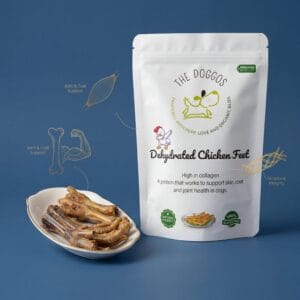
The satisfying crunch of a raw carrot isn’t just enjoyable; it provides a gentle scrubbing action that can help scrape off plaque and tartar buildup on your dog’s teeth. Think of it as a mini-brush for their pearly whites. But, let’s be super clear here: a carrot is NOT a replacement for proper dental care or dedicated dental chews. For serious plaque and to truly clean those back molars, you need something tougher, like our Dehydrated Chicken Feet (which also provide natural glucosamine for joints!) or Dehydrated Mutton Trotters. As a daily helper, though, carrots are great.
The “Cooling” Factor: Carrots and Indian Wisdom
In Indian households, you often hear talk about certain foods being “garam” (heating) or “thanda” (cooling), a concept rooted in Ayurveda. While people often get this wrong about things like chicken causing “heat” (which I’ve explained is usually Omega-6 inflammation, not thermal heat), carrots are generally seen as a ‘cooling’ food. So, this idea makes them a comforting and balancing extra to your dog’s diet, especially when paired with a protein-rich meal. Their high water content and mild nature can totally help calm the gut and body, giving a nice sense of balance. So, when you’re making your Golden Chicken Bowl, a few steamed carrots can be a wonderful, balancing addition.
Raw vs. Cooked Carrots for Dogs: What’s Best for Your Indian Home?
So, when you’re thinking about feeding carrots, you’ve got choices. Both raw and cooked carrots have their own perks, and the best option often depends on your dog’s age, dental health, and digestive sensitivity.
Here’s a quick comparison:
| Feature | Raw Carrots | Cooked Carrots (Steamed/Boiled) |
|---|---|---|
| Benefits | Great for cleaning teeth (that gentle scrub, remember?), gives a satisfying crunch, which is good for enrichment, and keeps all those natural enzymes active. | Way easier to digest, perfect for puppies, older dogs, or those with sensitive tummies. Plus, your dog’s body absorbs beta-carotene a bit better when it’s cooked. |
| Drawbacks | Can be a choking risk if not cut right (especially for smaller dogs or flat-faced breeds like Pugs). Some dogs might find them tougher to digest, so you could see bits of carrot in their poop. | Doesn’t help with teeth as much as raw ones. And, if you overcook them, you can lose some water-soluble vitamins (though dogs make their own Vitamin C, so it’s not a huge deal). |
| India Context | Super easy to find and cheap at any local ‘subzi mandi’. Just make sure you wash them really well to get rid of any dirt or pesticide bits. (I always give mine a good scrub!) | Awesome for stirring into home-cooked meals, like stews or mashes. They’re perfect for adding bulk and nutrients without bringing in any extra ‘heat’ (you know, inflammation). |
Honestly, for most healthy adult dogs, a mix of both is probably the sweet spot. Raw ones give that satisfying chew and dental scrub, while cooked ones are easier to digest and help them soak up those nutrients in their meals.
How to Safely Serve Carrots to Your Desi Dog: A Step-by-Step Guide
Feeding carrots isn’t rocket science, but a few simple steps ensure maximum safety and benefit for your furry friend.
Step 1: Source & Clean Your Carrots
- Local is Best: Just head to your local vegetable vendor or ‘subzi mandi.’ Fresh, seasonal carrots are always the best.
- Wash Thoroughly: This is non-negotiable, especially in India, na? Look, our wet markets are vibrant, but they’re not always super clean. Wash carrots under running water, scrubbing off any dirt. If you’re particularly concerned about pesticides, a quick soak in turmeric water (a natural antiseptic) for 5-10 minutes, followed by a rinse, can be a good idea.
Step 2: Cut It Right (Choking Prevention is Key!)
Here’s the thing, this is where a lot of well-meaning pet parents mess up. A whole baby carrot might seem harmless, but for a dog, especially a small or enthusiastic eater, it can be a big choking hazard. Remember, dogs don’t chew their food like humans; they tend to gulp. And with no amylase in their saliva, large chunks of plant matter will hit their stomach effectively whole.
- For Small Dogs & Puppies: Always, always cut carrots into small, bite-sized coins or thin sticks. Grating them is another great choice.
- For Medium to Large Dogs: You can give bigger sticks or thick coins, but you absolutely have to supervise. If your dog is a gulper, stick to smaller pieces.
- Avoid Whole Carrots: Even big carrots, given whole, are a choking risk, especially for breeds with brachycephalic (flat) faces like Pugs or Bulldogs.
Step 3: Creative Serving Suggestions for Your Desi Dog
- Crunchy Raw Treat: Simple, it works, and most dogs just love them. Offer a few carrot sticks as a reward or an afternoon snack.
- Meal Mixer (Cooked): Steam or boil carrots until they’re soft, then mash ’em right into your dog’s homemade dog food. They just disappear so nicely into a ‘Golden Chicken Bowl’ or ‘Mutton Strength Stew,’ adding fibre and good nutrients.
- Frozen Delight: Got a teething puppy? Frozen carrot sticks are a lifesaver, trust me. (My Lab loved these when he was a pup!) For adult dogs, especially during the scorching Indian summer, frozen carrot chunks or pureed carrot cubes (you can mix with a little curd) offer a refreshing, hydrating, and long-lasting chew.
- Pureed Power: Blend cooked carrots with a little water or plain unsweetened curd for a smooth puree. This works great for dogs with dental problems, older pups, or those who just need a bit of a digestive push.
- Desi Twist: For an extra health kick, try adding a tiny pinch of turmeric to your cooked carrot mash.
Turmeric is a powerful anti-inflammatory. It totally aligns with our Desi Carnivore philosophy, you know?
Step 4: Portion Control: The Golden Rule
Even though carrots are healthy and low in calories, you need to be moderate. Too much, and you’re looking at a tummy ache (gas, maybe even loose stools) because of all that fibre. Carrots should be a treat or a supplement, not a main meal component.
- Rule of Thumb: Treats, including carrots, shouldn’t be more than 10% of your dog’s total daily calories. Period.
- Start Small: Never given carrots before? Introduce them slowly. Start with a tiny piece and watch their poop and how they digest it for the next day or two.
- Adjust for Size: A tiny Pug is going to get a way smaller piece than a big Labrador, obviously.
Common Carrot Catastrophes: Mistakes Indian Pet Parents Make
While carrots are generally safe, some common slip-ups can turn a great treat into a real problem. As the Desi Carnivore, I’ve seen these mistakes happen again and again:
- Feeding Whole, Large Carrots: This is the absolute worst one, yaar. A large carrot, even for a big dog, can totally get stuck in their throat. Always, always cut them into pieces they can handle.
- Giving Sweetened Carrot Dishes: Indian cuisine is full of yummy desserts like Gajar ka Halwa (carrot halwa) or carrot kheer. While tempting to share, these are packed with sugar, ghee, and usually dairy. None of that is good for your dog. Sugar means dental problems, obesity, diabetes. Too much fat? Pancreatitis. Not worth it. Stick to plain, raw, or steamed carrots.
- Not Washing Carrots Properly: We talked about this, but it bears repeating: local market produce needs a proper scrub. Dirt, bacteria, even tiny bits of leftover pesticides – these are all things you absolutely don’t want going into your dog’s body.
- Overfeeding Carrots: While low in calories, the high fibre content can upset their stomach if you give them too much. You’ll probably see gas, bloating, maybe even diarrhoea if they munch on too many. Remember the 10% rule for treats.
- Assuming Carrots are a Dental Panacea: Carrots help with teeth, sure, but they’re not some magic fix. They won’t replace the need for real dental chews like Dehydrated Mutton Trotters or regular dental hygiene. Think of them as a supplementary tool, not the main event. For a full guide on safe chews, check out our article on Safe Dog Chews in India.
Beyond Carrots: Elevating Your Desi Dog’s Diet with The Doggos
Carrots? Yeah, they’re fantastic. But they’re just one tiny piece of the whole nutritional puzzle. At The Doggos, our whole thing is about building a truly natural, balanced diet for your carnivore. It’s what they’re meant to eat. While carrots add vitamins and fibre, they don’t give them crucial stuff like the right calcium-to-phosphorus balance or vital Omega-3 fatty acids. These are super important for stopping chronic inflammation and making sure their bones stay strong.
Remember, The Desi Carnivore method revolves around two golden rules:
- Calcium:Phosphorus Ratio (1.2:1): Carrots don’t have calcium, simple as that. A boneless home diet (like just chicken and rice, even with carrots) will definitely lead to calcium deficiency eventually. This is exactly why we always say, “Cook the Meal, Dehydrate the Bone.” Adding safe, dehydrated bones like Dehydrated Chicken Feet or Dehydrated Pig Bones is super important, honestly. They crumble safely, giving them calcium their bodies can actually use, without all the dangers of cooked bones.
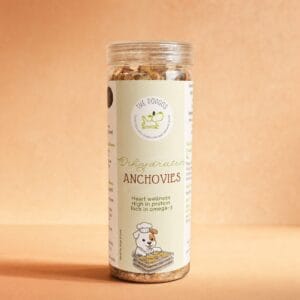
- Omega-6:3 Balance: Look, commercial Indian chicken is loaded with inflammatory Omega-6. Sure, carrots are ‘cooling’ generally, but they won’t fix this imbalance. You absolutely NEED to add Omega-3s. Our Hemp Seed Oil (it’s a plant-based anti-inflammatory superhero!) or Dehydrated Anchovies (full of DHA for brain power) are must-have “balancers” for any chicken meal. Truly.
So, while you’re adding those lovely carrots, don’t forget the basic, crucial parts of a truly nourishing diet. Want a full approach to feeding your dog real, fresh food? Explore our complete feeding guide and see how our Hemp Meal Balancer can turn a simple chicken-rice-carrot bowl into a meal that truly helps them thrive.
So, carrots are a great addition to your desi dog’s diet. A crunchy, healthy, hydrating treat that just fits right into the Desi Carnivore way of life. Just remember: prep them safely, give them in moderation, and always, always put a species-appropriate, balanced diet first. Your dog will thank you with wagging tails and bright eyes!
Disclaimer: While I am a certified canine nutritionist, this information is for educational purposes only and not a substitute for professional veterinary advice. Always consult your vet for any specific health concerns or before making significant changes to your dog’s diet.
Related Reading
- Read the complete Indian dog feeding guide.
- About the author: Mahiv Chhabra, certified canine nutritionist.