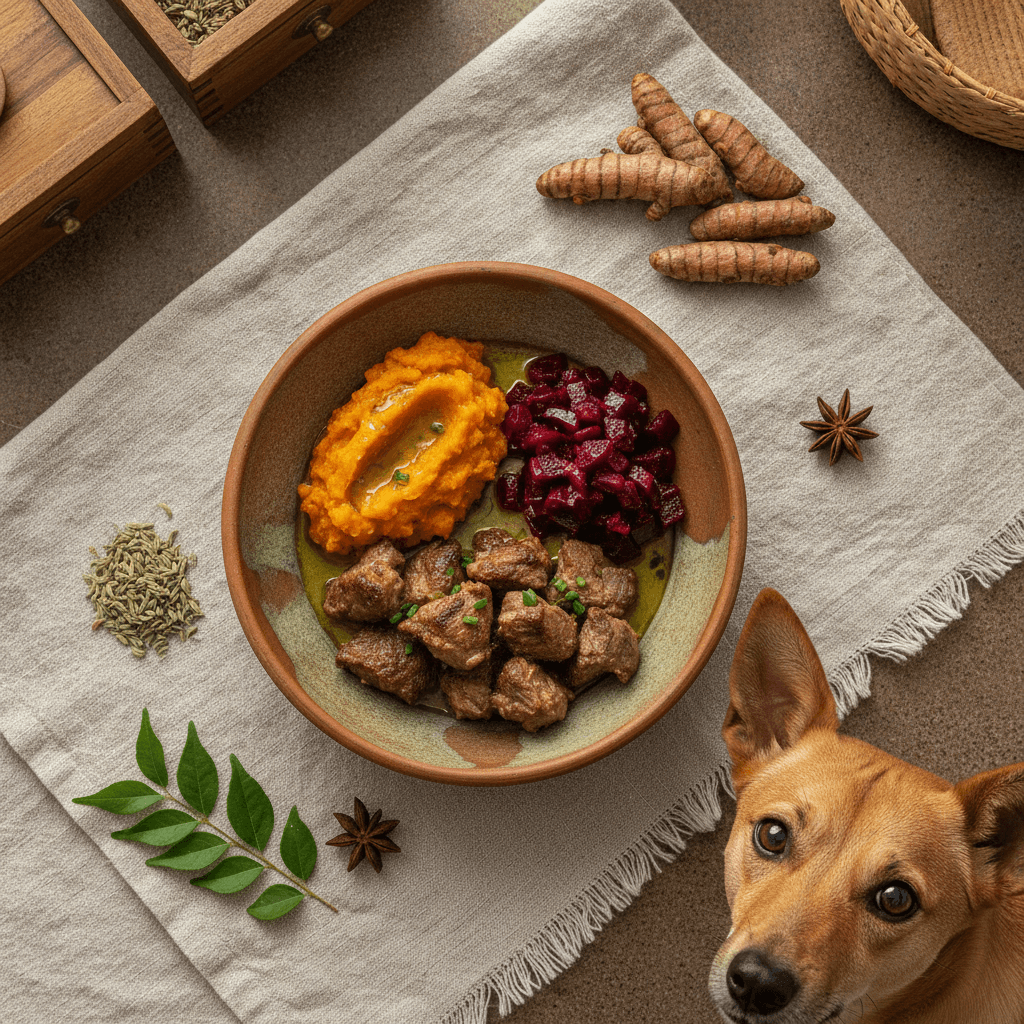
Imagine this: you’ve lovingly prepared a wholesome, home-cooked meal for your dog, perhaps with a touch of colourful beetroot for extra goodness. The next morning, you notice their urine is a shocking shade of pink or red. This sight, often linked to beetroot for dogs pink urine, can cause alarm. Is your dog bleeding internally? Is something terribly wrong?
Quick Answer: Can Dogs Eat Beetroot Safely?
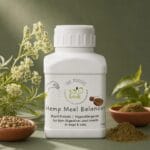
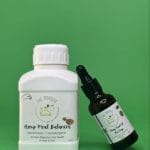
Yes, dogs can safely eat beetroot, and the pink or reddish urine you might observe afterwards, often called beeturia, is usually harmless. It’s caused by the natural pigments in beetroot, not internal bleeding. While beetroot offers valuable nutrients like fibre, Vitamin C, and antioxidants, it’s crucial to prepare it correctly and serve it in moderation. To ensure your homemade meals, including ingredients like beetroot, are always nutritionally complete, consider adding a daily supplement like our Hemp Meal Balancer.
Beetroot for Dogs Pink Urine: The Truth About This Harmless Phenomenon
As a canine nutritionist with years of experience helping Indian pet parents, I’ve seen this exact scenario play out countless times. The sight of pink or red urine can be alarming, but when it follows a meal containing beetroot, it’s almost certainly nothing to worry about. Beetroot contains betacyanin, a natural pigment responsible for its vibrant colour. This pigment can pass through your dog’s digestive system and into their urine, giving it a pinkish or reddish hue.
Dogs, like humans, process foods differently. The acidity of their stomach (remember, a dog’s stomach pH is 1-2, far more acidic than a human’s) and their individual metabolism play a role in how much betacyanin is absorbed versus excreted. So, while one dog might show strong beeturia, another might not, even after eating the same amount of beetroot. The key takeaway here is: beetroot for dogs pink urine is typically a normal and harmless reaction, not a sign of illness.
However, this doesn’t mean you should ignore reddish urine if your dog hasn’t had beetroot, or if it’s accompanied by other symptoms like straining, pain, or lethargy. Always observe your dog’s overall behaviour. If you’re ever in doubt, a quick vet visit for a urine test can rule out serious issues like urinary tract infections or kidney problems.
Nutritional Benefits of Beetroot for Dogs
Beyond its striking colour, beetroot is a powerhouse of nutrition that can offer several benefits when included appropriately in your dog’s diet. It’s not just a filler; it’s a functional food.
- Rich in Fibre: Beetroot is an excellent source of dietary fibre, which is vital for digestive health. Fibre helps regulate bowel movements, preventing both constipation and diarrhoea. It also acts as a prebiotic, feeding the beneficial bacteria in your dog’s gut, which is crucial for a strong immune system.
- Vitamins and Minerals: This root vegetable is packed with essential nutrients, including Vitamin C (a powerful antioxidant), folate (important for cell growth and function), manganese (supports bone health and metabolism), and potassium (maintains fluid balance and nerve function).
- Antioxidants: The betacyanins that give beetroot its colour are potent antioxidants. Antioxidants combat free radicals in the body, reducing oxidative stress and inflammation. This can contribute to overall cellular health and may help prevent chronic diseases.
- Iron Content: Beetroot contains a decent amount of iron, which is essential for red blood cell production and oxygen transport throughout the body. While not a primary source of iron for carnivores, it can contribute to healthy blood, especially for dogs recovering from conditions like tick fever where iron levels might be compromised.
Adding a small amount of beetroot can certainly boost the nutrient profile of your dog’s home-cooked meals. However, remember that dogs are carnivores first. Vegetables are supplementary, not the main event. Their primary nutrition must come from high-quality meat and balanced fats.
Understanding Beeturia: Why Your Dog’s Pee is Pink
The science behind beeturia, or pink urine after eating beetroot, is quite fascinating. The pigment responsible, betacyanin, is a water-soluble compound. When you consume beetroot, these pigments are absorbed in the gut. For some individuals, both human and canine, the betacyanin is not fully broken down or metabolised before it reaches the kidneys and is excreted in the urine.
Several factors can influence whether your dog experiences beeturia:
- Genetics: There’s a genetic predisposition in some individuals that affects their ability to break down betacyanin.
- Stomach Acidity: A dog’s naturally highly acidic stomach (pH 1-2) is designed to break down meat and bone. However, this acidity can also affect the stability of betacyanin. If the stomach pH is higher than normal (perhaps due to a high-carb diet), more of the pigment might survive and be absorbed intact.
- Transit Time: The speed at which food passes through the digestive system can also play a role.
It’s important to differentiate beeturia from actual blood in the urine (hematuria). Blood in the urine is a serious medical concern and often has a distinct appearance, sometimes clots, and is usually accompanied by other symptoms like frequent urination, straining, pain, or changes in behaviour. Beeturia, on the other hand, is generally a uniform pink or reddish hue that appears within a few hours of eating beetroot and resolves within 24-48 hours. If you’re unsure, always consult your vet.
How to Safely Serve Beetroot to Your Dog in India
While beetroot is safe, proper preparation is non-negotiable, especially when sourcing from local Indian markets. We live in a tropical climate, and hygiene is paramount.
- Sourcing and Washing: Always buy fresh, firm beetroots from a trusted vendor. Thoroughly wash the beetroot under running water to remove any soil, pesticides, or contaminants. You can even give it a quick soak in turmeric water, a natural antiseptic, as I often recommend for washing chicken.
- Peel and Trim: Peel off the outer skin. The skin can be tougher to digest and may contain more residual dirt. Trim off the leafy tops and the root end.
- Cook Thoroughly: Never feed raw beetroot to your dog. Raw vegetables are much harder for a dog’s digestive system to process, as they lack the amylase enzyme in their saliva to begin breaking down starches. Cooking breaks down the tough fibres, making it more digestible and ensuring any surface bacteria are killed.
- Preparation Method:
- Boiling or Steaming: Cut the peeled beetroot into small, manageable pieces and boil or steam until very soft. This usually takes 15-20 minutes.
- Pressure Cooking: This is my preferred method for many vegetables. It’s efficient and ensures thorough cooking. Pressure cook small pieces for 1-2 whistles.
- Mash or Puree: Once cooked, mash the beetroot into a smooth consistency or puree it. This prevents choking hazards, especially for smaller dogs, and aids digestion.
- Portion Control: Start with a very small amount to see how your dog reacts. Gradually increase the portion over a few days if there are no adverse effects. For more ideas on balanced homemade meals, refer to our homemade dog food recipes in India.
Beetroot Serving Guide for Dogs (Cooked & Mashed)
| Dog Weight Category | Approximate Weight (kg) | Serving Size (per meal) | Frequency |
|---|---|---|---|
| Small Breeds | 5-10 kg | 1/2 – 1 teaspoon | 2-3 times per week |
| Medium Breeds | 11-25 kg | 1-2 tablespoons | 3-4 times per week |
| Large Breeds | 26-45 kg | 3-4 tablespoons | 4-5 times per week |
| Giant Breeds | 45+ kg | 1/4 – 1/2 cup | Daily, if tolerated |
Remember, this is a guideline. Always observe your dog. Too much fibre can cause loose stools or gas. Beetroot should be an occasional addition, not a daily staple in large quantities.
Mahiv’s Tip: Don’t Forget the Balance
As a canine nutritionist, I’ve seen countless well-meaning Indian pet parents add single ingredients like beetroot, pumpkin, or sweet potato to their dog’s chicken-and-rice diet without considering the bigger picture. (For more on my approach, you can read about my work here.) While these additions are great, they don’t magically make a meal complete. A client in Chennai, whose Indie dog suffered from chronic itching despite a ‘healthy’ homemade diet with lots of vegetables, saw significant improvement once we incorporated balanced Omega-3s and ensured all amino acids were covered. It’s about the whole bowl, not just one ingredient. Adding a simple vegetable is a step in the right direction, but ensuring overall nutritional balance is the goal.
Achieving Complete Nutrition with Hemp Meal Balancer
Adding beetroot to your dog’s meal is a fantastic step towards providing variety and extra nutrients. However, the common Indian homemade diet of chicken and rice, even with added vegetables, often falls short in providing a complete spectrum of essential amino acids, minerals, and healthy fats, particularly balancing the Omega-6:3 ratio. This is where our Hemp Meal Balancer becomes indispensable.
The Hemp Meal Balancer is specifically formulated to bridge these nutritional gaps in home-cooked meals. It’s not just another supplement; it’s a foundational component for a truly balanced diet:
- Complete Amino Acid Profile: Commercial chicken, especially in India, often lacks the complete amino acid profile needed for optimal canine health. Our Hemp Meal Balancer provides all essential amino acids, ensuring your dog’s muscles, tissues, and organs have the building blocks they need to thrive.
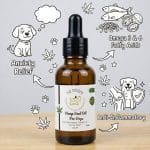
- Omega-6:3 Balance: As I often explain, the “heat” myth in Indian households, often attributed to chicken or eggs, is actually an Omega-6 inflammation spike. Commercial Indian chicken has an Omega-6:3 ratio as high as 20:1 or 30:1, far from the ideal 7:1. The Hemp Meal Balancer bridges this critical gap by providing a balanced blend of Omega-3s and the anti-inflammatory Omega-6, Gamma-Linolenic Acid (GLA), from hemp. This helps reduce inflammation, leading to healthier skin, a shinier coat, and fewer instances of paw licking or ear infections.
- Prebiotic Fibre: Just like beetroot, the Hemp Meal Balancer contains beneficial fibres that support gut health, aiding digestion and nutrient absorption. This is crucial for overall immunity and can help settle your dog’s stomach during diet transitions.
- Essential Vitamins & Minerals: It fortifies your dog’s diet with a broad spectrum of micronutrients that are often lacking in homemade meals, ensuring every bowl is a complete and thriving meal, not just a survival one.
By simply adding a scoop of Hemp Meal Balancer to your dog’s cooked meals, you can turn a good intention into truly complete nutrition, addressing the underlying imbalances that even healthy additions like beetroot can’t fix on their own.
Common Mistakes Indian Pet Parents Make with Vegetables
Even with the best intentions, it’s easy to make mistakes when adding vegetables like beetroot to your dog’s diet:
- Feeding Raw Vegetables: As discussed, dogs lack salivary amylase, making raw vegetables very difficult to digest. This can lead to stomach upset, gas, and poor nutrient absorption. Always cook vegetables until soft.
- Over-Reliance on Vegetables: While beneficial, vegetables should only constitute a small portion (around 10-15%) of your dog’s overall diet. Their primary nutrition comes from meat-based protein and fats. Too many vegetables can displace essential meat proteins.
- Ignoring Calcium:Phosphorus Balance: Adding vegetables doesn’t solve the critical 1.2:1 Calcium:Phosphorus ratio needed for bone health. If you’re feeding boneless meat, you still need to supplement calcium through dehydrated chicken feet or eggshell powder.
- Not Considering the ‘Heat’ Myth Accurately: Many Indian pet parents stop feeding chicken when their dog gets rashes, attributing it to “heat.” As I’ve explained, this is almost always an Omega-6 inflammatory response from commercial chicken. Removing the protein, instead of balancing the fats with something like hemp seed oil or anchovies, deprives your dog of essential protein.
- Assuming All Veggies are Safe: Not all vegetables are safe for dogs. Onions, garlic, chives, and avocados are toxic. Always research before introducing a new vegetable.
Final Thoughts on Beetroot for Your Indian Dog
Beetroot is a healthy, colourful addition to your dog’s home-cooked diet, offering a range of vitamins, minerals, fibre, and antioxidants. The sight of pink urine after feeding beetroot, or beeturia, is a normal and harmless reaction due to the natural pigments. The key is to prepare it properly, ensuring it’s cooked and mashed, and to serve it in moderation.
However, remember that no single ingredient, no matter how nutritious, can provide complete and balanced nutrition for your carnivore. For a truly optimal diet that supports long-term health, addresses common dietary imbalances in Indian households, and ensures your dog is thriving, consider integrating a complete nutritional balancer. Our Hemp Meal Balancer is designed to complement your home-cooked meals, providing the missing amino acids, balancing Omega-6:3 ratios, and supporting gut health, making every meal a powerhouse of nutrition.