![Best Dehydrated Treats for Mudhol Hound in India [2026]](https://thedoggos.in/wp-content/uploads/2026/03/best-dehydrated-treats-mudhol-hound-india-featured.jpg "Best Dehydrated Treats for Mudhol Hound in India [2026] 1")
Your Mudhol Hound, what a magnificent creature, right? They’re living echoes of ancient Indian hunting prowess. That lean, athletic build, that piercing gaze. They’re not just pets, you know; they’re partners, heirs to a lineage built for speed and endurance across the Deccan plains. But here’s the thing: are you really feeding this regal sighthound like the carnivore they truly are, or are you, maybe without even realizing it, messing with their health because of all that processed kibble or just plain, boneless home food?
Look, the truth is, your Mudhol Hound, even after all these generations of living with us, is still 99.9% wolf inside. Their gut is literally built for meat, bones, and organs, not grains and all those weird fillers. So, when we talk treats, we’ve gotta pick natural, species-appropriate stuff. Things that don’t just taste great, but actually help them stay healthy. For Mudhol Hounds here in India, dehydrated treats aren’t just some snack, na? They’re like functional medicine. They give them all those crucial nutrients, help with their teeth, and even keep their minds busy, all in a super safe, clean way.
The Mudhol Hound: A Predator’s Needs in an Indian Home
Mudhol Hounds are famous for their insane speed, agility, and stamina. What does that mean for their bodies? Well, everything’s constantly working overtime, especially their joints, muscles, and heart. And because they’re so lean, they don’t have much fat to keep them warm. So, a healthy skin and coat? Super important.
Honestly, as a certified canine nutritionist, I’ve seen *so* many Mudhol Hounds. They come in with all sorts of problems, from limping for no clear reason and early arthritis to constant itching and really bad teeth. And more often than not, the real problem? It’s usually the food. A diet that’s just not right for a carnivore, especially an active Indian sighthound like them. High-carb kibble and those boneless home meals just don’t cut it, leading to things like:
- Joint Issues: They just don’t get enough natural collagen, glucosamine, and chondroitin.
- Dental Disease: Nothing to naturally scrape off that plaque.
- Skin & Coat Problems: Inflammatory diets, short on those essential fatty acids.
- Low Energy/Poor Recovery: Not enough good quality protein and tiny, but mighty, nutrients.
- Digestive Strain: Grains and fillers? A carnivore’s short gut has a tough time with those.
And this is exactly where our “Desi Carnivore” method steps in. We totally get that biological need for meat and bone. But hey, we also live in India, right? With our wet markets and the whole household hygiene thing. So, our solution? It’s simple, but I think it’s pretty game-changing: Cook the Meal, Dehydrate the Bone.
Why “Dehydrated” is the Desi Carnivore’s Goldilocks Solution for Your Mudhol
I get so many DMs and questions from Indian pet parents about raw bones. Or, even worse, about pressure-cooking chicken with bones and giving that to their dogs. Guys, let me be super clear on this: NEVER, ever feed your dog cooked bones. When you cook bones with high heat, they get brittle. Super brittle. They can shatter into sharp, jagged splinters that can poke holes in your Mudhol Hound’s intestines. That can lead to fatal peritonitis. Seriously, this isn’t just a suggestion; it’s a non-negotiable safety rule. Don’t risk it.
Now, the idea of raw feeding? Biologically, it sounds great. But honestly, it opens up a pretty big hygiene problem in Indian homes. Think about it: our wet markets, with all that humidity and open air, they’re basically a party for bacteria like Salmonella and E.coli. Sure, a dog’s stomach acid is super strong (pH 1-2), but the risk of all that bacteria spreading around your house? Especially with a dog who loves to drag stuff onto your rugs and then, you know, lick your face? It’s just too high to ethically ignore. We love the concept of raw, but the reality here in India means we need a different way.
It’s about finding the sweet spot between what’s best for them and what’s practical for us.
So, this is exactly why dehydrated bones and chews are that perfect “Goldilocks” solution for your Mudhol Hound:
- Safety: Dehydration is a slow, low-temperature drying process (think 20+ hours) that keeps the bone’s natural, porous structure intact. So, unlike cooked bones, these just crumble into a safe, chalky powder. No dangerous splinters here!
- Hygiene: This process seriously cuts down on moisture, which means bacteria can’t really grow. Much safer for your home than those raw bones you might get from the wet market.
- Nutrient Retention: Low-temp dehydration does a much better job of keeping vital nutrients, like calcium, phosphorus, collagen, and trace minerals, compared to cooking them at high heat.
- Dental Health: When your dog chews on these, it naturally scrapes away plaque and tartar. This helps stop dental disease, which, let’s be real, is super common in kibble-fed dogs.
- Mental Enrichment: Chewing is a natural de-stressor for dogs. It releases endorphins and serotonin, making them feel good. And for active breeds like Mudhols, who need their brains worked just as much as their bodies, this is absolutely key.
Dehydrated Treats: Functional Medicine for Your Mudhol Hound
Alright, let’s get down to brass tacks. What exact dehydrated treats should your Mudhol Hound be munching on, and why are they so good?
1. Dehydrated Chicken Feet: The Natural Joint Pill & Dental Scraper
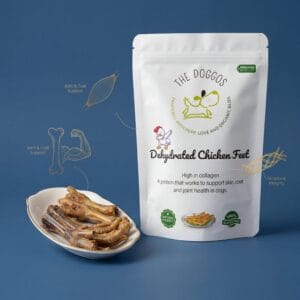
Your Mudhol Hound’s powerful legs and quick moves? They really put a lot of strain on their joints. And get this: those chicken feet, often just thrown away here in India, are a total goldmine! Each Dehydrated Chicken Foot has about 450mg of natural glucosamine and chondroitin. Those are the actual building blocks for healthy cartilage and joint fluid, you know? It’s basically a natural joint supplement, way better than any of those synthetic pills.
Why it matters for Mudhols: It helps prevent and support issues like hip and elbow dysplasia, which we see a lot in active, big breeds. Plus, all that gnawing on the little bones? It’s like a natural toothbrush, literally scraping plaque right off their teeth. Pretty cool, right?
2. Dehydrated Whole Quail: The Hypoallergenic Whole-Prey Powerhouse
Got a Mudhol Hound with a sensitive stomach or that weird, unexplained itching? A novel protein like Dehydrated Whole Quail could seriously change things. A lot of allergies, you see, come from dogs eating the same common proteins over and over. But quail? Chances are, your dog’s immune system has never even seen it before.
Why it matters for Mudhols: Whole quail gives them a really balanced calcium:phosphorus ratio (super important for strong bones, especially for a sighthound’s entire skeleton). Plus, there’s manganese, which is absolutely vital for strong ligaments, maybe even stopping those nasty CCL tears. And the feathers? People often miss this, but they’re insoluble keratin that acts like a natural “colon sweep,” scrubbing those intestinal walls and bulking up their stool. That can actually help express anal glands naturally. Got a dog scooting their bum? Try a feather. Seriously.
3. Dehydrated Mutton Trotters: The Long-Lasting Dental & Recovery Chew
Want a really serious chewing session that cleans teeth *and* makes your dog super happy mentally? Nothing, and I mean nothing, beats a Dehydrated Mutton Trotter. They’re packed with collagen, which is just brilliant for skin, coat, and joint health.
Why it matters for Mudhols: That dense bone structure means a long-lasting chew. It’ll scrape off even the most stubborn plaque. Mutton’s also considered a “warming” protein in Ayurveda/TCM, loaded with iron and zinc. So it’s an awesome recovery food, especially for Mudhols getting over tick fever or who just need an iron boost. (Think about it: it’s got 3x the iron and 4x the zinc of chicken!). And all that sustained chewing? It releases dopamine and serotonin, which keeps your high-energy Mudhol nice and calm and happy.
4. Dehydrated Anchovies/Sardines: The Omega-3 Brain & Coat Booster
Here’s a little secret most vets won’t tell you: the commercial chicken we get here in India? It’s famously, even notoriously, high in inflammatory Omega-6 fatty acids. We’re talking ratios of 20:1 to 30:1 sometimes! This imbalance is the main reason behind all that “unexplained” itching, paw licking, and those never-ending ear infections. Your Mudhol Hound desperately needs Omega-3s to get things back in balance.
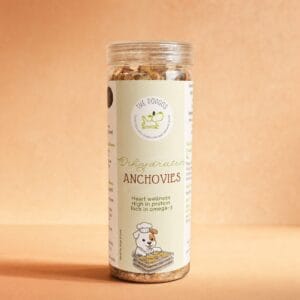
Why it matters for Mudhols: Dehydrated Anchovies or Sardines are tiny, short-lived fish. That’s good, because it means they’re low on the food chain and don’t collect heavy metals like bigger fish do. They’re absolutely bursting with DHA, which is super important for puppy brain development (makes them easier to train, trust me!) and for keeping Cognitive Dysfunction Syndrome away from senior Mudhols. They also give them EPA, a really strong anti-inflammatory that can sort out a ton of skin and coat problems. So, these aren’t just “toppers” for their meal, you know. They’re “balancers.”
5. Dehydrated Goat Ears: Crunchy Dental & Fiber Fun
Want a really satisfying crunch and some extra dental benefits? Dehydrated Goat Ears are just awesome. And the natural fur on them? It’s like insoluble fiber, helping digestion and literally sweeping through the digestive tract. Just like the feathers on a quail.
Why it matters for Mudhols: Well, they give a different texture for cleaning teeth, plus a natural source of fiber. That’s something often missing in diets that are mostly meat and don’t have whole prey or carefully picked plant stuff. And bonus: they’re a novel protein, so less chance of causing those sensitivities you sometimes see with chicken.
6. Dehydrated Pig Bone: The Heavy-Duty Chewer’s Choice
Got a Mudhol Hound with super powerful jaws and a serious, I mean *serious*, need to chew? A Dehydrated Pig Bone is gonna give them a long-lasting, super satisfying experience. It’s also a fantastic source of calcium and phosphorus for really strong bones.
Why it matters for Mudhols: It gives them tons of mental enrichment and jaw exercise for a long time, which helps keep boredom and destructive chewing at bay. Just make sure you always watch your Mudhol when they’re chewing any bone, especially the bigger ones, so they stay safe.
Beyond the Treat: The Science of Species-Appropriate Snacking
Understanding the science here really drives home why these treats are just miles better than those commercial alternatives. You know, like Parle-G biscuits (which are basically sugar and maida, and will absolutely rot their teeth) or just any old processed chew.
The Calcium:Phosphorus Ratio (1.2:1)
This is the absolute first golden rule for every single meal, and yes, it totally applies to treats too. Meat gives them phosphorus, and bone gives them calcium. If you’re feeding a boneless home diet, even if it’s just chicken and rice, guess what? Over the years, it’ll actually start pulling calcium right out of your Mudhol’s own skeleton. That leads to things like osteopenia or “Rubber Jaw” syndrome. But dehydrated bones, like Chicken Feet, Whole Quail, or Pig Bones, they give them that super important balance. That means strong bones and teeth for your active Mudhol. No compromises.
The Omega-6:3 Balance
Like I said before, commercial Indian chicken is basically an Omega-6 bomb. And this isn’t “heat” like in Ayurveda; it’s straight-up inflammation. That’s what causes all those persistent skin problems. So, adding Omega-3 rich treats like Anchovies, or maybe supplementing with Hemp Seed Oil (which, by the way, has GLA, an anti-inflammatory Omega-6) is absolutely essential. Plus, Hemp Seed Oil is a really great plant-based choice for vegetarian families or folks who just can’t stand the smell of fish.
Digestibility and Gut Health
Fresh food, and that includes our dehydrated treats, gets digested at an amazing 90-94% rate. Kibble? Only about 80%. What does that actually mean? More nutrients get absorbed, and you get smaller, firmer stools. Your Mudhol Hound’s gut is built for quick, efficient protein processing (their intestinal transit time is only 12-30 hours), not for fermenting grains. And high-carb diets? They also bump up stomach pH, which makes dogs more likely to get bacterial infections and less good at breaking down bone.
Practical Guide: Incorporating Dehydrated Treats into Your Mudhol Hound’s Diet
Dehydrated treats? These shouldn’t just be an afterthought, you know. They absolutely need to be a core part of your Mudhol Hound’s health plan. Here’s how you can easily weave them into their daily life:
- Daily Dental & Joint Support: Give 1-2 Dehydrated Chicken Feet every day. They’re small, super easy for them to eat, and give them constant joint support and help clean their teeth.
- Weekly Enrichment & Deep Clean: Offer a Dehydrated Mutton Trotter or Dehydrated Pig Bone 2-3 times a week for a really long chewing session. This is awesome for their minds and gets rid of plaque really well. Just always, always watch your dog with bigger bones.
- Omega-3 Boost with Meals: Just crumble 2-3 Dehydrated Anchovies right over your Mudhol’s main meal every day. That way, they’re consistently getting those anti-inflammatory Omega-3s. Or, if you prefer, add a few drops of Hemp Seed Oil to their food.
- Novel Protein & Gut Reset: If your Mudhol’s tummy is upset or their skin is flaring up, a Dehydrated Whole Quail can be a great option. Use it as part of an elimination diet or just as a super nutrient-dense, gut-friendly meal replacement a few times a month.
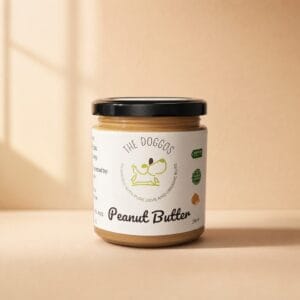
- Training & Rewards: For training, grab smaller, easily breakable treats like our Pumpkin Peanut Butter Biscuits (made with zero xylitol peanut butter) or little pieces of dehydrated jerky. (My Indie dogs go crazy for these, by the way!)
Just remember, these treats are packed with nutrients. So, you’ll want to slightly tweak their main meal portion to balance out the calories from these treats. Especially important if your Mudhol isn’t super active or if they’re watching their weight.
Common Mistakes Indian Pet Parents Make with Mudhol Hounds
Look, even with the best intentions, a lot of Indian dog parents tend to fall into some really common traps. Traps that, sadly, mess with their Mudhol Hound’s health:
- The Cooked Bone Catastrophe: Like I’ve said, and I can’t stress this enough, feeding pressure-cooked bones is incredibly dangerous. Thinking that cooking somehow makes bones safe? That’s a myth, plain and simple, and it can have fatal consequences.
- The Boneless Diet Dilemma: Just feeding chicken and rice, with absolutely no calcium at all (like from dehydrated bones or even eggshell powder), will lead to a really severe calcium deficiency over time. Your Mudhol’s body will literally start cannibalizing its own bones.
- “Heat” Misconception: Blaming skin issues on “chicken heat”? That’s just a misunderstanding. Almost always, it’s inflammation from Omega-6s, usually from corn/soy-fed commercial chicken. Balance that with Omega-3s or GLA-rich Hemp Seed Oil, and you’ll solve the problem, letting your Mudhol enjoy this great protein.
- Kibble as the Sole Source: If you’re only relying on kibble, which, let’s face it, is often packed with carbs and short on good, usable nutrients, you’re setting up your Mudhol Hound for chronic inflammation and digestive stress. Not ideal for a carnivore.
- Ignoring Dental Health: Thinking brushing alone is enough? Nope. Natural chewing on the right kind of dehydrated chews is *the* most effective way to stop plaque and tartar from building up. That stuff can lead to really painful dental disease and infections throughout their body.
- Treating Treats as Just “Snacks”: Not realizing that dehydrated treats are actually super powerful functional foods. They contribute a *lot* to their overall health, they’re not just empty calories.
So, by dodging these common mistakes and really embracing our “Desi Carnivore” method, you’re honestly giving your Mudhol Hound the absolute best shot at a long, super healthy, and vibrant life. It’s worth it.
Frequently Asked Questions About Dehydrated Treats for Mudhol Hounds
Q1: Are dehydrated treats safe for Mudhol Hounds?
**A1:** Yes, totally! Dehydrated treats, especially bones, are super safe for your Mudhol Hounds. That’s because the low-temperature drying process makes sure the bones stay flexible and just crumble away safely. No brittle, dangerous cooked bones here. Plus, they really help with those hygiene worries people have about raw feeding in India.
Q2: How often should I give my Mudhol Hound dehydrated treats?
**A2:** For the best results, you can give small treats like Dehydrated Chicken Feet or Anchovies every single day. For the bigger, longer-lasting chews, like Mutton Trotters or Pig Bones, offer those 2-3 times a week. They’re great for teeth and keeping their minds busy. Just remember to think about your dog’s size, how active they are, and what their overall diet looks like.
Q3: Can dehydrated treats replace meals for my Mudhol Hound?
**A3:** They’re super nutritious, yes, but most dehydrated treats are really meant to be supplements or functional snacks. Now, a Dehydrated Whole Quail? That can absolutely work as a meal replacement because it’s got a full nutritional profile. But usually, treats should just add to a balanced fresh food diet, not totally take its place. And always, always make sure their main meals have the right calcium:phosphorus ratio.
Q4: What about dental health for Mudhol Hounds?
**A4:** Dehydrated chews are brilliant for their dental health. When they chew on treats like Chicken Feet, Mutton Trotters, or Goat Ears, it naturally scrapes away plaque and tartar, which stops dental disease from even starting. Honestly, for a carnivore’s mouth, this is way, way more effective than just brushing.
Q5: Are there any treats to avoid for Mudhol Hounds?
**A5:** Oh, absolutely. Stay clear of *any* cooked bones (especially chicken ones), and those super processed commercial treats crammed with sugar, maida, and artificial stuff (you know, like Parle-G or Marie biscuits). Also, rawhide is a big no-no; it can be a choking hazard and cause tummy troubles. Just stick to natural, single-ingredient dehydrated options for your Mudhol Hound. It’s the safest bet.
Your Mudhol Hound truly deserves a diet that respects their magnificent heritage and totally supports their active life. When you pick The Doggos’ dehydrated treats, you’re not just handing out a snack. You’re actually investing in their joint health, keeping their teeth clean, boosting their mental well-being, and really, their overall vitality. That’s the “Desi Carnivore” way. And hey, if you want more specific advice, you can always learn more about Mahiv Amit Chhabra and our whole philosophy.