![best natural dog food for pugs india - Best Natural Dog Food for Pugs in India [2026]: A Desi Carnivore's Guide](https://thedoggos.in/wp-content/uploads/2026/04/best-natural-dog-food-pugs-india-featured.jpg "Best Natural Dog Food for Pugs in India [2026]: A Desi Carnivore's Guide 1")
That charming wrinkle-nosed face, the adorable snorts, the playful antics… Pugs just steal our hearts, don’t they? But behind that irresistible appeal lies a breed with some really unique health considerations, especially when it comes to what they eat. As a certified canine nutritionist and the voice of The Doggos, I’m here to tell you that finding the best natural dog food for Pugs in India isn’t just about what’s trendy; it’s about truly understanding their biology and, super importantly, our Indian environment.
So, what exactly is the best natural dog food for Pugs in India? For 2026, the ideal natural diet for Pugs here is a carefully balanced, home-cooked meat-based meal. You’ll want to pair that with safe dehydrated bones for calcium and dental health, and definitely supplement with anti-inflammatory omega-3s and skin-healing superfoods. This isn’t just a random plan. This approach directly tackles common Pug weak spots like skin issues, joint problems, and obesity, all while keeping hygiene top of mind for Indian homes.
Why Your Pug Deserves the Best Natural Dog Food in India
Pugs are a brachycephalic breed. Yeah, that’s a fancy word for those adorable flat faces they have. Cute as they are, this structure brings its own set of challenges: breathing can be a bit compromised, they’re super susceptible to overheating, and their teeth often get crowded. They’re also prone to specific health issues. A lot of them, actually:
- Skin Fold Dermatitis: Those cute wrinkles? They can easily trap moisture and bacteria, which often leads to infections.
- Obesity: Pugs, bless their hearts, love to eat. And they gain weight super easily. This then makes their breathing and joint problems even worse.
- Joint Issues: Patellar luxation (that’s when the kneecap slips) and hip dysplasia are pretty common in Pugs.
- Dental Problems: Crowded teeth mean they’re more likely to get plaque and tartar buildup.
- Allergies: So many Pugs struggle with environmental or food allergies. You’ll see it as itching, paw licking, and nasty ear infections.
A natural, species-appropriate diet can really reduce these risks. Think about it: when we feed our Pugs processed kibble full of fillers, artificial colours, and unbalanced fats, we’re basically just fueling inflammation and messing with their delicate systems. Your Pug, remember, has the same pH 1-2 stomach acid as a wolf. It’s built for meat, not grains. Period.
The Desi Carnivore Method for Pugs: Cook the Meal, Dehydrate the Bone
In India, the whole raw feeding debate often gets complicated by our unique challenges. I’m a huge believer in the biological benefits of raw, truly. But the practicalities of raw meat hygiene in an Indian home? That’s a concern I just can’t ignore. That’s why I developed the "Cook the Meal, Dehydrate the Bone" method. It’s a safe, effective middle path, and honestly, it’s perfect for your Pug.
1. Cook the Meat: Safety First for Your Pug
Indian wet markets, with all their humidity and varying storage conditions, mean raw meat carries a higher risk of bacterial contamination. We’re talking Salmonella and E.coli here. While your Pug’s super-acidic stomach can often handle those pathogens, why even introduce that risk into your home? Gently home-cooking (a pressure cooker works wonders, by the way) kills these bacteria, making the meat safe for both your family and your Pug. This step? It’s non-negotiable for us at The Doggos.
2. Debone After Cooking: A Critical Step
Here’s the thing , this is where a lot of well-meaning Indian pet parents go wrong. They pressure-cook chicken with the bones, then feed it all. NEVER feed cooked bones to your Pug. High heat makes bones brittle. They shatter into sharp, jagged splinters. These can easily perforate your Pug’s short intestines, leading to something called fatal peritonitis. It’s serious. Always, always debone the cooked meat before serving. No exceptions.
3. Dehydrated Bones/Chews: The Goldilocks Solution for Calcium & Dental Health
Okay, so if cooked bones are dangerous and raw bones are a hygiene risk in an Indian household, how does your Pug get that essential calcium? This is where dehydrated bones and chews come in. Dehydration, which is a low-temperature, long-hour process, actually keeps the bone’s porous structure intact. This means they crumble into a safe, chalky powder when chewed, instead of splintering. They’re amazing for your Pug’s dental health, acting like natural toothbrushes to scrape away plaque. And they provide crucial, bioavailable calcium. For Pugs, who often have crowded teeth, a good chew is absolutely vital for preventing dental disease.
Check out our guide on why dehydrated treats are good for dogs to learn more about their benefits. You’ll be surprised.
The Essential Building Blocks of a Pug’s Natural Diet
A balanced natural diet for your Pug isn’t really that complicated. It basically revolves around these core components:
1. High-Quality Animal Protein
Meat should be the absolute star of every meal. It gives them essential amino acids for strong muscles, healthy skin, and a robust immune system. For Pugs, especially those prone to allergies, rotating proteins or choosing what we call “novel proteins” is a smart strategy.
2. Healthy Fats
Fats are a concentrated source of energy, and they’re vital for absorbing nutrients, keeping skin healthy, and good brain function. The key here is balance, especially the Omega-6 to Omega-3 ratio. We’ll talk about that more in a bit.
3. Low Glycemic Vegetables & Fruits
Small amounts of nutrient-dense vegetables and fruits provide essential vitamins, minerals, and fibre. But definitely avoid starchy fillers. Things like excessive rice or roti? They can really contribute to obesity and inflammation in Pugs. Remember, a dog’s saliva doesn’t have amylase, which means grains hit their stomach undigested, putting a strain on their pancreas.
4. Organ Meats
Often called nature’s multivitamins, organ meats like liver, kidney, and heart are just packed with vitamins (A, B, D, E, K), minerals, and amino acids. A small amount daily, or even just a few times a week, is incredibly beneficial. Seriously.
Balancing the Bowl: Calcium, Omega-3s, and Why They Matter for Pugs
These two rules? They’re the bedrock of a truly nourishing natural diet for your Pug. Don’t skip them.
1. The Calcium:Phosphorus Ratio (1.2:1)
Meat is rich in phosphorus. But boneless meat? It just doesn’t have enough calcium. If you feed a boneless home diet long-term, your Pug’s body will start leaching calcium from its own bones. This leads to nasty conditions like osteopenia or what’s known as "Rubber Jaw" syndrome. This is especially critical for Pugs, who are already prone to joint issues. The solution? Safe calcium sources.
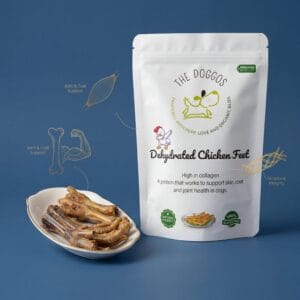
- Dehydrated Bones: Our Dehydrated Chicken Feet (Rs.199) are an excellent source of calcium, glucosamine, and chondroitin. And that glucosamine, at about 450mg per foot, is basically a natural joint pill. Perfect for supporting your Pug’s susceptible joints.
- Eggshell Powder: Finely ground, sterilised eggshells are a good alternative if you’re making things at home.
- Calcium Citrate: A supplement, sure, but always dose it super carefully.
Learn more about bone safety for dogs here. It’s important.
2. The Omega-6:3 Balance
Commercial Indian chicken? It’s typically corn/soy-fed. This usually leads to an Omega 6:3 ratio of like, 20:1 to 30:1. The ideal for dogs is around 7:1. That imbalance? It floods your Pug’s body with inflammatory markers, causing common Pug complaints like:
- Chronic paw licking.
- Hot spots (especially in those cute skin folds).
- Persistent ear infections.
- "Unexplained" itching and dandruff.
This isn’t just about comfort, yaar. Chronic inflammation contributes to systemic health problems. The fix is simple: you MUST add Omega-3 to every chicken meal.
- Hemp Seed Oil: Our Hemp Seed Oil (from Rs.300) is a powerhouse. It’s rich in GLA (Gamma-Linolenic Acid), a rare Omega-6 that actually acts as an anti-inflammatory. GLA bypasses the enzyme deficiency often seen in dogs with Atopic Dermatitis, directly reducing inflammation and keeping your Pug’s skin barrier moist and healthy. It’s also great for managing anxiety. (My Indie dog gets this every festive season, helps a lot).
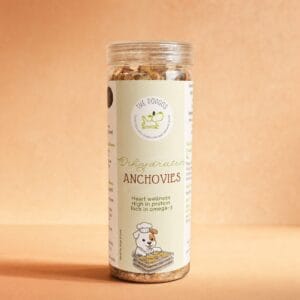
- Dehydrated Anchovies/Sardines: "Eat low on the food chain" is my mantra. Small fish like Dehydrated Anchovies (Rs.599) and Dehydrated Sardines (from Rs.350) are packed with DHA for brain health and anti-inflammatory EPA, without the heavy metal concerns you get from larger fish.
These aren’t just "toppers." They are "balancers" for your Pug’s diet. Read more about hemp supplements for dogs. You’ll thank me later.
The ‘Heat’ Myth & Pugs: Understanding Inflammation, Not Temperature
A lot of Indian pet parents worry about chicken causing "heat" in their dogs, leading to itching or rashes. This is a super common misconception, often rooted in Ayurveda/TCM, but the ‘heat’ you’re observing is almost always Omega-6 induced inflammation, not thermal heat. While meat does have a slightly higher Thermic Effect of Food (TEF), those rashes, paw licking, and ear infections Pugs experience? They’re a direct result of an unbalanced Omega-6:3 ratio. Balancing fats with cooling Hemp Seed Oil or rich fish oils resolves this. No need to stop feeding excellent protein like chicken.
Top Natural Food Choices for Your Pug in India
Here’s a look at some of the best protein sources for your Pug, with our Desi Carnivore twist:
1. Chicken: The Daily Staple (with a caveat)
Chicken is a highly digestible, lean protein, just perfect for Pugs who need to maintain a healthy weight. We’re talking about 27g protein per 100g breast, making it a great daily option. However, remember that Omega-6 imbalance we talked about. Always wash chicken with turmeric water (it’s a natural antiseptic!) before pressure cooking. Then, DEBONE meticulously after cooking. And crucially, add Hemp Seed Oil or Dehydrated Anchovies to every single chicken meal.
2. Mutton (Goat): The Recovery & Warming Protein
Mutton is what I call a "recovery meat." It offers like, 3x the iron and 4x the zinc of chicken. It’s fantastic for Pugs bouncing back from illness (like tick fever), senior Pugs with stiff joints, or any Pug needing a nutritional boost. In Ayurveda, it’s considered a "warming" protein, which makes it excellent for winter or for dogs who seem a bit lethargic. Goat is leaner than commercial chicken, and its different protein structure means many chicken-allergic Pugs actually do really well on it.
3. Quail: Hypoallergenic Super-Prey for Sensitive Pugs
If your Pug struggles with allergies, Dehydrated Whole Quail (Rs.249) is a total real fix. It’s a novel protein, meaning your Pug’s immune system has likely never encountered it. This makes it ideal for elimination diets. Whole quail gives them manganese (great for ligament health, which is crucial for Pug joints) and its feathers act as a natural "colon sweep," helping with anal gland expression and gut health. For an itchy Pug, a whole quail chew can also release endorphins, giving them some natural stress relief. Pretty cool, right?
4. Anchovies/Sardines: Brain Food & Anti-Inflammatory Powerhouse
Beyond just balancing Omega-3s, these small fish are vital for your Pug’s cognitive health, especially as they get older. DHA supports brain development in puppies (making them easier to train, bonus!) and helps prevent Cognitive Dysfunction Syndrome in senior Pugs. Our Dehydrated Anchovies are odour-controlled, which makes them a practical choice for any Indian household. No stinky fish smells, thank goodness.
Superfoods for Your Pug’s Health: Beyond the Plate
To really improve your Pug’s diet, consider these powerful additions:
1. Hemp Seed Oil: Skin, Joints, & Calm
As I mentioned, our Hemp Seed Oil is a true superhero for Pugs. Its GLA content directly fights inflammation, making it like direct medicine for dry, cracking paws, dandruff, and those pesky skin fold irritations. It also has a mild anxiolytic (calming) effect, perfect for Pugs who can be prone to stress or during festive seasons like Diwali. Start adding it 7 days before any expected stressor. You’ll see a difference.
2. Baobab Oil: The Ultimate Skin Healer for Pugs
Pugs, with their skin folds and delicate skin, can really suffer from all sorts of dermatological issues. Unlike heavy oils that just sit on the skin surface, Baobab Oil (Rs.1400) has a unique fatty acid profile (high Palmitic and Oleic acid) that absorbs deep into the epidermis. It mimics and heals your Pug’s natural lipid barrier from the inside out. I’ve seen incredible results with this: fungal infections gone, alopecia reversed, hot spots dried in 24 hours, and hyperkeratosis (crusty noses) resolved in weeks. Honestly, it’s a must-have for any Pug parent. Really, it is.
3. Baobab Powder: Immune Shield & Gut Health
Baobab Powder (available in our mask product, but pure powder can be used internally) is a fantastic source of Vitamin C (5-6x more than oranges!). This really boosts your Pug’s immune system. It also provides prebiotic fibre, which is excellent for settling the gut during diet transitions or for Pugs with sensitive stomachs. Good stuff.
A Pug’s Daily Meal Plan: The Golden Chicken Bowl & More
Here’s a practical approach to feeding your Pug the best natural dog food in India:
The "Golden Chicken Bowl" for Pugs (Daily Staple)
- Ingredients: 500g chicken thighs (bone-in, skin-on for taurine) + 50g liver (Vitamin A) + 100g red pumpkin (fibre) + 1-2 pumps of Hemp Seed Oil (or a pinch of Hemp Meal Balancer, Rs.399) + turmeric paste.
- Method: Pressure cook chicken, liver, and pumpkin for 2-3 whistles. Once cooked, DEBONE COMPLETELY. Mash the pumpkin into the broth. Allow to cool, then mix in the Hemp Seed Oil/Balancer. Simple.
- Portion Control: For Pugs, who are so prone to obesity, precise portioning is absolutely key. Always consult your vet or a canine nutritionist for exact caloric needs based on your Pug’s age, weight, and activity level. Don’t eyeball it!
Treats & Chews for Your Pug: Functional Medicine
Dehydrated treats aren’t just snacks. No, they’re functional medicine for your Pug. They provide mental enrichment, help clean those teeth, and give them essential nutrients.
- Dental Health: Dehydrated Chicken Feet (Rs.199) are fantastic for scraping plaque from those crowded Pug teeth.
- Joint Support: The natural glucosamine in Chicken Feet helps support delicate Pug joints. Seriously helpful.
- Mental Stimulation: Chewing releases endorphins, making your Pug calmer and happier. Try a Dehydrated Mutton Trotter (Rs.399) for a longer-lasting chew. They love these.
For more options, explore our dehydrated dog treats landing page.
Transitioning Your Pug to a Natural Diet
Sudden diet changes can really upset your Pug’s stomach. So, follow this 7-day transition protocol:
- Days 1-2: 75% old food + 25% new natural food.
- Days 3-4: 50% old food + 50% new natural food. Don’t worry if you see some mucus in the stool; this is normal as the gut sheds its old lining.
- Days 5-6: 25% old food + 75% new natural food.
- Day 7: 100% fresh natural food. Hooray!
If your Pug experiences significant digestive upset, just add a pinch of Baobab Powder (used for its prebiotic fibre, consult for internal use) or extra cooked pumpkin to settle their stomach. You can find more full feeding advice on our complete feeding guide.
Common Mistakes Indian Pug Parents Make
As Mahiv Amit Chhabra, I’ve seen these pitfalls repeatedly. Trust me on this:
- Feeding Cooked Bones: As discussed, this is incredibly dangerous. Always debone cooked meat. There’s no exception.
- Relying on Roti or Rice as the Main Diet: While a small amount of rice can be a carb source, roti (especially maida-based) and excessive rice just aren’t species-appropriate. They really contribute to inflammation, obesity, and strain your Pug’s digestive system. See our guide on roti for dogs.
- Ignoring Omega-3s: This is perhaps the biggest silent killer of skin and joint health in Indian dogs. Without balancing the Omega-6, you’re constantly fighting inflammation. It’s a losing battle.
- Overfeeding: Pugs are so prone to obesity. And that severely impacts their breathing and joints. Measure food carefully and avoid free-feeding. Please.
- Giving Commercial Biscuits: Parle-G and Marie biscuits are full of sugar and maida. They’ll rot teeth and offer absolutely zero nutrition. Give a functional, natural chew instead, like a Dehydrated Chicken Foot. It’s so much better for them.
Frequently Asked Questions About Natural Dog Food for Pugs in India
Q: Can Pugs eat a vegetarian diet in India?
A: Pugs are biologically carnivores, just like all dogs. While they *can* survive on a vegetarian diet, they absolutely won’t thrive. A truly natural diet for Pugs in India must be meat-based to meet their biological needs for protein, specific amino acids, and essential nutrients like taurine, which are super scarce in plant-based diets. Vegetarian diets often lead to deficiencies and compromise their overall health. It’s just not ideal.
Q: How can I prevent skin issues in my Pug with natural food?
A: Preventing Pug skin issues starts with a balanced diet rich in Omega-3 fatty acids and anti-inflammatory ingredients. You should incorporate Hemp Seed Oil or Dehydrated Anchovies daily to reduce inflammation. On top of that, Baobab Oil can be applied topically to heal and protect skin folds and treat hot spots. It provides a natural barrier and amazing healing properties. I’ve seen it work wonders. (My Lab goes crazy for the taste of the anchovies, too!)
Q: Are dehydrated treats safe for Pug puppies in India?
A: Yes, dehydrated treats are generally very safe and beneficial for Pug puppies in India. They give them essential calcium for growing bones, help with dental development, and offer great mental stimulation. Always choose single-ingredient, low-temperature dehydrated options like Dehydrated Chicken Feet, and make sure they’re appropriately sized for your puppy to prevent choking. And always, always supervise your puppy during chew time. Just to be safe.
Q: What should I avoid feeding my Pug in India?
A: In India, avoid feeding your Pug cooked bones (big no-no), excessive rice or roti as a primary food source, commercial biscuits high in sugar and maida, and any foods toxic to dogs like chocolate, grapes, onions, and xylitol. Focus on whole, natural ingredients and stay away from highly processed pet foods that can contribute to inflammation and obesity. Your Pug will thank you for it.
Q: How much water should my Pug drink on a natural diet?
A: Pugs on a fresh, natural diet often drink less water, and this is completely normal. Fresh food is typically about 70% water, compared to kibble which is only around 10%. This increased moisture intake from their food is excellent for kidney health and overall hydration. However, always ensure fresh water is available, especially given India’s climate and your Pug’s tendency to overheat because of their flat face.
The Doggos Difference for Your Pug
At The Doggos, we’re really passionate about helping Indian pet parents give the best possible nutrition to their beloved companions, especially unique breeds like Pugs. Our "Cook the Meal, Dehydrate the Bone" philosophy is designed specifically for the realities of Indian homes. It ensures safety, nutrition, and species-appropriateness. It just makes sense.
From our inflammation-fighting Hemp Seed Oil to our joint-supporting Dehydrated Chicken Feet and skin-healing Baobab Oil, we have everything you need to help your Pug thrive. Remember, a healthy Pug is a happy Pug, and it all starts with what’s in their bowl. Feel free to explore our full range of products designed for your Desi Carnivore. We’re here to help.
For more breed-specific advice, check out our guides on best dehydrated treats for Pugs in India, best supplements for Pugs in India, and best grooming and skin care for Pugs in India.
Authored by Mahiv Amit Chhabra, certified canine nutritionist and author of "The Desi Carnivore."