![Best Grooming & Skin Care for Pug in India [2026]](https://thedoggos.in/wp-content/uploads/2026/03/best-grooming-skin-care-pug-india-featured.jpg "Best Grooming & Skin Care for Pug in India [2026] 1")
Is your adorable Pug always scratching, rocking red patches, or fighting that stubborn, funky smell in their wrinkles? Look, you’re absolutely not alone. Here in India’s one-of-a-kind climate, a lot of Pug parents feel like they’re in a constant war against skin problems. They often blame “heat” or just general allergies, but that’s usually not the full story. As Mahiv Amit Chhabra, The Desi Carnivore, I’m here to tell you something important: the real reasons are typically way simpler, and guess what? Way more fixable with the right diet and grooming.
**So, what’s the deal with the best grooming and skin care for Pugs in India? It’s really a two-part plan: first, super careful daily wrinkle cleaning with natural antiseptics, and second, a diet that’s right for their species, packed with anti-inflammatory Omega-3s. This helps fight off internal inflammation – that thing people often mistake for “heat” – which shows up as typical skin problems like itching, redness, and paw licking.**
Why Pug Skin is a Special Case in India
Pugs, with their super cute wrinkles and short coats, are especially prone to skin troubles, particularly in India’s humid and often hot weather. Those adorable folds, which make them so charming, also become perfect breeding grounds for bacteria and yeast if you don’t clean them every day. And then there’s that widespread myth about “heat” from certain foods. A lot of Indian pet parents actually make things worse by feeding unbalanced diets because of it.
**The Pug’s Unique Skin Challenges:**
- Skin Folds (Wrinkles): These deep little crevices trap moisture, food bits, and all sorts of gunk. This can easily lead to moisture-related skin irritation, bacterial infections (we call it pyoderma), and yeast infections (Malassezia dermatitis). That warm, moist environment? It’s basically an open invitation for these bad guys to set up shop.
- Short Coat: It might seem low maintenance, but a short coat actually gives less protection from environmental allergens and irritants. Pugs also shed quite a bit, so you’ve got to brush them regularly to get rid of dead hair and help air flow.
- Allergy Predisposition: Pugs are just genetically more likely to get atopic dermatitis (environmental allergies) and food allergies. The signs? Constant itching, red skin, ear infections, and too much paw licking. Sounds familiar, right?
- The “Heat” Myth in India: Honestly, this is where I see so many Indian parents go wrong. They cut out chicken or eggs, convinced these foods cause “heat” and then rashes. But here’s the thing, it’s not thermal heat. It’s almost always an inflammatory reaction to a diet that’s just not balanced, specifically too much Omega-6 fatty acids.
Debunking the “Heat” Myth: It’s Omega-6 Inflammation, Not Thermal Heat
Let’s just clear up this really common Indian misunderstanding right now. When you see your Pug get rashes or start itching after eating chicken or eggs, it’s rarely because the food itself is “hot.” What you’re actually seeing is a classic sign of **Omega-6 induced inflammation**.
Commercial Indian chicken, the kind raised on corn and soy, has a wildly off Omega-6 to Omega-3 ratio. We’re talking like 20:1 or even 30:1. For your dog to be truly healthy, their diet should ideally be closer to 5:1, maybe even 2:1. This huge imbalance just floods their system with stuff that causes inflammation, leading to those “heat” symptoms you notice: paw licking, hot spots, endless ear infections, and that “why are they itching?” mystery.
It’s a big deal. Stopping that protein source (like chicken) completely isn’t the solution. All that does is starve your little carnivore of essential amino acids. The real fix? You’ve got to **balance the fats**. By adding a strong source of anti-inflammatory Omega-3s, you can totally counteract that Omega-6 overload. That clears up the inflammation, letting your Pug enjoy the protein they’re meant to eat.
The Doggos Method: Diet is the Foundation of Healthy Skin
You can use all the fancy lotions and potions in the world, but if your Pug’s diet isn’t right, their skin will always show it. At The Doggos, my main belief, The Desi Carnivore Method, is all about creating a diet that’s right for Indian dogs: balanced, hygienic, and biologically appropriate.
1. Cook the Meat, Dehydrate the Bone: The Indian Middle Path
Look, I’m all for raw feeding because it matches what dogs biologically need (think super acidic stomach, short intestines). But the truth is, with Indian wet markets and our humid climate, raw meat can quickly turn into a cross-contamination nightmare. So, for the meat part:
- Cook the Meat: Gently pressure cook chicken or goat. This is crucial for killing off nasty pathogens like Salmonella and E. coli. Seriously, for hygiene in Indian homes, this isn’t something you can skip.
- NEVER Feed Cooked Bones: This is a life-or-death warning, yaar. High heat makes bones super brittle; they’ll shatter into sharp, jagged splinters that can cause fatal internal damage. I see a lot of well-meaning Indian parents make this mistake. Please don’t.
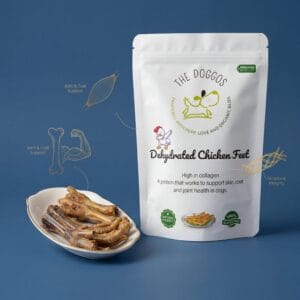
- Dehydrated Bones for Calcium: And this is where The Doggos really shines. Our dehydrated bones, like dehydrated chicken feet or dehydrated pig bone, are dried at low temperatures for over 20 hours. This keeps their porous structure intact, so they just crumble into a safe, chalky powder that your Pug’s strong stomach acid can easily break down for calcium.
Why does this matter for skin? Well, a boneless home diet (just chicken plus rice, for example) will totally mess up the calcium:phosphorus balance (that ratio should be 1.2:1, by the way). Over time, this actually pulls calcium right out of your Pug’s bones, messing with their overall health, including how their skin and coat look. Dehydrated bones give them that vital calcium safely.
2. Balancing Omega-6:3: Your Pug’s Skin Shield
This is super important for Pugs, especially with that “heat” myth floating around. Since commercial Indian chicken is loaded with Omega-6, you **MUST** add Omega-3s to every single chicken meal.
- Hemp Seed Oil: This is my absolute favourite, hands down. It’s the king of GLA (Gamma-Linolenic Acid), a rare Omega-6 that actually works as an **anti-inflammatory**. GLA cleverly bypasses a common enzyme issue in dogs with atopic dermatitis, directly calming inflammation and keeping their skin barrier nice and moist. It’s vegetarian, doesn’t smell fishy, and even has a slight calming effect. Start adding The Doggos Hemp Seed Oil to your Pug’s bowl daily, especially if they’ve got dry paws, dandruff, or constant itching.
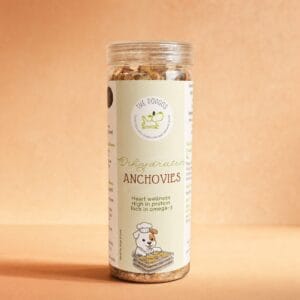
- Dehydrated Anchovies/Sardines: If you’d rather go with a marine source, these are fantastic. They’re small, don’t live long, so you don’t get heavy metal buildup like with bigger fish such as tuna or mackerel. They give you powerful DHA and EPA for brain health and really strong anti-inflammatory benefits. Our dehydrated anchovies are odour-controlled and super easy to sprinkle on food.
3. The Power of Superfoods for Pug Skin
Beyond the basics, some specific superfoods can really give your Pug’s skin health a big boost.
- Baobab Oil: This is a total game-changer for topical skin problems. Unlike thick oils like coconut or olive, Baobab Oil has a unique mix of fatty acids (lots of Palmitic and Oleic acid) that lets it soak right *into* the epidermis. It basically mimics and strengthens the skin’s natural protective layer. I’ve personally seen it wipe out fungal infections in 90 days, reverse hair loss in 2 months, and dry up hot spots in just 24 hours. If your Pug has dry, flaky patches, hyperkeratosis (that crusty nose thing), or ongoing infections in their wrinkles, The Doggos Baobab Oil is seriously your answer.
- Baobab Powder: What a gem! It’s an amazing source of Vitamin C (we’re talking 5-6 times more than oranges!) and prebiotic fiber. Vitamin C is super important for making collagen, which means strong, elastic skin and ligaments. Its prebiotic properties help settle the gut, and we all know a healthy gut means healthy skin. Add a tiny bit of Baobab Powder to their food during diet changes or when you want to give their immune system a little kick. (I’ve seen this really help dogs with sensitive tummies, especially during monsoon season.)
Essential Grooming Routine for Your Indian Pug
A regular grooming routine? Yeah, it’s non-negotiable for Pugs, especially here in India.
1. Daily Wrinkle Cleaning:
- Frequency: At least once a day, maybe more if your Pug is a messy eater or has active infections.
- Method: Gently pull the folds apart. Use a soft cotton pad or a clean, damp cloth. I highly recommend a diluted turmeric water solution (just a pinch of turmeric powder in boiled, then cooled water) as a natural antiseptic. Carefully wipe deep into each fold, making sure you get all the gunk and moisture out.
- Drying: This is crucial! After cleaning, use a dry cotton pad or soft tissue to absolutely dry those folds. Leftover moisture is your enemy, trust me. You can even use a tiny bit of cornstarch or a pet-safe soothing powder if your Pug doesn’t mind, but just make sure it’s not irritating.
- Targeted Healing: Got some redness or irritation already going on in the folds? A tiny dab of The Doggos Baobab Paw & Nose Balm can work wonders to soothe and heal.
2. Regular Brushing:
- Frequency: 2-3 times a week, or every day during shedding season.
- Tools: Grab a rubber curry brush or a deshedding tool made for short coats.
- Benefits: It gets rid of loose hair, helps stop matting (though Pugs don’t usually get bad mats), spreads natural skin oils around, and gets the blood flowing. All that makes for a healthier coat.
3. Bathing Smartly:
- Frequency: Every 2-4 weeks, or whenever they need it. Too many baths can strip away those important natural oils.
- Shampoo: Use a really good, pH-balanced dog shampoo, ideally one made for sensitive skin. Never use human shampoos, okay?
- Technique: Make sure you rinse *all* the shampoo out of those wrinkles to avoid irritation. After the bath, dry your Pug super carefully, giving extra attention to all their skin folds. A pet blow dryer on a cool setting can be a big help.
4. Ear Cleaning:
- Frequency: Once a week or every two weeks.
- Method: Pugs can be prone to ear infections, you know. Use a vet-approved ear cleaner and a cotton ball (but seriously, never cotton swabs deep inside the ear canal). Gently wipe the parts of the ear you can see. If you notice redness, a funky smell, or they’re shaking their head a lot, definitely talk to your vet.
5. Nail Trimming:
- Frequency: Every 2-4 weeks.
- Method: Use nail clippers made specifically for dogs. If you’re not sure how, ask your vet or a professional groomer to show you. Nails that are too long can cause discomfort and even posture problems.
6. Paw & Nose Care:
- Problem: Pugs sometimes get dry, cracked paws or that crusty nose thing (hyperkeratosis).
- Solution: Put a soothing balm on regularly. Our Baobab Paw & Nose Balm is fantastic for this. It soaks in deep and heals from the inside, giving them relief and protection.
Practical Section: Your Pug’s “Itchy Skin Reset” Plan
If your Pug is constantly fighting skin problems, here’s a practical plan that brings together diet and topical care.
Step 1: Dietary Overhaul (4-6 weeks)
-
Protein: If you think chicken allergies might be the problem, switch to a novel protein like Goat or Quail. Goat is what I call a “recovery meat,” full of iron and zinc, great for rebuilding their system. Quail is hypoallergenic and gives them unique nutrients like manganese and natural keratin from the feathers (if you feed it whole).
- Recipe Idea: “Mutton Strength Stew” (Recovery): 500g goat curry cut + 100g sweet potato + spinach (just wilt it in the leftover heat) + 1 tsp The Doggos Dehydrated Anchovies. Pressure cook for 4-5 whistles. **DEBONE** after cooking. This is a must.
- Recipe Idea: “Itchy Dog Reset” (Elimination Diet): 1 The Doggos Dehydrated Whole Quail + 50g steamed green beans + a pinch of Baobab Powder (for that Vitamin C and gut goodness). No cooking for the quail, just give it as a chew. And chewing, by the way, has the added bonus of releasing endorphins, which really helps calm a stressed, itchy dog.
- Fats: You absolutely must add The Doggos Hemp Seed Oil to *every* meal. Start with a tiny bit (say, 1/4 tsp for a small Pug) and slowly increase to the recommended amount. This is your number one weapon against internal inflammation. If you’re using Anchovies, make sure they’re also an everyday thing.
- Calcium: Make sure that Ca:P ratio is spot on. If you’re cooking boneless meat, you’ve got to supplement with safe calcium. Our dehydrated chicken feet are a perfect daily chew for Pugs. They give natural glucosamine for joints and crucial calcium, plus they help clean teeth!
- Avoid: Seriously, no kibble, no Parle-G, no Marie biscuits, and keep grains to a minimum (especially wheat). These things often have ingredients that cause inflammation and artificial stuff that just makes skin problems worse.
Step 2: Topical Treatment & Grooming (Ongoing)
- Daily Wrinkle Care: As I talked about earlier, use turmeric water and meticulously dry those folds.
- Baobab Oil for Hot Spots/Redness: For active hot spots, fungal patches, or persistent redness, put a thin layer of The Doggos Baobab Oil on 1-2 times a day. Its quick absorption and healing powers are pretty amazing.
- Paw & Nose Balm: Apply The Doggos Baobab Paw & Nose Balm to dry, cracked paws or a crusty nose every day.
- Regular Brushing & Bathing: Keep up your routine with the right products.
Step 3: Functional Chews for Mental Health
You know, stress can also show up as skin problems (like too much licking or hot spots). Giving them the right chews is actually a kind of functional medicine.
- Dental & Enrichment: The Doggos Dehydrated Mutton Trotters or dehydrated pig bone offer long-lasting chewing. This releases dopamine and serotonin, which calms your Pug right down and gives their teeth an excellent scraping action. (My Lab goes crazy for these!)
- Brain Health: Dehydrated anchovies aren’t just for Omega-3s; they’re also fantastic brain food, helping with cognitive function.
Common Mistakes Indian Pug Parents Make
- Feeding only chicken and rice, boneless: This, over years, leads to a really bad calcium deficiency. You’re looking at conditions like Osteopenia or “Rubber Jaw.” Always, always balance the calcium and phosphorus.
- Believing the “heat” myth and cutting out protein: This just deprives your Pug of essential nutrients and doesn’t even fix the real cause of inflammation (that Omega-6 imbalance).
- Ignoring wrinkle cleaning: It’s the most basic thing, but so many people overlook it. And it leads to constant infections.
- Using human products: Human shampoos, oils, or creams aren’t pH-balanced for dogs and can actually make irritation worse.
- Over-reliance on steroids/antibiotics without dietary change: These just hide the symptoms. That underlying dietary imbalance will keep causing flare-ups. I get so many DMs about this, and it breaks my heart.
- Feeding commercial treats: Most are packed with sugar, maida, and artificial stuff that makes inflammation and gut health worse, directly messing with their skin. Just give them a dehydrated chicken foot instead!
Frequently Asked Questions (FAQ)
Q1: How often should I clean my Pug’s wrinkles?
A1: You really should clean your Pug’s wrinkles at least once a day. If it’s hot, humid weather, or your Pug has active skin issues, cleaning twice a day might be needed to stop moisture building up, which can cause bacteria and yeast infections. Always make sure those folds are completely dry afterwards.
Q2: Can diet really affect my Pug’s skin and coat?
A2: Oh, absolutely! Diet is the whole foundation of healthy skin. A diet that’s not balanced, especially one with too many pro-inflammatory Omega-6s (which is super common in commercial chicken) and not enough Omega-3s, can lead to endless itching, hot spots, and a dull coat. A species-appropriate diet with the right balance of fats and proper calcium levels is essential for a strong skin barrier and a shiny coat.
Q3: My Pug is constantly itching. Is it always an allergy?
A3: While allergies definitely happen a lot in Pugs, constant itching isn’t always just a simple allergy. It could be a sign of Omega-6 induced inflammation, bacterial or yeast infections in those skin folds, pesky parasites (fleas, mites), or even bigger health problems. Your best bet is to tackle the diet first, ensure they have good topical hygiene, and then if the symptoms don’t go away, talk to your vet about looking into it more.
Q4: Are dehydrated treats suitable for Pugs with sensitive skin?
A4: Yes, 100%! Dehydrated treats from The Doggos are single-ingredient, all-natural, and don’t have any artificial additives. That makes them fantastic choices for Pugs with sensitive skin. Many, like dehydrated whole quail or dehydrated anchovies, can even do good by giving them new proteins or anti-inflammatory Omega-3s. They’re more like functional medicine than just snacks!
Q5: What’s the best way to prevent fungal infections in my Pug’s wrinkles?
A5: The absolute best way to stop fungal (yeast) infections in Pug wrinkles is to clean them every day, consistently, and dry them super thoroughly. Use a natural antiseptic like dilute turmeric water for cleaning, and really make sure no moisture is left behind. Putting on a product like The Doggos Baobab Oil regularly can also boost the skin’s natural barrier and make it a less friendly place for fungi to grow.
Give Your Pug the Desi Carnivore Advantage
Your Pug truly deserves a life where they’re not constantly itching and uncomfortable. By embracing The Desi Carnivore method, really focusing on a balanced, anti-inflammatory diet, and keeping up with a super careful grooming routine, you can totally change your Pug’s skin and coat health. It’s not just about how they look, you know; it’s about how comfortable they are, how happy they feel, and their overall well-being.
Ready to give your Pug the gift of truly healthy skin? Come explore our range of functional treats and supplements:
- For anti-inflammatory power: The Doggos Hemp Seed Oil
- For skin healing: The Doggos Baobab Oil
- For wrinkle, paw, and nose care: The Doggos Baobab Paw & Nose Balm
- For safe calcium and dental health: The Doggos Dehydrated Chicken Feet
- For Omega-3 balance: The Doggos Dehydrated Anchovies
You can also find more breed-specific advice at The Doggos Golden Retriever Care Guide.
For more insights into feeding your dog the right way in India, check out:
- Understanding the “raw” debate: The Raw Food Diet for Dogs in India: What You Need to Know
- Why your dog is always itching: Is Your Dog Always Itching? Here’s Why!
- A complete feeding guide: What Should I Feed My Dog? A Complete Guide
Disclaimer: While I am a certified canine nutritionist, this information is for educational purposes. Always consult your veterinarian for specific health concerns or before making big changes to your dog’s diet, especially if they have pre-existing medical conditions.