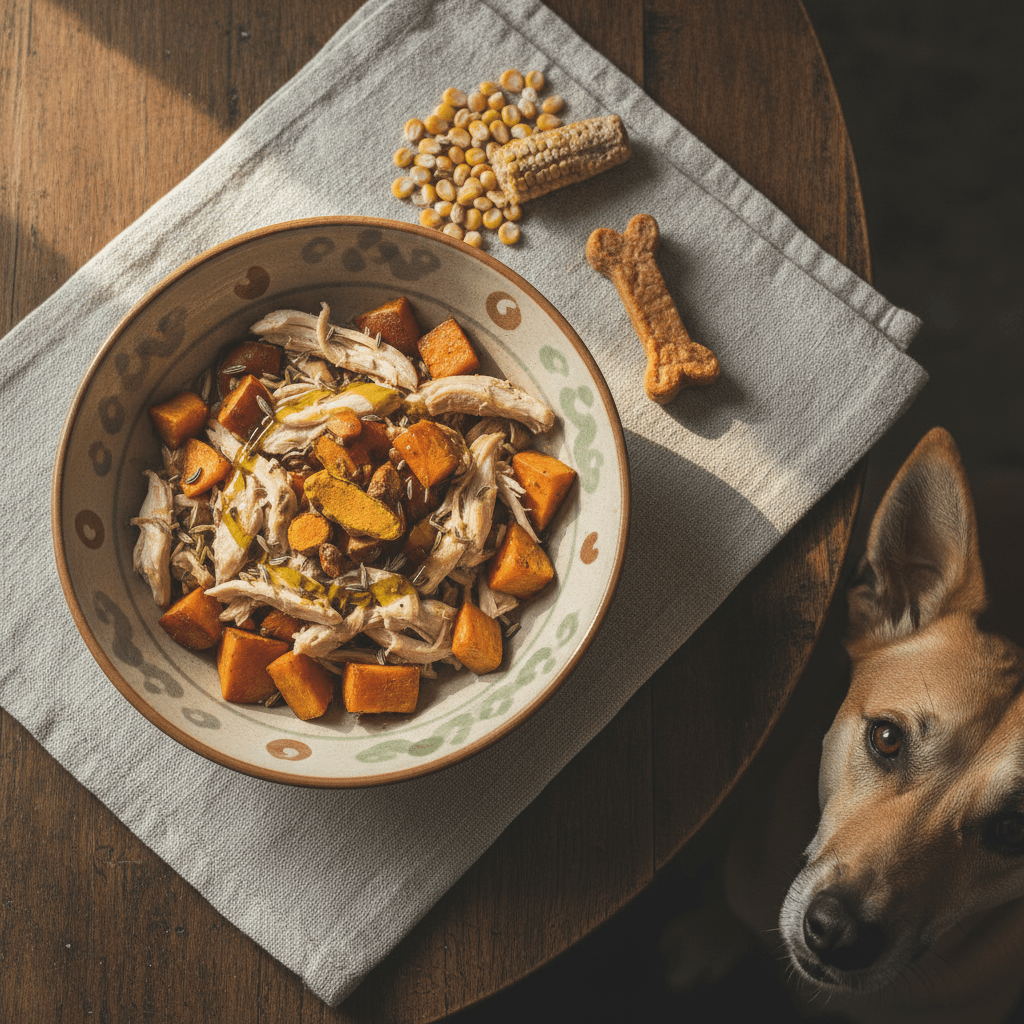
Walk through any Indian market, especially during monsoon, and you’ll see makai bhutta roasting, its sweet aroma filling the air. It’s natural for our furry companions to look up with longing eyes, making many Indian pet parents wonder: can dogs eat corn? The short answer is yes, dogs can eat corn kernels in moderation, but the corn cob is a significant danger. Debunking the allergen myth cob danger India is crucial for every pet parent.
Quick Answer: Can Dogs Eat Corn (Makai) in India?
Yes, dogs can eat cooked corn kernels in small, controlled amounts. Corn is not toxic, but it offers limited nutritional value for carnivores. The critical danger lies in the corn cob, which is a severe choking hazard and can cause life-threatening intestinal blockages, especially in curious Indian dogs. The common ‘allergy’ to corn is often a symptom of poor overall diet, not a true sensitivity to corn itself. For truly balanced home-cooked meals, consider adding Hemp Meal Balancer to ensure complete nutrition.
The Truth About Corn Kernels for Dogs
Let’s separate fact from fiction. Corn kernels, when cooked and removed from the cob, are generally safe for dogs. They contain carbohydrates, some fibre, and a few antioxidants. However, dogs are carnivores, and their digestive systems are optimised for meat, not grains. While a few kernels won’t harm them, corn should never be a significant part of their diet.
Nutritional Value of Corn for Dogs (and Its Limitations)
Corn offers:
- Carbohydrates: A quick energy source, but dogs efficiently convert protein and fat into energy.
- Fibre: Aids digestion, but better fibre sources exist.
- Antioxidants: Such as Lutein and Zeaxanthin, beneficial for eye health.
Despite these, corn is not a nutrient-dense food for dogs. Their bodies are not designed to process large amounts of starches. Unlike humans, dogs lack salivary amylase, meaning carbohydrate digestion only begins in the stomach, putting extra strain on the pancreas. For a truly optimal diet, focus on high-quality meat proteins and healthy fats, which are far more digestible and bioavailable for your dog.
The Real Threat: Corn Cob Danger in India
This is where the conversation turns serious. While the kernels are relatively harmless, the corn cob is an absolute no-go. This is a crucial piece of knowledge for every Indian pet parent, as stray dogs often get into discarded cobs, leading to tragic outcomes.
Why Corn Cobs Are a Life-Threatening Hazard
- Choking Hazard: Cobs are cylindrical and hard, making them easy for dogs to swallow whole or in large pieces, leading to instant choking.
- Intestinal Blockage: Even if swallowed, cobs do not break down in a dog’s stomach. They are too large and fibrous to pass through the narrow intestines. This causes a blockage, which is a medical emergency requiring expensive and invasive surgery, often with a poor prognosis.
- Sharp Edges: As a dog chews a cob, it can splinter into sharp, jagged pieces that can perforate the oesophagus or intestines.
I have personally seen cases in Mumbai and Chennai where curious streeties, and even pampered house dogs, have gotten into discarded cobs. The results are always heartbreaking. Always ensure any corn you offer your dog is completely removed from the cob. Never leave cobs lying around where your dog can access them.
Debunking the Corn Allergen Myth in India
Many Indian pet parents believe corn is a common allergen for dogs, leading to itching, skin issues, and digestive upset. However, true corn allergies are quite rare. This belief often stems from a misunderstanding of how commercial pet food is formulated.
Why Corn Gets a Bad Rap: The Kibble Connection
The problem isn’t corn itself, but its overuse as a cheap filler in many commercial kibbles. When dogs are fed a diet where corn (or soy, or wheat) is a primary ingredient for years, their immune system can become sensitised to it due to constant exposure. This isn’t a true allergy in the way a dog might be allergic to a specific protein, but rather an inflammatory response to a high-carb, low-quality diet.
From Mahiv’s Practice: “I once consulted for a Golden Retriever in Bengaluru with chronic paw licking and ear infections. His owner was convinced he was allergic to ‘everything,’ including corn, because his vet suggested it. After switching him off high-corn kibble to a gently home-cooked chicken and vegetable diet, balanced with Hemp Seed Oil for Omega-3s and a complete amino acid profile from Hemp Meal Balancer, his symptoms resolved completely within three months. It wasn’t the corn itself, but the overall poor quality and unbalanced nature of his previous diet that was causing inflammation. His immune system was simply overwhelmed.”
Dogs are carnivores. Their short, acidic digestive tracts are designed for meat, not for fermenting large quantities of plant matter. A diet high in carbohydrates, like corn, can raise their stomach pH, making them more susceptible to bacterial overgrowth and less efficient at digesting protein and bone. This can manifest as ‘allergy-like’ symptoms.
How to Safely Feed Corn to Your Dog (If You Must)
If you choose to offer corn as an occasional treat, follow these guidelines:
- Cook it Thoroughly: Raw corn is harder to digest. Always offer cooked corn. Boiling or steaming is best.
- Remove Every Kernel from the Cob: This is non-negotiable. Scrape the kernels off completely.
- Plain and Unseasoned: Never add butter, salt, oil, or spices. These can upset your dog’s stomach or be toxic.
- Small Portions Only: Treat it as an occasional snack, not a meal component. A tablespoon or two for a medium-sized dog is plenty.
- Introduce Slowly: Start with a tiny amount to see how your dog reacts. Watch for any signs of digestive upset like gas, diarrhoea, or vomiting.
Better & Safer Alternatives to Corn for Your Dog
Instead of corn, consider these nutritionally superior and safer options:
| Alternative | Benefits for Dogs | The Doggos Recommendation |
|---|---|---|
| Lean Meats | High-quality protein, essential amino acids, highly digestible. | Gently cooked chicken, mutton. |
| Organ Meats | Rich in vitamins (A, B), minerals (iron, zinc), taurine. | Bone and Organ Boost |
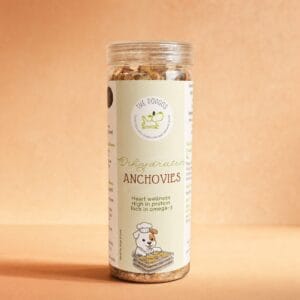
| Omega-3 Rich Fish | DHA for brain health, anti-inflammatory. | Dehydrated Anchovies, Dehydrated Sardines |
| Green Beans / Pumpkin | Healthy fibre, vitamins, low calorie. | Steamed green beans, mashed pumpkin (cooked). |
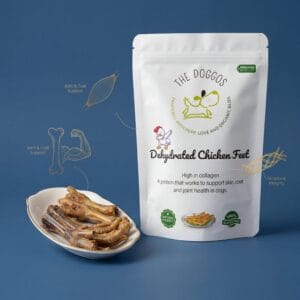
| Dehydrated Chews | Natural source of calcium, dental health, enrichment. | Dehydrated Chicken Feet, Dehydrated Mutton Trotters |
Common Mistakes Indian Dog Parents Make with Corn
Understanding these pitfalls can save your dog from unnecessary discomfort or a trip to the vet:
- Feeding Corn on the Cob: This is the number one mistake and the most dangerous. Never, ever offer the cob.
- Using Corn as a Main Ingredient: Relying on corn for calories, especially mixed with rice or roti, leads to an unbalanced diet lacking essential proteins and fats. Remember, dogs are carnivores.
- Feeding Raw Corn: Raw corn is difficult for dogs to digest and can lead to stomach upset. Always cook it.
- Adding Seasonings: Many Indian dishes use spices, oil, and salt. These are harmful to dogs. Offer plain corn only.
- Assuming ‘Allergy’ is the Problem: Before blaming corn for skin issues or digestive upset, evaluate the entire diet. Often, it’s the lack of proper nutrition or an imbalance of Omega-6 to Omega-3 fats that causes inflammation, not a specific ‘allergy’ to a single ingredient like corn.
For more insights into creating a truly species-appropriate diet, refer to my guide on why natural dog food is better than commercial kibble.
Balancing Your Dog’s Home-Cooked Meals with Hemp Meal Balancer
Even with the best intentions, cooking for your dog at home can sometimes leave nutritional gaps, especially if you include some carbohydrates like corn or rice. This is where a targeted supplement becomes invaluable. The Hemp Meal Balancer from The Doggos is specifically designed to turn a simple home-cooked meal into a complete and thriving one.
Why Hemp Meal Balancer is Essential
The Hemp Meal Balancer offers:
- Complete Amino Acid Profile: Ensures your dog gets all the essential building blocks for muscle, organ, and immune health.
- Balanced Fats: Provides a healthy ratio of Omega-3 and Omega-6, countering the inflammatory effects of commercial chicken.
- Prebiotic Fibre: Supports a healthy gut microbiome, which is crucial for digestion and immunity.
- Vitamins and Minerals: Fills in any micronutrient deficiencies that might arise from feeding a rotational home diet.
By adding this balancer, you are not just giving a supplement; you are ensuring that every bowl you prepare provides optimal nutrition, reducing the likelihood of ‘allergy-like’ symptoms that often get misattributed to ingredients like corn. It’s an easy way to provide peace of mind and robust health.
Learn more about my philosophy and journey as a certified canine nutritionist on my About Mahiv Amit Chhabra page.
Frequently Asked Questions About Dogs and Corn