In Indian households, honey is often seen as a natural remedy for everything from a sore throat to a quick energy boost. It’s a staple in our kitchens and grandmothers’ wisdom. But when it comes to our canine companions, a common question I hear is: can dogs eat honey in India safely, especially for puppies?
Quick Answer: Yes, in very small, occasional amounts, pasteurised honey can be given to adult dogs in India. However, it’s high in sugar, offers minimal nutritional benefits compared to its caloric load, and is strictly not recommended for puppies under one year old due to botulism risk. Better, safer alternatives like our Bone and Organ Boost exist for true immune support and vitality.
The Sweet Truth: Can Dogs Eat Honey in India?
The idea of sharing a spoonful of honey with your dog is tempting, especially when you’re looking for natural ways to support their health. While honey is generally not toxic for adult dogs, it’s far from the superfood many believe it to be for canines.
As a certified canine nutritionist, I, Mahiv Amit Chhabra, author of ‘The Desi Carnivore’, have seen firsthand how diet impacts health. My expertise, detailed further on my author page, reinforces that dogs are biologically carnivores. Their digestive system, with a highly acidic stomach (pH 1-2) and a short intestinal tract, is designed to process meat efficiently, not to break down complex sugars or starches. Unlike humans, dogs don’t have amylase in their saliva to begin carbohydrate digestion in the mouth. This means any sugar, including that from honey, hits their stomach and then pancreas quite directly, potentially straining these organs over time if given in excess.
The common honey available in Indian markets, whether local or commercial, is primarily composed of fructose and glucose. While these provide quick energy, they are empty calories for a dog whose primary nutritional needs revolve around high-quality animal protein and fats.
Benefits of Honey for Dogs (and why moderation is key)
When discussing honey’s benefits for dogs, it’s important to separate human health claims from canine reality. For humans, honey is lauded for its antioxidant, anti-inflammatory, and antimicrobial properties. Some of these properties can theoretically apply to dogs, but their impact is often negligible in the small, safe doses you would give a dog.
- Soothes Minor Throat Irritation: A tiny drop might temporarily soothe a mild cough, but it’s not a cure for underlying respiratory issues.
- Topical Wound Healing: Applied externally, honey’s antimicrobial properties can help with minor cuts or abrasions. However, dogs often lick wounds, which can ingest the honey. For effective and safe skin healing, I often recommend topical treatments like our Baobab Oil, which absorbs deeply without being greasy or attracting more licking.
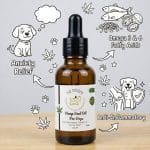
- Allergy Relief: Some believe local honey can help desensitise dogs to pollen allergies. The scientific evidence for this is weak in humans and virtually non-existent for dogs. For true allergy relief, addressing the root cause of inflammation with balanced Omega-3s from Hemp Seed Oil or Dehydrated Anchovies is far more effective.
The key takeaway is that any perceived benefits are minimal and come with significant caveats, especially regarding sugar content.
Risks and Warnings: Especially for Puppies
While adult dogs can handle very small amounts of pasteurised honey, there are critical risks to be aware of:
- Botulism in Puppies: This is the most serious concern. Raw honey can contain spores of Clostridium botulinum, which can produce toxins in a puppy’s underdeveloped digestive system. Puppies under one year old, whose immune systems and gut flora are not fully mature, are highly susceptible to botulism, which can be fatal. **Never give honey to puppies.**
- High Sugar Content: Honey is essentially concentrated sugar. Regular consumption, even in small amounts, can lead to:
- Obesity: Extra calories quickly add up, especially for smaller Indian dog breeds like Indies or Pugs.
- Dental Problems: Sugar contributes to plaque buildup and tooth decay.
- Pancreatitis: High-fat or high-sugar diets can inflame the pancreas, a painful and serious condition.
- Blood Sugar Spikes: This is particularly dangerous for diabetic dogs, or those predisposed to diabetes.
- Digestive Upset: Some dogs are sensitive to sugar and may experience diarrhoea or vomiting, even from small quantities.
- Allergic Reactions: Though rare, some dogs might be allergic to pollen residues in honey.
Safe Dosage: How Much Honey is Too Much?
If you have an adult dog and insist on offering honey, adhere to these strict guidelines. Remember, this is an occasional treat, not a daily supplement.
From Mahiv’s Practice: I once had a client in Bengaluru who was giving their senior Golden Retriever a teaspoon of honey every day, believing it was helping with joint pain. While their intentions were good, the dog developed persistent loose stools and started gaining weight. Switching to a species-appropriate diet balanced with Omega-3s and a joint supplement, along with stopping the honey, resolved the digestive issues within a week and improved mobility over a month. It’s a classic example of how well-meaning intentions can sometimes lead to unintended consequences when we don’t align with canine biology.
Important: Never give honey to puppies under one year old.
| Dog Weight Category | Maximum Occasional Dosage (Adult Dogs Only) | Frequency |
|---|---|---|
| Small (under 10 kg, e.g., Indie, Pug) | 1/4 teaspoon | Once or twice a week, maximum |
| Medium (10-25 kg, e.g., Cocker Spaniel, Desi Dog) | 1/2 teaspoon | Once or twice a week, maximum |
| Large (over 25 kg, e.g., Labrador, German Shepherd) | 1 teaspoon | Once or twice a week, maximum |
Always use pasteurised honey to minimise bacterial risks. Avoid raw or unpasteurised honey for all dogs, especially if you’re unsure of its origin.
Beyond Honey: Superior Nutritional Support for Your Dog
While honey might offer a fleeting comfort, it doesn’t provide the foundational nutrients a carnivore truly needs for robust health, energy, and a strong immune system. My philosophy, ‘The Desi Carnivore’ method, focuses on species-appropriate nutrition, not sugar-laden treats. For a complete understanding of what truly constitutes a healthy diet, I encourage you to read my guide on what you should feed your dog.
Many Indian pet parents turn to honey hoping to boost immunity, improve energy, or aid recovery. While the intention is good, the actual impact of honey is minimal compared to the powerful benefits of whole, bioavailable nutrients found in real meat and organs.
Why Bone and Organ Boost is a Better Choice
Instead of relying on sugary solutions, consider nutrient-dense supplements that truly align with your dog’s biology. Our Bone and Organ Boost is formulated precisely for this purpose. It’s a blend of dehydrated bone marrow and organ meats, offering a concentrated source of essential vitamins, minerals, and amino acids that are often missing in home-cooked diets.
Here’s why Bone and Organ Boost is superior to honey for boosting your dog’s vitality:
- Rich in Taurine: Crucial for heart health, especially in larger breeds, and often deficient in diets without sufficient organ meat.
- High Iron Content: Essential for healthy red blood cells and combating anaemia, particularly beneficial for dogs recovering from tick fever or general lethargy.
- Bioavailable Vitamins and Minerals: Packed with B vitamins, Vitamin A, zinc, and selenium, which support immune function, energy metabolism, and overall cellular health.
- Natural Calcium & Phosphorus: Contributes to the vital 1.2:1 Calcium:Phosphorus ratio, preventing issues like Osteopenia that can arise from boneless meat diets.
- Species-Appropriate: It’s what a carnivore’s body is designed to absorb and utilise effectively, unlike simple sugars.
Adding a pinch of Bone and Organ Boost to your dog’s daily meal provides a consistent, measurable, and highly effective way to support their immune system, energy levels, and overall health, without the risks associated with excessive sugar.
How to Safely Introduce Honey (If You Absolutely Must)
If you’ve weighed the risks and still wish to offer a tiny amount of honey to your adult dog, follow these steps:
- Choose Pasteurised Honey: Always opt for commercially processed, pasteurised honey to reduce the risk of botulism spores.
- Start Small: Begin with a minuscule drop, far less than the recommended dosage, to gauge your dog’s reaction.
- Mix It In: Never offer honey directly. Mix it thoroughly into a small amount of plain curd (if your dog tolerates dairy) or mashed pumpkin. This helps dilute the sugar and makes it easier to digest.
- Monitor Closely: Over the next 24-48 hours, watch for any signs of digestive upset, lethargy, or allergic reactions. If you see anything unusual, discontinue immediately.
- Occasional Treat Only: Reiterate that this is not a daily supplement. Think of it as a rare, tiny indulgence, like a special Pumpkin Peanut Butter Biscuit, rather than a health booster.
Common Mistakes Indian Pet Parents Make with Sweet Treats
I’ve seen countless well-meaning Indian pet parents make common errors when it comes to sweet treats and remedies:
- Over-reliance on ‘Natural’ equals ‘Safe’: Just because something is natural, like honey, doesn’t mean it’s species-appropriate or safe in all quantities for a carnivore.
- Ignoring Caloric Load: A small spoonful of honey adds significant calories that can lead to weight gain, especially in less active city dogs.
- Using Human Remedies for Dogs: What works for us, like honey for a cough, isn’t always the best solution for dogs. Their biology is fundamentally different.
- Feeding Raw Honey to Puppies: This is a critical and dangerous mistake due to the risk of botulism. Always ensure any honey offered is pasteurised and only to adult dogs.
- Substituting Real Nutrients with Sugary Boosts: Thinking honey can replace the vital nutrients found in organs or balanced fats is a misconception. True health comes from foundational, species-appropriate foods.
Instead of reaching for sugary quick fixes, focus on a diet that truly nourishes your dog from the inside out. For robust health, immune support, and sustained energy, I always recommend incorporating nutrient-dense whole foods and targeted supplements like our Bone and Organ Boost. It’s the carnivore-friendly way to boost vitality.