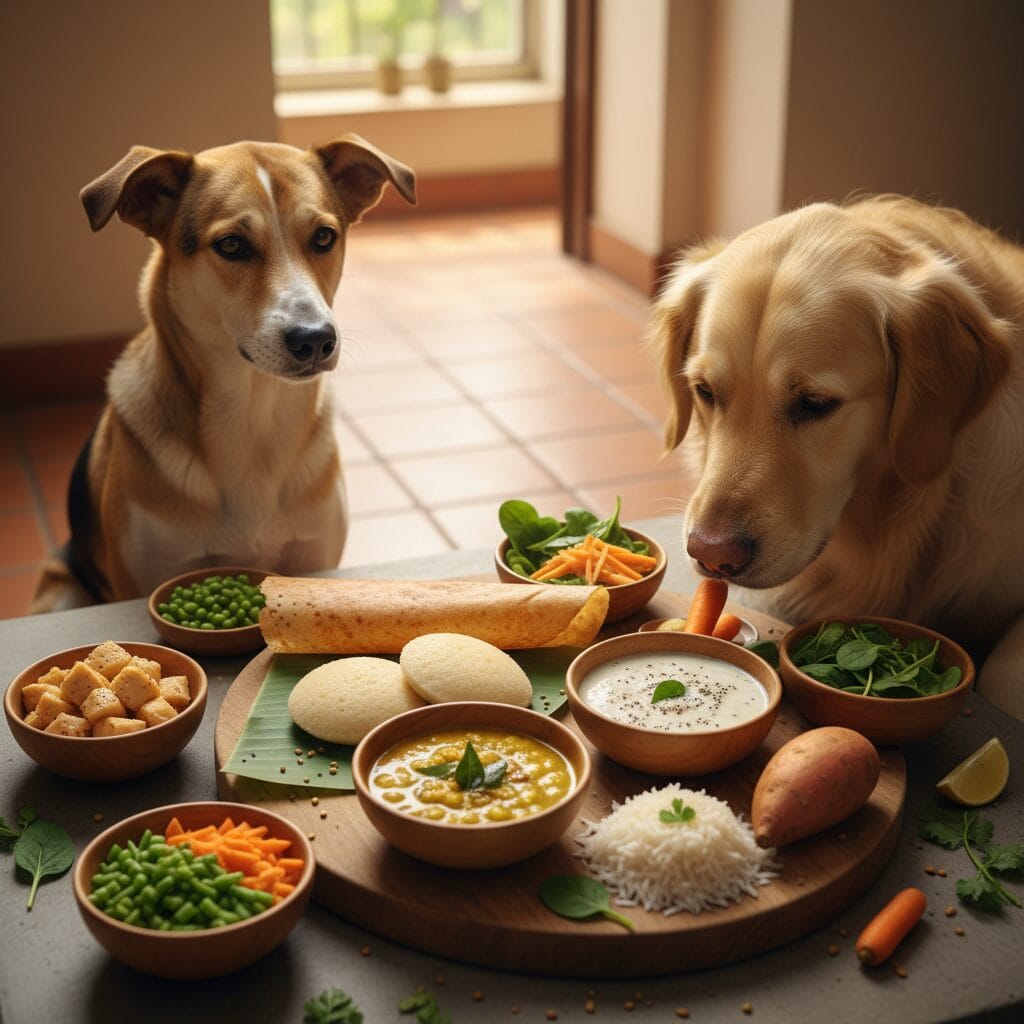
Step into pretty much any South Indian home, and that smell of fresh idli and dosa? Totally irresistible. You know, that soft, fluffy idli, or the crisp, golden dosa, usually with some vibrant chutney or aromatic sambar. It’s a culinary dream. And naturally, our furry family members, with those big hopeful eyes, are always begging for a piece. But here’s the thing, is sharing these beloved Indian staples with your dog actually a good idea? As The Desi Carnivore, I’m gonna give it to you straight. The real truth.
**The Quick Answer:** Look, a tiny, plain, unseasoned piece of idli or dosa probably won’t hurt your dog right away. But honestly, these South Indian staples are **not recommended** for regular feeding. They offer next to no nutritional benefit for your pup. Mainly, they’re grain-based, often loaded with too much salt, oil, and spices, and just don’t fit what a dog, a true carnivore, biologically needs.
The Truth About Idli & Dosa: A Carnivore’s Perspective
Okay, let’s really dig into what idli and dosa are. And then, we’ll see why they just don’t click with the “Desi Carnivore” way of feeding your dog. Not at all.
What’s in Your Idli and Dosa?
So, both idli and dosa? They start with a fermented batter, right? Rice and urad dal (that’s black gram lentils), plus water and salt. For dosa, you’re usually adding oil for that perfect crisp. Now, sure, fermentation does bring in some good bacteria. But the main players here are carbs and legumes. And frankly, those are miles away from what a dog’s body is built to process well.
Then there are all those delicious side dishes: sambar, coconut chutney, tomato chutney. These aren’t just “loaded” , they’re absolutely packed with onions, garlic, chillies, mustard seeds, and a whole bunch of other spices. Guys, onions and garlic? Toxic. The rest? Super irritating for your dog’s tummy.
Why Grains Aren’t a Dog’s Best Friend
This is, like, *the* core idea behind The Desi Carnivore philosophy. Dogs? They’re carnivores. Biologically. Their whole digestive setup is built for meat, not for grains. So, here’s why idli and dosa, since they’re mostly rice, cause issues:
- No Salivary Amylase: Humans have amylase in their spit, right? Helps break down carbs. Dogs? Nope. Zero amylase in their saliva. This means they can’t even *start* breaking down carbs in their mouth. So, when your dog eats idli, it basically lands in their stomach “whole.” That puts a huge strain on their pancreas, making it work overtime to produce enough enzymes. And honestly, this is exactly why giving your dog roti as a main meal is such a big mistake. We’ve got a full guide on it: Is Roti Good For Dogs?
- Short Intestinal Tract: A dog’s intestines are pretty short, really (stuff moves through in about 12-30 hours). They’re designed for quickly processing protein and fat, not for all that fermenting of complex carbs. Grains can totally lead to fermentation, gas, bloating, and even stop them from absorbing good nutrients.
- Raised Stomach pH: A dog’s stomach acid is seriously powerful. Like, pH 1-2 powerful. Strong enough to dissolve bone and wipe out bacteria. But guess what? A diet heavy in carbohydrates, things like idli or dosa, can actually make their stomach *less* acidic. What happens then? Their ability to properly digest meat and bones gets messed up, and they become way more prone to bacterial infections.
Sure, a tiny bit of plain, cooked rice might be okay sometimes, maybe as a binder or for a super upset stomach. But it should *never* be a big part of what your dog eats every day. Want to really get into rice? We cover it all here: Can Dogs Eat Rice?
The Dal Dilemma
Urad dal, just like other lentils and legumes, has these things called anti-nutrients. Think lectins and phytates. These compounds can actually mess with how your dog absorbs nutrients. Plus, for some dogs, they’ll cause a real upset tummy – gas, bloating, you name it. Now, sure, a tiny bit of well-cooked lentils might be fine occasionally. But they’re definitely not a main food source. And they certainly don’t give your carnivore pup the easily absorbed protein and nutrients they truly need. We dove deep into this, by the way, right here: Can Dogs Eat Dal?
Salt, Oil, and Spice: A Recipe for Trouble
- Too Much Salt: Let’s be real, human food, idli and dosa included, usually has way more salt than is ever safe for dogs. A lot of sodium can cause dehydration, kidney problems, and in really bad cases, even sodium ion poisoning.
- Oil Overload: Dosa, especially, often needs a *lot* of oil for that amazing crispness. But too much oil or fat? That can easily set off pancreatitis in dogs. It’s super painful, and honestly, can be life-threatening.
- Spices and Toxins: And those chutneys and sambar served with idli and dosa? A massive no-go. Period. Ingredients like onions and garlic are toxic for dogs. They actually damage red blood cells. Chillies and other spices? Those can cause serious tummy trouble, burning sensations, and just plain discomfort.
Fermentation: A Double-Edged Idli
Okay, it’s totally true that fermented foods *can* be good because of probiotics. Take curd (dahi), for instance. It’s a fantastic probiotic source for dogs (just give it in moderation, and keep an eye out for lactose intolerance, okay?). We absolutely recommend it. You can dive deeper here: Can Dogs Eat Curd?
But here’s the catch. The fermentation in idli and dosa batter? Its main job is to break down grains, not to whip up some super strong probiotic supplement. Any benefits from that fermentation are pretty much drowned out by the base itself: it’s heavy on carbs, salty, and often really oily. Seriously, it’s like arguing a sugary fizzy drink is healthy just because it has a tiny bit of vitamin C. The foundation, yaar, that’s what truly matters.
What to Feed Instead: Real Desi Carnivore Fuel
So, ditch the idli and dosa sharing. Instead, let’s focus on giving your dog a diet that’s actually right for their species, something that truly nourishes them from the inside out. We’re talking real meat, perfectly balanced with all those essential nutrients, plus treats that are safe *and* functional.
The Golden Chicken Bowl (Our Daily Staple)
This? This is the absolute bedrock of The Doggos’ “Cook the Meal, Dehydrate the Bone” philosophy. It’s easy, it’s safe, and honestly, it’s exactly what your dog needs:
- Source Quality Meat: Grab about 500g of chicken thighs (bone-in, skin-on – that’s for taurine!) and 50g of liver (a total Vitamin A powerhouse). Give ’em a wash with turmeric water; it’s a natural antiseptic, you know?
- Pressure Cook Safely: Pop that chicken and liver into the pressure cooker for 2-3 whistles. This step is non-negotiable, especially in India. It kills off nasty bacteria like Salmonella and E.coli, which is super important given how questionable wet market hygiene can sometimes be.
- DEBONE AFTER COOKING: Listen up, this is a life-or-death rule. **NEVER, ever feed cooked bones.** High heat makes bones brittle, and they’ll shatter into sharp, jagged splinters. Those can perforate intestines, leading to fatal peritonitis. It’s a tragic mistake I see so many well-meaning Indian parents make. So, after cooking, *please* carefully remove all bones.
- Add Veggies: Mash about 100g of red pumpkin (it’s a fantastic source of fibre and vitamins) right into the broth.
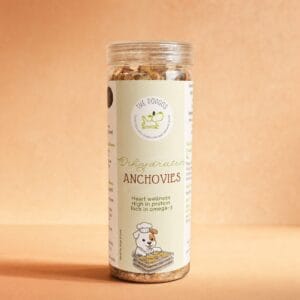
- Balance the Bowl: Once everything’s cooled down, stir in our Hemp Meal Balancer. This really fixes up the amino acid and fat profile of your chicken-rice bowls (if you’re adding a little rice). Or, if your dog needs an extra immune kick and some Omega-3 goodness, a drizzle of Hemp Seed Oil or a sprinkle of Dehydrated Anchovies is absolutely vital. See, commercial Indian chicken is often really high in Omega-6, which causes inflammation. A lot of people mistake that inflammation for “heat” from chicken, a common Ayurvedic belief. These balancers tackle that head-on.
This “Golden Chicken Bowl” isn’t just a basic “survival meal.” It truly turns into a “thriving meal.” For even more recipe ideas, make sure to check out our 10 Homemade Dog Food Recipes India guide.
Healthy, Functional Treats for South Indian Pups
Forget human junk food. Seriously. Instead, why not offer treats that actually do double duty as functional medicine for your pup?
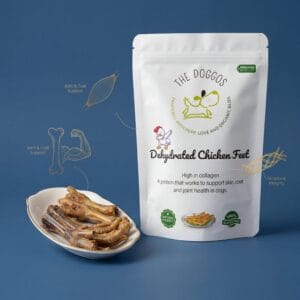
- For Joint Health & Dental Cleaning: Our Dehydrated Chicken Feet? They’re like a natural joint pill, full of glucosamine and chondroitin, and bonus, they help scrape plaque right off teeth. (My Indie dog, Shera, goes absolutely wild for these!)
- For Brain Health & Omega-3: Dehydrated Anchovies are just brilliant for DHA. That helps with brain development in puppies and keeps cognitive decline at bay for seniors. And they’re “low on the food chain,” so you don’t have to worry about heavy metals.
- For Mental Enrichment & Dental Power: Our Dehydrated Mutton Trotters are super long-lasting chews. They give your dog a really satisfying mental workout, clean their teeth, and are packed with collagen and iron.
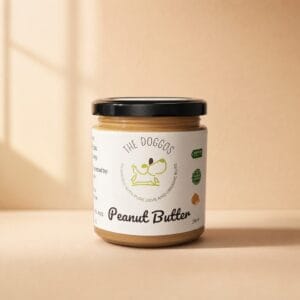
- For a Healthy Snack: A spoonful of our zero-xylitol Peanut Butter is always a winner. Or, for training, try our Pumpkin PB Biscuits.
Dehydrated treats aren’t just little snacks, folks; they *are* functional medicine. They give essential nutrients, support dental health, and offer really important mental enrichment through all that chewing. Want to know more? Check this out: Are Dehydrated Treats Good For Dogs?
When a Small Bite is ‘Okay’ (But Not Recommended)
Okay, so if you *absolutely* have to give a tiny piece of idli or dosa (maybe your dog was super sneaky and snagged a bit, or that one insistent relative just wouldn’t take no for an answer), make sure of these things:
- **Plain:** Seriously, no chutney, no sambar, no extra oil.
- **Unseasoned:** And I mean *absolutely* no added salt.
- **Tiny:** We’re talking a crumb. Not a whole piece.
Just think of it like giving a kid a tiny bit of cake. It’s a little treat, not a meal, and it brings zero real nutritional value to the table. Honestly, it’s always, always better to stick with foods and treats that are actually right for their species.
Common Mistakes Indian Pet Parents Make with Staples
You know, it’s super easy to slip into old habits. Especially when our dogs are staring up at us, looking so eager for a bite of *our* food. But here are some really common traps I see Indian pet parents falling into:
- Roti/Rice as the Main Meal: Thinking that mixing roti or rice with a little curd or dal somehow makes a complete meal. This leads to some serious nutritional gaps, especially calcium. Over time, that can cause nasty problems like osteopenia or “Rubber Jaw” syndrome, all because the Calcium:Phosphorus ratio is totally out of whack.
- Ignoring the Omega-6:3 Imbalance: Giving commercial chicken without adding Omega-3 balancers like Hemp Seed Oil or Anchovies. What happens then? This often shows up as “unexplained” itching, constant paw licking, and chronic ear infections. And owners, sadly, often chalk it up to “chicken heat” from Ayurveda/TCM. But it’s not heat; it’s inflammation, plain and simple.
- Feeding Cooked Bones: Pressure cooking chicken with bones and then feeding the whole lot. Guys, as we talked about, cooked bones are a huge choking hazard. They can cause fatal internal injuries. Please, don’t do it.
- Treating Human Snacks as Dog Treats: Sharing biscuits like Parle-G or Marie. Come on, these are packed with sugar and maida! They’ll rot teeth and offer absolutely no nutritional value. A Dehydrated Chicken Foot? That’s a way better, healthier, and genuinely useful alternative.
- Underestimating the Power of Real Food: Not realizing that a fresh, properly balanced diet can actually fix a ton of common health issues. Things like itching, a dull coat, or low energy – stuff that often gets blamed on genetics or just “how dogs are.”
It’s all about making informed choices for our furry best friends, isn’t it?
Frequently Asked Questions About Idli & Dosa for Dogs
Can dogs eat plain idli?
Look, a tiny, plain, unseasoned piece of idli probably won’t hurt your dog right away. But honestly, it offers zero nutritional benefits and is packed with carbs. We just don’t recommend it as a regular part of their diet. Basically, it’s empty calories for your dog.
Is dosa batter safe for dogs?
Nope, absolutely not. Dosa batter is raw and fermented, remember? Raw rice and dal are super tough for dogs to digest, and that fermentation process can definitely cause gas and discomfort. So, best to keep any uncooked batter far away from your dog.
What about idli/dosa made with ragi (finger millet)?
Even if it’s made with ragi, which us humans often see as healthier, it’s still just a grain. The same rules apply, guys: dogs are carnivores, not grain-eaters. Ragi-based staples? Not an appropriate food source for your dog. End of story.
My dog loves idli, what’s the harm?
Dogs are clever, opportunistic eaters, and yeah, they’ll usually “love” anything you put in front of them. But their cravings don’t equal nutritional needs or safety, do they? The real harm sneaks in with consistent feeding. That can lead to digestive upsets, nutrient deficiencies, weight gain, and a whole heap of long-term health problems, all thanks to an unbalanced, carb-heavy diet.
What are safe South Indian-inspired treats for dogs?
Instead of idli or dosa, how about some South Indian-inspired treats that are actually species-appropriate? Think plain, cooked, deboned chicken (just like in our Golden Chicken Bowl), or little bits of cooked pumpkin. Our Dehydrated Anchovies offer a healthy, fishy crunch that so many dogs absolutely adore, and they give a great brain-boosting Omega-3 hit. For a truly unique and beneficial chew, you could even try our Dehydrated Whole Quail. It’s a novel protein that gives whole-prey nutrition, complete with vital calcium and manganese.
So, as Mahiv Amit Chhabra, a certified canine nutritionist and the guy behind The Desi Carnivore, my whole mission is to give Indian pet parents the real knowledge they need to truly help their dogs thrive. Look, our love for our furry companions often makes us want to share *everything*, doesn’t it? But understanding what their bodies actually need, biologically, is the most important thing. Idli and dosa? They’re yummy for us, no doubt. But they’re just not built for a carnivore’s body. Simple as that.
Instead, choose real meat, balanced with the right supplements, and those awesome functional dehydrated treats. That’s the Desi Carnivore way to a happier, healthier, and truly thriving dog. Want a full guide on exactly what you should be feeding your dog? Then you’ve gotta check this out: What Should I Feed My Dog?
Remember, your dog’s health is totally in your hands. Make choices that truly respect their nature.
Related Reading
- Read the complete Indian dog feeding guide.
- About the author: Mahiv Chhabra, certified canine nutritionist.