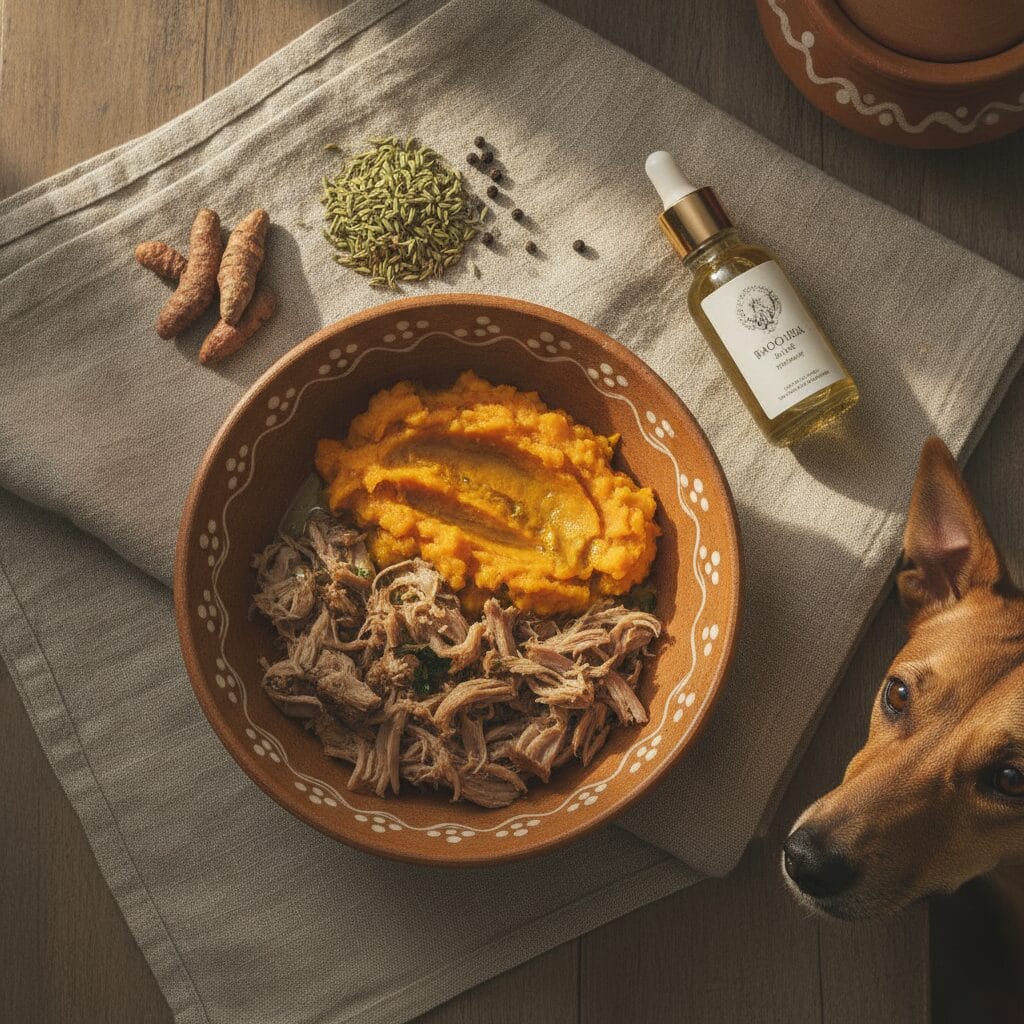
The Indian monsoon, while a welcome relief from the scorching heat, brings a silent menace for our dogs: relentless humidity. This dampness creates the perfect breeding ground for fungal infections, leading to itchy paws, smelly ears, and miserable skin. If your dog is constantly scratching or developing red, inflamed patches, the monsoon might be to blame.
Quick Answer: How Baobab Oil Helps Monsoon Fungal Infections
For monsoon fungal infections in Indian dogs, Baobab Oil offers a natural, highly effective solution. Its unique lipid profile allows deep absorption into the epidermis, targeting the root cause of fungal growth by mimicking the skin’s natural barrier, reducing inflammation, and promoting rapid healing without clogging pores. This makes it ideal for soothing and resolving hot spots, yeast infections, and general skin irritation during the humid season.
The Monsoon Menace: Why Fungi Thrive in India
India’s monsoon climate is a double-edged sword for pet parents. While it cools the air, the sustained high humidity (often above 80-90% in cities like Mumbai or Chennai) combined with warmer temperatures creates an ideal environment for yeasts and fungi to proliferate. Dogs, especially those with thick coats, skin folds (Pugs, Bulldogs), or long floppy ears (Cocker Spaniels, Beagles), are particularly susceptible.
- Constant Dampness: Paws get wet on walks, coats stay damp longer after baths, and even indoor air holds more moisture. This creates a perpetually moist environment on the skin surface.
- Reduced Airflow: Thick fur acts like a blanket, trapping moisture against the skin. Skin folds also become pockets where air cannot circulate, leading to maceration and microbial growth.
- Environmental Pathogens: Monsoon puddles, damp grass, and even household surfaces can harbour fungal spores. Your dog tracking these indoors leads to increased exposure.
These factors combine to break down the skin’s natural protective barrier, allowing opportunistic fungi like Malassezia (a common yeast) to overgrow, leading to that characteristic musty smell, redness, and intense itching.
Beyond Surface Treatment: Understanding Fungal Infections
Many Indian pet parents rush for topical creams or medicated shampoos, which offer temporary relief. However, true healing from fungal infections often requires addressing underlying issues. Fungi thrive when a dog’s immune system is compromised or their skin barrier is weakened.
- Inflammation from Diet: A diet high in Omega-6 fats (common in commercial chicken, corn, and soy-based kibble) floods the body with inflammatory markers. This chronic inflammation weakens the immune response and makes the skin more reactive.
- Compromised Gut Health: The gut is the foundation of immunity. A diet lacking in prebiotics or beneficial bacteria can lead to a leaky gut, which manifests as skin issues.
- High Blood Sugar: Diets rich in carbohydrates (excessive rice, roti, or kibble fillers) can create an internal environment that fuels yeast growth.
This is why simply treating the patch of skin isn’t enough. We need a holistic approach that calms inflammation, strengthens the skin barrier, and supports overall immunity. For more on persistent itching, read our guide on why your dog is always itching.
Why Baobab Oil is Your Dog’s Monsoon Skin Saviour
When it comes to healing fungal infections and restoring skin health, Baobab Oil stands out from other popular oils. It’s not just another moisturiser; it’s a powerful skin regenerator.
The Science Behind Baobab Oil’s Healing Power
Unlike heavy oils like coconut or olive oil, Baobab Oil has a unique fatty acid profile that makes it exceptionally effective for compromised skin:
- Deep Absorption: Baobab Oil is rich in Palmitic Acid (around 20-30%) and Oleic Acid (around 30-40%). These fatty acids are natural components of a dog’s skin lipid barrier. This means the oil doesn’t just sit on the surface; it penetrates deep into the epidermis, repairing and nourishing from within.
- Anti-inflammatory Action: The oil contains powerful antioxidants and anti-inflammatory compounds. For itchy, inflamed fungal patches and hot spots, this is crucial for calming the skin and reducing discomfort.
- Non-Comedogenic: This is a key differentiator. Baobab Oil is non-comedogenic, meaning it won’t clog pores. Many common oils can trap heat and bacteria, worsening fungal issues. Baobab Oil allows the skin to breathe and heal.
- Antifungal Properties: While not a harsh chemical, the natural composition of Baobab Oil creates an environment less hospitable for fungal and yeast overgrowth.
As a canine nutritionist, I’ve seen countless cases of monsoon skin issues in Mumbai. A particularly challenging one was an Indie dog in Bandra with chronic interdigital yeast infections, making her paws constantly red and smelly. We combined a diet overhaul (reducing carbs, adding Dehydrated Anchovies for Omega-3) with daily application of Baobab Oil. Within 10 days, the redness was visibly reduced, and the smell was gone. Complete resolution took about three weeks, which is remarkable compared to conventional treatments.
, Mahiv Amit Chhabra, Certified Canine Nutritionist
Baobab Oil vs. Common Home Oils for Dog Skin
Let’s compare Baobab Oil to some popular choices Indian pet parents often reach for during skin troubles:
| Feature | Baobab Oil | Coconut Oil | Olive Oil | Mustard Oil |
|---|---|---|---|---|
| Skin Absorption | Excellent (mimics skin lipids, deep penetration) | Moderate (sits more on surface, can be heavy) | Moderate (sits more on surface) | Poor (very heavy, surface-level, can irritate) |
| Non-Comedogenic | Yes (does not clog pores) | No (can clog pores, trap heat) | No (can clog pores) | No (highly comedogenic) |
| Anti-inflammatory | High (rich in Oleic acid, antioxidants) | Moderate (Lauric acid) | Moderate (Polyphenols) | Low (can be irritating) |
| Antifungal Properties | Good (natural, creates inhospitable environment) | Moderate (Lauric acid, but can trap moisture) | Low | Low (can burn sensitive skin) |
| Best Use Case | Fungal infections, hot spots, dry/cracked skin, deep healing | Mild dryness, general moisturising (use sparingly) | Mild dryness, occasional coat conditioning | Not recommended for skin issues, can cause irritation |
Practical Section: Applying Baobab Oil for Fungal Infections
Using Baobab Oil effectively requires a consistent and gentle approach. Remember, the goal is to heal the skin, not just mask the symptoms.
Step-by-Step: Applying Baobab Oil Safely and Effectively
- Clean the Affected Area: Gently clean the skin with a mild, pet-safe antiseptic solution or just warm water. Pat dry thoroughly. For paw infections, ensure the spaces between the toes are completely dry.
- Trim Hair (If Needed): For very dense fur around hot spots or fungal patches, carefully trim the hair to allow better airflow and direct application of the oil.
- Patch Test: Always do a small patch test on an unaffected area first to ensure your dog doesn’t have an unusual sensitivity. Wait 24 hours.
- Apply Baobab Oil: Dispense a few drops of Baobab Oil onto your fingertips. Gently massage it into the affected area until absorbed. A little goes a long way.
- Prevent Licking: While Baobab Oil is safe if licked, excessive licking can remove the oil before it has a chance to work. Use an E-collar or distract your dog for 10-15 minutes after application.
- Frequency: Apply Baobab Oil 2-3 times a day initially for active infections. As the condition improves, you can reduce to once a day.
- Consistency is Key: Continue application for at least 7-10 days even after visible improvement to ensure the fungal infection is fully resolved and prevent recurrence.
Supporting the Skin from Within
Topical treatment with Baobab Oil is powerful, but it’s even more effective when supported by a species-appropriate diet. Remember, skin health is a reflection of internal health.
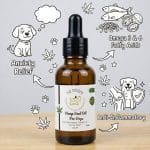
- Balance Omega Fats: Commercial Indian chicken is high in inflammatory Omega-6. Balance this by adding Omega-3 sources like Dehydrated Anchovies or Hemp Seed Oil to every meal. Hemp Seed Oil is also rich in GLA, an anti-inflammatory Omega-6 that directly helps skin barrier function.
- Reduce Carbohydrates: Cut down on excessive rice, roti, or kibble. These high-carb diets fuel yeast. Focus on protein and healthy fats.
- Boost Gut Health: A pinch of Baobab Powder in the food can provide prebiotic fibre to nourish beneficial gut bacteria, strengthening the immune system.
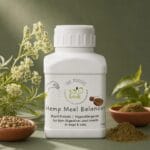
- Provide Essential Nutrients: Ensure your dog gets a complete profile of amino acids and micronutrients. Our Hemp Meal Balancer can fortify a home-cooked chicken bowl, turning a survival meal into a thriving one.
Common Mistakes Indian Dog Parents Make During Monsoon Skin Issues
It’s easy to fall into traps when dealing with persistent fungal infections. Here are some common missteps I observe:
- Over-Bathing: While it seems logical to clean frequently, over-bathing (especially with harsh shampoos) strips the skin of its natural oils, further compromising the barrier. If you must bathe, ensure thorough drying, especially in skin folds and between toes.
- Ignoring the Diet-Skin Connection: Many believe skin issues are purely external. As I’ve explained, diet plays a massive role in inflammation and immunity. A high-carb, unbalanced diet will undermine any topical treatment.
- Using Human Products: Human anti-fungal creams or home remedies like turmeric paste (applied directly) can irritate a dog’s more sensitive skin or be toxic if ingested. Stick to pet-safe options.
- Not Drying Properly: After a walk in the rain or a bath, leaving your dog even slightly damp, especially in dense fur or skin folds, invites fungal growth. Invest in a good pet dryer or use towels diligently.
- Delaying Treatment: Fungal infections can spread rapidly. What starts as a small itchy patch can quickly become a large, painful hot spot or a widespread yeast infection if left untreated. Early intervention with products like Baobab Oil is crucial.
Frequently Asked Questions
Here are some common questions about using Baobab Oil for dog skin issues:
- Can I use Baobab Oil on my dog’s paws?
Yes, Baobab Oil is excellent for paws, especially for interdigital fungal infections, cracked pads, or general dryness caused by monsoon dampness. Ensure the paws are clean and dry before application. - How quickly does Baobab Oil work on fungal infections?
You should see a noticeable reduction in redness and itching within 3-5 days of consistent application. Complete resolution of the infection typically takes 2-3 weeks, depending on severity and underlying dietary support. - Is Baobab Oil safe if my dog licks it?
Yes, Baobab Oil is 100% natural and safe if ingested. It’s often used in human cosmetics and food. While safe, it’s best to distract your dog for a few minutes after application to allow absorption. - What’s the difference between Baobab Oil and coconut oil for dog skin?
Baobab Oil absorbs deeply without clogging pores, mimicking the skin’s natural lipids, making it ideal for healing and inflammation. Coconut oil, while having some antimicrobial properties, is heavier, sits more on the surface, and can clog pores, potentially trapping heat and moisture, which can worsen fungal issues in humid climates. - Can Baobab Oil prevent fungal infections?
Regular application of Baobab Oil, especially on prone areas like paws and skin folds, can help strengthen the skin barrier and make it more resilient to fungal growth. Combined with a balanced diet, it’s a powerful preventative measure during the monsoon season.
Heal and Protect Your Dog’s Skin with Baobab Oil
Don’t let the monsoon season turn into a period of constant itching and discomfort for your beloved dog. Understanding the unique challenges of India’s climate and adopting a proactive approach with natural, effective solutions can make all the difference.
By integrating Baobab Oil into your dog’s skin care regimen, you’re not just treating symptoms; you’re providing deep, nourishing healing that strengthens their natural defences. Pair it with a species-appropriate diet and thoughtful hygiene practices, and your dog can enjoy the monsoon without the misery of fungal infections.
For more insights into natural canine care from a certified nutritionist, feel free to learn more about Mahiv Amit Chhabra and The Doggos philosophy.