Bringing a new cat into your Indian home is a joy. But litter training? That can feel like a big hurdle. We all hear the stories. Cats turning their noses up at the box. Finding a “preferred” spot behind the sofa. It’s enough to make anyone worry. But here’s the thing. With a little understanding, some patience, and the right motivators, you absolutely *can* get your Indian cat using the litter box reliably.
Quick Answer: Litter Training Indian Cats with Treats
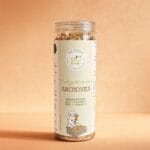
For litter training Indian cats, positive reinforcement works. It’s simple. Reward the behaviour you want, right when it happens. Use high-value, species-appropriate treats. Think Dehydrated Anchovies. This approach taps into a cat’s natural instincts. It builds a positive link to the litter box. Stress-free. Successful. That’s the goal.
Understanding Your Cat’s Carnivore Instincts and Litter Habits
Cats are naturally clean. It’s baked into their biology as obligate carnivores. Out in the wild, they bury their waste. Why? To hide their scent. From predators. From prey. This instinct means they *want* to use a designated spot. But our homes, especially here in India, can sometimes get in the way of that.
As obligate carnivores, cats need a diet loaded with animal protein. And specific nutrients, like taurine. Their digestive systems are short. Built to process meat. A healthy cat, with a good gut, will have firm stools. Easier to manage. Less likely to cause discomfort. Discomfort can lead to litter box aversion. A diet of fresh, species-appropriate food supports overall health. And that supports good litter habits. It’s all connected.
Why Positive Reinforcement Works Best for Cats
Dogs might respond to a stern word. Cats? Not so much. Punishment makes them fearful. Anxious. It often makes the problem worse. Positive reinforcement is different. It focuses on rewarding the good. When your cat uses the litter box, and you reward them immediately with something they love, they connect the box with a good feeling. Simple as that.
This builds trust. It strengthens your bond. It turns a potential chore into a moment of connection. You’re making the litter box the most appealing place for them to do their business.
Choosing the Right Treats for Indian Cats
The reward has to be worth it. For cats, that means treats that are high-protein. Natural. And incredibly tasty. Forget those sugary biscuits. Or processed snacks that offer zero nutrition and can upset their delicate stomachs. Look for single-ingredient, dehydrated options. That’s where the magic is.
- High-Value: It has to be something your cat goes wild for.
- Small Size: Easy to eat quickly. So they don’t get distracted.
- Natural & Healthy: No artificial colours. No flavours. No preservatives.
- Species-Appropriate: Made from animal protein. It aligns with their carnivore needs.
For Indian cats, especially in our climate, dehydrated treats are a smart choice. They last longer. They’re hygienic. And they keep all the natural goodness locked in.
Practical Protocol for Litter Training Your Cat
Here’s a straightforward guide. Using positive reinforcement to get your cat litter trained.
1. Setting Up the Ideal Litter Box Environment
- Location: Find a quiet spot. Easy to get to. Where your cat feels safe. Private. Not in a busy hallway. Or next to the washing machine.
- Number of Boxes: The rule is simple: one box per cat, plus one extra. For one cat, that means two boxes. Essential in homes with multiple cats.
- Type of Litter: Most cats prefer unscented, clumping litter. The texture matters. Avoid dusty litters. Or heavily perfumed ones. They can be irritating.
- Box Size: Make sure the box is big enough. For your cat to turn around. To dig comfortably.
2. Introducing Your Cat to the Litter Box
The moment you bring your cat home, show them the litter box. Gently place them inside. Let them sniff around. Explore. You can even lightly scratch the litter with your finger. Show them the digging motion.
3. The Power of Immediate Reward
Every single time your cat uses the litter box. Even a tiny bit. Reward them. Instantly. Give them a small piece of a high-value treat. Like Dehydrated Anchovies. Offer calm praise. The timing is everything. The reward must come within seconds of them leaving the box.
4. Dealing with Accidents
Accidents will happen. Especially at the start. Never scold. Never punish your cat. Just clean the mess thoroughly. Use an enzymatic cleaner. It removes odours that might draw them back to the same spot. Then, gently guide your cat towards the litter box.
From Mahiv’s Practice: “I worked with a beautiful Indie cat in Bengaluru. Her name was Luna. She kept peeing outside her box. The owner was at their wit’s end. Thought it was a behaviour issue. After watching, I saw the problem. The litter box was too small. And right next to the washing machine. We moved it to a quiet corner. Added a second, larger box. Started using Dehydrated Anchovies as a reward. Within five days, Luna was using her boxes exclusively. The household stress just melted away. It’s often about the environment. And the right motivation. Not a ‘bad’ cat.”
5. Consistency is Key
Keep things consistent. Feed your cat at regular times. Always make sure the litter box is clean. Consistency creates a predictable environment. Cats thrive on that.
Common Mistakes Indian Cat Parents Make in Litter Training
Even with the best intentions, some common mistakes can derail litter training:
- Infrequent Cleaning: This is a big one. Cats are fastidiously clean. A dirty litter box is a major turn-off. In India’s humidity, smells and bacteria build up fast. Scoop at least twice a day. Change the litter completely once a week.
- Using Harsh Cleaners: Strong chemical smells can be overwhelming for cats. Their sense of smell is far more sensitive than ours.
- Punishing Accidents: We’ve covered this. It breeds fear and anxiety. It makes things worse.
- Inappropriate Treats: Giving human snacks. Dairy. Or low-quality treats for reinforcement. Cats need species-appropriate rewards.
- Ignoring Health Issues: Sudden changes in litter habits can signal underlying medical problems. Think UTIs or kidney issues. Always see your vet if your cat suddenly stops using the box.
- Not Enough Litter Boxes: Especially with multiple cats. Competition. Or just a lack of options. It can lead to accidents.
Why Dehydrated Anchovies are the Perfect Litter Training Treat
When it comes to positive reinforcement for Indian cats, Dehydrated Anchovies are a top choice. These little fish are packed with goodness. And most cats find them irresistible.
- Irresistible Taste: That natural fishy smell. The flavour. It’s a huge motivator for cats.
- Nutrient-Dense: They’re rich in Omega-3 fatty acids. DHA and EPA. Good for brain health. Skin. Coat. Crucial for kittens learning. And seniors maintaining cognitive function.
- Single-Ingredient & Natural: No fillers. No artificial additives. Just pure fish. Gently dehydrated. It keeps the goodness. And it aligns with their carnivore diet.
- Perfect Size: Small. Easy to give. So they eat it quickly. And get that immediate reinforcement. Without overfeeding.
- Safe & Hygienic: Unlike raw fish, dehydrated anchovies avoid hygiene risks. Especially important in the Indian climate. They’re processed at low temperatures. This keeps nutrients. While ensuring safety.
Using Dehydrated Anchovies isn’t just about training. It’s a healthy boost. For your cat’s overall well-being. They are a much better option than generic cat treats. Often loaded with grains and questionable ingredients.
Conclusion: A Happy Cat, A Clean Home
Litter training your Indian cat doesn’t have to be a struggle. Understand their natural instincts. Provide a clean, inviting litter environment. Use consistent positive reinforcement. With high-value, species-appropriate treats. You can achieve success. Patience. Consistency. Those are your best tools. For a treat that truly motivates and nourishes, reach for our Dehydrated Anchovies. They’re more than just a reward. They’re a step towards a healthier, happier, and well-behaved feline companion.
Related Reading
- Shop the anchor product: Dehydrated Anchovies in the catalog.
- Read more: Indian dog feeding guide.
- About the author: Mahiv Chhabra, certified canine nutritionist.