Few things worry an Indian pet parent more than seeing their beloved dog struggle with loose motion. The sudden urgency, the mess, and the visible discomfort can send anyone into a panic. While occasional loose stools can often be managed at home, it’s crucial to know which remedies are truly safe and effective, and more importantly, when to seek immediate veterinary attention.
For dogs experiencing mild loose motion in India, safe home remedies include a temporary bland diet of boiled chicken (deboned) and rice, plain curd (dahi) for probiotics, and cooked pumpkin for fibre. These steps, combined with ensuring adequate hydration and gut support from supplements like Hemp Meal Balancer, can often help resolve the issue within 24-48 hours. But persistent or severe symptoms always warrant a vet visit.
Understanding Dog Loose Motion: Why It Happens in India
Loose motion, or diarrhoea, is a symptom, not a disease itself. It signals an upset in your dog’s digestive system. In India, several factors can contribute to a dog’s sensitive stomach:
- Dietary Indiscretion: The most common culprit. Scavenging on street food, raiding the bin, or simply being fed something new or unsuitable can trigger an upset.
- Bacterial Contamination: With our tropical climate and less stringent hygiene in wet markets, raw or improperly stored meat can harbour bacteria like Salmonella or E.coli. While a dog’s stomach pH of 1-2 is highly acidic and designed to kill pathogens, bringing such contaminants into a home environment creates a cross-contamination risk we avoid by recommending cooking meat.
- Parasites: Worms (roundworms, hookworms, whipworms) and protozoa (Giardia, Coccidia) are rampant in India, especially in puppies or dogs with compromised immune systems.
- Stress and Anxiety: Car rides, loud noises (like Diwali crackers), or changes in routine can cause stress-induced loose motion.
- Food Intolerances or Allergies: Some dogs react to common proteins like chicken or grains like wheat, leading to chronic digestive issues.
- Underlying Health Conditions: Pancreatitis, inflammatory bowel disease (IBD), kidney disease, or even certain cancers can manifest with loose motion.
Safe & Effective Loose Motion Home Remedies India
When your dog has mild loose motion, these remedies can offer comfort and support recovery. Remember, these are for *mild* cases where your dog is otherwise active and alert.
1. The Bland Diet: Cooked Chicken and Rice
This is the gold standard for settling an upset stomach. It’s easy to digest and provides essential nutrients without irritating the gut.
- Chicken: Use boneless, skinless chicken breast or thighs. Pressure cook it thoroughly until it’s very tender. Crucially, always DEBONE after cooking. Never feed cooked bones, as they become brittle and can splinter, causing severe internal injury.
- Rice: White rice is preferred over brown rice during loose motion as it’s lower in fibre and easier to digest. Cook it until it’s mushy.
- Ratio: Start with a 1:2 ratio of chicken to rice. For example, 1 cup cooked chicken to 2 cups cooked rice.
- Feeding: Offer small, frequent meals (3-4 times a day) rather than one large meal.
2. Plain Curd (Dahi) for Probiotics
A small amount of plain, unsweetened dahi can introduce beneficial bacteria to your dog’s gut, aiding digestion and restoring balance. Ensure it’s fresh and has no added sugar or artificial sweeteners.
- Dosage: Start with 1-2 teaspoons for small dogs, 1-2 tablespoons for medium dogs, and 3-4 tablespoons for large dogs, mixed into their bland meal. Observe for any signs of lactose intolerance, although most dogs tolerate curd well. For more on this, read Can Dogs Eat Curd?
3. Cooked Pumpkin for Fibre and Electrolytes
Pumpkin is a fantastic natural remedy for digestive upset. Its soluble fibre helps absorb excess water in the stool, firming it up, while its potassium content helps replenish lost electrolytes.
- Preparation: Use plain, cooked pumpkin (steamed or boiled), NOT pumpkin pie filling, which contains sugar and spices. Mash it well.
- Dosage: Add 1-2 tablespoons per meal for small to medium dogs, and 3-4 tablespoons for larger dogs.
4. Hydration with ORS or Coconut Water
Loose motion leads to fluid and electrolyte loss. Ensuring your dog stays hydrated is paramount. Offer fresh water constantly. You can also give small amounts of unflavoured ORS (Oral Rehydration Solution) or fresh coconut water (without pulp) to replenish electrolytes.
As a canine nutritionist, I’ve seen countless cases where a simple dietary tweak resolved chronic loose motion. I remember a Pug in Chennai who had persistent digestive issues, despite being on a ‘premium’ kibble. We switched him to a gently cooked chicken and pumpkin diet, supplemented with a pinch of Baobab powder for prebiotics and, once stable, the Hemp Meal Balancer. Within two weeks, his stools were firm, and his energy levels soared. It’s not just about stopping the immediate issue, but building long-term gut resilience. Read more about my philosophy on my author page.
The Role of Diet in Recovery: When to Feed What
Once your dog’s stools start to firm up, you can gradually transition them back to their regular diet. This transition should be slow to avoid another upset.
7-Day Transition Protocol:
- Days 1-2: 75% bland diet, 25% regular food.
- Days 3-4: 50% bland diet, 50% regular food.
- Days 5-6: 25% bland diet, 75% regular food.
- Day 7: 100% regular food.
Monitor your dog’s stool throughout this process. If loose motion returns, slow down the transition.
Why Hemp Meal Balancer is Your Go-To for Gut Health
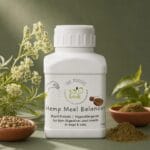
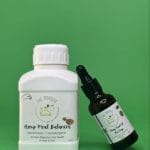
During and after a bout of loose motion, your dog’s gut needs all the support it can get to rebuild and strengthen. This is where Hemp Meal Balancer shines. It’s not just a supplement; it’s a foundational support system for your dog’s digestive health.
- Complete Amino Acids: Helps repair and rebuild damaged intestinal lining, crucial after an upset.
- Prebiotic Fibre: Feeds the beneficial gut bacteria, promoting a healthy microbiome and improving stool quality.
- Omega-3 and Omega-6 Balance: Unlike commercial chicken which is high in inflammatory Omega-6, the Hemp Meal Balancer helps correct this imbalance, reducing gut inflammation and supporting overall digestive comfort.
- Digestive Enzymes: Aids in the breakdown and absorption of nutrients, ensuring your dog gets the most out of their food, especially when their gut is recovering.
Adding the Hemp Meal Balancer to your dog’s regular meals, particularly after a digestive upset, provides the essential building blocks for a resilient gut. It helps ensure that their stomach pH remains optimal, making them less susceptible to future bacterial infections and improving nutrient absorption, which can lead to smaller, firmer stools.
When to See the Vet: Red Flags You Can’t Ignore
While home remedies are helpful for mild cases, certain symptoms indicate a more serious underlying issue that requires immediate veterinary attention. Do NOT delay seeking professional help if you observe any of the following:
- Lethargy or Weakness: If your dog is unusually tired, unresponsive, or collapses.
- Persistent Vomiting: Especially if accompanied by loose motion, as this increases the risk of dehydration.
- Blood in Stool: Bright red blood (haematochezia) or dark, tarry stools (melena) are serious signs.
- Fever: A rectal temperature above 102.5°F (39.2°C).
- Abdominal Pain or Swelling: Your dog may whimper when touched, or their belly might appear distended.
- No Improvement in 24-48 Hours: If home remedies haven’t shown any positive change within a day or two, it’s time for a vet visit.
- Young Puppies or Senior Dogs: These age groups are more vulnerable to dehydration and complications from loose motion.
- Known Exposure to Toxins or Foreign Objects: If you suspect your dog ate something poisonous or indigestible.
Always trust your instincts as a pet parent. If something feels off, it’s better to be safe than sorry and consult your veterinarian.
Practical Section: The Doggos Recovery Bowl
Here’s a simple recipe for a bland, gut-friendly meal to help your dog recover from loose motion.
Ingredients:
- 250g boneless chicken (breast or thigh)
- 500g white rice
- 200g red pumpkin (peeled, deseeded, chopped)
- Water for cooking
Instructions:
- Cook Chicken: Place chicken in a pressure cooker with enough water to cover. Cook for 2-3 whistles until very tender. Let it cool.
- Debone: Once cooled, remove the chicken and shred it. Ensure absolutely no bones remain.
- Cook Rice: In a separate pot, cook the white rice with plenty of water until it’s very mushy, almost like a porridge.
- Cook Pumpkin: Steam or boil the chopped pumpkin until soft. Mash it thoroughly.
- Combine: Mix the shredded chicken, mashed pumpkin, and mushy rice.
- Serve: Offer small portions. Once cooled, you can add a tablespoon of plain curd or a sprinkle of Hemp Meal Balancer for added gut support.
Recommended Portion Size (per meal, 3-4 times daily):
| Dog Weight | Portion Size (approx.) |
|---|---|
| Small (up to 5 kg) | ½ cup |
| Medium (6-15 kg) | 1-1.5 cups |
| Large (16-30 kg) | 2-3 cups |
| Giant (30+ kg) | 3-4 cups |
Adjust based on your dog’s activity level and usual appetite. The goal is easy digestion and hydration.
Common Mistakes Indian Dog Parents Make During Loose Motion
In my experience consulting with pet parents across India, these are the most frequent missteps:
- Feeding Cooked Bones: This is perhaps the most dangerous mistake. Cooked bones become brittle and can splinter, causing internal perforations that can be fatal. Always debone cooked meat.
- Stopping Water Intake: Some parents restrict water thinking it will stop the loose motion. This is dangerous and leads to dehydration. Always provide fresh water.
- Giving Human Medication: Never give your dog human anti-diarrhoea medication without veterinary guidance. Many human medicines are toxic to dogs.
- Ignoring Red Flags: Waiting too long to see a vet when severe symptoms appear can lead to serious complications.
- Reintroducing Regular Food Too Quickly: Rushing the diet transition can lead to a relapse of loose motion. Patience is key.
- Feeding Roti or Biscuits: While well-intentioned, roti or commercial biscuits (like Parle-G) are full of grains, sugar, and maida, which can worsen digestive upset and offer no nutritional benefit during recovery. For more on this, check out Is Roti Good For Dogs?
Remember, a dog’s digestive system is designed for meat, with a short intestinal transit time (12-30 hours). Grains and starches put a strain on their system, especially when they are already unwell.
Supporting Your Dog’s Gut Health Long-Term
Dealing with loose motion is stressful, but it’s also an opportunity to re-evaluate your dog’s diet. A biologically appropriate, fresh food diet supports a robust digestive system, making your dog less prone to such upsets.
For ongoing gut health, especially for dogs prone to sensitive stomachs, consider incorporating supplements that support digestion and nutrient absorption. The Hemp Meal Balancer is specifically formulated to enrich your dog’s meals with essential amino acids, prebiotics, and a balanced fat profile, transforming a simple chicken-rice bowl into a thriving meal. It’s an excellent way to maintain gut integrity and prevent future episodes of loose motion.
Related Reading
- Shop the anchor product: Hemp Meal Balancer in the catalog.
- Read more: Natural Indian home remedies for dog constipation and hard stool.
- About the author: Mahiv Chhabra, certified canine nutritionist.