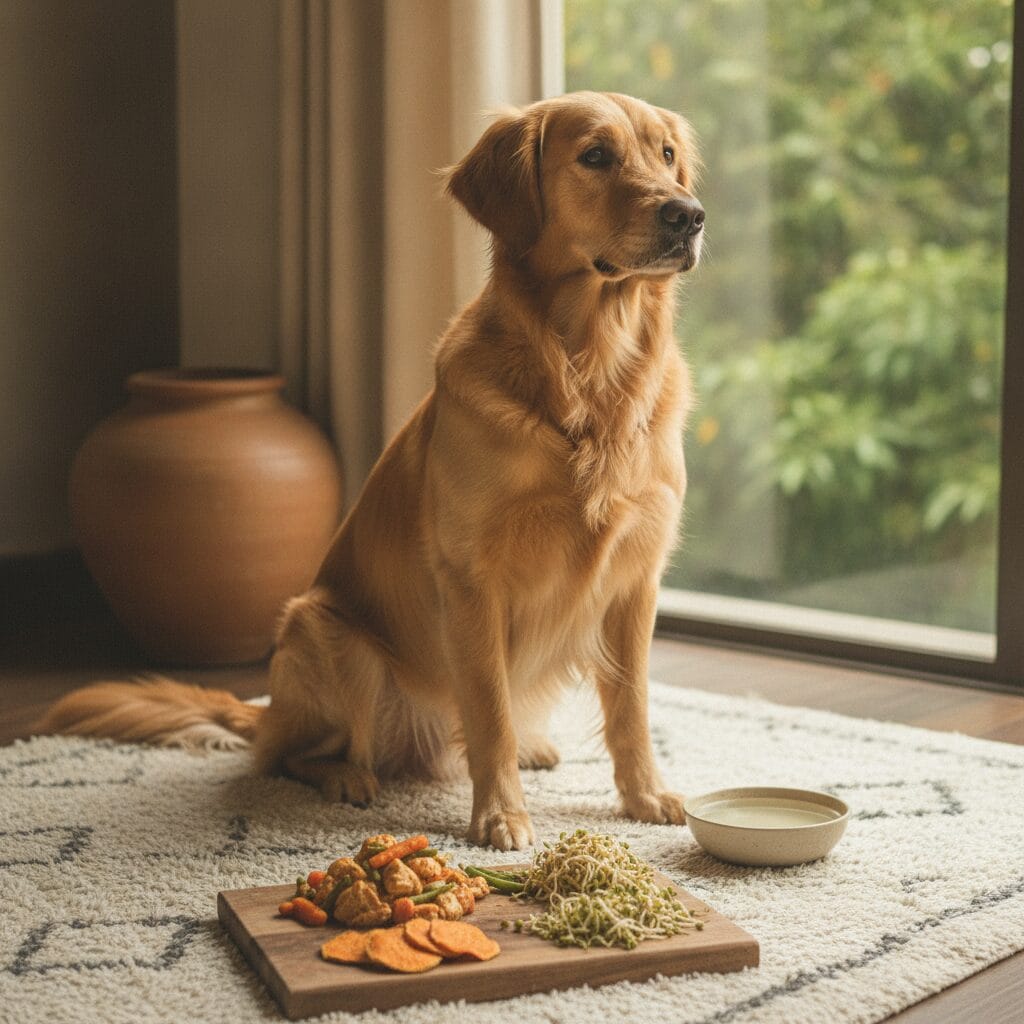
Bangalore’s monsoons are beautiful, but for our furry companions, they often bring a wave of health challenges. The humidity, dampness, and reduced outdoor activity can lead to skin issues, digestive upsets, and a dip in overall vitality. As a canine nutritionist, I constantly get questions from Bangalore pet parents about how to adapt their dog’s diet for this season.
Quick Answer: Your Dog’s Monsoon Diet Solution
A natural dog diet for Bangalore monsoon humidity focuses on cooked, deboned meats, balanced with Omega-3s and anti-inflammatory support like Hemp Seed Oil to combat skin issues, bolster immunity, and maintain gut health. Prioritise fresh, species-appropriate meals over processed kibble to enhance nutrient absorption and overall well-being during the damp season.
Why Bangalore Monsoons Demand a Different Approach
The monsoon in cities like Bangalore, Mumbai, or Chennai isn’t just about rain; it’s about persistent humidity. This creates a breeding ground for bacteria and fungi, exacerbating skin conditions like hot spots, ear infections, and general itchiness. the damp environment makes our usual hygiene concerns around raw meat even more pronounced.
- Increased Skin Issues: Humidity can lead to dermatitis, fungal infections, and yeast overgrowth, especially in breeds with thick coats.
- Digestive Sensitivity: Dogs might experience changes in appetite or stool consistency due to environmental shifts and reduced physical activity.
- Lowered Immunity: Constant dampness and potential pathogen exposure can stress a dog’s immune system.
- The Hygiene Gap: Indian wet markets, combined with high humidity, make raw feeding extremely risky due to bacterial contamination. This is why at The Doggos, we advocate for the “Cook the Meal, Dehydrate the Bone” method.
Debunking the ‘Heat’ Myth: It’s About Inflammation
Many Indian pet parents believe certain foods, like chicken or eggs, cause ‘heat’ in dogs, leading to rashes and itching, especially during monsoons. This isn’t thermal heat; it’s almost always an inflammatory response. Commercial Indian chicken, often corn and soy-fed, has a skewed Omega-6:3 ratio (20:1 to 30:1 instead of the ideal 7:1).
This excess Omega-6 floods the body with inflammatory markers. The symptoms you observe – paw licking, hot spots, chronic ear infections – are direct results of this inflammation. Balancing these fats with rich Omega-3 sources or anti-inflammatory Omega-6s like GLA can resolve these issues without removing essential proteins from the diet.
The Core of a Natural Monsoon Diet: Balance is Key
A truly natural diet for your dog, especially during Bangalore’s monsoon, must address two critical balances:
1. Calcium:Phosphorus Ratio (1.2:1)
Meat is rich in phosphorus, but boneless diets lack sufficient calcium. Over time, this imbalance leaches calcium from your dog’s own bones, leading to serious health issues like Osteopenia. For monsoon diets, ensuring this ratio is vital for structural health.
- Solution: Incorporate Dehydrated Chicken Feet or a calcium supplement like eggshell powder into their cooked meals. Our dehydrated bones are safe because the low-temperature dehydration process retains their porous structure, allowing them to crumble safely.
2. Omega-6:3 Balance
As discussed, the imbalance in Omega-6 and Omega-3 fats from conventional chicken is a major culprit for inflammation. Balancing this is crucial for skin health, immunity, and reducing ‘heat’ symptoms.
| Fat Source | Omega-6:3 Ratio | Impact on Dog |
|---|---|---|
| Commercial Chicken | 20:1 to 30:1 | Pro-inflammatory, leads to skin issues, itching |
| Pasture-Raised Meat | 7:1 to 10:1 | Balanced, supports general health |
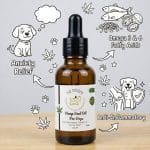
| Hemp Seed Oil | 3:1 (rich in GLA) | Anti-inflammatory, skin barrier support |
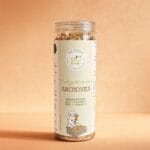
| Dehydrated Anchovies | High Omega-3 | Anti-inflammatory, brain, coat health |
Key Numbers: Aim for an overall Omega-6:3 ratio closer to 7:1 in your dog’s diet to mitigate inflammation.
Why Hemp Seed Oil is Your Monsoon Essential
When the humidity climbs in Bangalore, skin issues become a primary concern. This is where Hemp Seed Oil truly shines. It’s not just another oil; it’s a powerful anti-inflammatory agent, rich in Gamma-Linolenic Acid (GLA).
GLA is a rare Omega-6 fatty acid that acts anti-inflammatory, unlike typical Omega-6s. It converts into Prostaglandin E1, which directly reduces inflammation and maintains a healthy skin barrier. Dogs with Atopic Dermatitis, common in humid climates, often lack the enzyme to process normal fats, but GLA bypasses this step, making it direct medicine for dry, cracking paws, dandruff, and those persistent monsoon hot spots.
Beyond skin health, Hemp Seed Oil also offers a mild anxiolytic (calming) effect. This can be beneficial during monsoons when thunderstorms and reduced outdoor activities might increase anxiety in some dogs. Start adding it 7 days before known stressful periods to build a ‘calm buffer’.
In my practice, I’ve seen countless cases of chronic monsoon-related skin issues. A Labrador in Koramangala, struggling with relentless paw licking and ear gunk every rainy season, saw significant improvement after switching to gently cooked chicken and adding 1 tsp of Hemp Seed Oil daily. Within 4 weeks, the paw licking stopped, and her ears cleared up. It’s a big change for humidity-induced inflammation.
, Mahiv Amit Chhabra, Canine Nutritionist, The Desi Carnivore
Monsoon-Friendly Natural Dog Diet Plan (The Golden Chicken Bowl Edition)
Here’s a simple, effective recipe to keep your dog thriving through the Bangalore monsoon, using our “Cook the Meal, Dehydrate the Bone” method:
The Monsoon Golden Chicken Bowl
- 500g Chicken Thighs (bone-in, skin-on): Wash thoroughly with turmeric water (natural antiseptic). Pressure cook with bones for 2-3 whistles.
- 50g Chicken Liver: Rich in Vitamin A, vital for immunity. Add during the last whistle.
- 100g Red Pumpkin: Excellent source of fibre and prebiotics to support gut health. Pressure cook with chicken.
- 1 tsp Turmeric Paste: Anti-inflammatory and immune-boosting.
- 1-2 tsp Hemp Seed Oil: (Adjust based on dog’s weight; 1ml per 5kg body weight, up to 10ml max). Add once the meal has cooled.
- Calcium Source: Add 1-2 Dehydrated Chicken Feet (for small/medium dogs) or appropriate calcium citrate/eggshell powder to achieve 1.2:1 Ca:P ratio.
Method:
- After cooking, let the chicken cool slightly.
- DEBONE COMPLETELY. This is non-negotiable. Cooked bones shatter and are dangerous.
- Mash the pumpkin into the broth.
- Shred the deboned chicken and mix everything together.
- Once fully cooled, stir in the Hemp Seed Oil.
- Serve with your chosen calcium source.
For variety, you can also consider adding Dehydrated Anchovies to boost Omega-3s further, especially if your dog loves fish. They are small, low on the food chain, and packed with DHA for brain health and inflammation reduction.
Common Monsoon Diet Mistakes to Avoid
- Feeding Cooked Bones: This is perhaps the most dangerous mistake. High heat makes bones brittle, causing them to splinter into sharp shards that can perforate your dog’s digestive tract. Always debone cooked meat.
- Excessive Rice or Roti: While small amounts are okay, a diet heavy in grains elevates stomach pH, making dogs more susceptible to bacterial infections and hindering nutrient absorption. Dogs lack salivary amylase, meaning grains are hard on their pancreas. Learn more about roti for dogs here.
- Ignoring Skin Issues: Many pet parents dismiss initial itching or redness as minor. In humid conditions, these can quickly escalate into full-blown hot spots or fungal infections. Diet matters in prevention and recovery. For severe skin issues, also consider our Baobab Oil for dog skin issues.
- Forgetting Probiotics: A healthy gut is a strong immune system. Adding a little plain curd (dahi) or a good quality probiotic can help maintain gut flora balance during monsoon.
FAQ: Natural Dog Diet for Bangalore Monsoon
What kind of meat is best for dogs during Bangalore monsoons?
Gently cooked chicken, mutton, or quail are excellent choices. Ensure the meat is always deboned after cooking. Chicken is highly digestible, while mutton provides extra iron and zinc, beneficial for immunity. Washing meat with turmeric water before cooking can add an extra layer of hygiene.
How can I prevent monsoon-related skin allergies through diet?
Focus on balancing Omega-6 and Omega-3 fatty acids in your dog’s diet. Supplementing with anti-inflammatory sources like Hemp Seed Oil, rich in GLA, directly supports skin barrier health and reduces inflammation. Also, ensure adequate Vitamin C from sources like Baobab powder to fuel collagen synthesis for strong, elastic skin.
Is raw food safe for dogs in Bangalore’s monsoon climate?
No, I do not recommend feeding raw meat from Indian wet markets during the monsoon. The high humidity significantly increases the risk of bacterial contamination (Salmonella, E.coli) and cross-contamination within your home. While dogs’ stomachs can handle pathogens, the practical hygiene risks in an Indian household are too high. Our “Cook the Meal, Dehydrate the Bone” method is the safest approach.
How much Hemp Seed Oil should I give my dog?
A general guideline is 1ml per 5kg of body weight per day, up to a maximum of 10ml for larger dogs. Start with a smaller dose and gradually increase over a week to ensure your dog tolerates it well. Always add it to cooled food, as heat can degrade its beneficial fatty acids.
Keep Your Dog Thriving, Not Just Surviving, This Monsoon!
Navigating Bangalore’s monsoon with a healthy, happy dog is entirely possible with the right dietary approach. Moving away from processed foods and embracing a natural, balanced diet can significantly boost their immunity, maintain a healthy coat, and keep those pesky skin issues at bay.
If you’re looking for a simple, effective way to combat monsoon-related inflammation and support your dog’s skin and coat health, consider adding Hemp Seed Oil to their daily meals. It’s a powerful tool in your natural diet toolkit, designed to help your carnivore thrive, even when the rain pours down.